


Ferrari estimates 2019 Formula 1 aero rules slow cars by 1.5s
Ferrari has estimated that Formula 1's 2019 aerodynamic regulations will cost around 1.5 seconds of lap time

F1 has made several aero changes for this season, introducing simpler front and rear wings, brake ducts and bargeboards to try to make it easier for cars to follow one another.

At the launch of Ferrari's 2019 car, the SF90, new team principal Mattia Binotto - who was chief technical officer until last month - joined the many senior figures who have predicted a swift development race to recover the time that has been lost.
"We predicted an impact of 1.5s per lap when we [first tested] in the windtunnel and it's what we got," said Binotto.
"So these cars are heavier compared to last year, and the aerodynamics, especially the front wing, has been simplified a lot.
"The expectation has been 1.5s and that has been [proven].

"So now it is how much we recover of the 1.5s during the entire period of development.
"How much the others recovered, only the track can tell."
The changes to the front wing have a significant impact on the aerodynamic performance of the whole car.
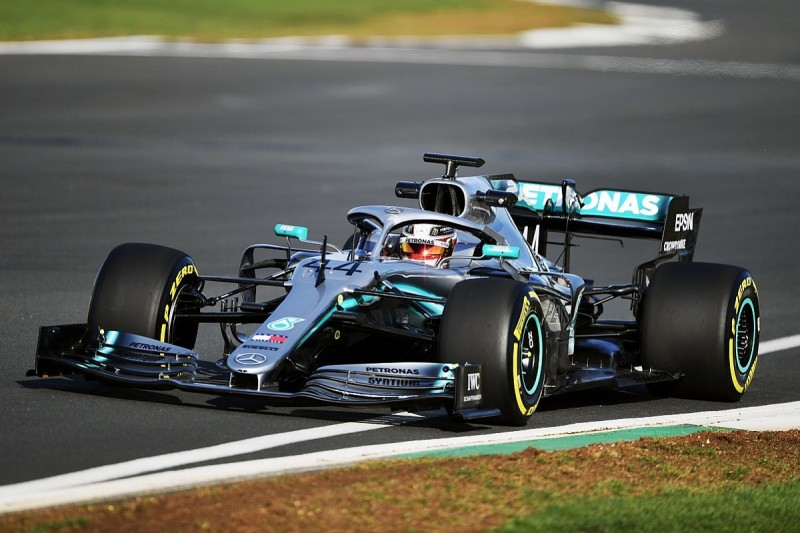
They mean teams now have less intricate designs to try to manage the airflow and have less control over how to direct it downstream.
Earlier this week Racing Point technical director Andrew Green characterised it as "a lot of optimisation and redesign work".
He also reiterated his doubt that the changes will improve the spectacle as intended.
"Ultimately we may struggle to find out if these new rules improve the racing and unfortunately I don't think they will help close the grid up," he said.
"But what we know from looking at our data is that they produce a significant loss of performance, one we are still fighting to recover."
Share Or Save This Story


The initial plan for F1's next engine regulation in 2030

Vasseur rejects Ferrari internal crisis claims as he defends team

Sainz interview: “I always believed in McLaren… but then Ferrari called”


Hamilton frustrated after late Ferrari qualifying strategy change: ‘I towed Charles the whole time’

Why "dangerous" Hamilton-Lawson incident in Azerbaijan GP practice hasn't led to change

How the chase to catch Mercedes is unfolding

BTCC Silvestone: Doble inherits win with Moffat penalty, Sutton made to wait for title

The detail that impressed Red Bull the most about Hadjar's F1 return

WEC Fuji: Toyota pulls off shock home win in chaotic race

Azerbaijan Grand Prix Driver Ratings 2026
Subscribe and access Autosport.com with your ad-blocker.
From Formula 1 to MotoGP we report straight from the paddock because we love our sport, just like you. In order to keep delivering our expert journalism, our website uses advertising. Still, we want to give you the opportunity to enjoy an ad-free and tracker-free website and to continue using your adblocker.


Top Comments