
What national motorsport may look like in 10 years
Predicting the future isn't easy, especially in a very turbulent world, but here Autosport attempts to assess what club motorsport may look like in 2035 and the challenges that lie ahead
Predicting the future is never easy. But it has grown much harder in recent years as the world has become ever more turbulent. Unexpected conflict, unpredictable political figures and significant decisions seemingly made on a whim, with no thought of the long-term consequences and those directly or indirectly impacted, all mean taking a look in the crystal ball is a challenging exercise.
But, just because the picture is alarmingly murky, it should not stop us from gazing into the future. “My role is to look forward,” affirms Greg Graham, the British Racing & Sports Car Club’s head of formulae development, whose job is to develop new series. “If you only do the same thing every year, you’re always going to get the same results.”
Yet looking ahead can be fraught with danger, and we can get carried away when predicting the pace of change. When asked what national motorsport’s future may hold, MotorSport Vision chief executive Jonathan Palmer replies: “I think not very different. If you think about how different motorsport was 10 years ago in 2015, or 20 years ago in 2005, the answer is not very.”
Regardless of the size/speed of change, there is no escaping the fact that motorsport faces some major challenges. Here, we assess key areas of the national scene and how they may look in a decade’s time.
The electric question
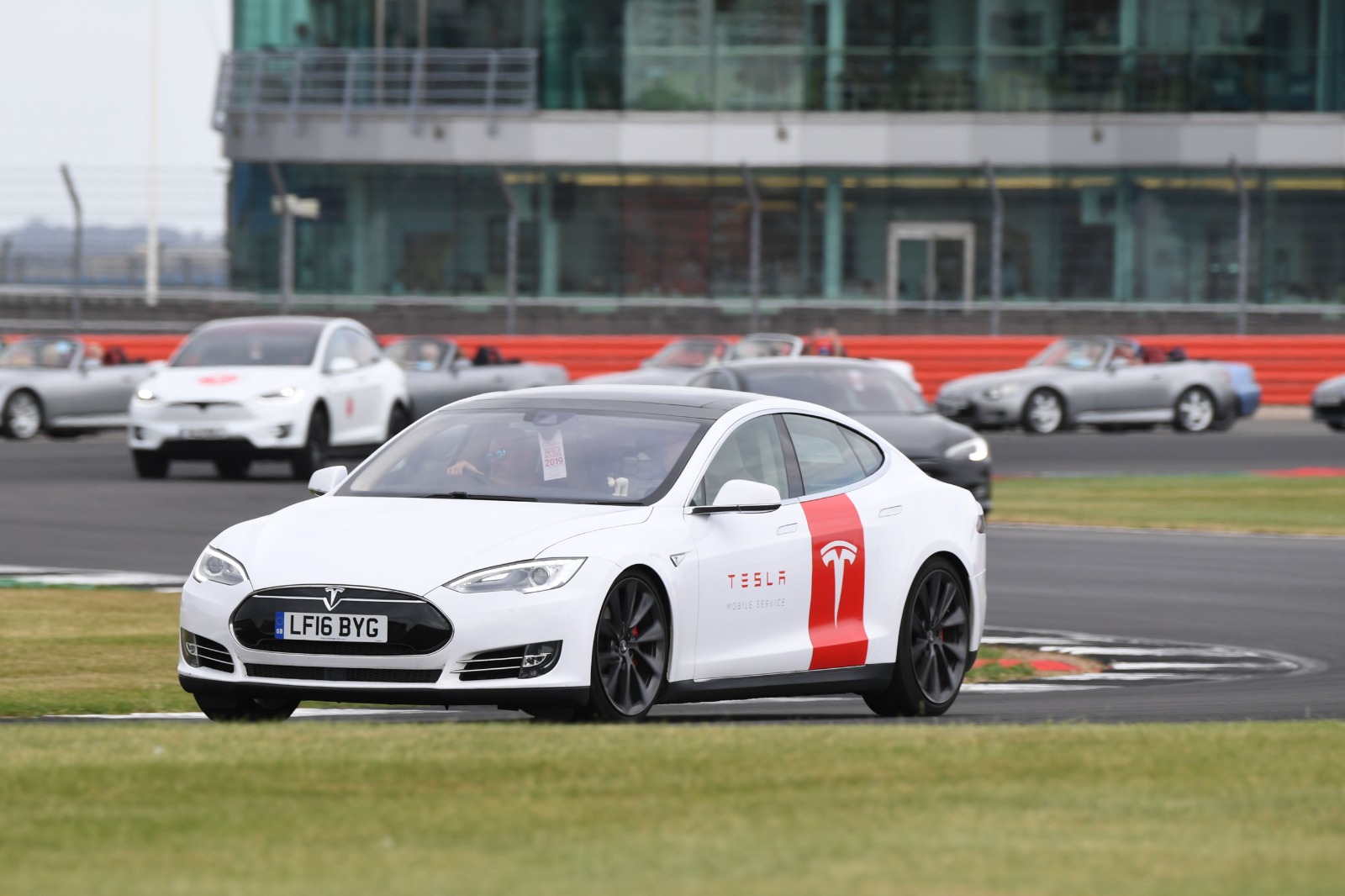
No-one expects Teslas to race in the UK any time soon
Photo by: JEP
With any talk of the future of motoring or motorsport, the role of electric vehicles is a logical starting point. Whether you’re a big fan of the silent machines or passionately despise them, there is no ignoring their rise. It’s not entirely clear which timetable the Labour government will adopt but, from either 2030 or 2035, it will not be possible to buy a new internal combustion engined car in the UK. EVs now account for 19.6% of new car sales on these shores but there is no expectation of Teslas, BYDs or Polestars gliding onto tracks any time soon.
“Government have introduced legislation with a certain percentage of road cars now having to be battery electric vehicles and one can see a logic to reduce city emissions and improve air quality,” notes Palmer. “We know BEVs are bloody quick and capable of immense acceleration, but they’re still very much for short sprints not long distances, and they’re not capable of prolonged high-energy output.
“The market is definitely ready, but it’s just not possible to put EVs on track in any significant numbers” Greg Graham
“Formula E was introduced over 10 years ago and it hasn’t spawned other electric series – the Jaguar series [iPace eTrophy for SUV models] was shortlived. The reality is it’s still very expensive and complicated.”
He adds there are many challenges, not least the weight of battery packs, and Palmer’s scepticism towards EVs in circuit racing is shared by Hugh Chambers, CEO of governing body Motorsport UK. “Certainly today, if you take a Tesla, if you go thrashing around Silverstone Grand Prix circuit flat-out, even in high performance with the big battery pack, you’d be lucky to do five laps,” he points out. “Even before that, the battery would probably overheat.
“Right now, you couldn’t go circuit racing with an electric vehicle, it’s just not possible. You can do a sprint, you can do a hillclimb, but BEVs are not the short-term, near-term future of circuit racing based on production vehicles.”
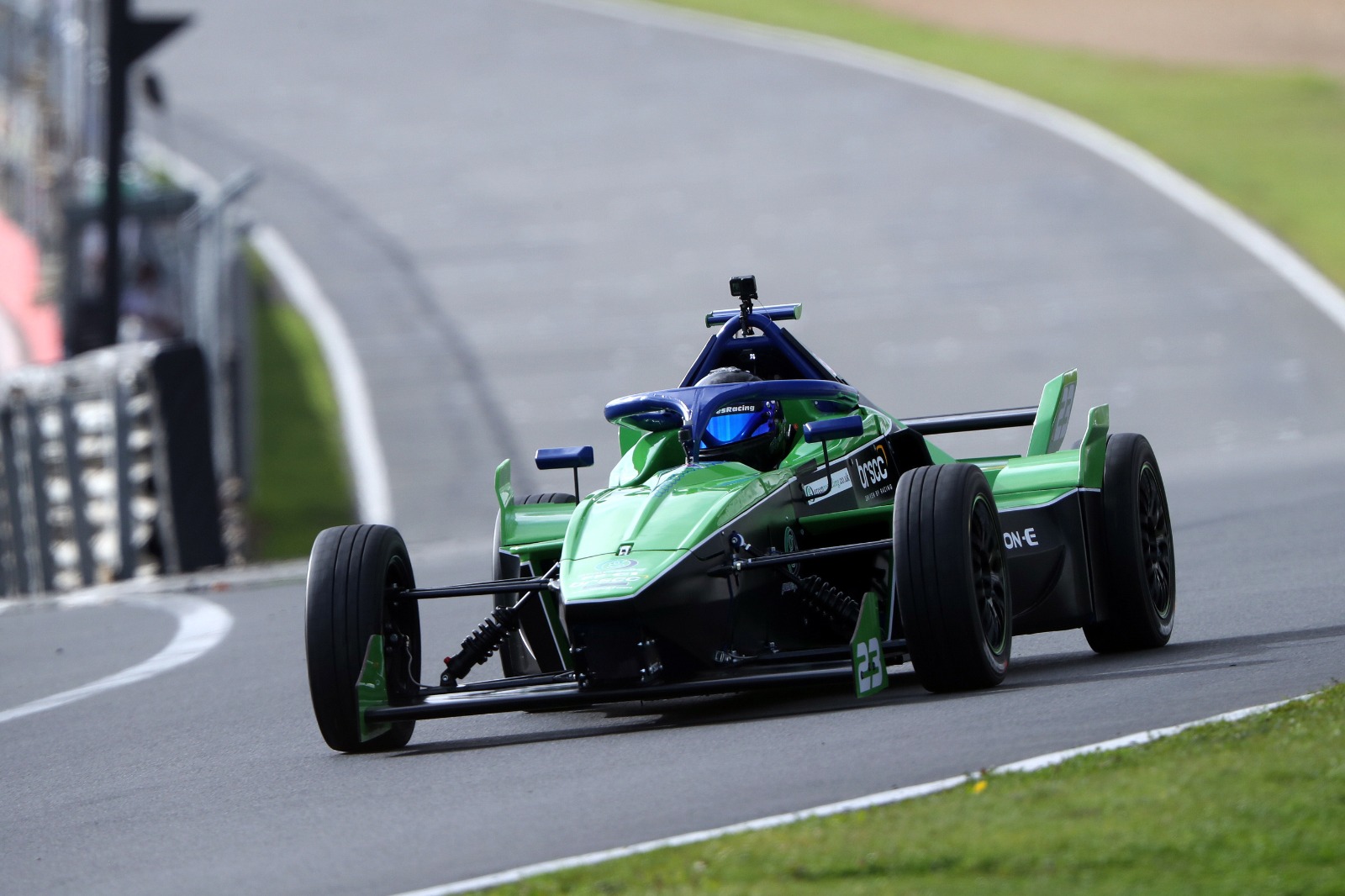
The BRSCC attempted to introduce electric single-seater series but struggled with lack of charging infrastructure
Photo by: Gary Hawkins
Further evidence comes from James MacNaughton, motorsport manager for Porsche GB – a brand that produces a variety of EVs – who adds that the next Carrera Cup car will retain an ICE. “Never say never with electric racing, but there are some considerable challenges to overcome with the charging infrastructure,” he reasons.
And that is something Graham has found first-hand. The BRSCC revealed plans in October 2022 to launch Formula Foundation-E, a new electric single-seater series. The machine completed demonstration laps at that year’s Formula Ford Festival but the category has been put on hold amid the logistical, legislative and safety challenges of getting EVs on tracks.
“We had a lot of interest,” recalls Graham of the concept. “But to race an EV programme at the moment would be almost impossible as we [the UK motorsport community] lack the knowledge and infrastructure. We really did try it with Formula Foundation, but we were coming up against a bit of a wall. The market is definitely ready, but it’s just not possible to put these cars on track in any significant numbers.”
If not electric, then what?
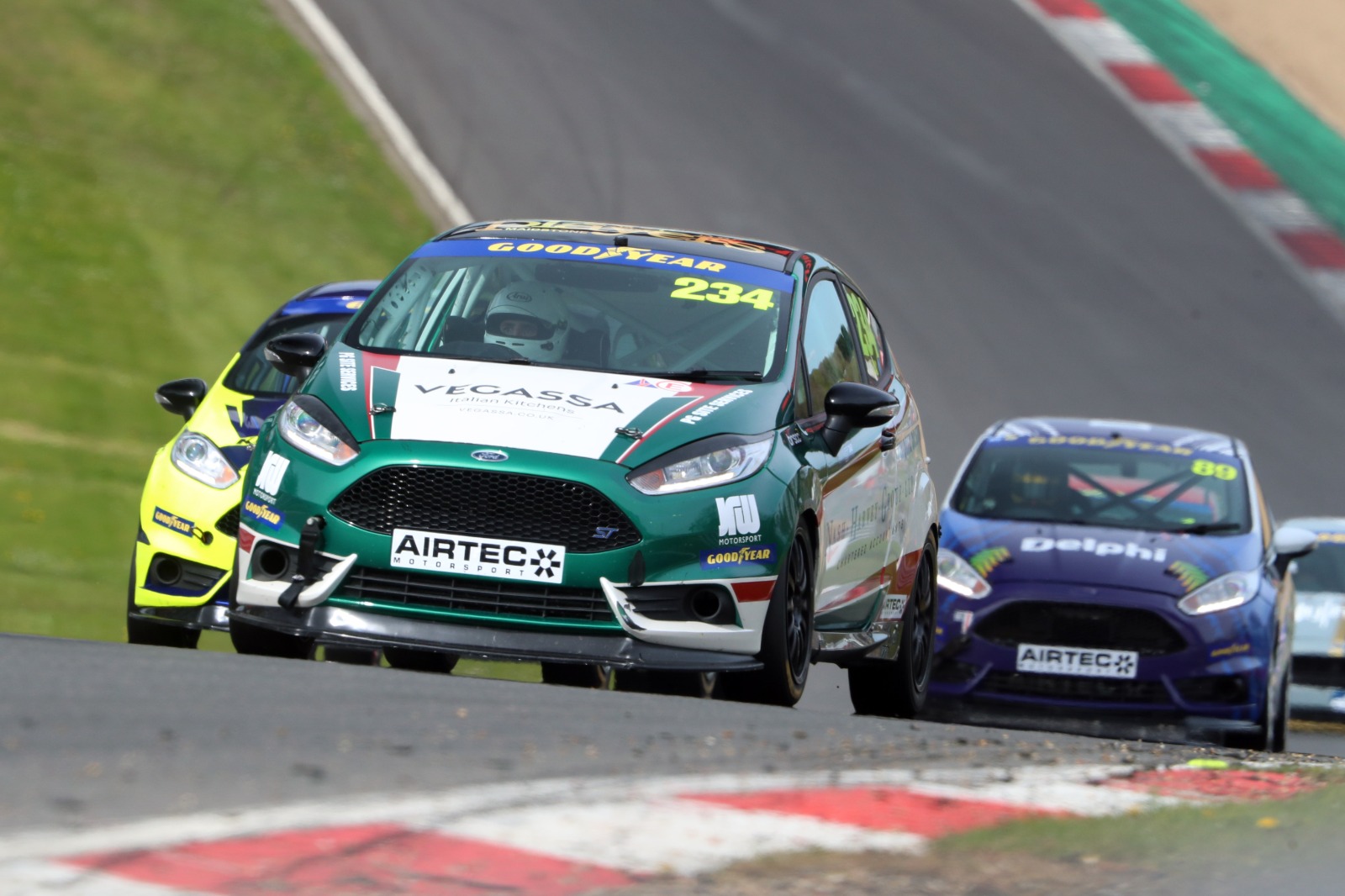
There are fewer small cars being produced these days, posing a problem for introducing new series
Photo by: Gary Hawkins
With EVs currently regarded as inappropriate for the UK’s circuits, the question turns to what will be racing on them. And that’s not necessarily easy to answer. “An awful lot of the cars that are used are the A and B segment cars and manufacturers aren’t making them anymore,” points out Chambers. “The Citroen C1s and the Ford Fiestas are going to start becoming vintage or historic cars! You won’t have the donor cars come through for that type of racing. Whether we just spin those cars out for the next 20 years, I don’t know.”
But Graham feels that there are still a few hatchbacks and saloons on sale now that are ripe for racing in the future. “New cars released today with petrol engines, these cars will be 10 years old [in 2035],” he explains. “If we look at what we’re racing at the moment, the DS3, Fiesta ST150s are 10 years old, and the BMW 1 Series nearly are. I think there will still be hardware out there we can go racing in.”
Palmer thinks this will be particularly challenging for top-line touring car racing, with a diminishing number of options, while Classic Sports Car Club director David Smitheram points out that modern machines are very different from their predecessors. For example, the ever-increasing number of automatics has led some racers to request rolling starts because they are not used to getting a manual off the line.
“We’ve got to be 10 steps ahead of the game. The great thing is we’ve got the technology, we’ve got sustainable fuels” Hugh Chambers
One of the most popular areas currently is categories for 1960s sportscars and tin-tops, but Smitheram is unsure whether that will remain the case in 2035. “The cars will be another 10 years older – they will be 70 to 80 years old – and the same with a lot of suppliers and preparers,” he says. “We have a lot of drivers that are retired – whether they will still be racing in 10 years is questionable.”
But Palmer is optimistic about other branches of the sport, including GTs and single-seaters. The latter he feels will stay “healthy” amid surging interest in F1, with it still being the “goal” for many.
The role of sustainable fuels

Sustainable fuels were already mandated at Goodwood Revival last year
Photo by: Motorsport Images
If EVs are rejected in club racing, and ICE-powered cars remain the norm, it would be naive to think that motorsport can simply ignore the growing calls within society for activities to be more sustainable. After all, driving around in circles burning fossil fuels would be an easy target for campaigners. “We need to find a balance where we don’t put two fingers up at environmental concerns but don’t tie ourselves in knots so much that the sport cannot take place for fear of upsetting someone,” states Smitheram. And this is where sustainable fuels come in.
Already these alternatives to petrol are creeping in. For example, all cars racing at the Goodwood Revival last year were required to use sustainable fuels, and a 100% sustainable fuel was tested in the British Touring Car Championship. Against that backdrop, Motorsport UK launched a consultation about mandating that all series using bespoke race fuels must adopt products with 50% sustainable content in 2026. That drew a positive response and is set to be implemented.
“Sustainable fuels are going to become the norm and I think that helps everybody to publicly and privately down the pub defend why motorsport should be allowed to continue to burn the fuels in an internal combustion engine,” reckons Chambers. “Without doing that, these things can happen quickly, and society can turn on motorsport as it did with fox hunting.
“A lot of people who live in urban centres and probably don’t drive cars will suddenly decide, ‘What are all these rich people doing driving around burning fossil fuels? They shouldn’t be allowed to do that.’ We’ve got to be 10 steps ahead of the game. The great thing is we’ve got the technology, we’ve got sustainable fuels.”
Now, it’s important not to view sustainable fuels as a panacea that automatically gives motorsport a free pass. And there are some important challenges that remain, not least the cost – which blocks widespread use for now. Instead, other sustainable initiatives should be considered. “There’s a regulation for Carrera Cup and Sprint Challenge teams and drivers to act in a sustainable way and, if they don’t, there will be penalties,” says MacNaughton.
“It’s fairly basic things like not leaving hoses running, when washing wheels you must use a basin because you reduce water usage. It’s a lot of little things that are all easy wins without having to spend big amounts of money.”
Technology, tyres and other trends
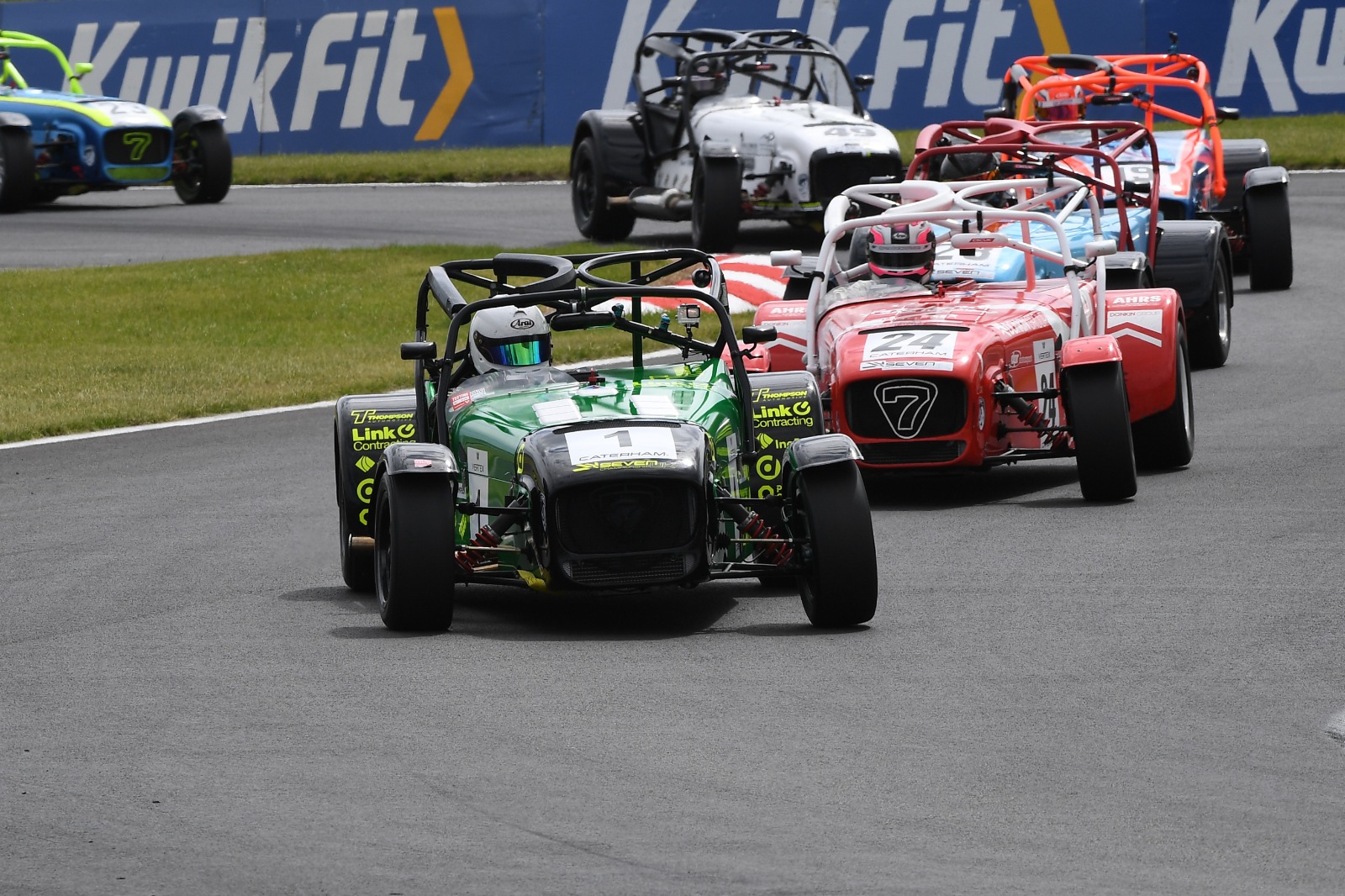
The availability of smaller-sized tyres could continue to be an issue in the future
Photo by: JEP
Away from sustainability, another trend we can expect over the coming years is the increasing use of technology. This started when the coronavirus pandemic forced working practices to change, and it is now set to provide better policing of the notorious track-limits issue.
“We’re in the midst of doing an evaluation of track-limit technologies and one of the spin-offs, which is really exciting, is an interface between Esports and real-world sport,” enthuses Chambers. “This allows you, in real time, to capture all the data of where on the track the vehicle is and overlay that into an Esports environment, so you can subsequently race against yourself or race against others and do data analysis.”
Palmer adds: “Advancements in technology and communications, such as the policing of track limits, are going to make motorsport better. We’re all motivated to streamline things and use technology to make life simpler.”
“The consequence of driving becoming censored is driving on public roads is a pretty dull experience. That means the thrill of getting out on track, whether for a trackday or racing, is going to appeal more” Jonathan Palmer
Much has also been written and discussed recently about tyre supply concerns, and this is set to remain a hot topic. The trend towards larger tyres for road cars is likely to continue to cause problems for series using smaller sizes. “We’re seeing no one apart from Caterham – I don’t think there’s another manufacturer – that’s making a vehicle on 13-inch wheels,” explains CSCC director Hugo Holder.
“The number of these tyres made is going to be minuscule compared to the millions and millions in larger sizes. People like Nova may bring them back, but I think that’s going to have an effect. There are a lot of race cars that still run on 13-inch tyres and will want to do so in the future.”
Another shift is the increasing number of club racers turning to arrive-and-drive options, rather than running a car themselves. The complexity of modern machines and the busy lives we all lead mean getting a team involved is a good option for many, and that is set to become even more popular.
Concluding thoughts
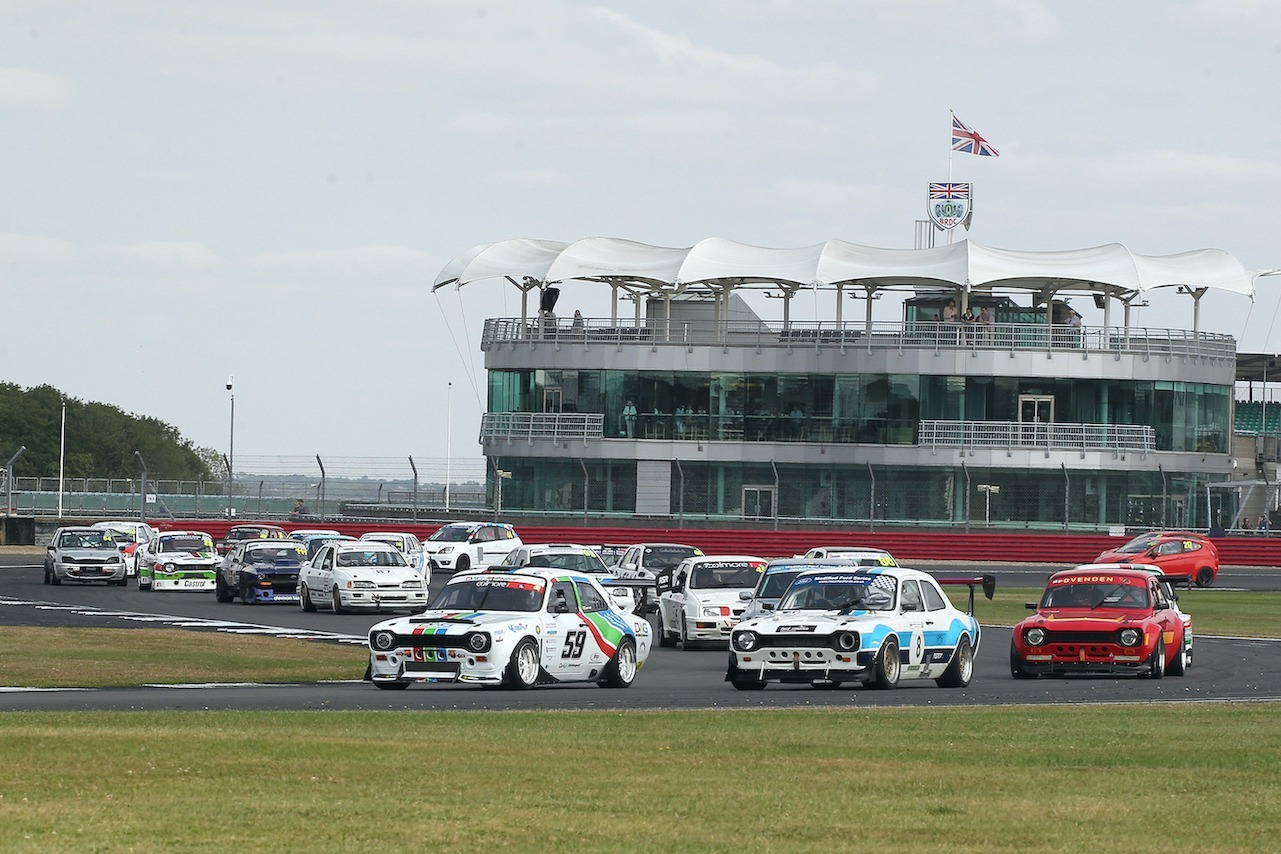
As driving on the roads becomes more restrictive, more people could head to the tracks to escape
Photo by: Mick Walker
No one should be under any illusion about the scale of the challenges faced by club racing. A gradually declining number of licence holders, an ageing competitor and volunteer demographic, ever-increasing costs and navigating the environmental questions are all major threats. But these difficulties do not mean that UK motorsport cannot thrive.
Palmer suggests that the rise in autonomous vehicles and tougher speed restrictions could leave more people wanting to get onto tracks: “The consequence of driving becoming censored is driving on public roads is a pretty dull experience. That means the thrill of getting out on track, whether for a trackday or racing, is going to appeal more.”
And Smitheram is optimistic that club racing has an important part to play over the next 10 years, even if he is less certain about 20 years’ time. “I’m really, really positive,” adds Chambers. “Motorsport has got some real headwinds, we don’t have a tailwind anymore. For 120 years, we benefited from the explosion of the car as a source of freedom. Now, the winds of change are in the opposite direction and there are some tough things that we have to battle. I think we’re in good shape, we’ve got a fantastic community out there and we’ve just got to unlock that energy and passion and make sure we continue for future success.”
What the next decade may hold for other disciplines
How hillclimbing may have an electric future
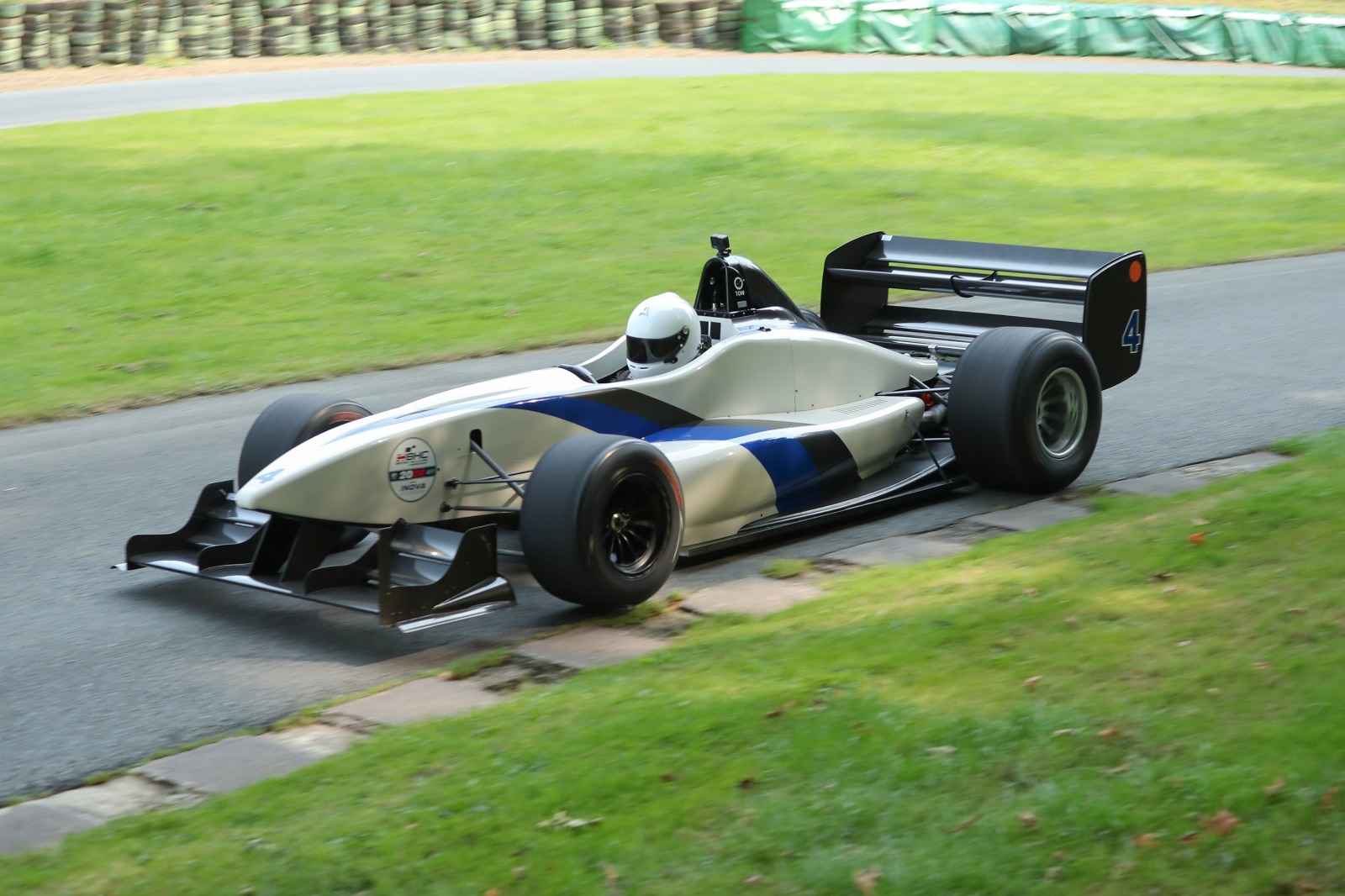
As supply of suitable ICE motors dwindles, electric power may be the only option for BHC
Photo by: Paul Lawrence
With its relatively free technical regulations, hillclimbing is one area that can offer rapid change in development across the next decade. It’s a branch of the sport with a very modest carbon footprint: the cars run singly, they’re usually active for less than a minute per run, and fuel and tyre consumption is limited.
In many cases, moving to sustainable fuel will come with far less pain, because the amount used represents a smaller element of total cost, so there is every reason to see a bright next decade on the hills.
“The future of top-level hillclimbing is likely to become electric by necessity” Alex Summers
At the top of the discipline in the UK is the British Hillclimb Championship, and 2015 conqueror Alex Summers sees big changes coming. As a gifted engineer and driver, Summers says that the main difference will be in engines, and a move towards electric motors is probable as alternatives simply run out.
Traditionally, top-specification cars have been powered by recent Formula 1 or IndyCar-type engines. But Summers says that the current generation of powerplants are not valid for hillclimb machinery. “There’s been a happy time, up until recently, where redundant racing engines were relatively plentiful, relatively cheap and relatively simple to run,” he says. Those days appear to be running out.
“In my view, we will have to go electric when we run out of engines because all the modern engines would be rubbish hillclimb engines: way too complex and way too heavy,” he adds.
Summers predicts that, in the next decade or so, someone will develop a 10kWh, 120kg battery pack for £40,000 and sell an ECU and motor that goes with it. It could prove the perfect power unit for top-level hillclimbing.
“There’s going to be a crossover in the next 10 years where someone, maybe McMurtry or some other motorsport battery company, or one of these graduates who’s a real battery geek sets up a business to make battery packs,” Summers predicts. “That’s my bid: 10, maybe 15 years. The future of top-level hillclimbing is likely to become electric by necessity.”
The challenges facing rallying
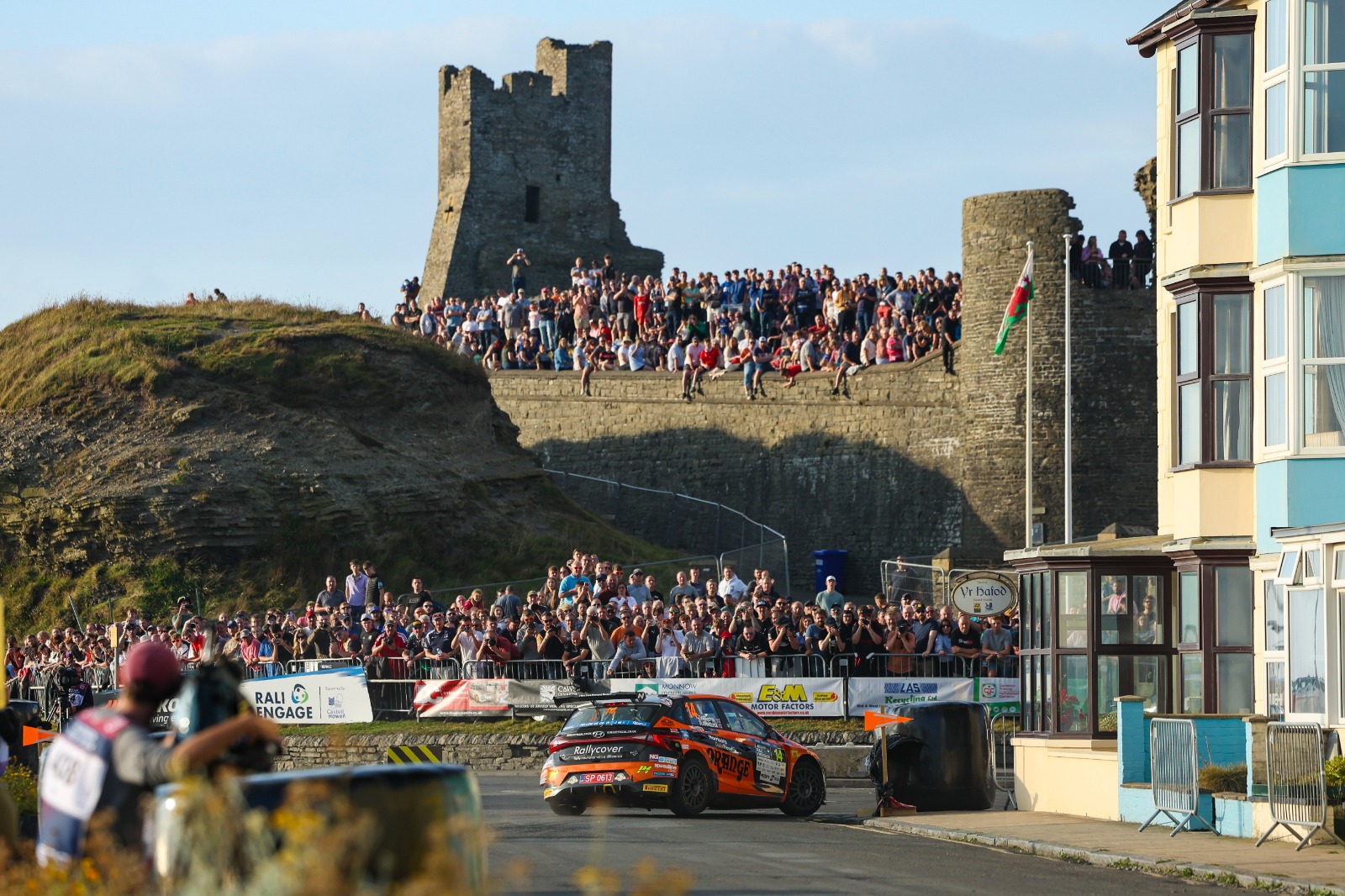
More rallies are being held on closed roads but young organisers are needed to help secure the discipline's future
Photo by: JEP
Over the past quarter of a century, UK rallying has faced a range of challenges, including potential loss of access to the forests, foot and mouth disease and COVID-19. But the biggest one it faces over the next decade is environmental impact. Like other areas of the sport where fossil fuels are consumed, rallying has a journey to make, but it can be done and there is every reason to envisage a strong future.
Mike Broad, chair of the British Trial and Rally Drivers’ Association, is as close to the heart of rallying as anyone. He foresees a distillation to fewer, bigger events, and cites another of the leading challenges as finding event organisers. Broad says encouraging more clubs to come together to run rallies is logical. “A lot of retired people organise rallies and we need to find new young organisers,” he adds.
It is the environmental issue that will occupy discussion and rule changes over the next decade. In terms of alternatives to internal combustion engines, a future for rallying in electric cars seems a long way off, and the hybrid option has already proved to be expensive.
As for other elements of sustainability, tyre consumption is a current discussion point and work has been ongoing to reduce this. “We’re moving slowly in the right direction with tyres, but I think we’ve been sitting on our hands for a bit too long,” reflects Broad.
Like many, Broad is eager not to trigger further cost increases to what is already becoming an expensive sport. With single-day forest rallies having entry fees fast approaching four figures, the discipline has to remain affordable. Despite the challenges, Motorsport UK is working with the Ministry of Defence to bring back former venues, and open up new ones, and this can only be good news.
This article is one of many in the new monthly issue of Autosport magazine. For more premium content, take a look at the March 2025 issue and subscribe today.
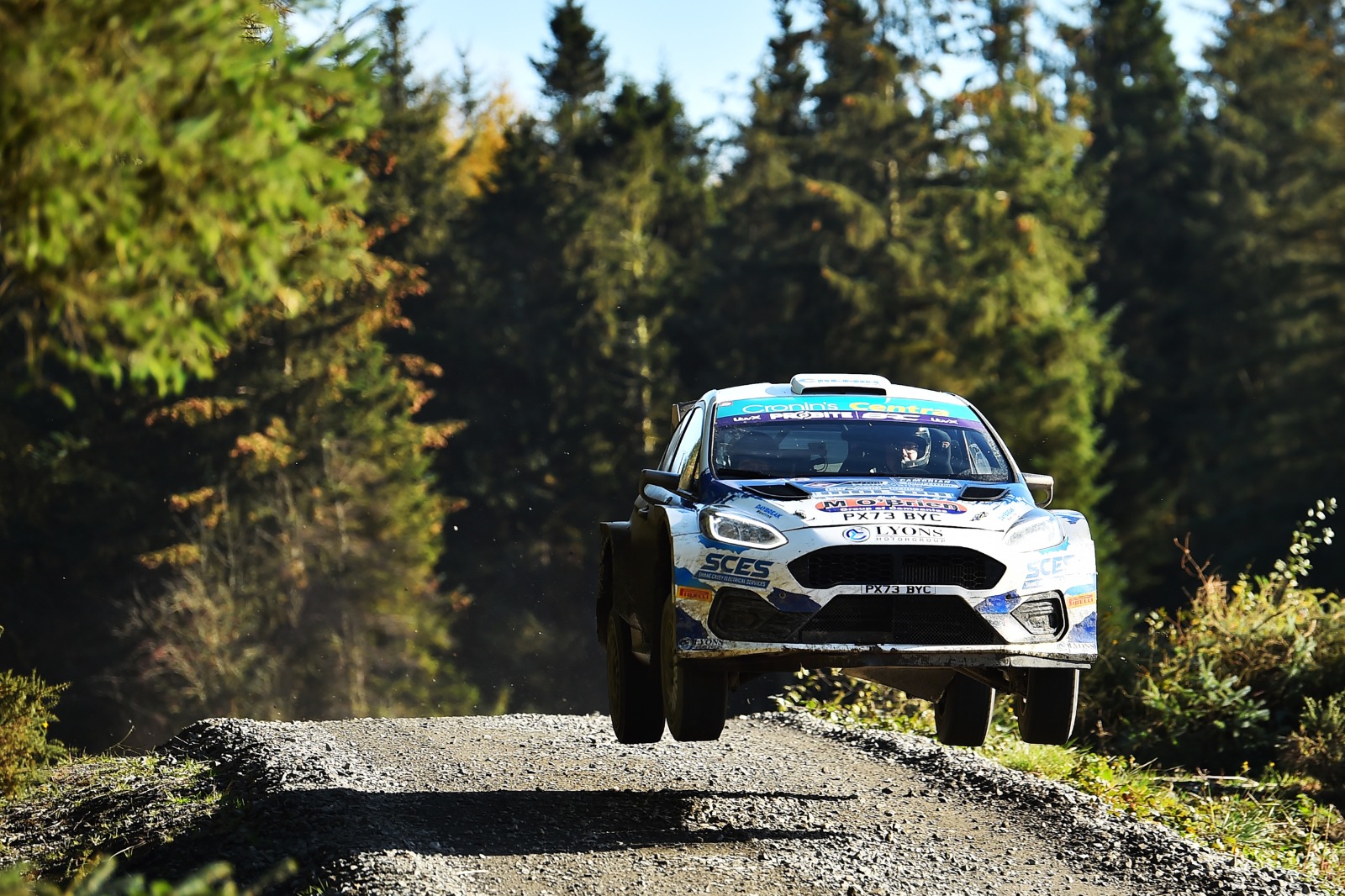
Will rallying rise to the challenge of the environmental question?
Photo by: JEP


The exciting changes afoot to transform Thruxton

Why a more open mindset is making life less stressful for serial winner Slater

New Porsche 911 Challenge car to be introduced to Sprint Challenge GB

Hurd's hat-trick heroics as he storms through Mini field at Donington Park

The Radical rise of a top prototype squad

Mini masters put on another entertaining show at Thruxton

Is this Porsche’s latest superstar?

How Lola has revived a sportscar icon in a more sustainable form

Ferrari not yet switching focus to 2027 F1 car

The verdict on the WRC Rally Chile tyre solution

Top five roles on Motorsport Jobs this week

Quartararo explains why Yamaha relationship has strained ahead of Honda move
Subscribe and access Autosport.com with your ad-blocker.
From Formula 1 to MotoGP we report straight from the paddock because we love our sport, just like you. In order to keep delivering our expert journalism, our website uses advertising. Still, we want to give you the opportunity to enjoy an ad-free and tracker-free website and to continue using your adblocker.


Top Comments