
How the conclusions from Autosport’s 2025 club grids analysis paint a mixed picture
Continuing uncertain economic times casting a shadow over national racing are countered by grassroots resilience, optimism and organisers working hard to meet the challenges

When Autosport conducted its analysis of club racing grids for 2024, it seemed that the national motorsport world was at a crossroads. For exactly half of categories with comparable data, their average field shrunk, while it stayed the same or grew for the other half. We therefore concluded that 2025 would determine whether this was a passing shower or the start of a long-term storm.
Here you can read plenty of statistics about 2025’s grids, and it seems the dark clouds have not lifted – even if there is some sunshine poking through.
On the surface, the fact that 53% of series suffered a decline last year is a worrying sign. It is the highest percentage to fall since 2022, when 60% reduced in size at the height of the cost of living crisis when Russia invaded Ukraine.
However, the number of categories that grew during 2025 was 40%, compared to just 31% the previous year. And perhaps one of the key statistics is that no series averaged 10 or fewer cars this time around, whereas there had always been at least a handful or so in the past. That illustrates clubs are taking the matter of grid sizes seriously and working to either improve or axe categories struggling to pay their way.
“Year on year the number of championships is growing, and the number of licence holders is static or declining slightly and those people have got less money” Giles Groombridge
Overall, it therefore seems a distinctly mixed picture. But, regardless of the overarching trends, there is no denying that these are far from easy times for organisers. Many are battling hard to secure every entry they can in a crowded marketplace.
“It’s still much tougher market conditions than pre-COVID,” reckons Giles Groombridge, managing director of the 750 Motor Club, which again had the joint-highest average of all clubs.
“It’s very difficult because we’re in this position where year on year the number of championships is growing, and the number of licence holders is static or declining slightly and those people have got less money.”
Despite those challenges, some clubs were able to thrive. Three of the largest organisers enjoyed an increase to their club-wide averages during 2025 and one of those was the British Automobile Racing Club.
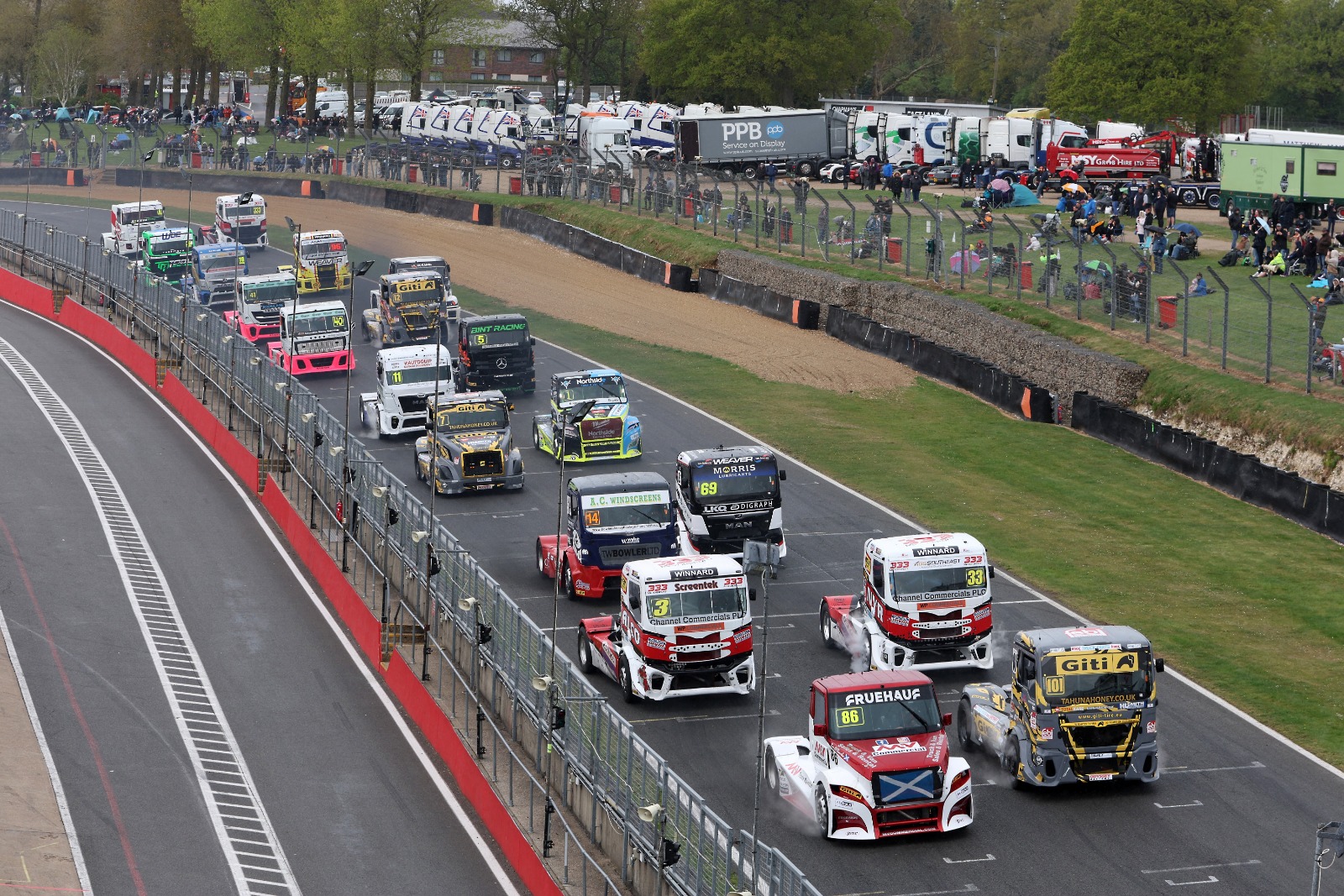
British Truck Racing was one of the BARC categories that enjoyed a strong 2025
Photo by: Gary Hawkins
“I think there’s definitely money out there for people to go racing, but people don’t have the disposable income they had a couple of years ago,” says group chief executive Ben Taylor. “If you’re trying to find a lot of money, it’s possibly easier – the stock market has never been higher.
“Trying to find a medium amount of money is maybe more difficult. The grassroots of the sport, what we see is people who somehow find money to do the things they really want to do. People really do want to go racing, enjoy it and seem quite resilient.”
It is a sentiment that Historic Sports Car Club CEO Andy Dee-Crowne shares. “It’s exciting – there are some changes in the marketplace and the market seems to be improving in terms of people coming back to race,” he says. “The back end of the year was good, with some really full meetings.”
However, it is important to remember that the UK economic picture remains challenging and there are plenty of examples of once-thriving categories, such as British GT, that have suffered a downturn and are now having a rethink for 2026. Amid staff changeover at the BARC, Taylor crafted the club’s calendar himself and has cut his cloth accordingly, wary of buying too much track time.
“What I really didn’t want to see was having a glut of time left over that I then had to sell somehow to others. I focused much more on what we needed” Ben Taylor
“Some people are really optimistic about 2026, others say it looks tough,” he says. “We’re running fewer race meetings this year – we’re dropping by about 20%. That’s been a deliberate decision on my part. What I really didn’t want to see was having a glut of time left over that I then had to sell somehow to others. I focused much more on what we needed.”
Admittedly, the club did need less amid the departure of the Caterham Graduates and 2CV categories, but it is still a sizeable reduction in event numbers. This brings benefits in terms of lessening the burden on volunteers and is to be welcomed.
Several of the largest organisers have been guilty of buying track time they simply did not need in recent years, at a heavy financial cost, but it is worth remembering that, were every club to slim their schedules quite so significantly, the smaller players may struggle to find dates.
That is just one of the many balancing acts organisers must manage. We shall know this time next year if they judged correctly, and also whether those dark clouds continue to linger.
This article is one of many in the monthly Autosport magazine. For more premium content, take a look at the February 2026 issue and subscribe today.
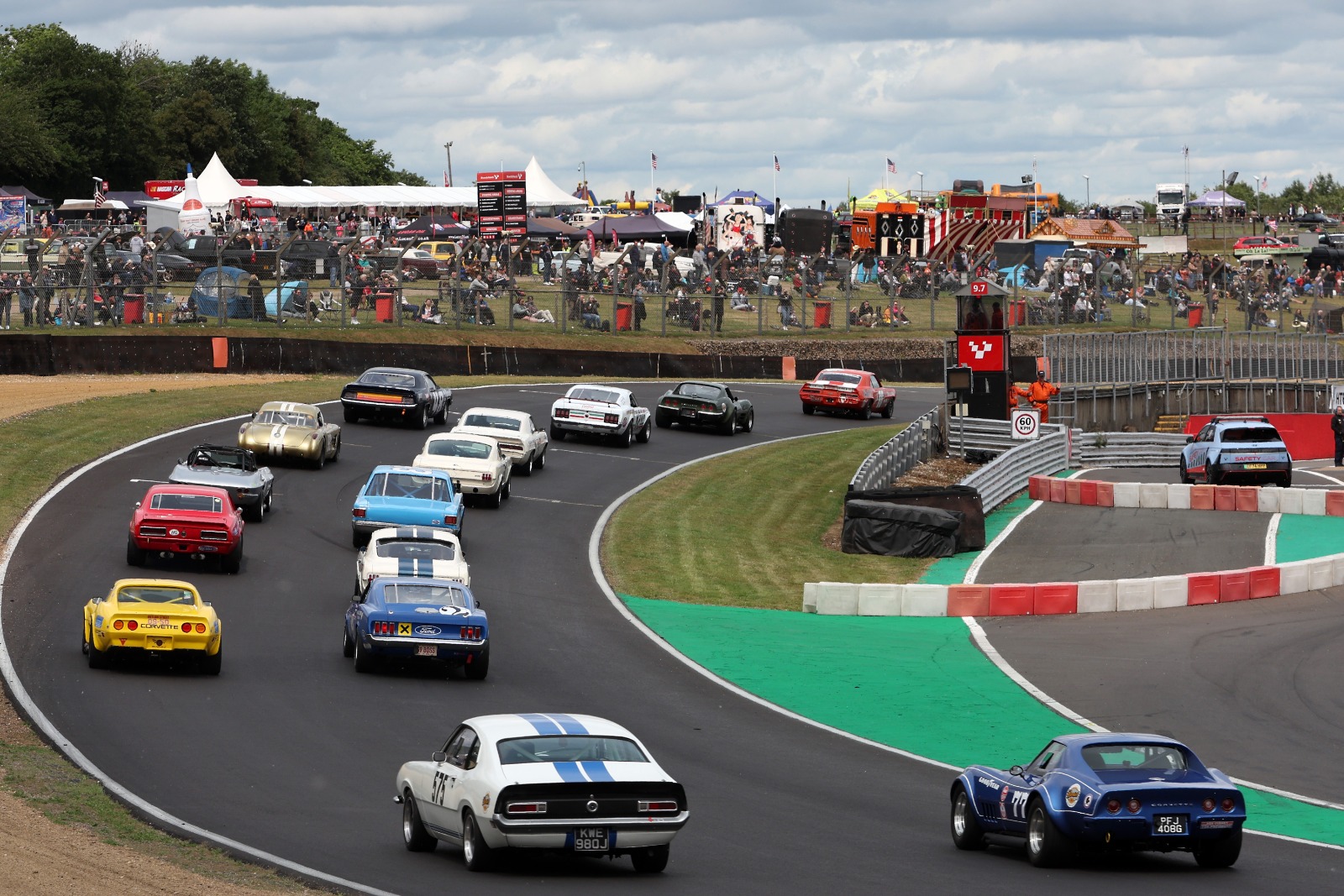
It will be interesting to see if 2025's trends continue into this year
Photo by: Gary Hawkins


The exciting changes afoot to transform Thruxton

Why a more open mindset is making life less stressful for serial winner Slater

New Porsche 911 Challenge car to be introduced to Sprint Challenge GB

Hurd's hat-trick heroics as he storms through Mini field at Donington Park

The Radical rise of a top prototype squad

Mini masters put on another entertaining show at Thruxton

Is this Porsche’s latest superstar?

How Lola has revived a sportscar icon in a more sustainable form

Acosta's long road to his maiden MotoGP win

MotoGP Austrian GP: Acosta finally claims maiden win

Great debate: Which circuit should host the F1 2026 finale if the calendar has to change?

Live: MotoGP Austrian Grand Prix updates as it happens
Subscribe and access Autosport.com with your ad-blocker.
From Formula 1 to MotoGP we report straight from the paddock because we love our sport, just like you. In order to keep delivering our expert journalism, our website uses advertising. Still, we want to give you the opportunity to enjoy an ad-free and tracker-free website and to continue using your adblocker.


Top Comments