
The 17 penalties that led to a bizarre timetable issue
OPINION: An unprecedented 17 alleged cases of gaining an advantage at Thruxton’s Club chicane in Ginetta Junior made for a set of truly baffling events, and poses further questions about the consistency of penalties in such situations

The Club chicane at Thruxton has to be one of the most entertaining places to watch motorsport in the country. You are virtually guaranteed to see plenty of action there, particularly with single-seaters slipstreaming up Woodham Hill or in closely fought categories with huge entries, such as the Mini Challenge Trophy last weekend.
But, in well-populated championships where the cars and drivers are evenly matched, the nature of the tight chicane can also create driving-standards difficulties.
Drivers entering Club side by side – or sometimes three or four abreast! – have a decision to make. Either try to make it around the corner on track but risk contact with a rival, or hit the tyre stack that sits on the inside, or take avoiding action by cutting part of the corner. In some cases, that last option can be best, and not because it’s the quicker route, but because it’s safer.
But it must be noted that the number of times drivers cut the chicane at last weekend’s British Touring Car Championship meeting did seem exceptionally high. Equally, it has to be considered that it is such a great place for overtaking, so drivers should not be overly deterred from making a move there.
And so that sets the scene for a sequence of events that bordered on the farcical. The second Ginetta Junior contest, held on Saturday afternoon, was particularly problematic and featured plenty of Club corner cutting. On Sunday morning, a total of 17 10-second penalties were handed out by the clerk of the course between 12 different drivers. Cue bafflement in the paddock, and a lengthy queue at the stewards’ door.
In the end, seven of those drivers were able to successfully appeal their penalties. And not just to a less harsh sentence, but to have no penalty at all. But all of that toing and froing took time.

Deluge of indiscretions took time to sort out and required a timetable reshuffle before a race three grid could be confirmed
Photo by: Jakob Ebrey Photography
With the third Ginetta Junior contest scheduled for 1325 and the grid determined by the result of race two, it had to be pushed back and, with the consent of the organisers, the British Formula 4 race was brought forward. It all amounted to a situation that did not look good for any of those involved.
“The dishing out of penalties is done by the clerk of the course, and he’s assigned to us by Motorsport UK and [organising club] British Automobile Racing Club,” explains Ginetta motorsport manager Ash Gallagher. “The clerk said there was a specific problem in that race with the amount of corner cutting that went on. They took all the footage away to review overnight and additional clerks assisted with this.
“Part of the problem is the process isn’t a quick one. It was just an unfortunate set of circumstances where the incidents fell in race two and that required a grid to be generated for race three – and you can’t make that grid up.
“With the benefit of hindsight, could anything have been done differently? Maybe a lesser penalty wouldn’t have riled everyone as much. But sometimes you’ve got to make a stand and the clerk is always doing what they feel is best.”
There is no disputing this is a tricky situation, and balancing the discouragement of bad behaviour with not being overly harsh in penalising drivers is no mean feat. But, equally, some of the specific circumstances in this case are just bizarre.
What would have happened if British F4 teams and drivers were not ready to have an earlier race? Ginetta Junior appeals were still being heard, so how could an accurate grid be formed?
Several of the appeals were successful on technicalities, such as the incorrect lap being cited on the initial penalty. Yet some of the other drivers who were censored had given back any places they inadvertently gained, potentially losing more time in the process, and were still slapped with an additional 10s. And that raises some serious questions over the judgement of them being penalised in the first place.
Other issues include a standard 10s being applied in every case – traditionally, places are just reversed. Take the blatant corner cutting employed by Matias Zagazeta in the opening British F4 encounter. That was far more advantageous than many of these Ginetta Junior examples, and yet he was penalised by just one second, to drop him to runner-up – despite doing it twice. The lack of consistency here is worrying to say the least.

Zagazeta's penalties were more lenient than those applied to the Ginetta Juniors
Photo by: Jakob Ebrey Photography
Then there is the timetabling issue. What would have happened if British F4 teams and drivers were not ready to have an earlier race? Ginetta Junior appeals were still being heard, so how could an accurate grid be formed?
The sheer volume of hearings meant this was not the work of a moment but, given the significance of the race in setting the grid, getting the penalties issued on Saturday so that appeals could begin immediately on Sunday morning (the first penalty was only applied at 1000) would surely have been advantageous.
A look at the wording on the appeal forms highlights the frustration felt – phrases like “gross miscarriage of justice” and “we also want to bring to your attention the way this decision was dealt with” do not make for pretty reading.
Clerks of the course have a difficult job and have to make tricky decisions within the framework they are given. But sometimes baffling cases such as this arise. For the sake of preserving the image of the individuals and organisations involved, it must not happen again.
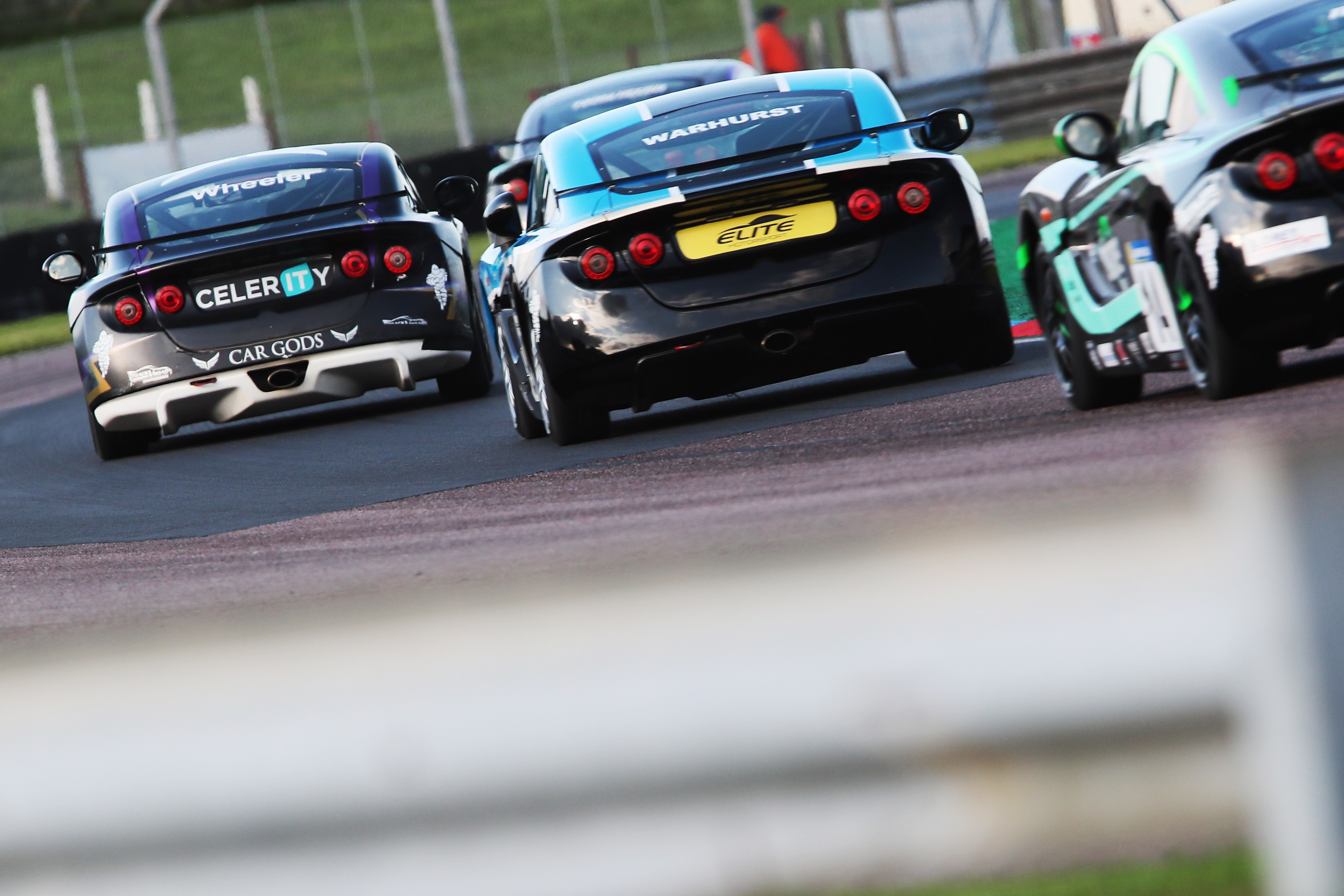
Confusion around race weekends isn't a good look for anybody. Now lessons will need to be learned
Photo by: Jakob Ebrey Photography


Dramatic Mini fight goes to the wire as Ovenden wins title by a point at Brands Hatch

McLaren junior Van Langendonck secures British F4 title

Voisin grabs Carrera Cup crown early despite messy Silverstone opener

The exciting changes afoot to transform Thruxton

Why a more open mindset is making life less stressful for serial winner Slater

New Porsche 911 Challenge car to be introduced to Sprint Challenge GB

Hurd's hat-trick heroics as he storms through Mini field at Donington Park

The Radical rise of a top prototype squad

How Antonelli will manage the pressure as F1 coronation looms

Verstappen warns COTA bumps are “unacceptable” and “out of control”

Why Colapinto spoke out against abuse targeting his own F1 team

Sainz yet to be "convinced" that F1 2026 will finish in the Middle East
Subscribe and access Autosport.com with your ad-blocker.
From Formula 1 to MotoGP we report straight from the paddock because we love our sport, just like you. In order to keep delivering our expert journalism, our website uses advertising. Still, we want to give you the opportunity to enjoy an ad-free and tracker-free website and to continue using your adblocker.


Top Comments