
How Roger Clark’s 1976 RAC Rally success answered the doubters
Already an RAC winner, the British star looked like a waning force by 1976 – but then pulled out a stealthy drive on home ground against a quality field
Autosport Retro
Telling the forgotten stories and unearthing the hidden gems from years gone by.
British rallying’s tallest tree was reckoned by some to be withering. Winless since January, this four-times national champion had been usurped by a dashing Finnish prince. Even Roger Clark’s 1976 RAC Rally co-driver was beginning to wonder: “I was getting a bit frustrated that we weren’t winning from day one.”
He admits that he should have known better. He was far from alone in this reassessment.
Stuart Pegg, a Manchester-born son of an RAF father, is the former City-based financier of South African upbringing who guided Clark – using road book and accurate odometers in the absence of maps and stage arrows – to victory in Transvaal’s Total Rally of 1975.
He also admits to having been somewhat wrong-footed by British methods upon their reunion. “Somebody gave me all these wonderful Ordnance Survey maps,” he says. “The service planning was very complex, and [team coordinator] Charles Reynolds pointed out that one of the service points I had plotted was in the middle of Kielder Water!” The dam’s construction had only recently begun.
Pegg continues: “People were telling me that the more experienced co-drivers used marked maps, even though they weren’t supposed to. I never worried about a cockpit inspection, because we never used them. I read the map on the Great Orme stage, but I think Roger knew it better than I was reading it.
“And so, I was a bit disappointed, in that I didn’t have anything like the amount to do because of all the arrows [at junctions]. Plus, Roger’s experience of those stages was immense. But this was the high spot of my career – and I made the most of it.
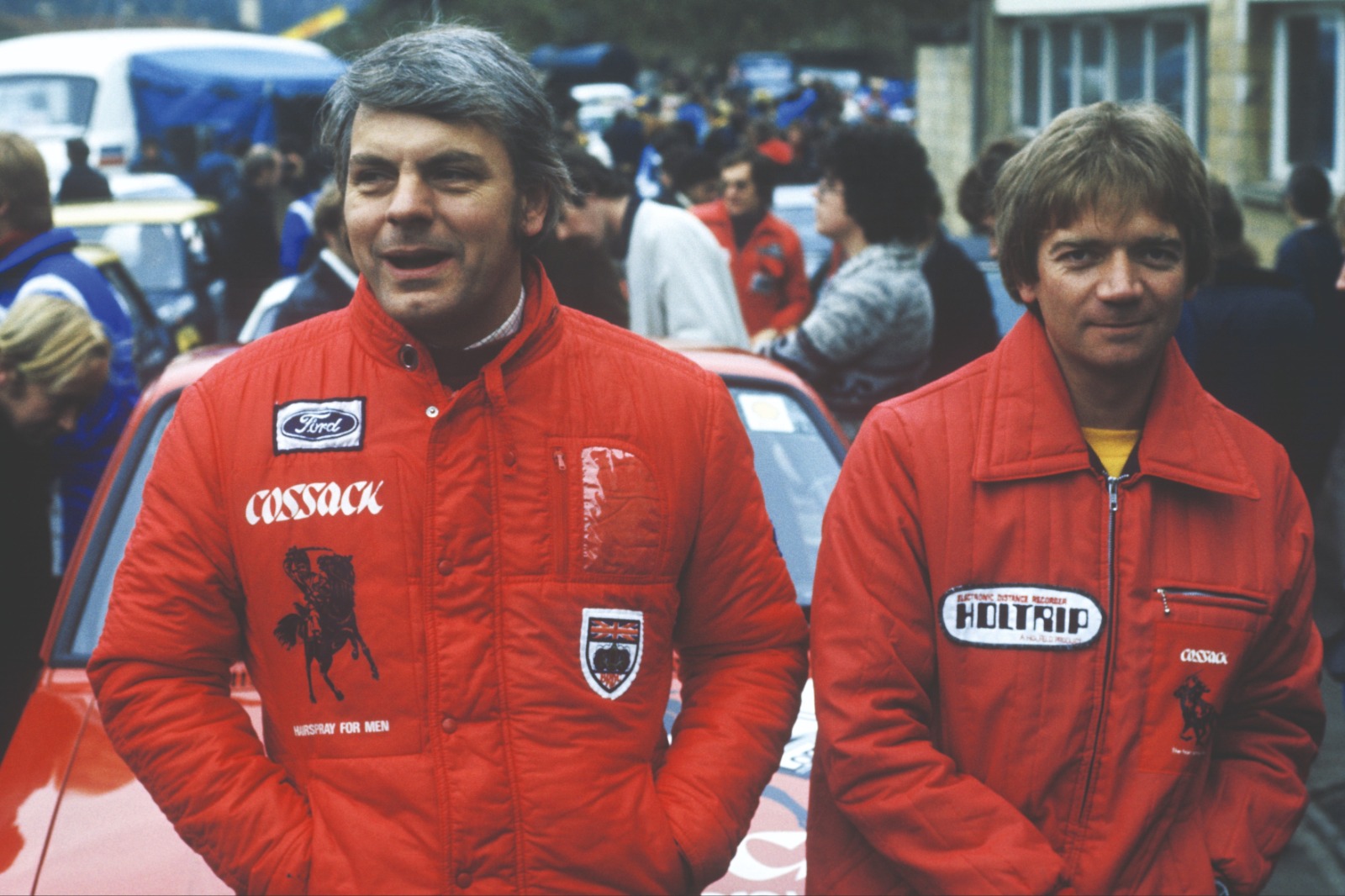
Co-driver Pegg (right) got along well with Clark, relishing his opportunity
Photo by: Mcklein
“He and I got on very well. Normally, Roger was quite reticent. If he’d had a few pints, he was the life and soul, but he wasn’t a great conversationalist. But I’d made my career out of telling the odd joke and being cheery. We chatted about all sorts. It was very pleasant.
“The only thing is, I had to keep up with him in the bar. It didn’t make any difference to him. He seemed to drive even better with a hangover.
“The balance of that Escort was incredible, especially in those conditions. Roger’s flow was unbelievable. Very impressive. And that BDA engine made an incredible sound when sucking on full throttle.”
“The balance of that Escort was incredible, especially in those conditions. Roger’s flow was unbelievable. Very impressive” Stuart Pegg
Clark had won the RAC in 1972, and finished runner-up in 1973 and 1975, each time co-driven by Tony Mason. (Regular navigator Jim Porter had been co-opted to organise Britain’s premier rally.) Although he could not be discounted, clearly, he was far from being the bookies’ favourite on this occasion.
His Boreham-prepared RS1800 – registered POO 505R, and memorably sponsored by Cossack hairspray – was seeded at six in a 200-car entry containing 13 manufacturer teams, including Wartburg, eight national champions, and 58 Ford Escorts. (A further 39 competitors were to tackle the two-day Clubman Trophy Rally held over the RAC’s second leg.)
Ford’s Timo Makinen was seeking a fourth consecutive RAC win. He was followed away from the Saturday start in Bath by: Markku Alen’s Fiat 131 Abarth, fresh from victory on the 1000 Lakes Rally; 1971 RAC conqueror Stig Blomqvist’s new Saab 99 EMS; Hannu Mikkola’s Toyota Celica, co-driven by Jean Todt; Sandro Munari, in the world championship-winning Lancia Stratos; Walter Rohrl’s Opel Kadett GT/E; and Tony Pond’s revised – an updated engine by Don Moore, and a quicker steering rack – Triumph TR7.
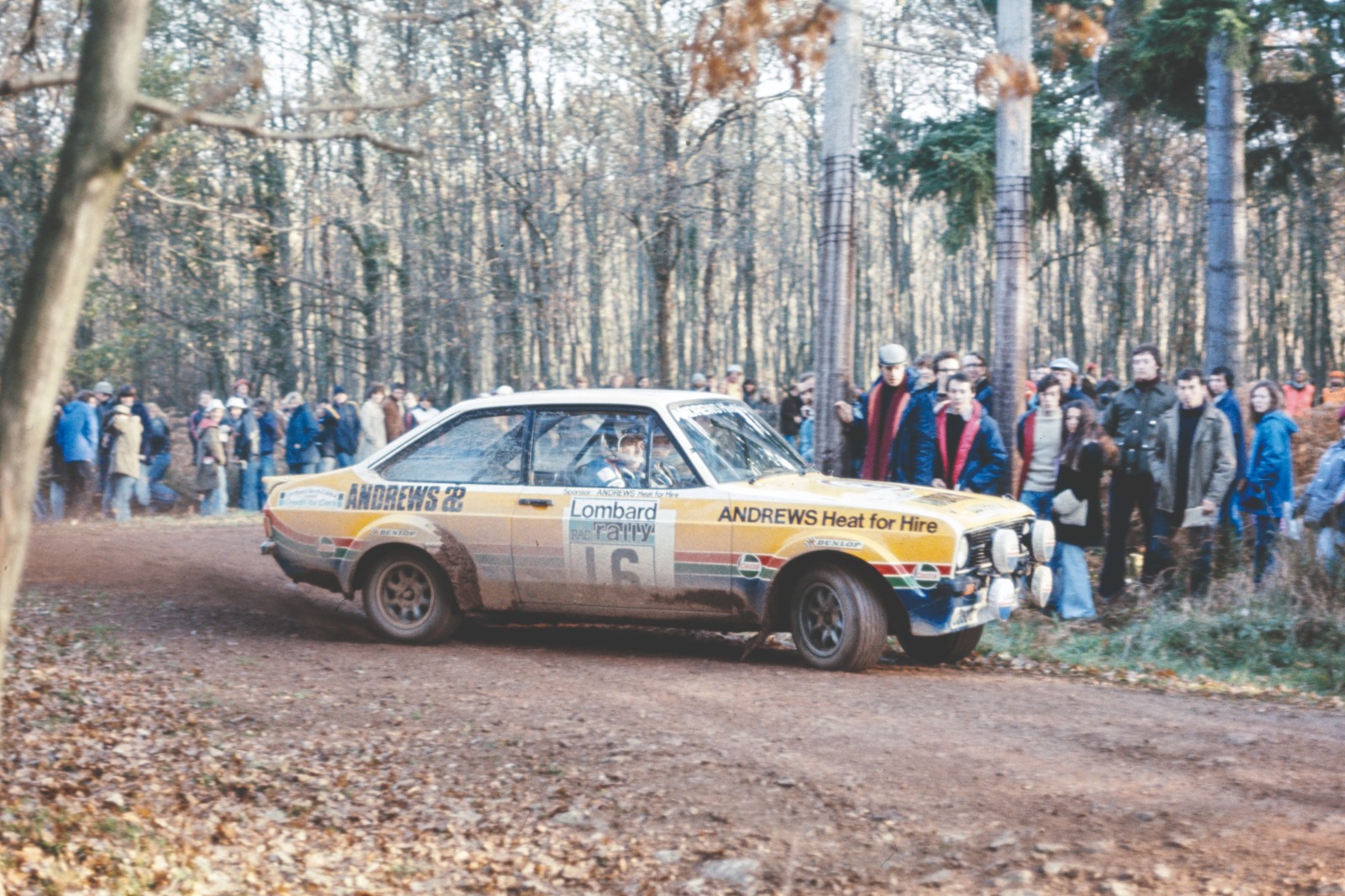
Blown head gasket put paid to Escort privateer Brookes’s early challenge
Photo by: LAT/Getty Images
The entry would have been stronger still had not Lancia thrown a hissy fit upon getting wind of Bjorn Waldegard’s impending move to Ford. Reseeded 32, the Swede would spend the event learning his new mount – and would finish third.
Ari Vatanen was many people’s pick. Sure enough, the 24-year-old ‘British’ champion’s works Escort took the lead on SS5, when Mikkola lost 20 minutes due to fuel injection bother. Meanwhile, Makinen, who had rolled on the first forest stage, retired because of damage accrued.
The guard was a-changing. Escort privateer Russell Brookes, British pretender to Clark’s crown, was giving spirited early chase to Vatanen. Whereupon both suffered a terminal engine issue: a broken valve spring for Ari, and a blown head gasket for Russell.
A new leader had swept in under the radar after 10 stages. Chubby and bespectacled Pentti Airikkala had finished a close second to Alen in Finland despite battling a tyre disadvantage. His David Sutton-prepared Escort, seeded 22, was this time running Dunlops rather than team sponsor Avon’s wares. Consistently fast, an impressive sequence of five best times in ‘Killer Kielder’ during the early morning of a dank Sunday helped him to a 2m41s lead at the Bath overnight halt. He insisted, however, that he was driving at only nine tenths.
The chasing Clark was holding even more in reserve. In truth, he was not yet giving chase. A second-placed Pond – another pretender to his crown – had been ahead of him entering Kielder, only for the Triumph to suffer a costly eight-minute puncture. Promoted Alen was then slowed by gear selection issues. Clark, whose gearbox was changed as a precaution in Carlisle, contented himself with four fastest stage times – compared to Airikkala’s 16 – on the opening leg.
“First and foremost, he wanted to finish,” says Pegg. “That’s why he avoided ‘the Grand Prix’ from the start. He was taking his time. But he knew exactly where we were at. His was a very considered approach.
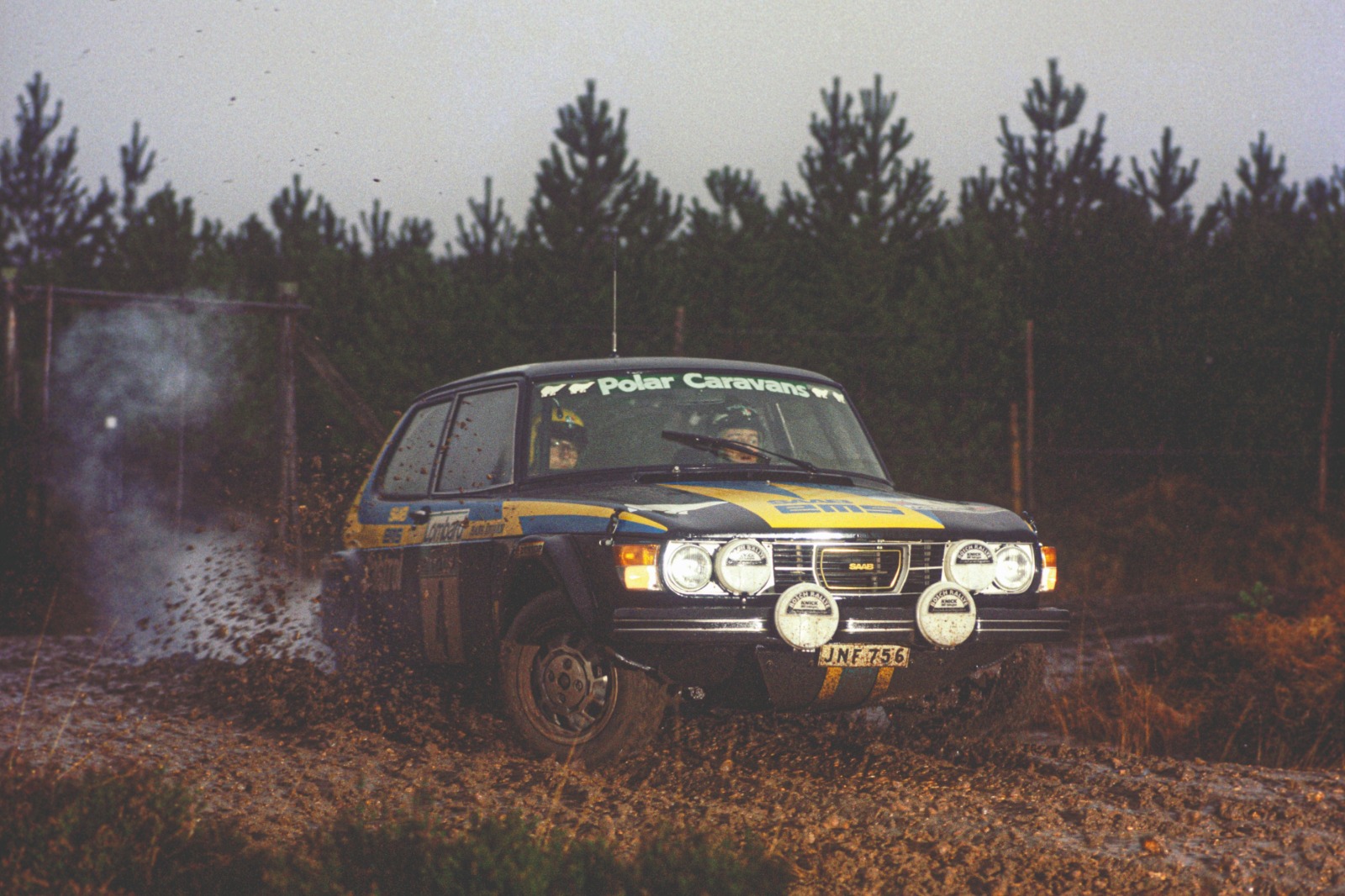
Threat from Blomqvist ramped up as he got to grips with his new Saab 99 EMS
Photo by: McKlein
“I had just won the South African Championship with Jan Hettema, a former Olympic cyclist, who was very intense. Whereas Roger was very chilled: ‘Come down and have a beer.’ In the middle of an RAC Rally!”
The first half had been about finishing. The second half would be about winning.
Back in 1972, Clark had led pretty much throughout. Though he absorbed the public and private pressure brilliantly, he had no wish to repeat that unanticipated, unintentional experience. Now 37, his plan this time was to wait until the route’s culminating figure-of-eight through Wales before maximum-attacking.
“I had just won the South African Championship with Jan Hettema, who was very intense. Whereas Roger was very chilled: ‘Come down and have a beer.’ In the middle of an RAC Rally!” Stuart Pegg
By which time Airikkala’s sturdy defence was already weakening: his engine began to lapse intermittently onto three cylinders on the final stage of a West Country loop of ‘Mickey Mouse’ stages. A bent valve was diagnosed.
Worse, he had been reported for booking into the Weston-super-Mare seafront time control one minute beyond permitted lateness. He continued – “without much enthusiasm,” according to Autocar – under appeal and the threat of exclusion.
“I listened to it all on the team radio,” says Pegg. “There was a strong rivalry between the works team and David Sutton’s team, and rules are rules, but I felt for them.
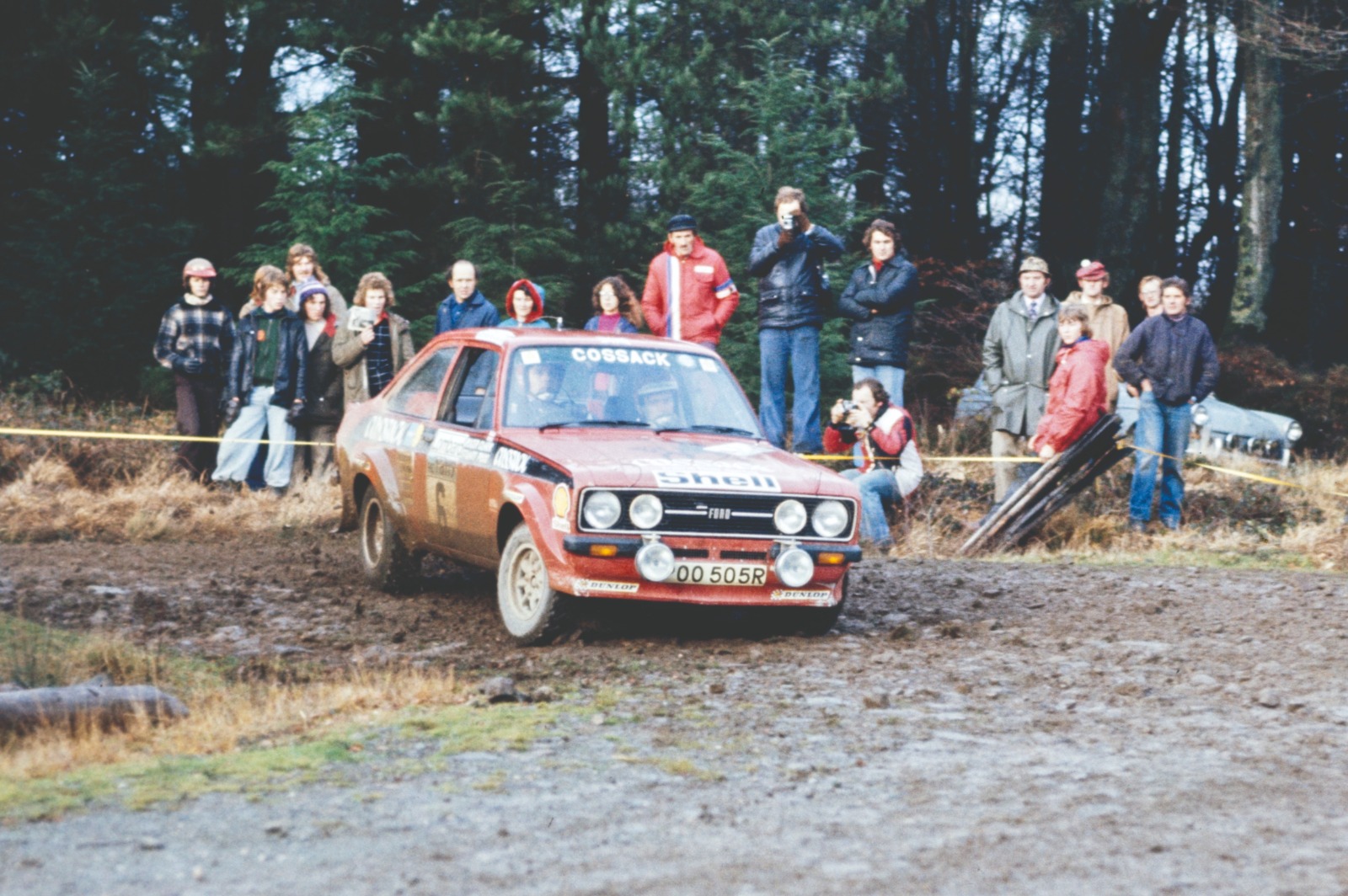
Clark’s considered approach prioritised making the finish
Photo by: LAT/Getty Images
“Everything was in abeyance, but Roger just got on with it. At the end of each stage, he would jump into the passenger seat and go to sleep. The minute my revs went up, however, he would open an eye and tell me to slow down.”
Clark shone during that final rainy night. Fastest through Hafren, the longest stage, and on three of the four runs through Clocaenog, plus on both tests in Dyfi, he drew nearer to Airikkala. He had also gained a minute on Blomqvist, whose threat had been increasing as he got to grips with his impressively reliable but overtly heavy car.
That the necessary luck was also with Clark had been proved when his right-front suspension strut collapsed in Kinmel Park army training ground, near Abergele.
“We went through the flying finish with its wheel dragging under the car,” says Pegg. “Fortunately, there was a floating service crew waiting for us. But had it happened half a mile further up the road, that might have been it.”
Fittingly, this epic four-day, 2000-mile battle over 71 stages – five had been cancelled due to November flooding and spilling floods of undaunted spectators – was to be decided on the open road rather than behind closed doors.
Had Sutton, who was sure that his team’s appeal would prove successful, not been waylaid when his management car broke down, Airikkala’s tired clutch assembly would have been replaced. Instead, it was merely readjusted. It failed with four stages to go.
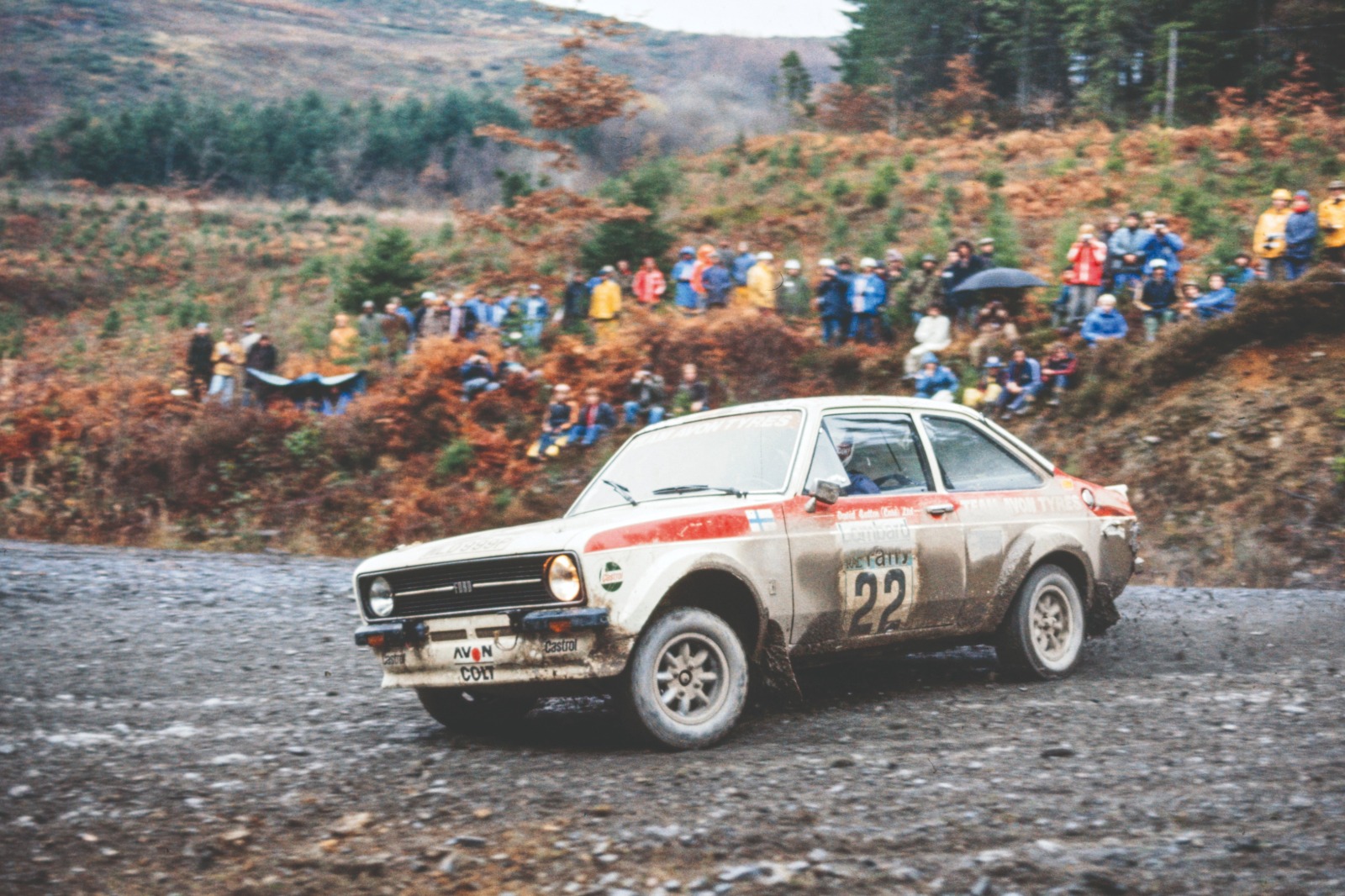
Airikkala’s clutch failure rendered his timekeeping infringement moot
Photo by: LAT/Getty Images
Clark was fastest on all of those remaining stages, and beat Blomqvist by 4m37s. (Their gap in 1972 had been 3m25s.) His was the first win for a British driver since the 1973 inception of the World Rally Championship (for Manufacturers). And it would remain the only such until Colin McRae prevailed for Subaru in New Zealand in 1993.
“Roger had done his job, and done it well,” recounts Pegg. “He had achieved what he expected of himself. Obviously, he was happy. But he wasn’t the sort to go from depression to ecstasy, or vice versa.
“I mean, we had a great party. That covered a couple of days. I went to bed for a while in the middle of it. When I came back down, all the Swedes were still drinking.”
The fun was serious, too.
This article is one of many in the monthly Autosport magazine. For more premium content, take a look at the December 2026 issue and subscribe today.
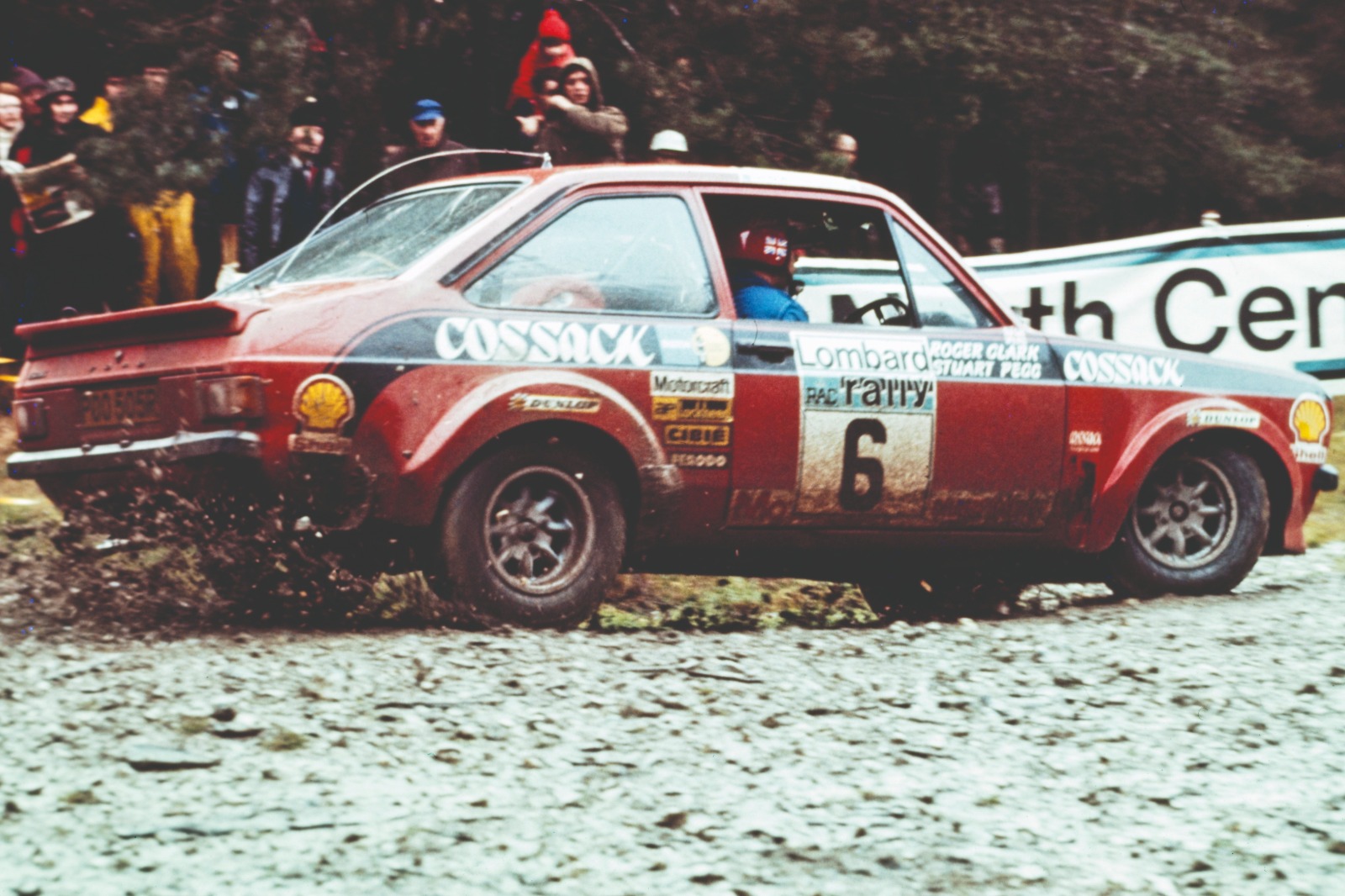
Clark kept his powder dry, waiting until the later stages before fully attacking
Photo by: LAT/Getty Images

How Brabham took advantage of F1’s 1966 ‘return to power’

Nuvolari vs Varzi: grand prix racing’s first great rivalry

The story of Jim Clark’s remarkable 1965

Was this the craziest British Grand Prix ever?

The full story of Lola - so far

The German legend who raced and beat Nuvolari

When a breakaway series tried and failed to usurp F1

The secret Tyrrell that started an F1 dynasty
How Roger Clark’s 1976 RAC Rally success answered the doubters

MotoGP Valencia GP: Marquez ends first day of final MotoGP weekend on top

F1 Qatar GP: Antonelli leads Russell in opening practice

LIVE: F1 Qatar GP updates - Antonelli leads Russell in FP1
Subscribe and access Autosport.com with your ad-blocker.
From Formula 1 to MotoGP we report straight from the paddock because we love our sport, just like you. In order to keep delivering our expert journalism, our website uses advertising. Still, we want to give you the opportunity to enjoy an ad-free and tracker-free website and to continue using your adblocker.


Top Comments