
The divide in grid numbers at the start of the 2025 national racing season
Single-seater racing has suffered a fallow period in the UK for a few years, but an impressive 70 drivers competed across the three premier British championships last weekend. Yet an analysis of grid numbers shows not every series has enjoyed such a strong start to 2025

It was not all that long ago that top-level single-seater racing in the UK was in the doldrums. British Formula 4 entries were barely scraping into the teens and BRDC British F3 was hovering around the 20 mark – and that was it. The halcyon days of ‘proper’ F3 and Formula Renault championships were long since over.
But last weekend told a very different story. The three main UK single-seater championships were all in action and an incredible 70 drivers were competing across the GB3, GB4 and British F4 triumvirate. A new car (effectively the old GB3 machine) has reinvigorated GB4 and it has now found a purpose. Grids that had barely mustered double figures were catapulted up to 25 for the first round.
GB3 numbers are also up with its new, more powerful, DRS-equipped car, while F4 is looking solid in the low twenties, with several entries due to join later in the year. It’s quite the turnaround, and the hard work of the organisers to ensure these categories remain relevant to those with F1 aspirations must be celebrated. Although, before we get too carried away, it is worth remembering that over 40 drivers are contesting Italian F4 alone this year…
While single-seaters were suffering that fallow period in the UK, sportscars were booming. Yet now the opposite scenario is potentially developing. British GT had successfully weathered the pandemic and cost-of-living-crisis storms and enjoyed some bumper grids. But only 26 cars participated in the Donington Park opener, significantly fewer than the 36 the series averaged last year.
Similarly, the Porsche Carrera Cup GB dipped to a grid of 17 for its own Leicestershire curtain-raiser – well down on the mid-twenties of the past – with a number of its drivers moving on to pastures new and not replaced by rookies. One possible explanation for these series’ declines could be the fact that GT3 machinery is now a sizeable part of the World Endurance Championship, offering a more realistic route for some of the top amateurs onto the world stage and presenting more options for factory-backed youngsters.
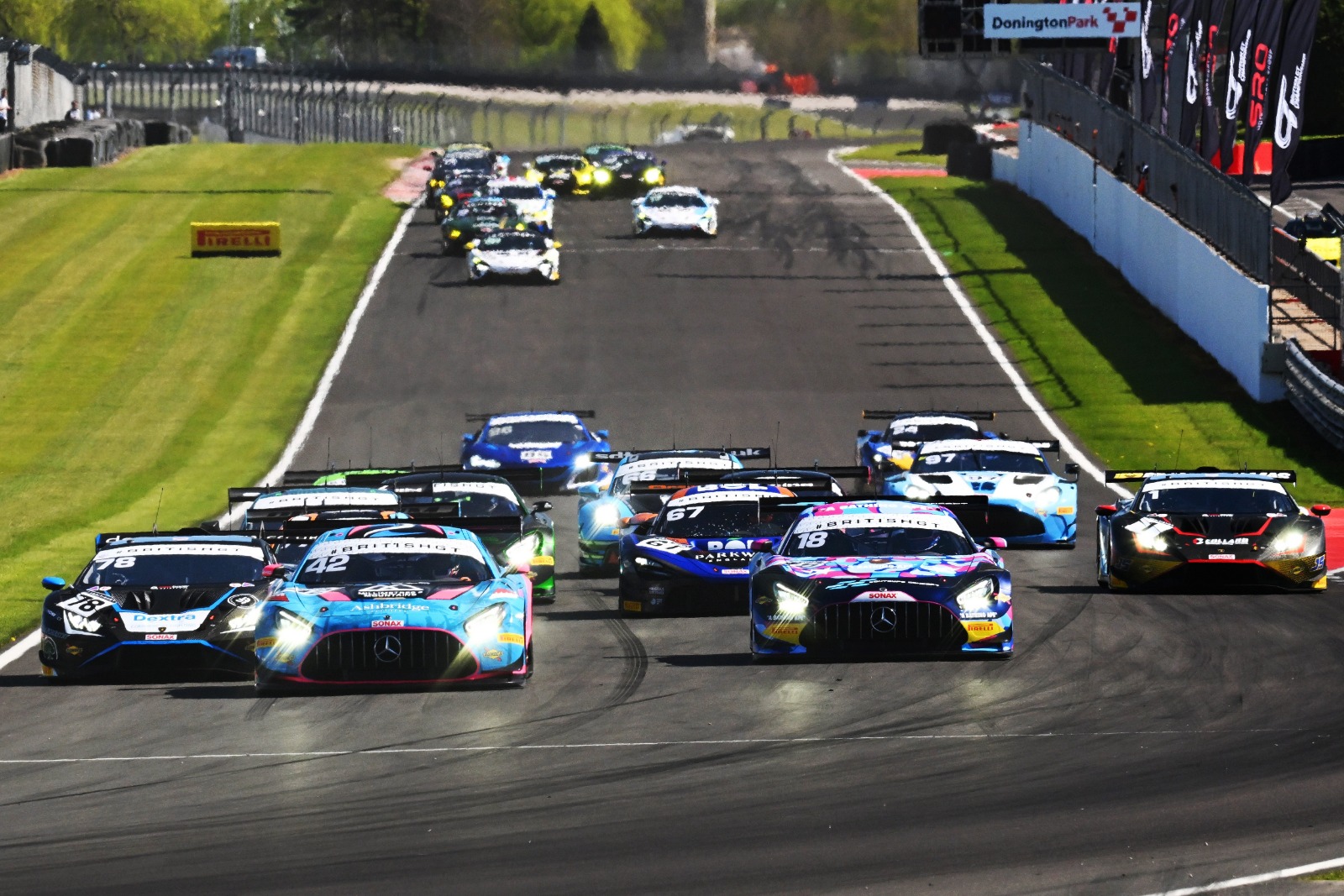
British GT numbers have dipped slightly this season compared to previous highs
Photo by: JEP
Those contrasts between the premier single-seater and sportscar categories are reflected throughout national motorsport. The vast majority of series have now held at least one event in 2025, which means we can take stock of the initial race meetings and assess the trends. Of the 109 English series that existed in a similar form last year, exactly 50% of them enjoyed a larger grid at their 2025 opener than they averaged over the whole of last season. Then we have 42% declining compared to their 2024 average, and the rest staying the same.
On the surface, half the championships growing sounds good – but it should be expected that the majority of them would be doing so. After all, entry numbers are often greater at the start of the year before budgets run out or drivers lose interest if they slip down the championship table. And, aside from a bunch of 750 Motor Club divisions that began at Croft, all of these series commenced at the core and most-frequented UK circuits – principally Silverstone, Donington Park and Brands Hatch. The 2024 averages include the lower grids that often turn out at more distant venues, again meaning that the majority should boast larger opening-round entries. The fact that ‘only’ half have increased could be a troubling warning of what is to come.
There are individual factors behind the differing fortunes between categories, but there is no escaping the uncertainty that pervades the global economic climate
Nevertheless, there are some fantastic success stories. Take the 46 cars that entered the CNC Heads Sports/Saloons opener at Oulton Park across two grids – well up on the 28 the British Automobile Racing Club championship averaged in 2024. Or the Focus Cup, which has been bolstered by the introduction of a new ST250 class for this year and enjoyed 27 and 28-car grids for its first events of 2025, well up on the mid-teens it has historically featured.
Speaking of historics, there has been plenty of work behind the scenes to rejuvenate the Historic Formula Ford 1600 championship. Twenty-nine cars at the first Snetterton round was a fantastic start, although it must be noted that some of the Historic Sports Car Club’s other grids were looking thin in Norfolk, with Historic F3 and Historic FF2000 especially down compared to last year.
Obviously, there are individual factors behind the differing fortunes between categories, but there is no escaping the uncertainty that pervades the global economic climate. The true impact of Donald Trump’s tariffs has yet to be seen (not least because of the constantly changing policies emanating from the White House, seemingly on a whim). That could affect us all, and how these grid numbers will look come the conclusion of the year is therefore impossible to predict.
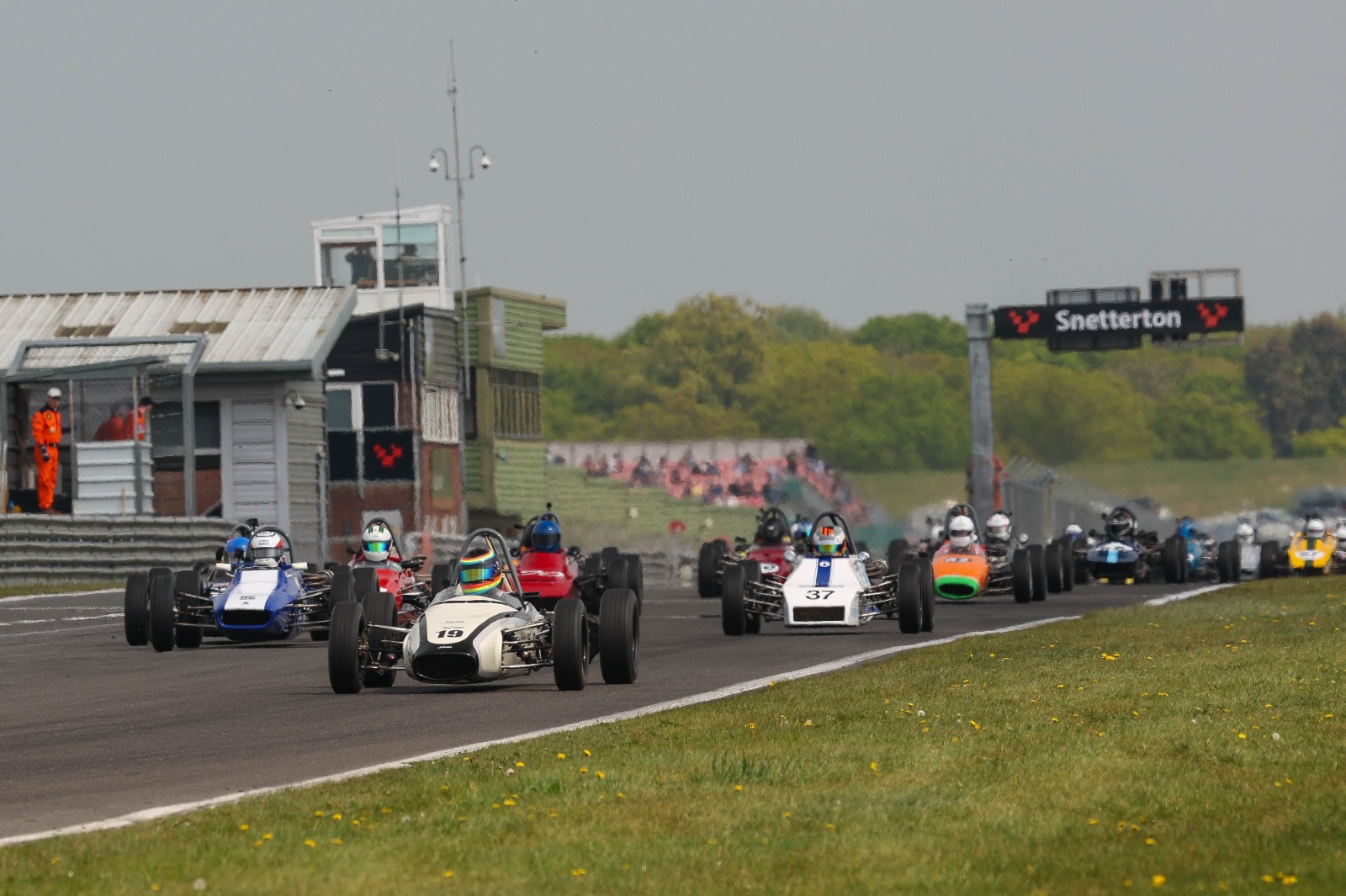
Work to boost the Historic Formula Ford 1600 field paid off at Snetterton, although some other HSCC grids were small
Photo by: Richard Styles


The exciting changes afoot to transform Thruxton

Why a more open mindset is making life less stressful for serial winner Slater

New Porsche 911 Challenge car to be introduced to Sprint Challenge GB

Hurd's hat-trick heroics as he storms through Mini field at Donington Park

The Radical rise of a top prototype squad

Mini masters put on another entertaining show at Thruxton

Is this Porsche’s latest superstar?

How Lola has revived a sportscar icon in a more sustainable form

Ferrari not yet switching focus to 2027 F1 car

The verdict on the WRC Rally Chile tyre solution

Top five roles on Motorsport Jobs this week

Quartararo explains why Yamaha relationship has strained ahead of Honda move
Subscribe and access Autosport.com with your ad-blocker.
From Formula 1 to MotoGP we report straight from the paddock because we love our sport, just like you. In order to keep delivering our expert journalism, our website uses advertising. Still, we want to give you the opportunity to enjoy an ad-free and tracker-free website and to continue using your adblocker.


Top Comments