
The unpopular BMW stalwart built for the big occasion
It has won most of the big prizes in endurance racing across its six years in service, but the BMW M6 GT3's key weaknesses meant only a devoted few teams persisted with running it. As it prepares to bow out at season's end, the teams and drivers involved in its story share the secrets of an unpopular winner

It has a roll of honour that would be the envy of many major manufacturers. Twice a winner of the Spa 24 Hours, the BMW M6 GT3 has conquered the Nurburgring 24 Hours, the Macau FIA GT World Cup, and been a serial winner in the Nurburgring Langstrecken Serie (NLS, formerly VLN). One of four cars to win a race in the first season of the DTM’s new era in 2021, it stands a good chance of winning two major titles in its swansong season, five years after its 2016 introduction.
So it will be remembered fondly in the history books. Yet for all its on-track successes, the M6 GT3 has been commercially unsuccessful beyond a hardcore base of stalwart BMW squads that have kept it winning against more fashionable opposition, and unpopular with amateur drivers who are the backbone of the global formula.
In an era when GT3 cars are increasingly homogenised by a requirement for customers of variable experience to be capable of driving fairly close to the limit that a professional can extract, the M6 has been something of an outlier. It excels in high-speed corners, but has traditionally struggled with the tight, twisty sections where the majority of lap time is to be found. It’s perhaps no surprise that the M4 GT3 due to replace it next year is intended to be more of a compromise.
“I’m looking forward to a more well-rounded car that has a chance on some of the tighter road courses,” says stalwart M6 runner Will Turner, whose eponymous Turner Motorsport squad has entered the car in the IMSA SportsCar Championship continuously since 2016. “I would give up the strengths of the M6 in the high-speed stuff for a more well-balanced car in everything else.”
But, as Turner points out, the end of the road for the M6 could also prove to be a significant philosophical moment as BMW toes the same line as everybody else.
“You can also argue the point of, ‘If all the cars are generic and they all do everything pretty well, then what’s going to separate the character of the cars?’” he says. “It’s going to be a bitter-sweet ending to the M6.”
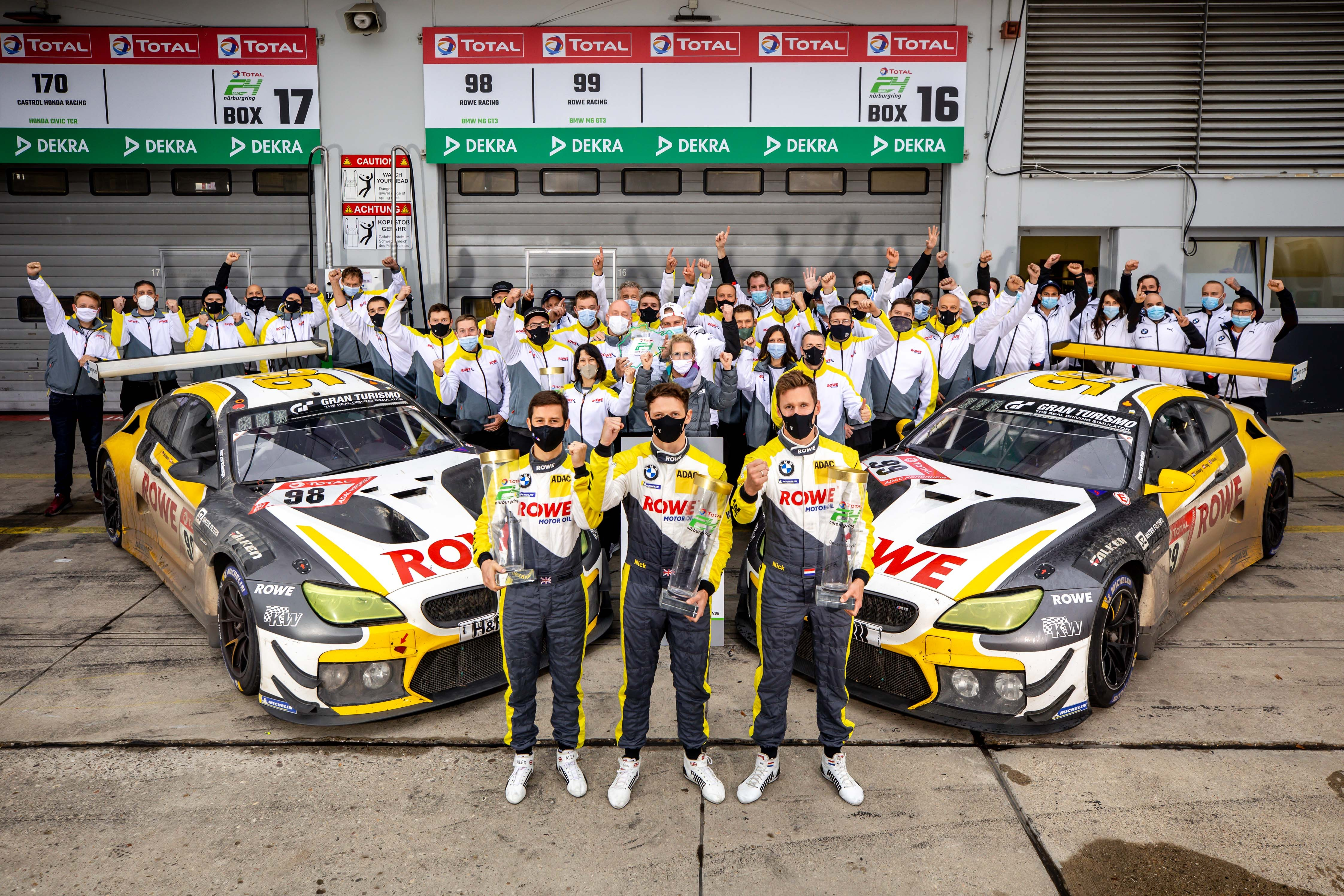
M6 has won most major accolades in endurance racing over its six-year run, including three 24 hour races - pictured here is Rowe's 2020 Nurburgring 24 success
Photo by: BMW Motorsport
Weak points hurt customer interest
The Z4 that preceded the M6 was, according to the M6’s chief development driver Jorg Muller, “a short-wheelbase beast”. Making the M6 a more comfortable car that was “a lot less nervous to drive” was therefore a key priority. So too was honing the driveability of its 4.4-litre V8 turbo engine, a new development after the normally aspirated V8 Z4, which had won the 2015 Spa 24 Hours and the 2014 British GT title.
Alexander Sims, who had co-driven with Barwell Motorsport’s Marco Attard in all but one British GT round in 2014, found the M6 to be “enjoyable to drive from the off” and recalls being surprised at “how nimble it felt considering its size” – at 2901mm, its wheelbase was 39.2cm longer than the Z4.
"The BMW was maybe the strongest car in some tracks but the weakest car in others. It was more up or down, it didn’t have this average everywhere" Maxime Martin
“The high-speed strength of the car improved from the Z4 to the M6; it became a real winner in fourth, fifth, sixth-gear corners compared to pretty much all of the opposition,” asserts Sims, who won the Spa 24 with the M6 in 2016 and followed up with the Nurburgring 24 in 2020.
Walkenhorst Motorsport team boss Niclas Konigbauer says there’s a “big difference” in character between the “reactive” Z4 and M6. But the latter was not without its flaws.
“The traction control was a little bit difficult to handle, especially for guys who were used to the naturally aspirated engines and so on,” he explains. “To find the last seconds you need to be quite technical to really squeeze out everything.”
Sims’s dual programme between the M6 in the Blancpain GT Series for Rowe Racing and selected British GT appearances in Barwell’s Lamborghini Huracan in 2016 was “a big eye-opener” in “how it favoured those that weren’t able to rag the car corner after corner, lap after lap”.
“Although the high-speed stability of the Lamborghini was weaker than the BMW, in pretty much every other phase it was as good or better,” he says. “From the word go, the M6 was quite a Pro driver’s car.
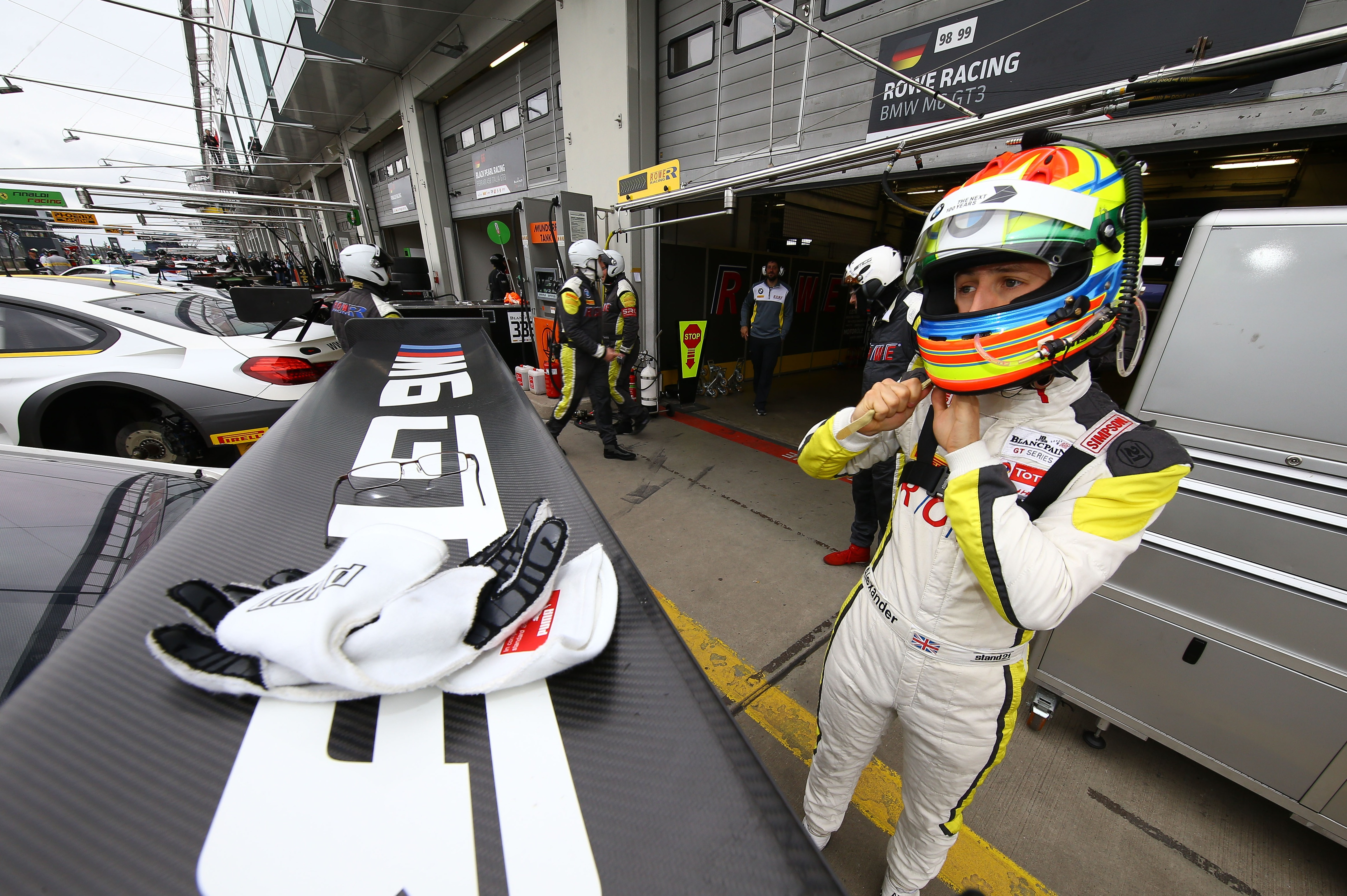
Sims says the M6 was best-suited to Pro drivers who could extract its full potential, rather than a properly accessible customer racer
Photo by: BMW Motorsport
“It really needed to be hustled and the performance of the car came from it being quite light on the rear end and moving around, which I enjoyed. However, I think everyone would admit that has possibly been one of the aspects of the car that has been its downfall in customer racing.
“If you go through Pouhon [at Spa] or Signes at Paul Ricard 5-10km/h slower then you’re probably talking about 0.1-0.3s, which for an amateur is not a massive problem to lose. But if you don’t have confidence on the exit of slow-speed corners, you can lose 0.2-0.3s and there are generally four or five of them on every track compared to one or two super-high-speed corners.”
It wasn’t just difficult for amateurs to master. Maxime Martin, who joined Sims and Philipp Eng to win the 2016 Spa 24 Hours, explains that “it suits some tracks very well and some very badly”.
“As soon as you go to traction phases or quick changes of direction, with the big engine at the front and the long wheelbase, that’s where the car is quite weak,” he says. “You have some cars which are maybe not the best on any track, but always more or less good everywhere. The BMW was maybe the strongest car in some tracks but the weakest car in others. It was more up or down, it didn’t have this average everywhere.”
Even with the Balance of Performance playing its part, this meant it was hard for the M6 to remain competitive over the course of a championship, and Teo Martin Motorsport’s six International GT Open wins in 2016 have proved the exception rather than the norm. In IMSA, Turner Motorsport has won at least one race every year since 2016, but wasn’t a consistent threat until current GTD title contenders Bill Auberlen and Robby Foley paired up for 2019.
As Sims puts it, the M6 has tended to be “sufficiently weak in slow-speed corners that with more than really one slow-speed corner on a circuit, you could be hamstrung significantly”.
“There would be too many tracks where you were fighting those deficiencies,” Sims adds. “At Brands Hatch GP, for the bulk of the track we were in the mix but at Druids we’d lose 0.25s. Suddenly the gap to everybody is created in one corner and it would be difficult to make up for that.”
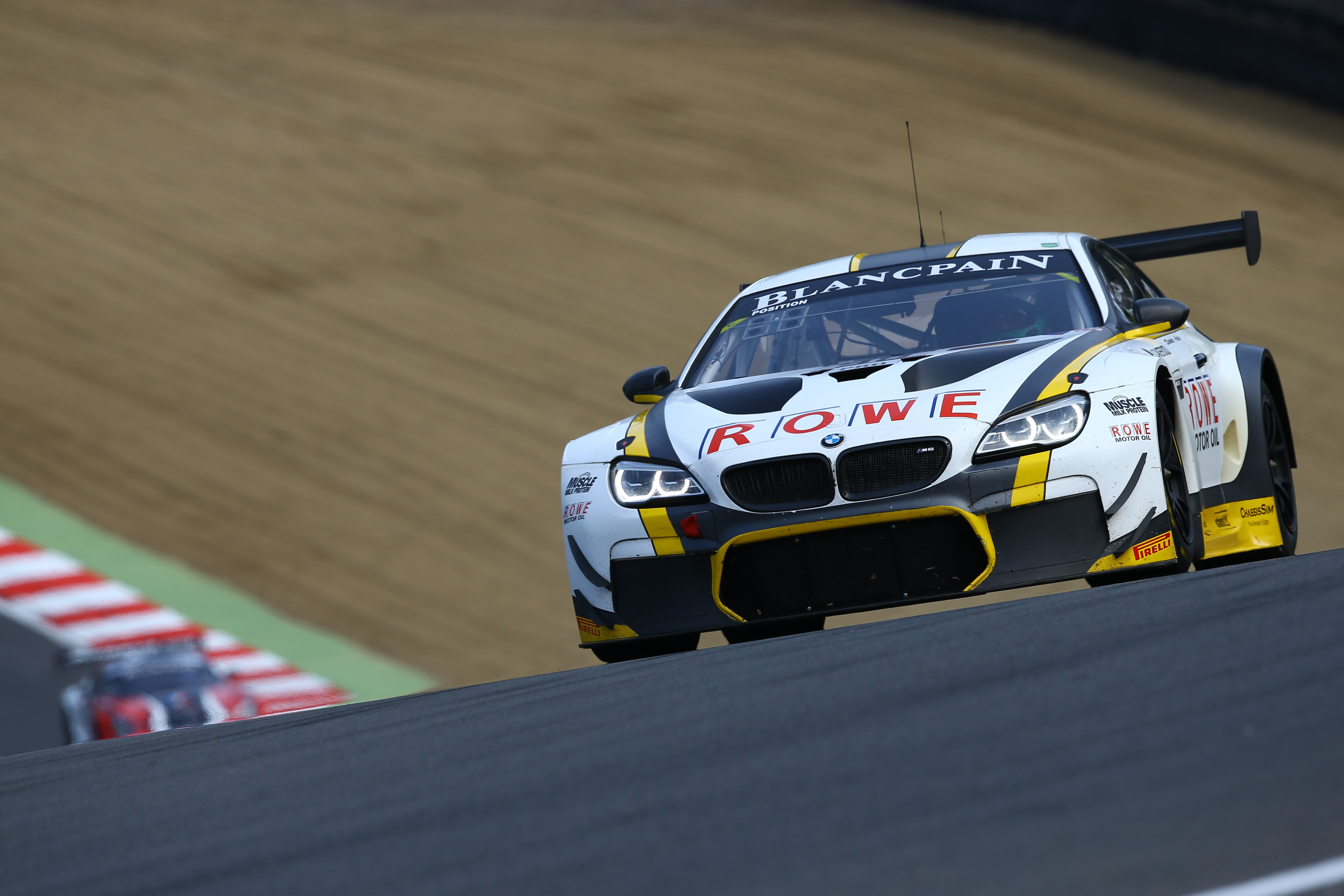
Strong on high-speed tracks, the M6 has traditionally fared poorly at tight, twisty tracks - with deficits in certain corners compromising performance around the rest of the lap
Photo by: GT World Challenge Europe
Specialist’s car produces special moments
The M6 finished sixth in class on its debut in the 2016 Daytona 24 Hours with Turner Motorsport, before Sims and Eng scored the M6’s maiden European podium with second place in the first race of the 2016 Blancpain GT Series, a night-time 60-minute Sprint qualifier at Misano.
But Sims is quick to point out that the circumstances of the result were “very fortunate”, having been “nowhere” driving the wet track on slicks until conditions started to come to him and a fortunately timed full-course yellow thrust him up the order.
“It wasn’t really where we were pace-wise,” he says.
Sims describes the car’s first year as “relentlessly difficult”, until the “hugely unexpected” result at Spa. After qualifying only 19th, the Rowe crew capitalised on the majority of the dominant Mercedes being given five-minute stop-go penalties for technical irregularities in Superpole, and operational errors from Bentley, to score the car’s first major victory.
"The M6 now because of its age, we don’t really work on set-up at the Nurburgring, we know exactly where the car has to be" Jorg Muller
“In practice and qualifying we weren’t spectacular at all, and even throughout the race our pace wasn’t that of the competitors,” says Sims. “But one by one, they fell over themselves and we had a remarkable race. We were maximising what we could of the package absolutely that day.”
Updates are permitted once per homologation cycle and BMW’s ‘Evo’ kit, targeted at improving driveability to be more consistent over a stint and component durability, was introduced for 2018, following a 2017 campaign that had few real high points for the car. Konigbauer says the Evo kit “changed a lot”, but it made little difference to customer interest.
“Compared to some other cars, I think it’s still not the easiest car to drive on a normal GP track,” he says, “but it’s much better than at the beginning.”
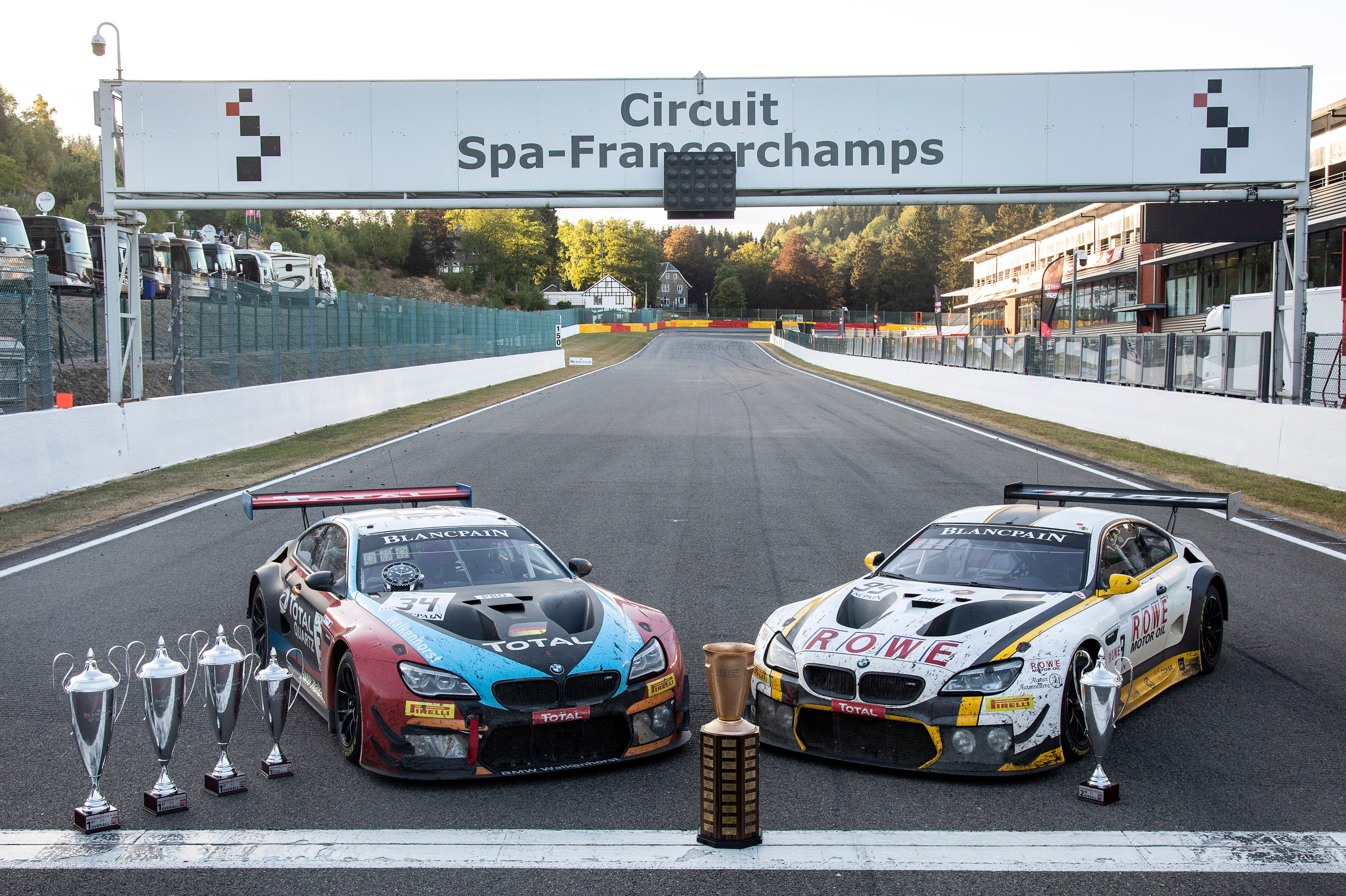
Spa has traditionally been an M6 stronghold - Walkenhorst led Rowe in a BMW 1-2 in the 2018 24 Hours
Photo by: BMW Motorsport
But on circuits where the M6 was created to thrive, it did so. In Walkenhorst’s first time running a Pro class entry at Spa in 2018, it led home Rowe in an M6 1-2 with Eng joined by Tom Blomqvist and Christian Krognes. Later that same year, Augusto Farfus qualified on pole at Macau and staved off race-long pressure to score what turned out to be Schnitzer Motorsport’s last big win on the international scene. It was the final race at the helm for long-standing team boss Charly Lamm, who died just two months later.
BMW’s reduced presence in the GT World Challenge Europe (formerly known as Blancpain) – with no cars in Sprint and only sporadic Pro entries in Endurance from 2019 – meant new arrival Nick Yelloly’s first customer programme came in the China GT series. With experience of running on Michelin tyres in China, Yelloly reckons the Pirelli currently used by his Schubert Motorsport team in the German ADAC GT Masters “exaggerates” the M6’s tyre wear issues.
“The car in general is a bit harder on tyres than the other manufacturers around us, but that will be fixed next year when we’ve got the M4,” he says.
For ex-Porsche racer Yelloly, tyres are only one element of the challenge.
“The window of operating at a very high level is small – that’s a problem we’ve always had with the M6,” he continues. “Even some of the factory drivers that are doing a completely different programme, when they’re thrown into an M6 on the Pirelli, it’s not possible just to be bang on the pace of someone that’s driving that car day in, day out.”
Together with Sims and Nicky Catsburg, Yelloly ended BMW’s 10-year wait for a Nurburgring 24 Hours victory in 2020 when Rowe responded quickly to a late rain shower and usurped the rival Audi, going some way towards avenging the defeat of Sims and Catsburg to the same manufacturer in 2017.
Yelloly followed it up with pole in torrential rain for this year’s race, and is one of several British talents to have used the M6’s affinity with the Nordschleife to winning effect, along with 2020 NLS champion David Pittard, BRDC Rising Star Ben Tuck and BMW junior Dan Harper.
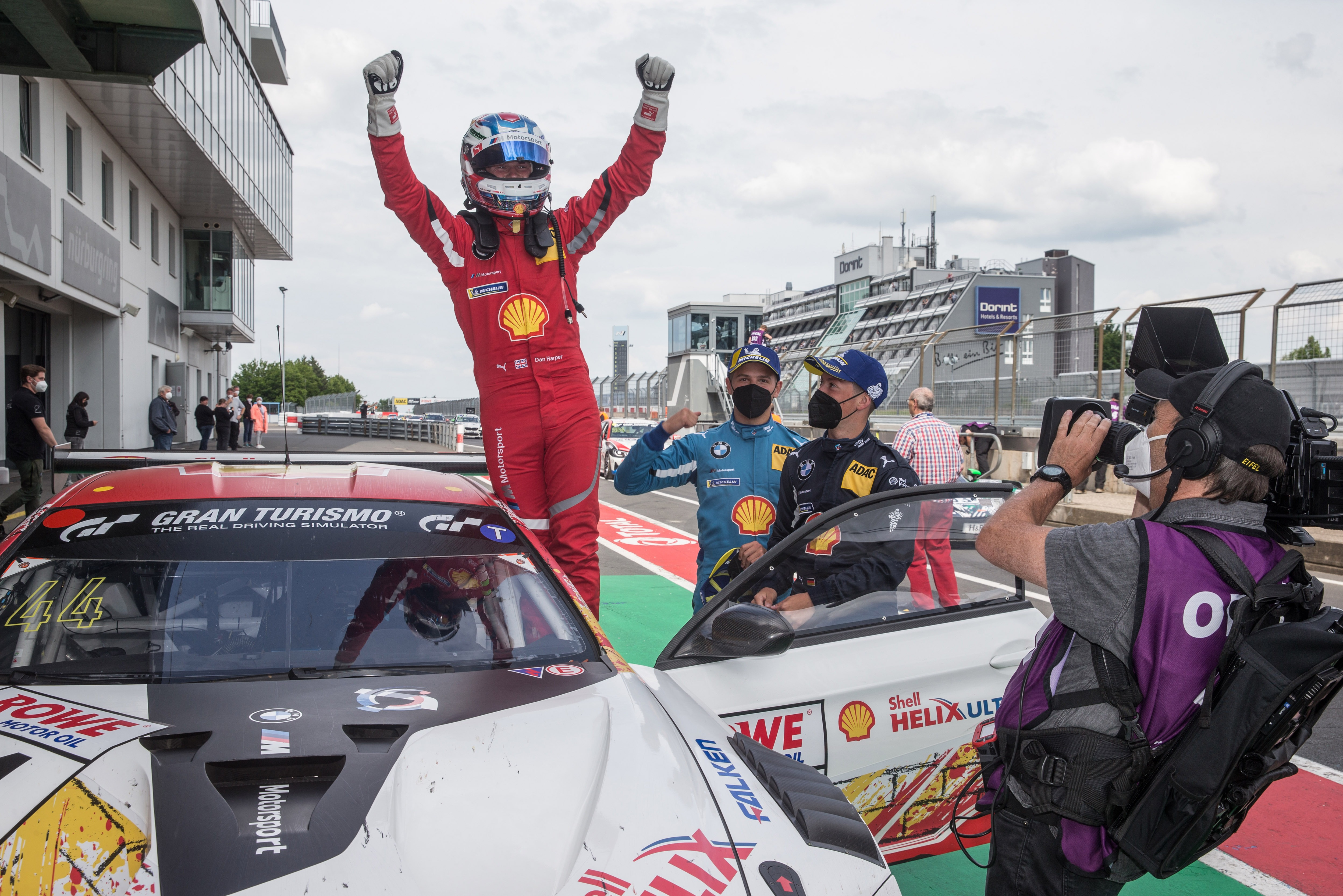
BMW junior Harper is the latest Briton to have used the M6 to winning effect at the Nordschleife in the NLS this year
Photo by: BMW Motorsport
Experience counts
Konigbauer estimates that Walkenhorst has put “around 400,000km” on its fleet of M6s since 2016. It claimed the 2020 Intercontinental GT Challenge title with Farfus and Catsburg thanks to wins at the Indianapolis 8 Hours and Kyalami 9 Hours, the latter amid a lightning storm. Naturally, as a result, its ideal set-ups are well-known.
“The M6 now because of its age, we don’t really work on set-up at the Nurburgring, we know exactly where the car has to be,” says Muller, who scored the car’s first competition win on the Nordschleife in 2016, sharing the Schubert-run machine with Marco Wittmann and Jesse Krohn, and still races the car today with Walkenhorst in the NLS.
“To jump in the car on the Nordschleife and to feel comfortable is quite easy nowadays in the M6,” agrees Konigbauer.
Schubert has less experience with the M6 than Walkenhorst – after its initial success with the M6 in 2016, it switched to Honda before returning to the M6 for 2020 – but it has made big strides this year as a result of optimised weight distribution.
"It’s got some particularly good traits, and when you get a clear quali lap at the Nordschleife on Michelins when it’s a bit cooler and the aero is working well, I don’t think there is anything faster" Nick Yelloly
“I felt like in quali-trim we were still pretty good last year, but this year now we’ve got better race pace to go with it,” says Yelloly, who scored three podiums from the opening five races of the 2021 ADAC campaign with Krohn.
“If we can qualify it up near the front, we can hold our own, which is great at a track like Zandvoort which is relatively high-deg. Oschersleben in race one, which was completely dry, we finished fourth – you would not have expected us to do that last year.”
Sure enough, the M6 is still capable of surprises. A stated aim for the new era of the DTM this year was to be the fastest GT3 series in the world – to achieve this, it has a bespoke BoP that differs from SRO-governed series – and with a sprint format devised for single drivers, it differs greatly from the rest of the GT landscape. But with Michelin tyres under the car, Walkenhorst driver Wittmann has surpassed expectations to contend for his third DTM crown.
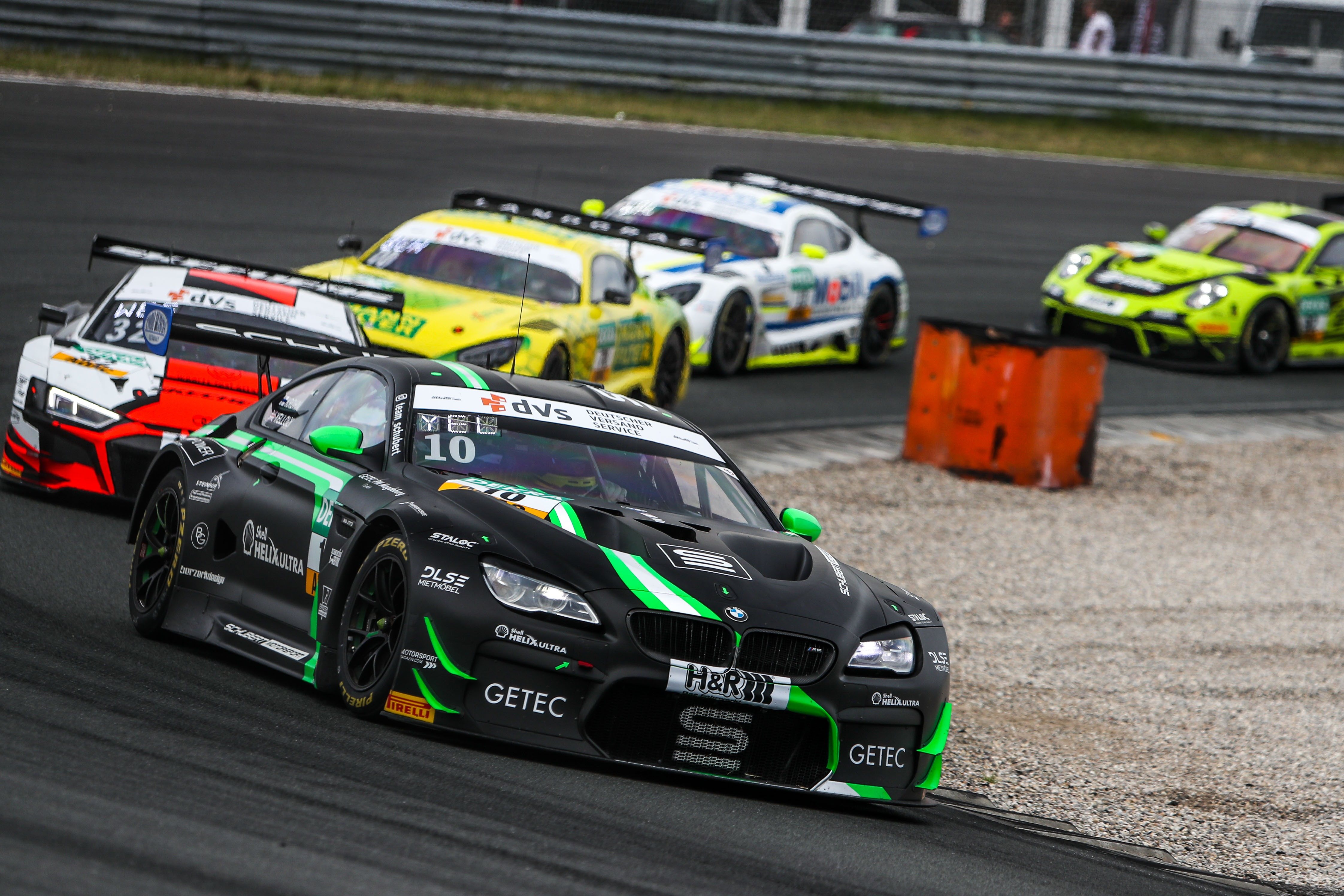
Schubert team in ADAC GT Masters has improved its performance this year and been a consistent podium threat with Yelloly and Krohn
Photo by: ADAC GT Masters
After struggling in qualifying during the early races, a test before the early August Zolder round to improve qualifying performance and understanding of tyre warm-up procedures on out-laps yielded immediate results, Wittmann scoring the car’s first DTM pole and win. At Zolder, a circuit with three chicanes and lots of traction zones, the epitome of the kind of track where the M6 has traditionally struggled, Konigbauer admits “we did not expect at all to be successful”.
“We tried a lot of different things you would not normally go on the M6 set-up wise,” he says. “If you see the race pace, for sure we were not the quickest car. The pole position was the key point to win the race and a solid pitstop.”
Only a rapid pitstop for AF Corse Ferrari driver Liam Lawson at the Red Bull Ring denied Wittmann another likely victory from pole, before the German made amends with a stirring drive at Assen. Two non-scores at Hockenheim last weekend mean the title is a real long shot, with Wittmann 41 points behind heading to the final round - but at the Norisring, never say never.
Konigbauer rejects the view that the single-driver nature of the DTM has been a factor in the M6's form upswing.
“It doesn’t matter which car you are using, you will always find some little things to fine-tune,” he says. “It just shows that we are into all details and trying to maximise the performance. It’s the same advantage or disadvantage through the whole field.”
While all BMW competitors have high hopes for the M4 – Yelloly’s experience from testing is that the marque has learned the lessons from the M6 in terms of being more accessible “without having the car completely dialled in” – the storied M6 GT3 will still be fondly remembered given its remarkable longevity.
“I’ll miss it,” says Yelloly. “It’s got some particularly good traits, and when you get a clear quali lap at the Nordschleife on Michelins when it’s a bit cooler and the aero is working well, I don’t think there is anything faster.”
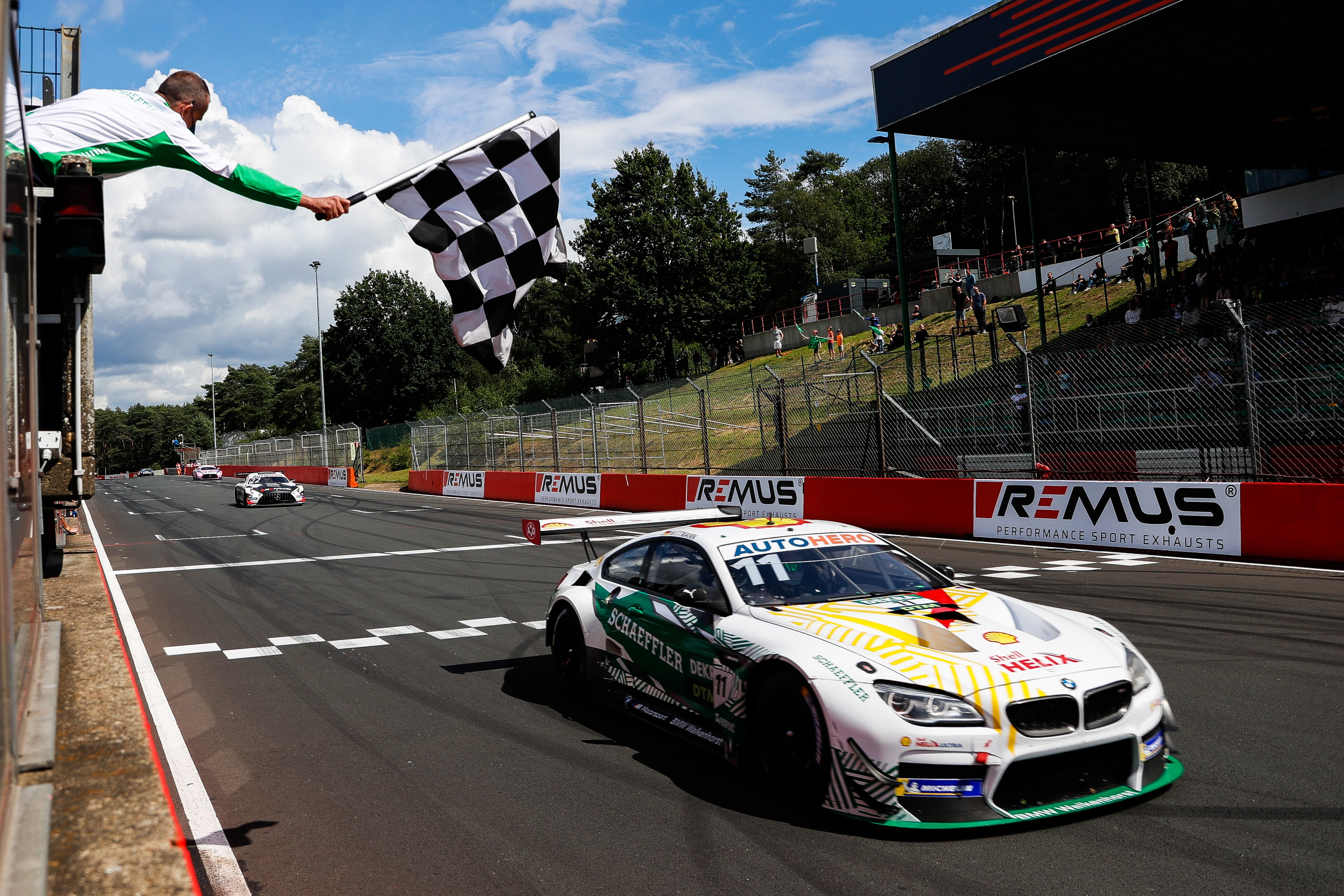
Wittmann and Walkenhorst team defied expectations to win at Zolder and launch a DTM title bid
Photo by: DTM
Having worked on the car for so long that it now “fits like a glove”, Turner says he feels “conflicted” on the M6’s imminent passing.
“The biggest advantage of the M6 is that the team and the drivers know the car and its capabilities,” he says. “The M4 is going to be a better car but there’s going to be a learning curve, so I’ll be sad to see the M6 go in that way.”
“I really like the car; so far we had our biggest success with this car,” echoes Konigbauer. “We developed ourselves, our team with the car, so of course it’s for us a big change. But I’m also quite sure that with the M4 GT3 we’ll have a rock-solid car and the starting point is easier than the M6…”
The six-year road to IMSA title contention
Turner Motorsport boss Will Turner says he was “definitely surprised” to find that no other teams were running the new BMW M6 GT3 in the 2016 IMSA SportsCar Championship.
His squad remains the only one that has raced the car in the series and, with the line-up of Bill Auberlen and Robby Foley in their third year together, is firmly in contention for a 2021 GTD class title that would be a fine way to send off a car that Turner admits initially “wasn’t fully sorted out” when he first took delivery prior to the 2016 Daytona 24 Hours. The car suffered “a lot of little gremlins” at the pre-event 2016 Roar test, the timing of which, says Turner, “caught BMW off-guard”.
“At first, we thought, ‘This car is going to be a nightmare’, but it was really just because Daytona came so early,” he says. “After that, the car has been awesome.”
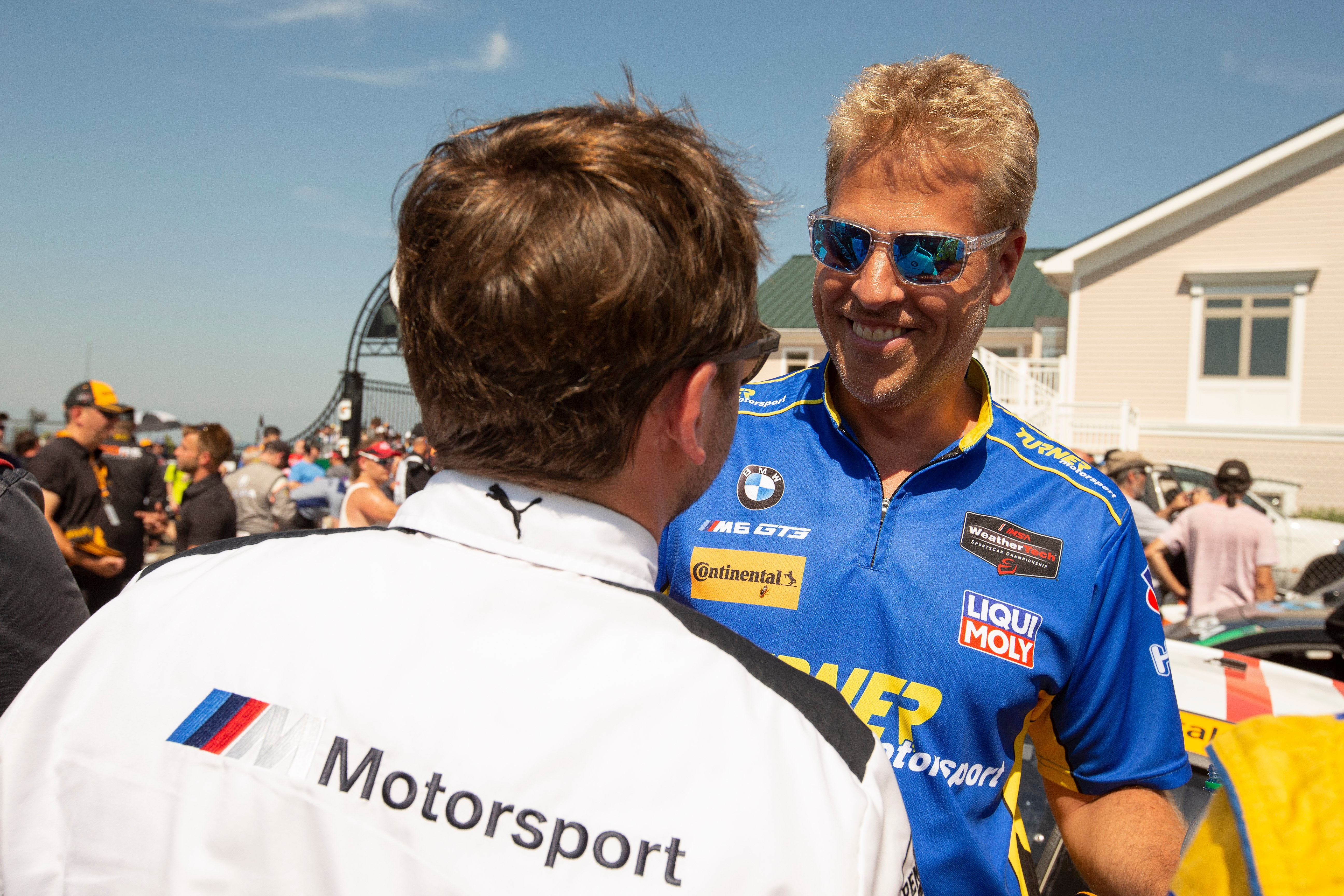
Turner has run M6 since the start
Photo by: BMW Motorsport
The M6 runs on Michelin tyres in IMSA, having initially used Continentals in 2016, and Turner has also run the car on the Pirellis in SRO World Challenge America. While the set-up differences needed to optimise tyre performance are considerable, Turner explains that the “inherent characteristic” of struggling in tight, low-speed corners is no different. He says its main weakness has been the gearbox – also its biggest expense – without which the M6 “would be one of the best racecars I could imagine”.
A rotating cast of drivers until 2019 meant the M6’s IMSA successes were fleeting, but Turner has benefited from the stability brought by classy veteran Auberlen and 25-year-old student Foley, winning six races over the past three years. Their last-gasp triumph at Petit Le Mans in 2019 together with Dillon Machavern, when the rival Riley Mercedes ran out of fuel on the final lap, is the race Turner picks as his favourite to date.
The crew lies fourth in the standings with two races to go, although Auberlen and Foley held a 27-point advantage prior to an ABS failure last time out at Long Beach that cost four laps. But Turner still has faith in his team’s title chances.
“It’s a combination of the crew, knowing the car and the driver line-up,” he says. “All the planets are aligning.”
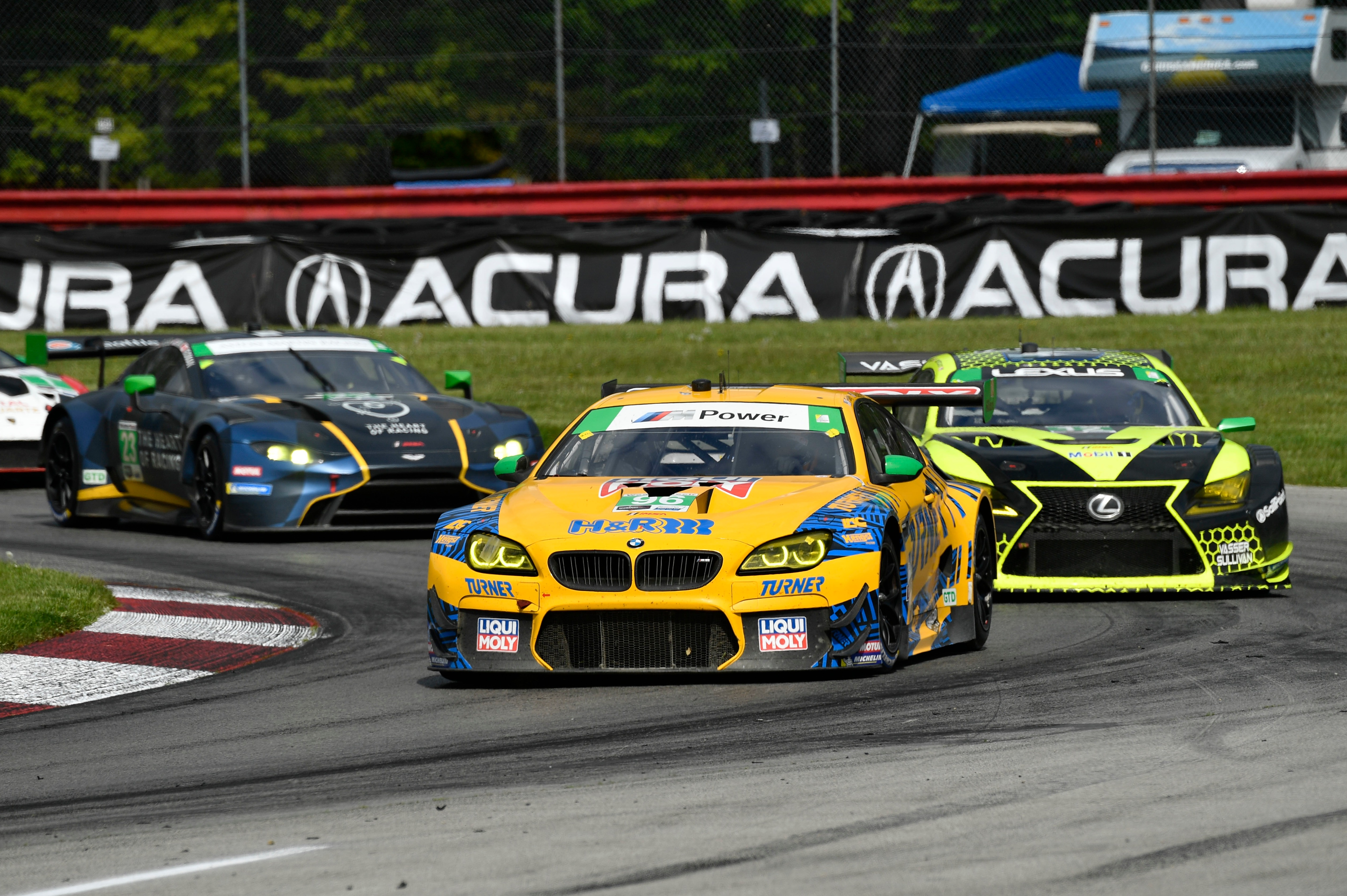
IMSA squad Turner Motorsport remain in the hunt for GTD class honours in the M6's final year
Photo by: Motorsport Images

Why ‘Mr Formula E’ has called time on his racing career

Archive: When Le Mans made its most controversial change

The man behind Japan's first Le Mans winner

Did Audi ‘give up’ on GT3 too soon?

Alex Zanardi’s top 10 moments

This retro-inspired Mercedes 190E racer is heading to the Nurburgring 24 Hours

Why Verstappen's Nordschleife approach is a win-win for motorsport

The new Mercedes star who had an unconventional route to success

Why it's now Bearman versus Camara for the next Ferrari vacancy

MotoGP Australian GP: Bezzecchi leads Aprilia 1-2-4-5 in Friday Practice

How Antonelli will manage the pressure as F1 coronation looms

Verstappen warns COTA bumps are “unacceptable” and “out of control”
Subscribe and access Autosport.com with your ad-blocker.
From Formula 1 to MotoGP we report straight from the paddock because we love our sport, just like you. In order to keep delivering our expert journalism, our website uses advertising. Still, we want to give you the opportunity to enjoy an ad-free and tracker-free website and to continue using your adblocker.


Top Comments