


The necessary balancing act F1 performed to protect its teams
For too long, F1 teams have invested huge sums of money to find tiny improvements which are invisible to fans. PAT SYMONDS explains why F1 had to act to protect its competitors from themselves
After last year’s Australian Grand Prix was cancelled and the extent of the pandemic became more apparent, Formula 1’s Ross Brawn asked me to look at how we might protect the teams from what was undoubtably going to be a significant shortfall in their income.
I put together some proposals which we discussed with the FIA. These were centred around delaying the new and significantly different car from 2021 to 2022, and freezing a large part of the design of the 2020 cars through to the end of 2021. The thinking was that a significant amount of expenditure goes into small incremental improvements which are invisible to fans but, in the close competitive arena of the midfield, are necessary to gain advantage.
While limiting development, it was important not to lock in the competitive status quo – but most chassis performance is found in improved aerodynamics and tyre management, so it was felt freezing other parts of the car while leaving aerodynamics to develop as before would provide a solution with minimum compromise. In an ideal world the freeze would have been relatively simple to legislate for, but the fly in the ointment was McLaren, which had long before announced its switch from Renault to Mercedes power for 2021.
After the current generation of power units was introduced in 2014, a somewhat naive attempt was made to make engines interchangeable by mandating the position of the chassis and gearbox fixings. The reality is that the integration of chassis and power unit is so complex that such simplicity is almost worthless.
This meant a system had to be introduced which would allow McLaren to make necessary changes to its chassis and, for the sake of equity, give a similar dispensation to all teams. A token system was introduced which allows teams to make limited changes to otherwise frozen areas.
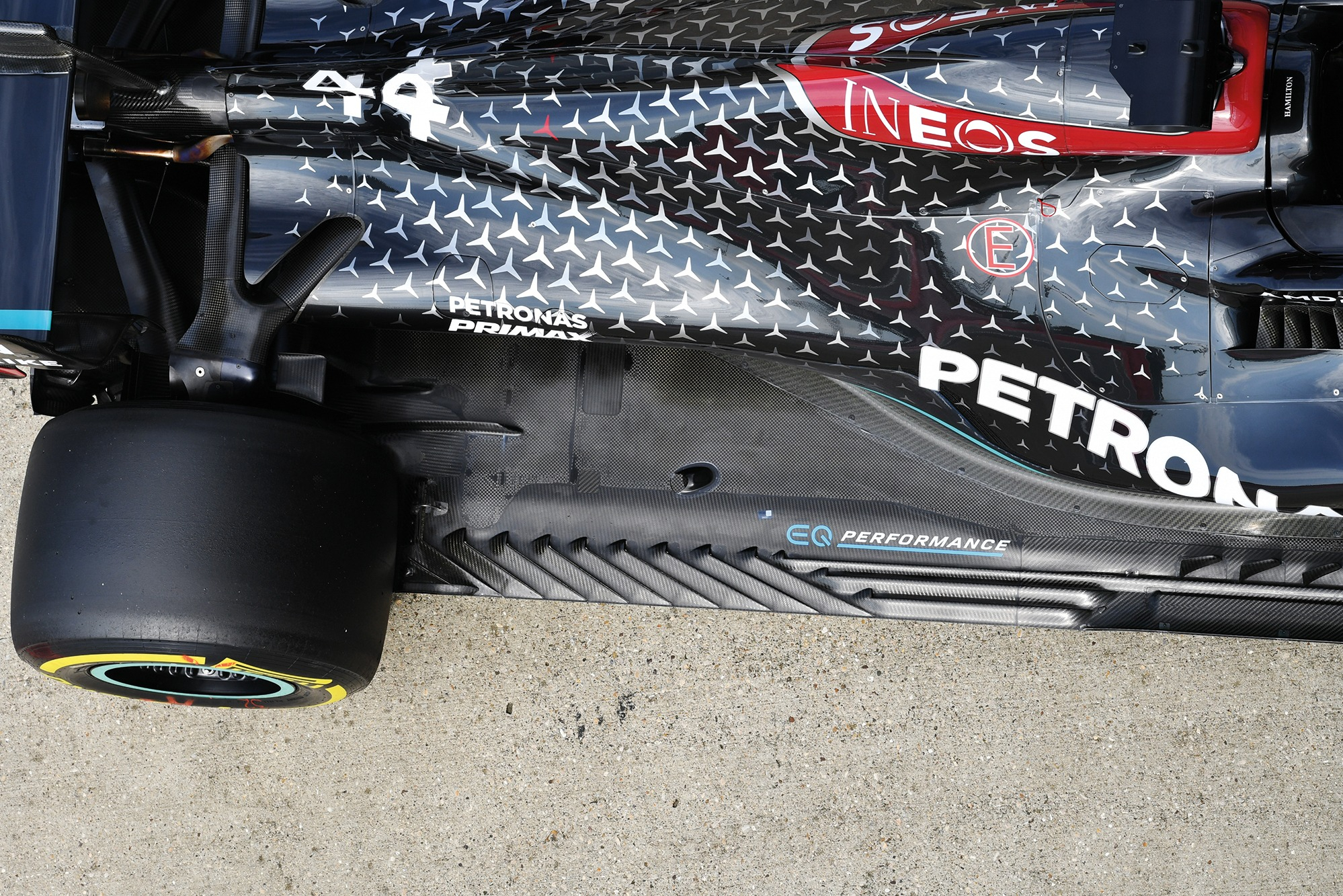
Mercedes W11 aero detail
Photo by: GP Racing
While the desire was to keep aerodynamic development as a performance differentiator, there was also concern from Pirelli that the tyres in use, which were first introduced for the 2019 season, would exceed endurance limits if aerodynamic development was left unchecked for a further year.
The fact that the tyres would be going into their third season of use was a result of the planned, more resilient, tyres for 2020 being rejected by the teams at the end of 2019. In addition, the pandemic halted all in-season testing during 2020, through which Pirelli would normally be developing tyres for the forthcoming campaign.
PLUS: The trackside verdict on F1 2021 testing
The aerodynamic group at F1 examined a number of ways to limit the additional downforce that the teams would find if unchecked. This was not an easy task, as it was necessary to introduce regulations that would not start a new spending war, and also determine changes that would not favour one design philosophy over another. This was particularly challenging, as some solutions definitely had less influence on high-rake designs than low rake, while others had the opposite effect.
F1 has for many years rewarded incremental gains – sometimes minute but nevertheless additive to a point of significance. Unfortunately, these gains and the attention to detail required to achieve them, come at great cost
Ultimately, a reduction in plan area of the floor was introduced which, together with simplification of the outer 100mm of the entire floor, achieved a reasonable reduction in downforce and should save money by eliminating some of the complex flow-control devices seen on the floor edges of the 2020 cars. A reduction in the height of the diffuser fences further reduced downforce to bring it to a level that, once the teams have worked to recover the losses, will at least peg 2021 performance to that of 2020.
Ironically, in spite of the inability to mount a proper test campaign, Pirelli was able to run a more robust tyre during free practice sessions at the last couple of races of 2020, giving a further margin of safety to mitigate against unusual circumstances such as those that occurred at Silverstone last year – the circuit that tests the structural integrity of the tyre more than any other.
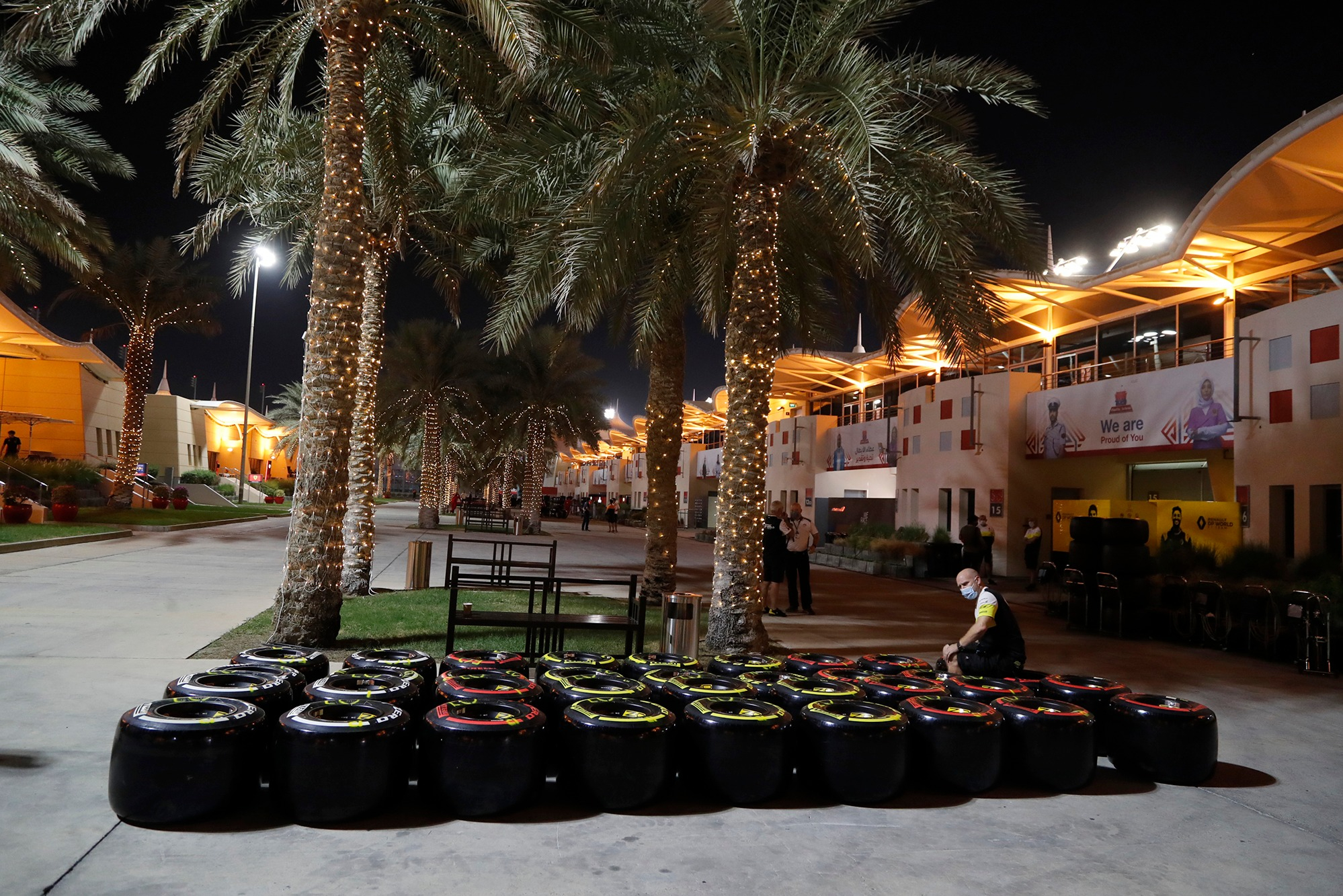
Pirelli tyres
Photo by: GP Racing
As a follow-up to various clarifications made last season to the rules governing control software, the main one of which was to eliminate the many engine modes used, a further restriction is introduced for 2021 which limits teams to only using five versions of software for chassis control, five for engine control and three for hybrid energy control over the course of the season. I don’t anticipate this being particularly significant, but it is a step in the right direction for reinforcing actions to assist the budget cap.
This brings us to perhaps the most significant change of all – the introduction of a budget cap on most activities that could be construed as providing performance to the car. Set at $145m for 2021, this will gradually reduce to $135m by 2023.
Insight: How F1 teams are tackling the new challenges of the cost cap
This is a sea change in the way F1 will operate. It must be appreciated that this cap has plenty of exceptions and is only aimed at the technical side of the operation. Even with this caveat there are teams that will still not approach this cap, but that is not to say they will not benefit from it.
F1 has for many years rewarded incremental gains – sometimes minute but nevertheless additive to a point of significance. Unfortunately, these gains and the attention to detail required to achieve them, come at great cost. It is financial restriction on this type of work that will curtail the performance of the richer teams and in so doing assist the less well-off teams to get closer to that level of performance.
It will not be transformative immediately. The top teams have a rich heritage and an enormous knowledge base to work from, but over the years – coupled with subtle changes, such as aerodynamic test restrictions that vary depending on championship position, and changes to the car design freedoms – we may look forward to closer competition throughout the field.
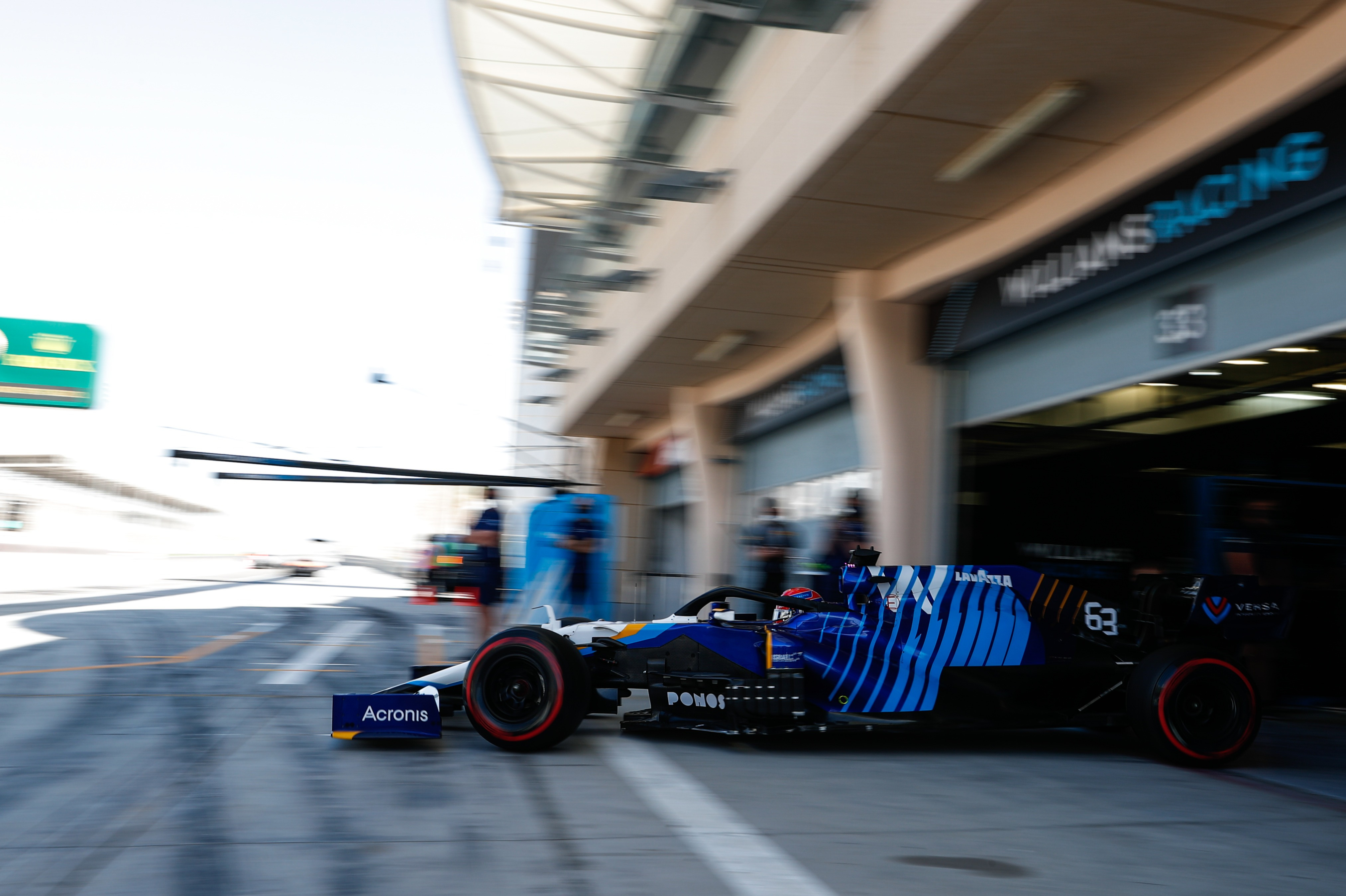
George Russell F1 2021 Bahrain test
Photo by: Motorsport Images

How Ratzenberger beat the odds to realise his cruelly short-lived F1 dream

F1 uncovered: A weekend behind the scenes with a chief mechanic

When McLaren was pipped by Red Bull in a modern F1 classic

The big opportunity Sainz’s Williams switch affords to F1’s latest centurion

Inside the science of F1 fuel

How F1’s plan for rotating races could look in practice

The early decisions that set Sauber’s rookie for success

How F1 media coverage has evolved in line with its subject

MotoGP Japanese GP: Marquez defeats Moreira for sprint victory

F1 Bahrain GP in Malaysia: Antonelli recovers from tough Friday to top FP3

MotoGP Japanese GP: Martin edges out Marquez to claim back-to-back pole positions

LIVE: F1 Bahrain GP in Malaysia updates - FP3
Subscribe and access Autosport.com with your ad-blocker.
From Formula 1 to MotoGP we report straight from the paddock because we love our sport, just like you. In order to keep delivering our expert journalism, our website uses advertising. Still, we want to give you the opportunity to enjoy an ad-free and tracker-free website and to continue using your adblocker.


Top Comments