


Inside the Mercedes mission control where F1 races are won or lost
Thousands of miles from the race track, an F1 team’s nerve centre shapes its drivers’ fortunes. For the US Grand Prix, Autosport was granted an exclusive peek behind the curtain at Mercedes' Race Support Room in Brackley, where the crucial number-crunching and monitoring that informs trackside decision-making is made

“Radio check”.
Two simple words and a crackle on the intercoms mark the start of an important day for Mercedes. It is the Saturday of the United States Grand Prix, and final practice is about to begin at the Circuit of The Americas. Lewis Hamilton trails Max Verstappen by six points at the top of the championship, making qualifying later in the day an important session as Mercedes looks to turn the tide in the title race.
As the radio channels fire up and the final preparations are made in the Mercedes garage, 4800 miles away in Brackley a team of strategists and engineers are also getting ready for practice. They may not be physically beside their colleagues in Austin, but they are ready to play a critical role that will be decisive to the outcome of the race.
The heart of Mercedes’ race weekend operations is the Race Support Room (RSR) at its factory, acting as ‘mission control’ for the team. It is from here that the numbers will be crunched, data will be analysed and plans will be formulated for the pitwall to then execute.
“It’s part of the team now,” says Andrew Shovlin, Mercedes’ trackside engineering director. “While everyone is separate, it doesn’t really matter anymore where anyone is sat. You get the same communication, the same data coming at you. There’s really not a lot that you’re missing back there. We’ve probably got as much going on there as we have at the track.”
Calls that could win or lose races will originate from this room. The voices you hear on the radio may be the trackside race engineers or senior officials taking the final decision, but everything will be based off data analysed back in the RSR.
Understandably, access to the RSR during live sessions is incredibly strict. But for FP3 and qualifying in Austin, Autosport is afforded rare behind-the-scenes access to sit with the engineers and staff in the room, listening in to all of the radio communications as Hamilton and team-mate Valtteri Bottas go in search of pole position.
This is what life is like inside Mercedes’ F1 mission control.

Engineers analyse data in the RSR, then feed it back to the team trackside
Photo by: Mercedes
Mercedes entered Saturday at COTA on the back foot against Red Bull. After Bottas finished almost one second clear of Verstappen in FP1, second practice was less encouraging, with Hamilton feeling the team took a couple of steps back. Final practice is therefore vital to understand why things slipped and to improve for qualifying.
The engineers and strategists working in the RSR are already in their seats when the session goes green. The room features five rows of around six desks, all kitted out with monitors, radio buttons and headphones, ensuring that communication between the RSR, those in the garage, the pitcrews (“red crew” for Hamilton, “blue crew” for Bottas), the pitwall and, of course, the drivers can run seamlessly.
"Any of us could do our job from there as easily as we can from the track, and over time that function has gone from being a ‘nice to have’ where we’ll do the odd bit of work, to just being a huge chunk of the stuff that has to get done" Andrew Shovlin
At the front of the room are a number of larger screens featuring an array of data channels. These include the TV world feeds, onboard cameras for each Mercedes, and weather radars with various ranges. There is also a graphic of the track showing the live position of each car and the gap to the car ahead, a critical tool to assess traffic and help find gaps to drop into.
Typically there would be 30 people in the RSR for each session, but this has dropped to around 15 since the start of the COVID-19 pandemic and the requirement for social distancing. Nevertheless, it remains a powerful hub of knowledge for Mercedes.
One of the key figures in the RSR is Joseph McMillan, who is a senior race strategy engineer. He is part of a five-person team working on strategy for Mercedes, all feeding into James Vowles, the team’s motorsport strategy director. Vowles is the only member of the strategy team at the track, proving how much work can be done at the RSR.
“I love working at the RSR,” says McMillan. “Especially in COVID times, with so many more meetings happening on intercoms and on Teams, and fewer face-to-face catch-ups and conversations in cars and over breakfast taking place, the benefits of being at the track are even lower than they used to be.
“When it’s raining is one of the times when I’m constantly saying: ‘How’s the rain?’ That’s one of the few times that it’s more useful, slightly, to be at the track. And there’ll always be people who need to touch the car.”
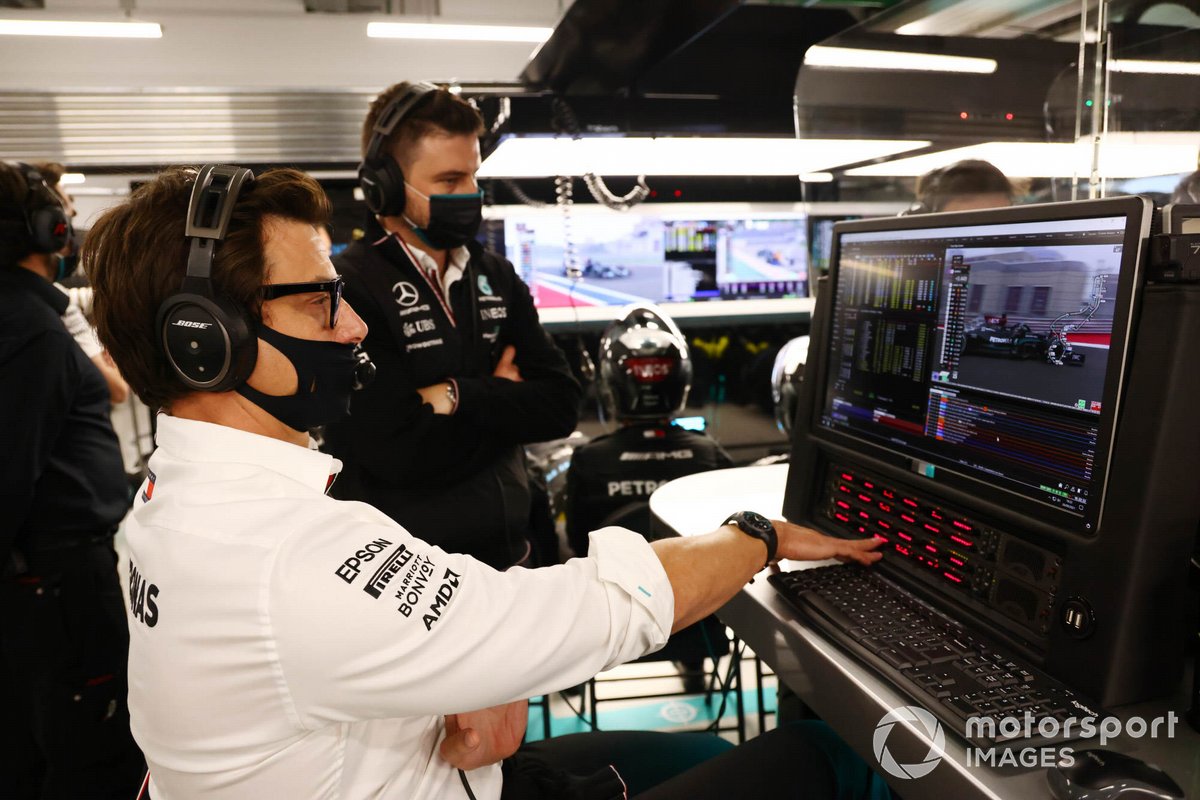
Information processed at the RSR is fed up the pyramid, and discussed on a specialised strategy channel
Photo by: Steve Etherington / Motorsport Images
There is an established chain of command between the RSR and the pitwall, ensuring that all decisions go through required processes and get the approvals they need while avoiding information overload. The man at the top of the pyramid, of course, is team principal Toto Wolff.
“There is a great group of people in Brackley who obviously have all of the tools and maths behind everything,” Wolff says. “That is being discussed on the strategy channel between the Brackley base and James, and the pitwall and myself.
“It’s brainstorming and I’m very involved in the decision-making process. James runs his strategy thinking past me, and I would only give the feedback that I have because I have more bandwidth. I’m not looking at the specific data channel, but I’m able to look at the intercom, the audio messaging from the other team and obviously how the race pans out.”
All of the main Mercedes race departments are represented in the RSR. Some, such as strategy, are weighted more towards the RSR, while others, such as trackside engineering, naturally have more people on site. But the seamless nature of the operation means sometimes it is not noticeable whether someone is at the track or not.
“Lewis was once talking about switching settings with his controls engineer,” recalls Dom Riefstahl, the race support team leader. “The engineer, Marcelo, was going through it, saying, ‘Do this, then do that, and you’ll come back.’ The driver is like, ‘Mate, just come and show me!’ And Marcelo said, ‘I can’t, I’m sat in the RSR! I’m 5000km away, you’re on your own!’
“In that case, somebody at the track will go and help out. But it just shows how integrated the room is to the track, because they will regularly forget.”
“The audio on those intercoms is very, very good,” adds Shovlin. “It’s quite easy to talk to people, because you can almost hear within the tone of their voice any stress or anything.
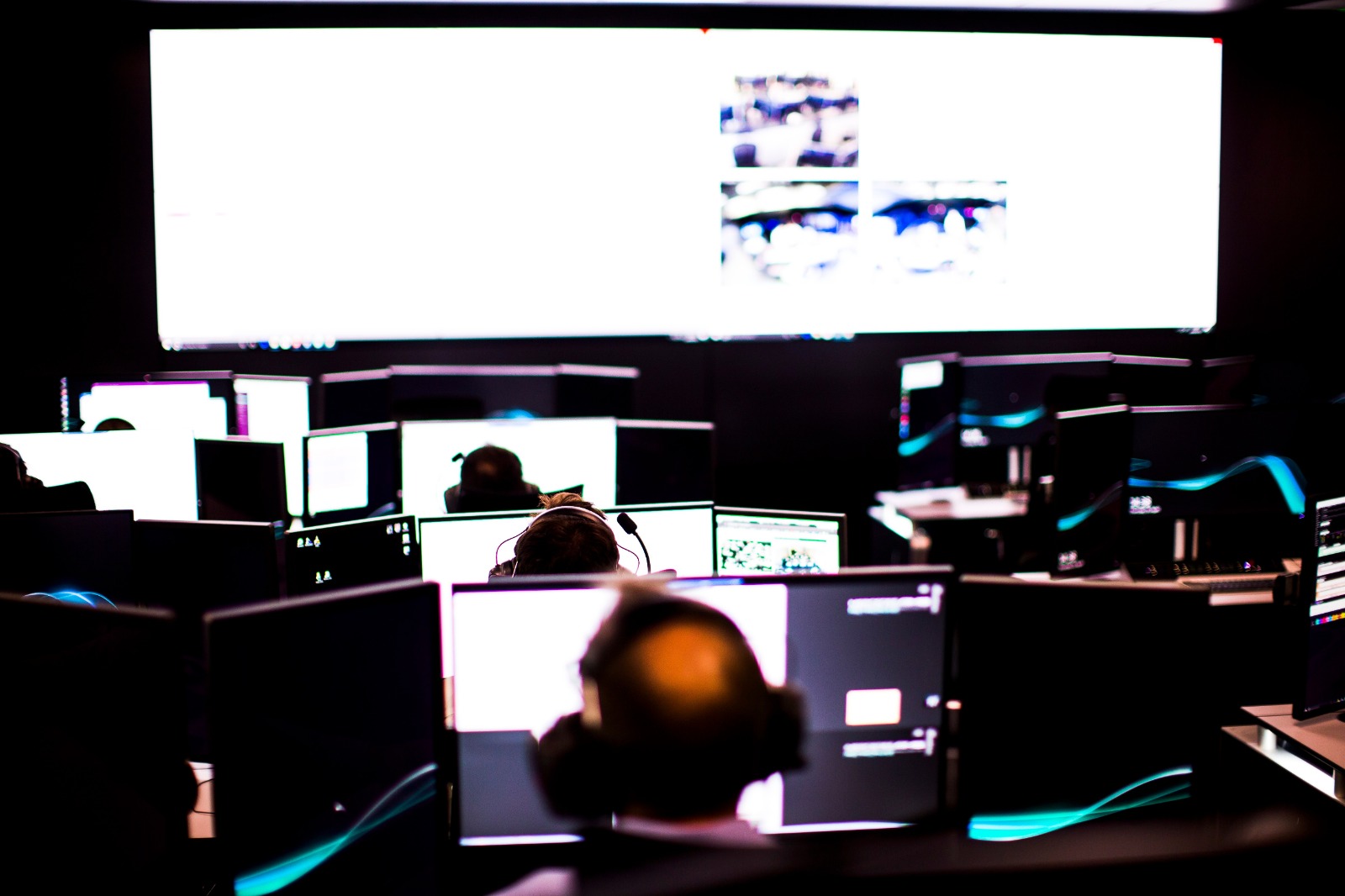
Restrictions on the number of staff allowed trackside means a huge amount of the work is done remotely
Photo by: Mercedes
“Any of us could do our job from there as easily as we can from the track, and over time that function has gone from being a ‘nice to have’ where we’ll do the odd bit of work, to just being a huge chunk of the stuff that has to get done.
“Because we’re limited to 60 people at the track, the reality is we can’t have everyone here. There aren’t enough passes. So you’ve got to work on these remote functions.”
"There are no highs or lows in terms of emotions in there. We’re just doing our job, effectively. But you do notice when there’s an overtaking manoeuvre going on or something like that, and people start clapping or cheering" Dom Riefstahl
The enhanced significance of the RSR means that it is becoming an increasingly influential part of Mercedes’ weekends, proving make-or-break for races. Riefstahl says that race-winning decisions coming from the remote operations used to be “rare, like one a season”, but all of that has changed.
“Pretty much the whole strategy is now done in the RSR, and then brought to the track, and they sanction it off,” he says. “Our role is increasing massively in that respect.”
One example came at the Spanish GP in May, when a decision to convert Hamilton to a two-stop strategy won him the race thanks to a late pass on Verstappen with seven laps remaining. It was a call that came from the RSR after the strategists ran the numbers and worked out that it was possible to make up the time for the additional pitstop.
“When we converted to a two-stop, we said, ‘James, we should two-stop,’” says McMillan. “‘I’ve done the maths, here’s the plan, here’s what it will look like, we should do this.’ And he looked at it and went, ‘Yep, you’re right.’ He did it, and we won the race.”
While drivers will start the race with an anticipated strategy, radio messages are regularly thrown back and forth, making small tweaks depending on conditions and the data that is being constantly analysed in the RSR.

Call to double-stop Hamilton in the Spanish GP came from the RSR and won him the race
Photo by: Glenn Dunbar / Motorsport Images
“We’re looking at lap times and lap data a lot of the time, looking for the situations that we’ve discussed the night before,” says McMillan. “We’re trying to make sure our models are all prepped with accurate pace, accurate tyre curves, listening a bit to the radio comms of all the other drivers, seeing if they’re saying anything interesting. A surprising amount of time is spent working out what you’d do if a safety car came out.
“There’s normally one guy looking at pace, one guy looking at tyres, one guy looking at safety cars, and then I’ll be looking at the overarching picture, shadowing the pitwall and James, and making sure no one is missing anything.”
The RSR has similarities to a NASA-style mission control, and the atmosphere itself remains very calm and focused throughout, even in big moments. Orders aren’t barked, voices are never raised. Everyone is simply sitting and doing their job, communicating calmly via their headsets and staying focused on the task.
There may be the odd cheer or reaction to a great overtaking move or impressive lap time – McMillan says more from the placement students – but the atmosphere you feel when taking off the headset as everyone else is hard at work is like doing so at a silent disco: everyone is in their own world.
“But what are you expecting?” responds Riefstahl, laughing. “We’re not running around like a bunch of headless chickens. We all have our role. It doesn’t change whether it goes well or not so well in the race. The discussions are all held in a gentlemanly manner; even if we disagree on something, we’ll just be having a discussion of facts.
“There are no highs or lows in terms of emotions in there. We’re just doing our job, effectively. But you do notice when there’s an overtaking manoeuvre going on or something like that, and people start clapping or cheering.”
This level of serenity is also clear in the communications with the drivers throughout the session. While the radio channels are available for broadcast while drivers are out on track, the moment they return to the pits and the car is plugged in via its ‘umbilical cord’, radio transmissions become private.
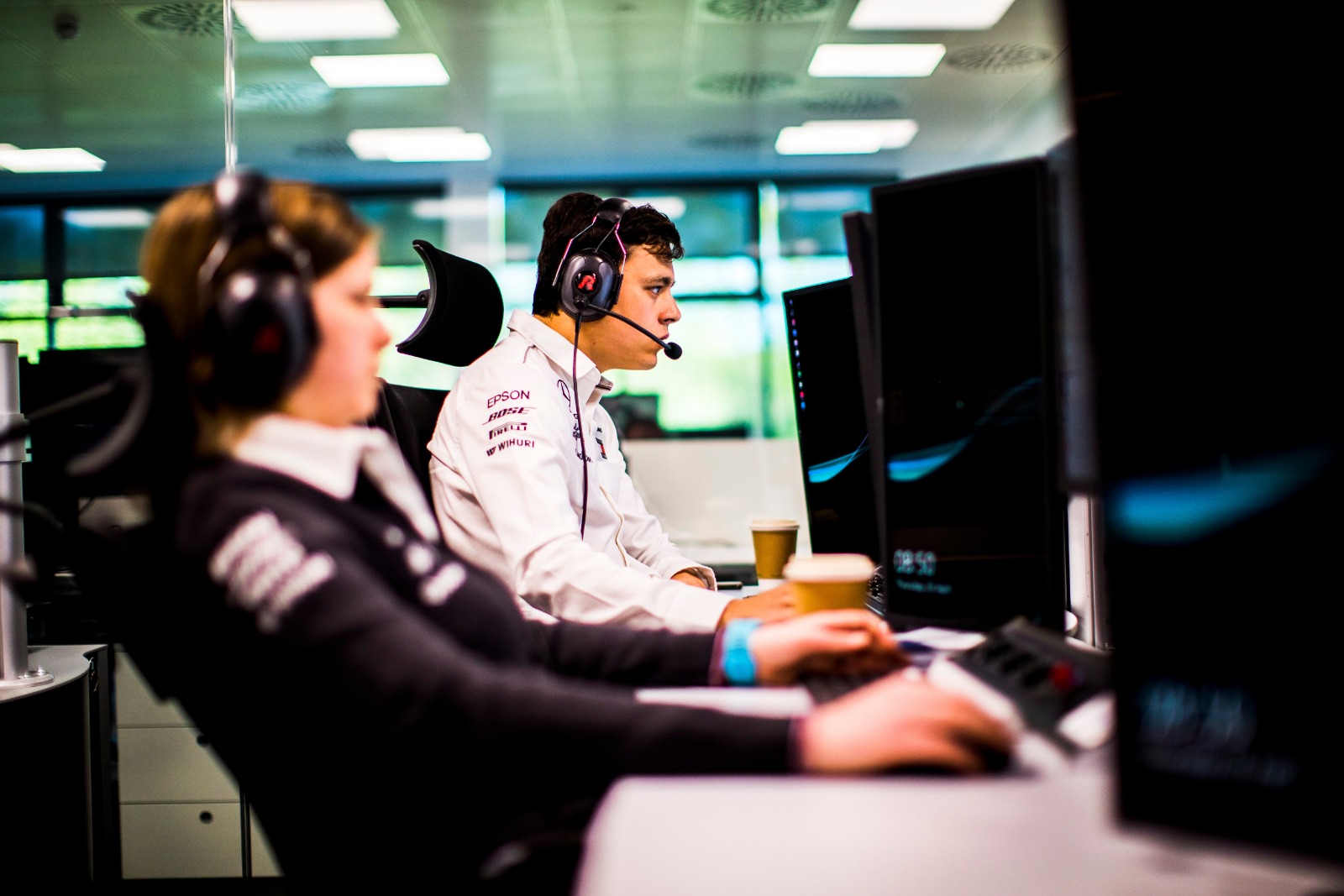
Atmosphere in the RSR is calm, regardless of what happens on track
Photo by: Mercedes
It is at this point when the Mercedes engineers can properly dive into the data with Hamilton and Bottas, explaining which corners they are gaining or losing time at compared to the opposition, and when the drivers can give their honest feedback.
Through final practice in Austin, Hamilton is regularly asking about the gap to Red Bull – Verstappen in particular – and going through all of the data on the screens in front of him. The rear end of his Mercedes W12 has been causing trouble since FP2, prompting him to ask for various tweaks to be made before the cars get locked in for qualifying.
Contrary to some of the opinions about Hamilton’s radio etiquette after the Turkish GP, his radio transmissions are deeply courteous, calling everyone “mate” and regularly getting updates. Bottas’s messages are slightly less frequent, but still packed with detail. Both drivers are incredibly grateful for the work of the men and women in the RSR, understanding the importance and significance of their operations.
"They are an extension to what we do at the track as we have limited numbers and are integral to us achieving our goal, which is winning races" Lewis Hamilton
“The RSR is so important for the team and how we function through a weekend,” says Hamilton. “When we do our big comms meetings, the RSR team are on the other line listening in and we are just one big team.
“The guys in the RSR back at the factory are doing a huge amount of simulation, preparation, finding answers, downloading information and understanding that information so we can make the right choices on a weekend. They are an extension to what we do at the track as we have limited numbers and are integral to us achieving our goal, which is winning races.”
“The RSR at the factory is super-important,” adds Bottas. “We have a lot of members in the team and only a fraction can make it to the races, so we effectively have another team at the factory supporting us.
“Nowadays the amount of data we get from the car, both in terms of our driving but also how the car is set up, is huge and, with limited time in a packed schedule on a race weekend, there’s no chance of us analysing it all at the track. So the support crew do an incredible job for us and nowadays you couldn’t win without them.”
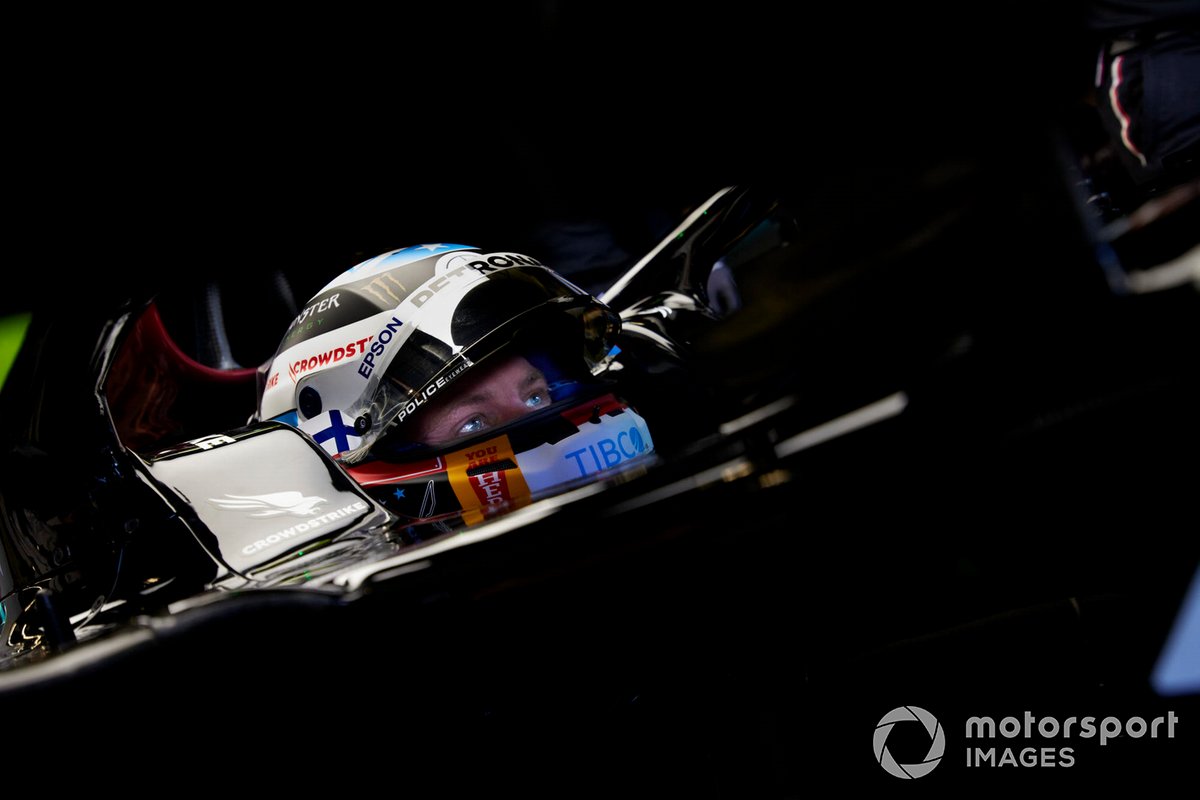
Bottas acknowledges that success wouldn't be possible without the support crew
Photo by: Steve Etherington / Motorsport Images
The mental capacity of the drivers is astounding. They can comfortably deliver a corner-by-corner breakdown of where things were good or bad, and know immediately what changes they need.
At one point, Hamilton notes to his engineer Pete Bonnington that they need to come up with a code for a bit of information he wanted to relay mid-session but had to wait until he returned to the garage to provide.
“Particularly when you’ve got drivers with that level of experience, then there’s a lot of feedback,” says Shovlin. “But the tricky bit with qualifying is you’re trying to bring so many things together, ultimately to get one lap right or a couple of laps right. And there’s almost more than you can contemplate, trying to control all at the same time, and there isn’t a lot of time to do it.
“Qualifying is by far the most stressful point of the weekend, much more than the racing. The racing, you’ve got a bit more time to think about stuff, whereas quali all happens quite rapidly.”
But when the qualifying laps commence, after a final call of “strat two, and you’re good to go” from the race engineers to their respective drivers, total silence descends upon the radio channels. It is the critical moment of the weekend where the drivers are left in the zone, a flow state, wringing every last bit of time they can out of the car.
“It’s entirely down to them at that point,” says Shovlin. “We’re just busy watching the GPS coming in, looking at where they were up or down, but ultimately you can’t do much about it.”
In Austin, it’s not quite enough. Hamilton qualifies second, two tenths off Verstappen.
“Sorry guys,” comes the radio call as the seven-time world champion parks up behind the P2 board, but Bonnington is reassuring: “We can do something from there, definitely.”
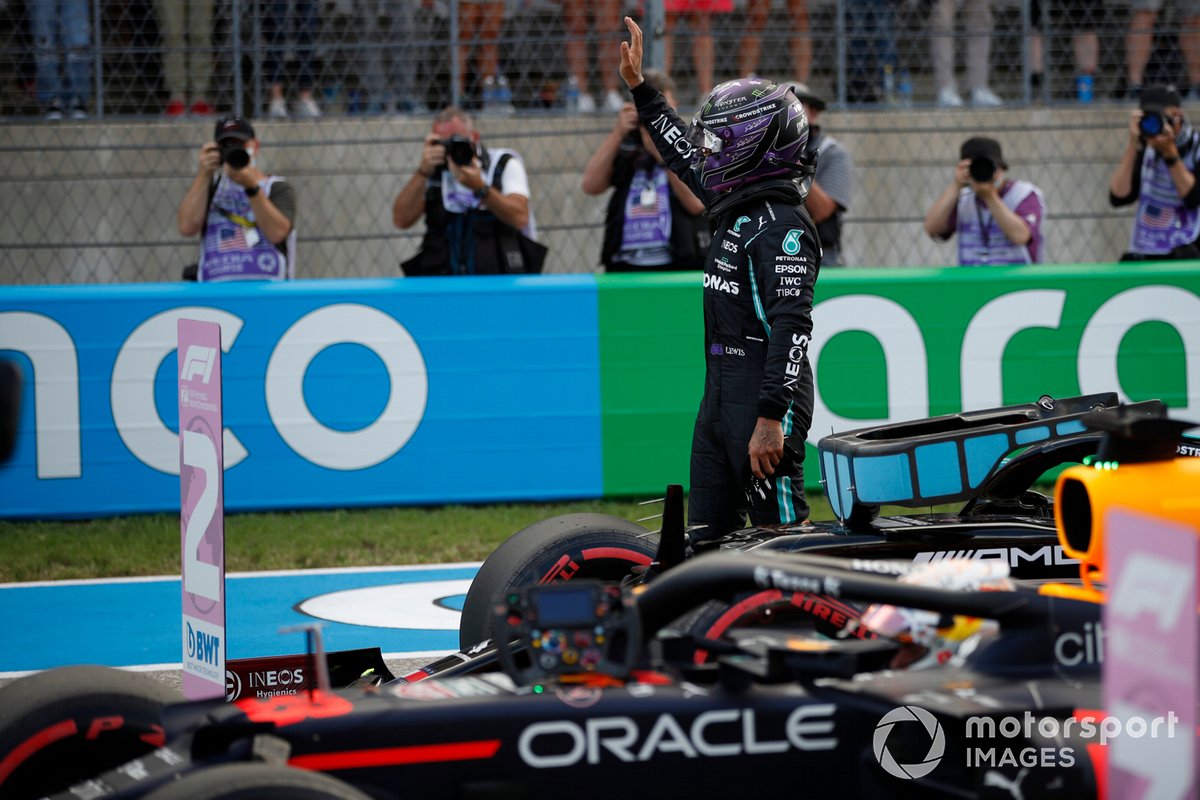
Hamilton qualified second in Austin, but his team were confident he could make something of the race
Photo by: Zak Mauger / Motorsport Images
The mood back at Brackley is also optimistic. Hamilton has the inside line for the run to Turn 1, and has a better remaining tyre allocation than Sergio Perez behind. With a nailed-on two-stop race at a track where overtaking is possible, there will be a number of chances to beat Verstappen.
But the work has really just begun for the strategy team at the RSR. Another five or six hours await as they go through all of the data and outline the various scenarios for the race before chatting later with Vowles. On Sunday morning, further meetings follow with team members and, importantly, the drivers, to brief them on the plan for the race.
“You try and brief the drivers in packets really, rather than throw everything at them in one go,” says Shovlin. “It’s a case of going through the bits they need to know in separate stages, just to avoid overloading them. The problem they’ve got is you can’t write notes in a racing car – your notebook will blow away!”
The race that unfolds on Sunday proves the significance of the work completed by the RSR team. It is a proper strategic thriller as, just like their drivers on track, Mercedes and Red Bull strategists go head to head.
"Monday is all about what went wrong, and there’s always something that went wrong. Sometimes it’s obvious, and there’s an Autosport article about it! It’s never, ever flawless" Joseph McMillan
Hamilton takes the lead at Turn 1, only for Red Bull to throw a curveball and pit Verstappen earlier than expected. It prompts Mercedes to extend its stints for Hamilton to create a tyre delta, leaving him with an eight-second gap to make up in the closing stages with tyres that are eight laps fresher. He ultimately falls agonisingly short, crossing the line 1.3 seconds behind Verstappen.
Post-race, the strategists will conduct a complete analysis figuring out the right and wrong calls, and whether it was possible to have won the race. The team advocates a no-blame culture and a ‘blackbox thinking’ approach to mistakes, learning from setbacks.
“Monday is all about what went wrong, and there’s always something that went wrong,” McMillan says. “Sometimes it’s obvious, and there’s an Autosport article about it! It’s never, ever flawless. And we’re always like, ‘How can we have done that better?’ You just have to believe in that, and make sure you never make the same mistake twice.”
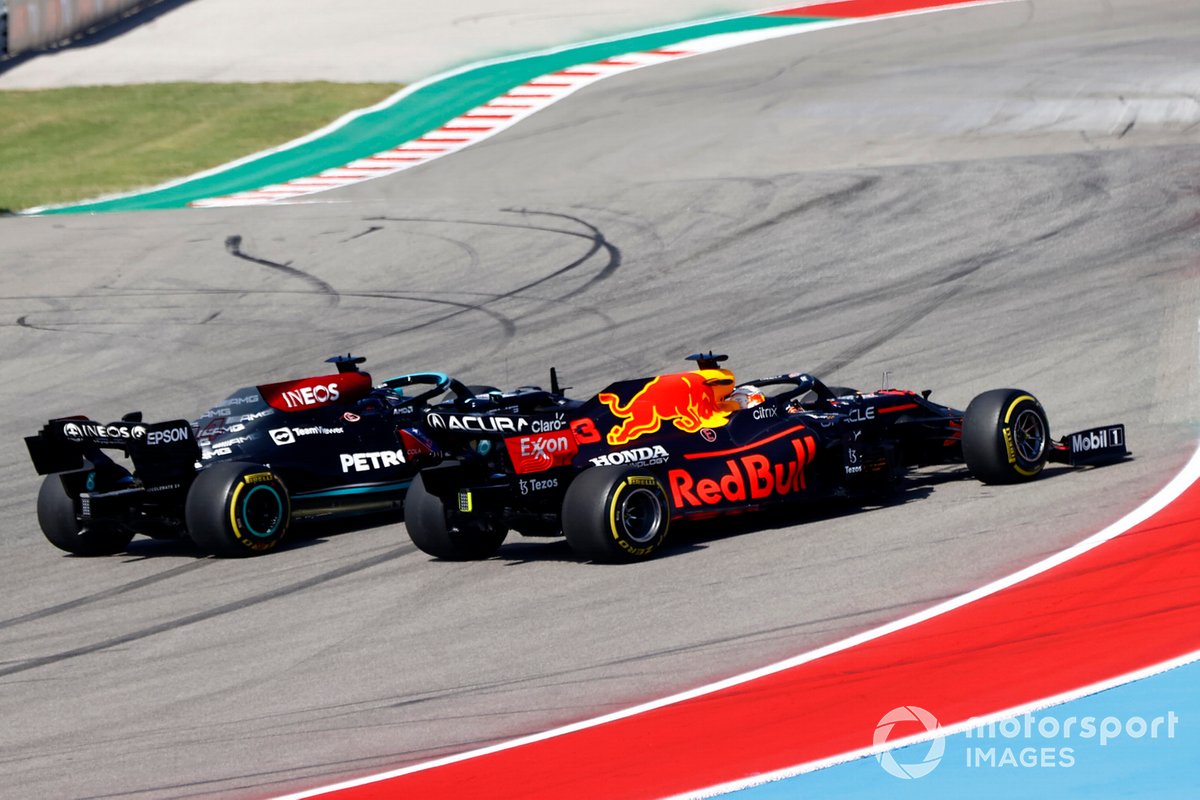
Hamilton took the lead at the start, but couldn't hold off Verstappen who took the lead with an aggressive undercut in the pits phase
Photo by: Andy Hone / Motorsport Images
While the intensity of the title fight brings greater pressure than in previous years for the men and women operating in the RSR, it also means their work takes on an added meaning.
“This year is definitely the most rewarding, because it’s so close!” says McMillan. “I’ve always felt the pressure to win, and when you make a mistake it’s awful, and when you win a race it’s great.
“But I never quite realised how much. Like, we win on a strategy call or we lose on a strategy call – that’s different when there’s seven points up for grabs and so little between us. This year’s crazy.”
It may be thousands of miles away from the track and on a completely different timezone, but the RSR has become an integral part of the serial-winning juggernaut Mercedes has evolved into over the past decade. In a championship fight as close as the one between Hamilton and Verstappen this year, its operations may be more decisive than ever come the chequered flag in Abu Dhabi.
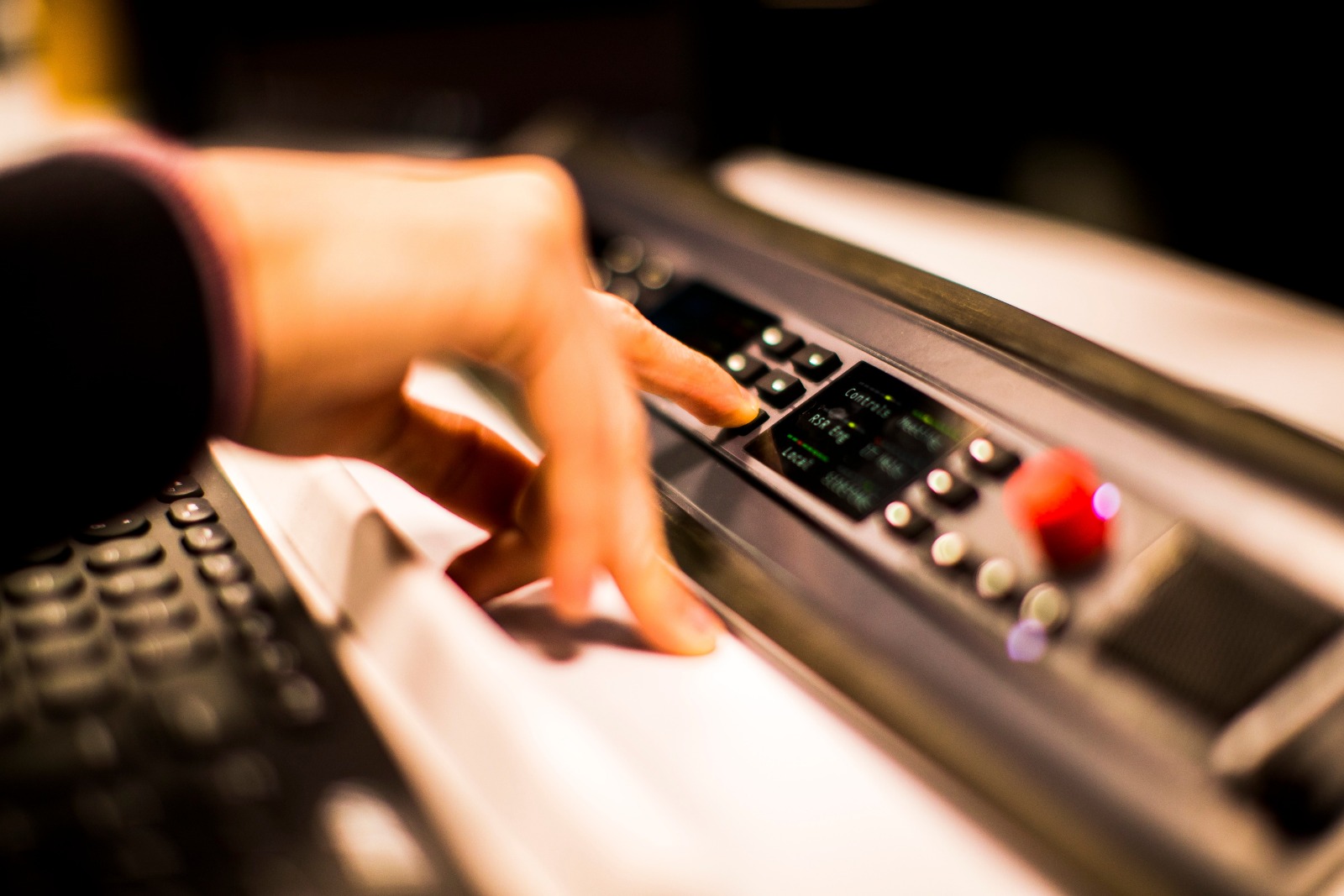
The function of the RSR will be more important than ever in the final five races of the 2021 campaign
Photo by: Mercedes


1998 Belgian GP: When the Schumachers went to war
F1 Monaco GP 1982 retrospective: Remembering F1's craziest finish

Has Alonso made the right choice gambling on Aston Martin F1?

Hamilton in the process of selecting Brad Pitt’s co-star for F1 movie

How ‘demanding’ Alonso has started life with Aston Martin

Ocon got "very sick" in F1 off-season due to bad lung virus

Brown: No reason not to expand F1 grid if new teams pay "fair" fee

Hamilton: Nothing will stop me speaking up on important issues in F1

FIA expects F1 races in Qatar and Abu Dhabi to run as planned

Top five roles on Motorsport Jobs this week

Champions crowned at incident-filled Donington Park 750 Motor Club meeting

Why Toyota’s 2026 WEC triumphs have put it into the all-time greatest endurance racing team debate
Subscribe and access Autosport.com with your ad-blocker.
From Formula 1 to MotoGP we report straight from the paddock because we love our sport, just like you. In order to keep delivering our expert journalism, our website uses advertising. Still, we want to give you the opportunity to enjoy an ad-free and tracker-free website and to continue using your adblocker.


Top Comments