


Aeroscreen only '10% as effective' as halo in Spa F1 start crash
The FIA believes the 'aeroscreen' concept would have been only 10% as effective as Formula 1's halo in protecting Charles Leclerc in the Belgian Grand Prix start crash


The official investigation into the Spa accident, which was caused when Fernando Alonso was tipped over the top of Leclerc's Sauber by a late-braking Nico Hulkenberg at the first corner, has concluded that the halo played a crucial role in preventing injuries.
The halo withstood the 58kN strike that it took from Fernando Alonso's right-front wheel, and analysis showed it deflected the car away from striking Leclerc's helmet.

The FIA believes that without the halo Alonso's front wing endplate would have hit Leclerc on the visor - although it cannot be sure about how severe the contact would have been.
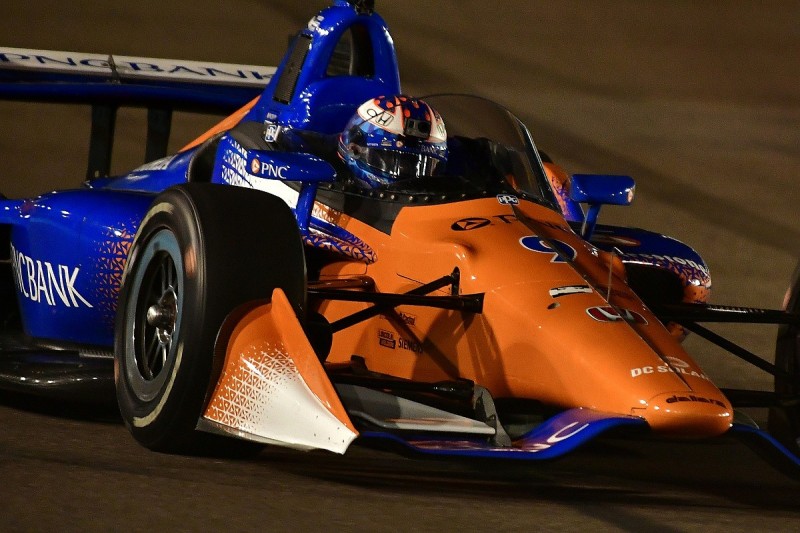
There remains opposition to the halo on aesthetic grounds, and there are factions who would have preferred F1 to have pursued the 'aeroscreen' windshield idea that both Red Bull and Ferrari tested on track and IndyCar has been researching a version of.

But F1 race director Charlie Whiting said the nature of the Spa accident was such that the aeroscreen would have been much less effective.
"What we've seen with the accident in Spa is that the sort of device tested by IndyCar would probably not have been as effective, it would probably only offer about 10% of the protection that Halo offers," explained Whiting.
The FIA is committed to the halo for now, and it is working on ensuring that the cockpit protection system appears more integrated with the overall design of the new generation of cars coming for 2021.
FIA safety director Adam Baker told Autosport: "The next generation of halo will be part of the F1 regulation update planned for 2021.
"Importantly the halo is a key element of the car concept from the beginning, enabling a true structural integration and a shape which blends visually into the profile of the car."
In the shorter team the Leclerc incident, on the back of the Formula 2 accident involving Tadasuke Makino and Nirei Fukuzumi at this year's Spanish Grand Prix meeting, has given the FIA a wealth of data to help improve safety even further.
The calculation of the loads applied to the halo will, for example, assist it in determining the performance criteria and scope for new material use for the future generation designs.
The FIA's next step is to integrate a high speed camera in to the halo itself, beginning with the Gen2 Formula E cars.
"The new camera position gives us a better view of the upper body and its interaction with the cockpit environment without obstruction from the steering wheel," Baker explained.
"The halo camera will be fitted in all cars for the first Formula E race of season five in Riyadh. It will then be adopted into F1 for 2019 and F2 for 2020."
Share Or Save This Story


Brundle awarded OBE in King’s New Year’s honours

The new rules dilemma that will define the 2025 F1 season

Jon Noble: An unfair perception or a genuine concern? Lifting the lid on Red Bull’s Tsunoda scepticism

The key factor as Alonso weighs up F1 future

What Red Bull's succession plans for Lambiase and Marko reveal about team's F1 future

Mercedes "struggling to understand" Russell's deployment issues in F1 2026

The expectation on Aston Martin's shoulders as it prepares to debut its Hungarian GP updates
Subscribe and access Autosport.com with your ad-blocker.
From Formula 1 to MotoGP we report straight from the paddock because we love our sport, just like you. In order to keep delivering our expert journalism, our website uses advertising. Still, we want to give you the opportunity to enjoy an ad-free and tracker-free website and to continue using your adblocker.


Top Comments