
Top 10 moments of an underrated British great
Brian Redman was one of the best sportscar drivers of the 1960s and 1970s, as well as a three-time champion on the fearsome American Formula 5000 scene. To celebrate his 84th birthday Autosport contacted him about his best races – and he decided to write the piece himself…
Autosport Retro
Telling the forgotten stories and unearthing the hidden gems from years gone by.
When Autosport asked me to recount my 10 best races, I thought it would be easy. But then I realised that, besides the sheer number of events I’d done in my 61 years of racing, there was also the complicated interpretation of what ‘best’ means.
There were races I was fortunate enough to win where I just went out, did my job and looked after the car. Nothing memorable except the result and the spray of victory champagne at the end.
And there are other races where I drove my heart out – given my very best – and yet failed to achieve a meaningful result. I gave it much thought, and decided that, for the purposes of this story, I’d define ‘best’ as ‘most important’ or ‘pivotal’ to the advancement or continuation of my career.
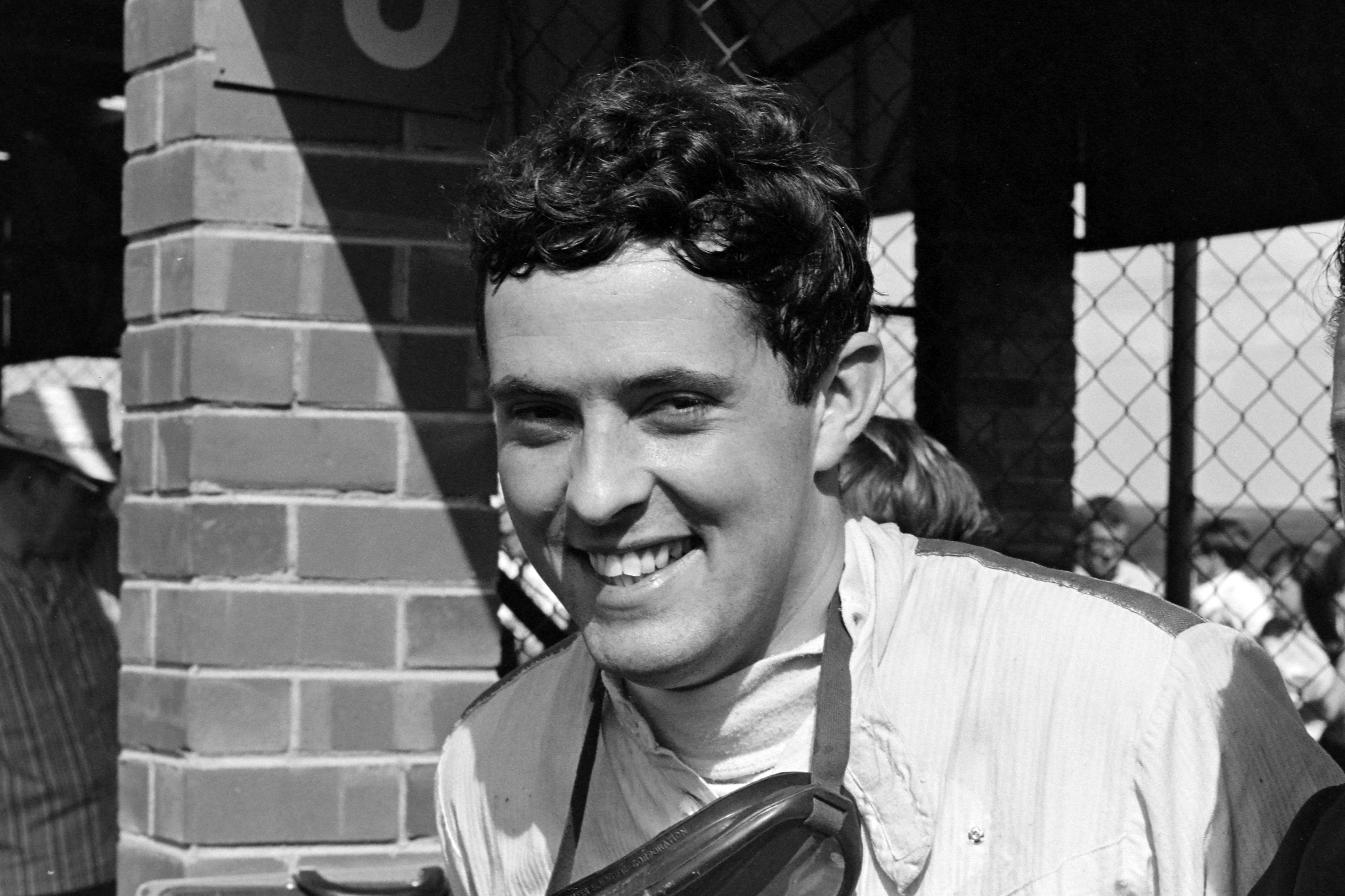
Brian Redman 1968
Photo by: Motorsport Images
10. First drive in Jaguar E-type ‘4 WPD’
Gordon Brown was a huge Jaguar enthusiast/expert and in 1965 asked if I’d like to try his ex-works, ex-Stirling Moss XK120 at a Woodvale Sprint, near Southport. I managed fastest time of the day and Gordon said he’d get me a drive in the ex-John Coombs/Graham Hill lightweight E-type, ‘4 WPD’, recently bought by Charles Bridges’ Red Rose Motors.
I met Charles and the E-type on a beautiful Thursday morning in late April at Oulton Park, along with mechanic Terry Wells, who’d essentially come with the car. I’d never driven an E-type before but knew the track well. This was a great opportunity and I drove as if my life depended on it! I managed to lap three seconds faster than Charles and under Jackie Stewart’s Ecurie Ecosse GT record.
No one important had ever heard of me, so Brabham declined to sell us one of their new BT23 chassis
Charles and I went on to have a great season with the E-type, beaten only once by a Ron Fry’s Ferrari 250 LM at Silverstone. In 1966 we continued with a Lola T70 Mk2 in club and international events, and that led to more opportunities.
At the end of the year I was given third place in the Grovewood Awards behind Chris Lambert and Jackie Oliver. I was on my way…
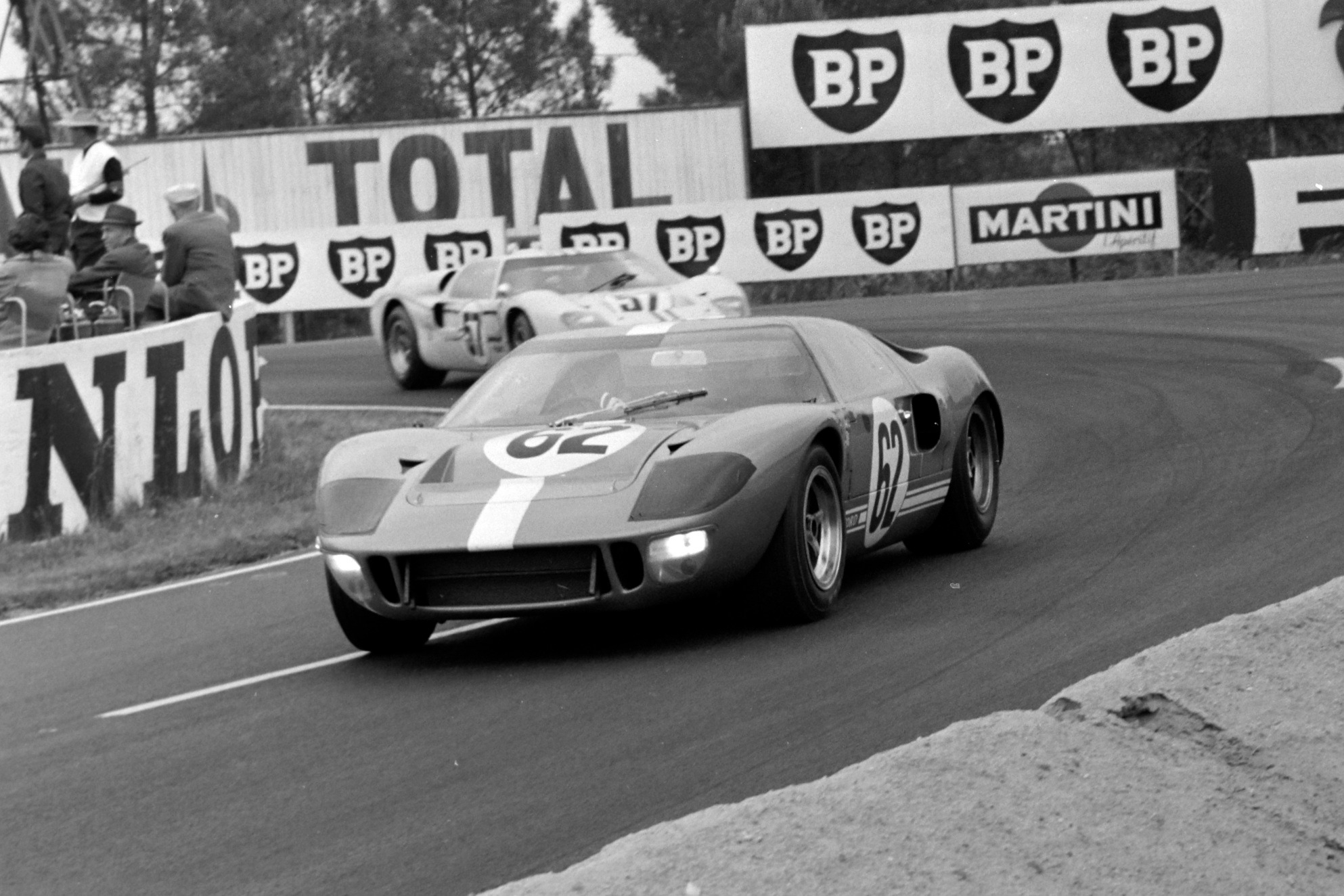
Brian Redman 1967 Le Mans 24 Hours Ford GT40
Photo by: Motorsport Images
9. 1967 Paris 1000Km, Montlhery
In 1967 I turned professional when Charles’ younger brother David offered me a guaranteed £30 a week with a competitive car and a mechanic to race in Formula 2. But no one important had ever heard of me, so Brabham declined to sell us one of their new BT23 chassis and Cosworth likewise declined to sell David one of their latest engines.
So, I was thrown into F2 at the deep end, competing against top teams and international stars in David’s two-year-old BT16. I learned a lot, scored a few promising results, did Spa and Le Mans (pictured, above) in GT40s, and then David Piper asked if I’d like to drive his 250 LM with Richard Attwood at the Paris 1000Kms at Montlhery.
It poured with rain and we managed sixth overall and first in the Sport class. After the race a tall, distinguished-looking gentleman introduced himself. It was David Yorke, team manager for JW Automotive Engineering, and he wondered if I’d like to co-drive with Jacky Ickx in the upcoming Kyalami 9 Hour.
Jacky and I wound up winning that race and afterward I was presented a contract to drive for JWA for the 1968 season. And soon after that, a call came from John Cooper asking if I’d like to join his F1 team.
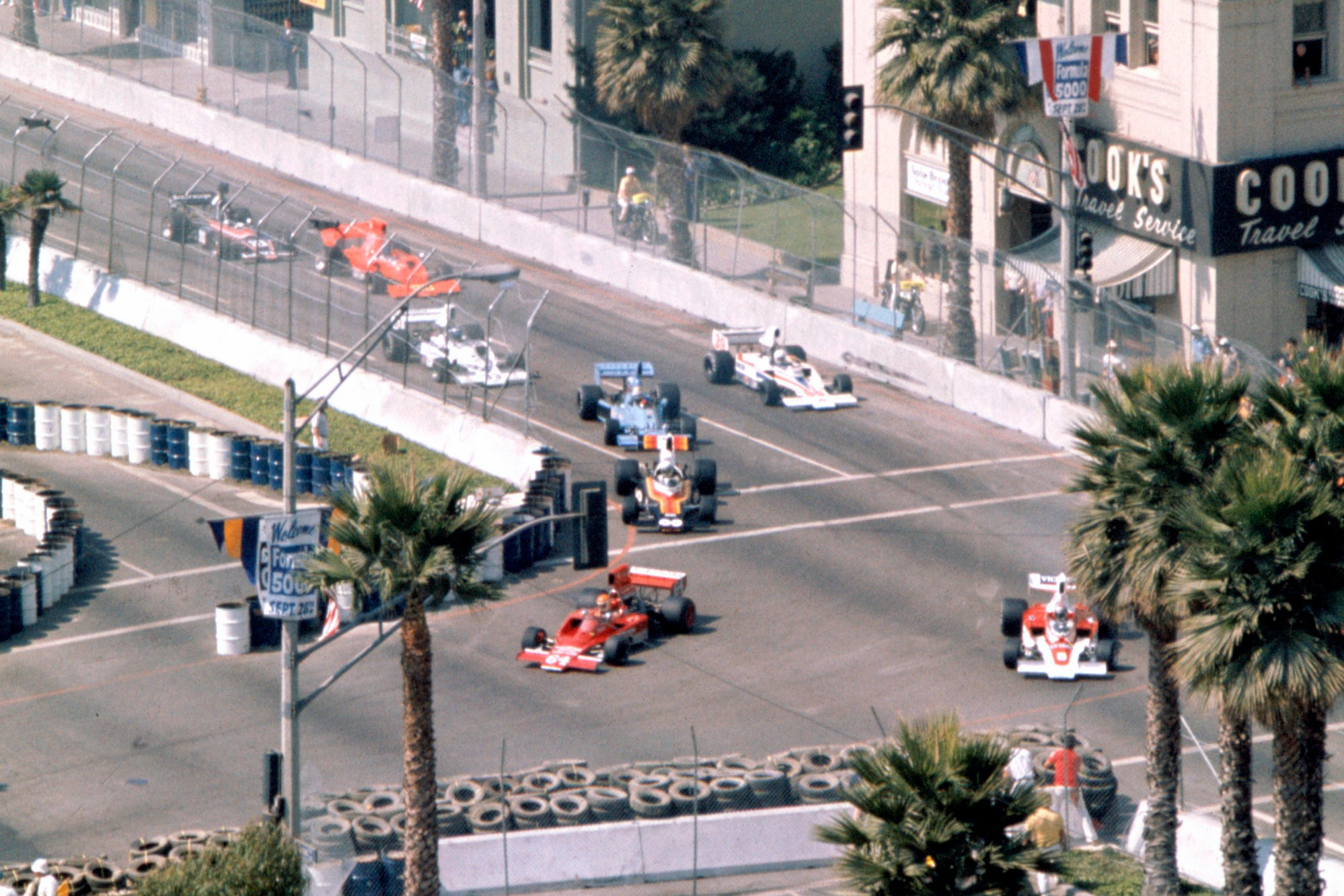
1975 Long Beach GP start
Photo by: Motorsport Images
8. 1975 Long Beach Grand Prix
While my star never managed to ascend as I might have wished in F1, I did better driving F5000 in North America for Jim Hall and Carl Haas in the works Lola T332. We managed to win three championships on the trot (1974-76) and the competition was occasionally fearsome.
PLUS: Lola's 10 greatest cars
I particularly recall the Long Beach Grand Prix of 1975, even though our result was more due to perseverance, sensitivity, luck and attrition than brilliance. The race was of course the brainchild of Chris Pook and was inspired by the Monaco GP. Chris believed a similar event could be organised near Los Angeles, and the somewhat less-than-glamorous industrial port city of Long Beach was chosen as the venue. After much work and a lot of help from Dan Gurney, Riverside promoter Les Richter and other racing enthusiasts, the dream became a reality when an F5000 race was scheduled for late September.
It attracted an enormous entry – 44 cars – including established F1/Indianapolis stars Mario Andretti, Chris Amon, Jody Scheckter, Tony Brise, George Follmer, Jackie Oliver, David Hobbs, Brett Lunger, Graham McRae, Vern Schuppan, Tom Pryce, Danny Ongais, Al Unser Sr and Gordon Johncock.
The limited-slip broke again coming out of Turn 1, so all I could do was back off over the rough pavement sections while doing my best to maintain speed
The new track was very rough in spots and had many second and third-gear corners. When I cracked the throttle open coming out of one during qualifying, the car unexpectedly jumped sideways. I talked with Jim Hall about it, and he said he hated to open the gearbox the night before the race, but he agreed they’d take a look. Sure enough, the Weismann limited-slip differential had broken, and was replaced.
In the early going, Andretti and rising star Brise scrapped for the lead, with Unser in third and me in fourth, watching the action ahead. Then the limited-slip broke again coming out of Turn 1, so all I could do was back off over the rough pavement sections while doing my best to maintain speed.
Then Unser dropped out with broken suspension and Andretti stopped with a broken gearbox. And then, just one lap later, Tony Brise was out with a broken half-shaft!
It turned into a very lucky win for us and clinched our second straight F5000 championship. I put this in because of the difficulties we had with the diff and because of the quality of the entry.
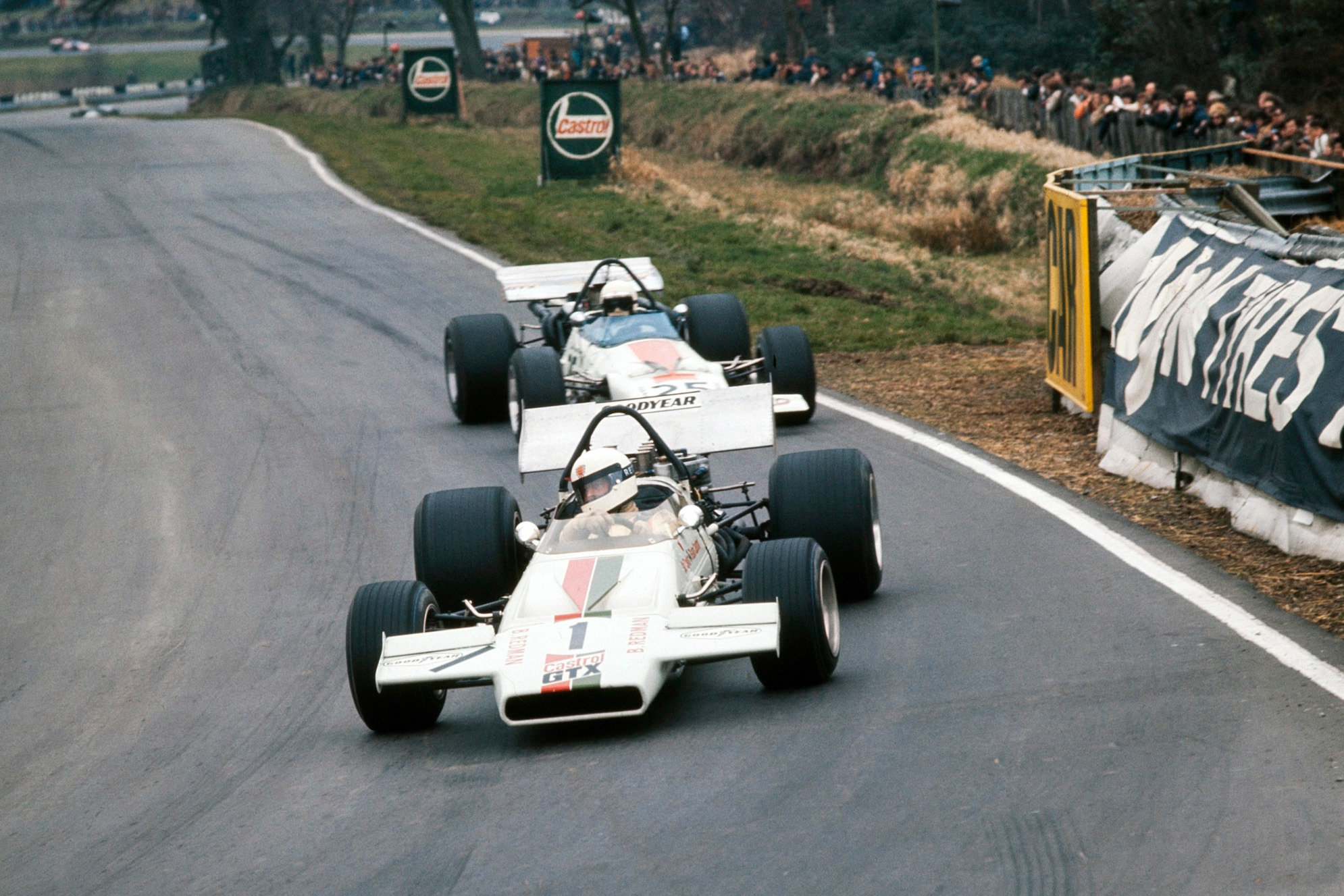
Brian Redman, European F5000 1971 Mallory Park
Photo by: Motorsport Images
7. 1971 Imola 500Km
I retired from motorsport in 1970 as I’d become increasingly concerned for my family and about the dangers and career uncertainty involved, and attempted a short and ultimately foolish emigration to South Africa and a job in a car dealership.
It quickly became apparent that I was both an Englishman and still a racer at heart, and returned to the UK in 1971 with no drive lined up and few prospects. The only offer on tap was a drive in Sid Taylor’s F5000 McLaren M18 (pictured above at Mallory Park), which proved itself obsolete compared to the likes of Frank Gardner’s lightweight, F2-based Lola T300.
In late August Sid rang to ask if I’d like to do the Imola 500Km in a Tony Southgate-designed BRM P167 Group 7 car on loan from BRM. It turned out to be a fine car and, on 12 September, I had a great race in pouring rain, lapping a field that included Peter Gethin in a McLaren M8E, Leo Kinnunen in a Porsche 917 Spyder and Clay Regazzoni in a works Ferrari 312 PB.
PLUS: The greatest cars never to win Le Mans
After the race, Ferrari team principal Mauro Forghieri came up and asked, “Brian, what are you doing next year?” And that led to two great years with Ferrari!
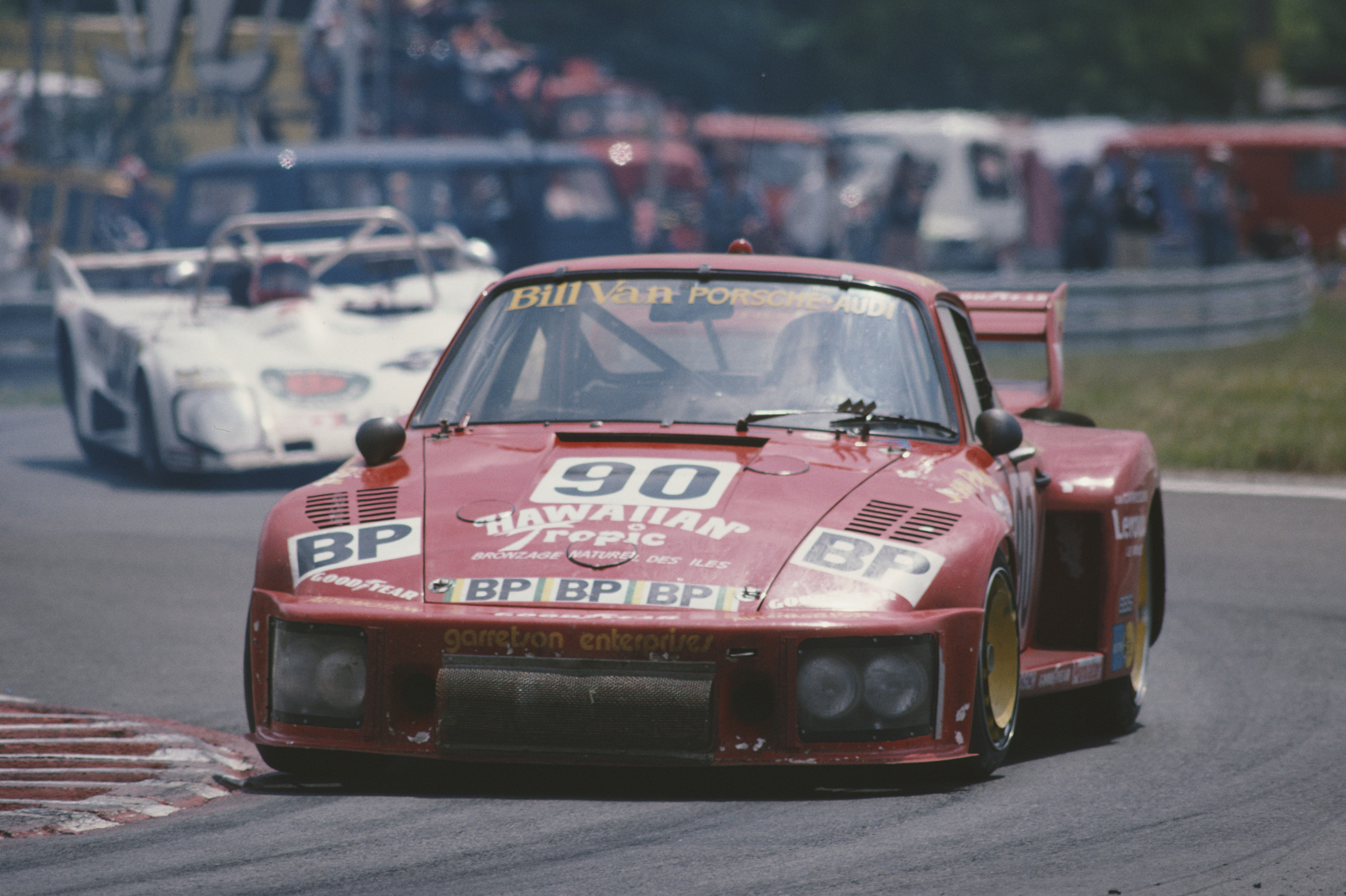
Brian Redman 1978 Le Mans 24 Hours, Dick Barbour Racing Porsche
Photo by: Rainer Schlegelmilch/Motorsport Images
6. 1978 Sebring 12 Hours
After our success in US F5000, the Sports Car Club of America changed the rules for 1977. Although the races were exciting, spectator turnout for F5000 hadn’t been as good as for Can-Am cars, which had been legislated out of existence in 1974. So, for promotional purposes, we were asked to put all-enveloping, Can-Am-style bodywork on our F5000 single-seaters and rechristen them once again as ‘Can-Am’ cars.
I arrived in St Jovite, Canada, in early June for the first race – I hadn’t even seen the new car before – but knew that, prepared by Jim Hall’s crack Chaparral crew, it would be good. After 10 laps or so of practice, I came in and requested that they lower the front wing by a quarter of an inch.
On the next lap, at roughly 160 mph, the Lola simply took off. It climbed a more-than-respectable 30 feet into the air, did half a somersault and returned to earth upside down. But still going at an impressive rate of knots.
I recall the rollbar collapsing and feeling my helmet scraping and skittering along the pavement, and I was lucky that the Lola rolled off the road towards the end, turned over and landed on its wheels. That afforded the heart-specialist track doctor access to practice his trade and get me up and running again.
Then the ambulance blew a tyre on its way to the hospital! When my wife Marion arrived from England the next day, the headline in the Montreal newspaper read “Redman Est Mort”. That was a bit of an exaggeration, thank goodness, but I did have a broken neck (C1), broken shoulder, broken sternum and broken ribs, plus bruising of the brain. Things were not too good.
As always, Sebring provided shocks and surprises as the top runners suffered myriad problems. Perhaps most surprising of all, we won the race
By November I was able to start running slowly and thinking about what to do and if I could, or even wanted to, drive again. I called Porsche/Audi/VW of America competition manager Joe Hoppen and asked if he could find me a decent ride for Sebring the following March. He put me in touch with noted privateer Porsche entrant/driver Dick Barbour, who ran cars for himself and some topline professionals, plus a second car rented out and sometimes co-driven by Bob Garretson, owner of Garretson Enterprises, which prepared the Barbour Porsches.
In 1978, the Sebring 12 Hours was going through one of its periodic business difficulties, and the event was taken over by Charles Mendez, a Tampa businessman with great enthusiasm for motorsport but limited racing experience. He and Garretson became my co-drivers in Porsche 935 #9, while Dick Barbour shared car #6 with Porsche factory drivers Rolf Stommelen and Manfred Schurti.
As always, Sebring provided shocks and surprises as the top runners suffered a myriad of problems. Perhaps most surprising of all, we won the race, beating the fast-closing 935 of Hurley Haywood and Bob Hagestad by a mere 90s after 12 hours of racing. Afterwards, Dick Barbour asked if I’d like to do more races with him (including at Le Mans, pictured above), and this led to part-time racing employment for two more years.
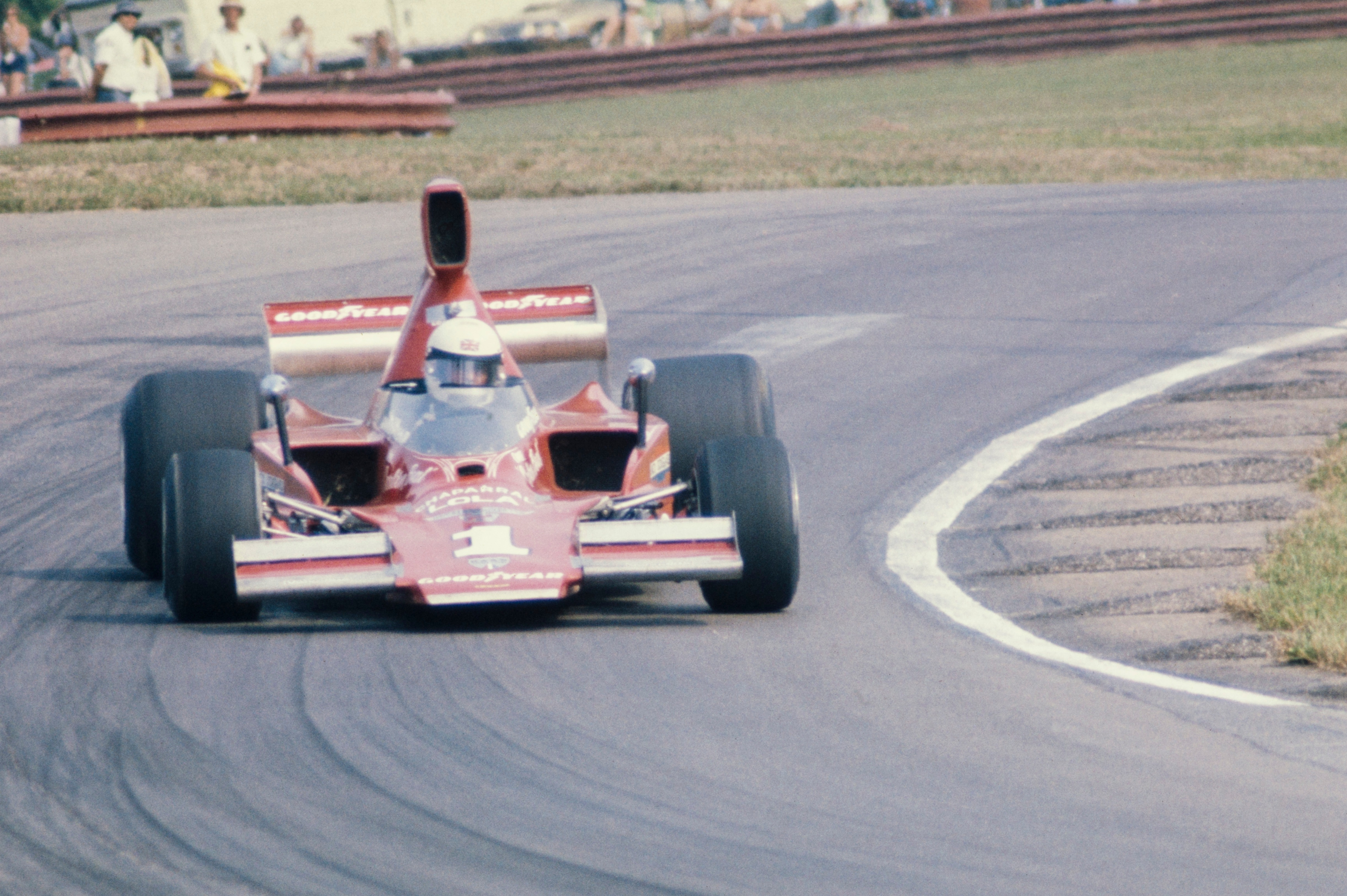
Brian Redman Mid-Ohio F5000 1975
Photo by: Motorsport Images
5. 1975 Mosport F5000
When United States Automobile Club joined the SCCA in promoting the F5000 series, it was a game-changer. Into the series came drivers such as Mario Andretti and Al Unser Sr – driving for California Ford dealer ‘Vel’ Miletich – and racing legend and Firestone tyre dealer Rufus ‘Parnelli’ Jones. They lured away my chief mechanic from the previous year, Jim Chapman, for an extremely serious attack on the F5000 series. Indy greats Bobby Unser, Gordon Johncock and Johnny Rutherford joined the series as well.
The race that stands out in my mind was Mosport in 1975 in the Lola T332. Now Watkins Glen and Sebring are famous for exuberant, even riotous crowds but let me assure you Mosport is their equal. In fact, the race had to be delayed for an hour and a half while broken beer bottles were swept off the track!
Mosport is a challenging track with few overtaking opportunities and, just before the race, I mentioned to Jim Hall that Mario had dropped his rear wing for more speed up the long, uphill straight. Jim asked if I’d like to do the same, but I thought we should leave it. The end result was that, lap after lap, Mario would draw away six lengths or so on that straight and I’d be back all over him by the end of the last corner. But I couldn’t get passed.
I set the fastest lap, but Mario beat me to the flag by a scant half-second, and we lapped the entire field in the process. That was a great race, even if I came home second.
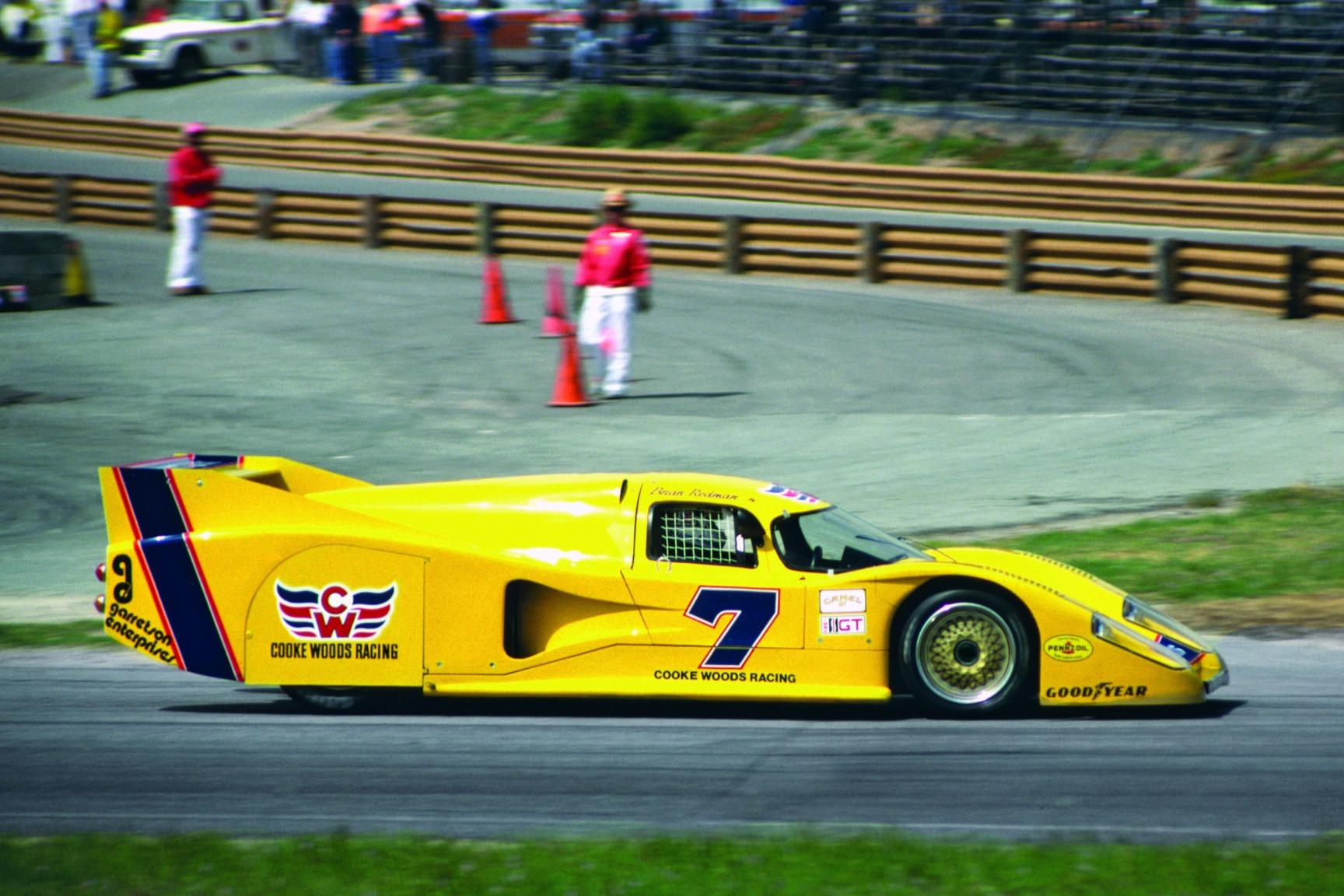
Brian Redman IMSA Laguna Seca 1981
4. 1981 IMSA Laguna Seca 100 Miles
I closed out 1979 with no promising drives on the horizon, no prospect of gainful work in the Yorkshire Dales and still recovering from my accident at St Jovite. Marion helped me make the life-changing decision to move from Gargrave to Highland Park, Illinois, to work for American Lola and Hewland gearbox importer/distributor Carl Haas.
Almost as soon as I started work at Carl’s office, a letter arrived from John Bishop’s IMSA organisation, announcing a brand-new Grand Touring Prototype category for 1981. I suggested to Carl that, given its Can-Am, F5000 and endurance-racing experience, Lola could surely build a car to these new regulations. Carl agreed and I went to England to meet with Eric Broadley at Lola.
PLUS: The full story of Lola
He saw the opportunity but felt that, while it was tempting to simply update his T70 Mk3B, to the new regulations, there had been significant advances in aerodynamics and it would be better to build a new car with ground-effects.
On Saturday evening, Carl said, “Brian, if this car doesn’t win tomorrow – Lola Cars are going to go bankrupt…” No pressure at all!
After testing at Sears Point and Riverside went well, we decided to enter the new Lola T600 for the fifth IMSA race of the season at Laguna Seca. We chose to run this short, 100-mile race as we knew nothing about the new VRG Hewland gearbox or indeed how the Chaparral-built 5.7-litre Chevrolet would perform.
At the race were Broadley, Haas, team owners Ralph Kent Cooke and Roy J Woods Jr and my best ‘good luck’ charm of all, Marion. We qualified fifth, but I wasn’t unduly worried as the turbocharged Porsche 935s could turn their boost up for short periods, giving 800bhp to our 600, but couldn’t keep it there for very long if they wanted to finish the race. On Saturday evening, Carl said, “Brian, if this car doesn’t win tomorrow – Lola Cars are going to go bankrupt…” No pressure at all!
Early in the race, coming into the fast, top gear, left-hand Turn 1, the T600 gave an unpleasant little twitch at the back. It was almost certainly a loose wheel or a puncture, but there’s no time to pit during a 100-mile sprint race. As you can imagine, I began to worry about all the horrendous things that might happen if a tyre blew or a wheel came off.
Lap after lap I thought “I must pit” but carried on. Then, suddenly (and now down in 10th), all miraculously felt good again. I put my foot in it, climbed back up through the field and damn if we didn’t win!
The next morning Eric and I were looking at the T600 with the rear wheel covers off. I remember Eric bent down, stared at that left-rear wheel, then stood up and took his glasses off: “Brian, that’s exactly what’s supposed to happen, but I’ve never seen it actually work before.” The left-rear wheel hub nut had worked itself loose, wound itself off, broken the spring-steel safety clip… then wound itself back on again!
The T600 and I went on to score five first-place finishes plus five seconds to win the championship and not incidentally save Lola from receivership. And it was especially rewarding since the car had been my idea in the first place!
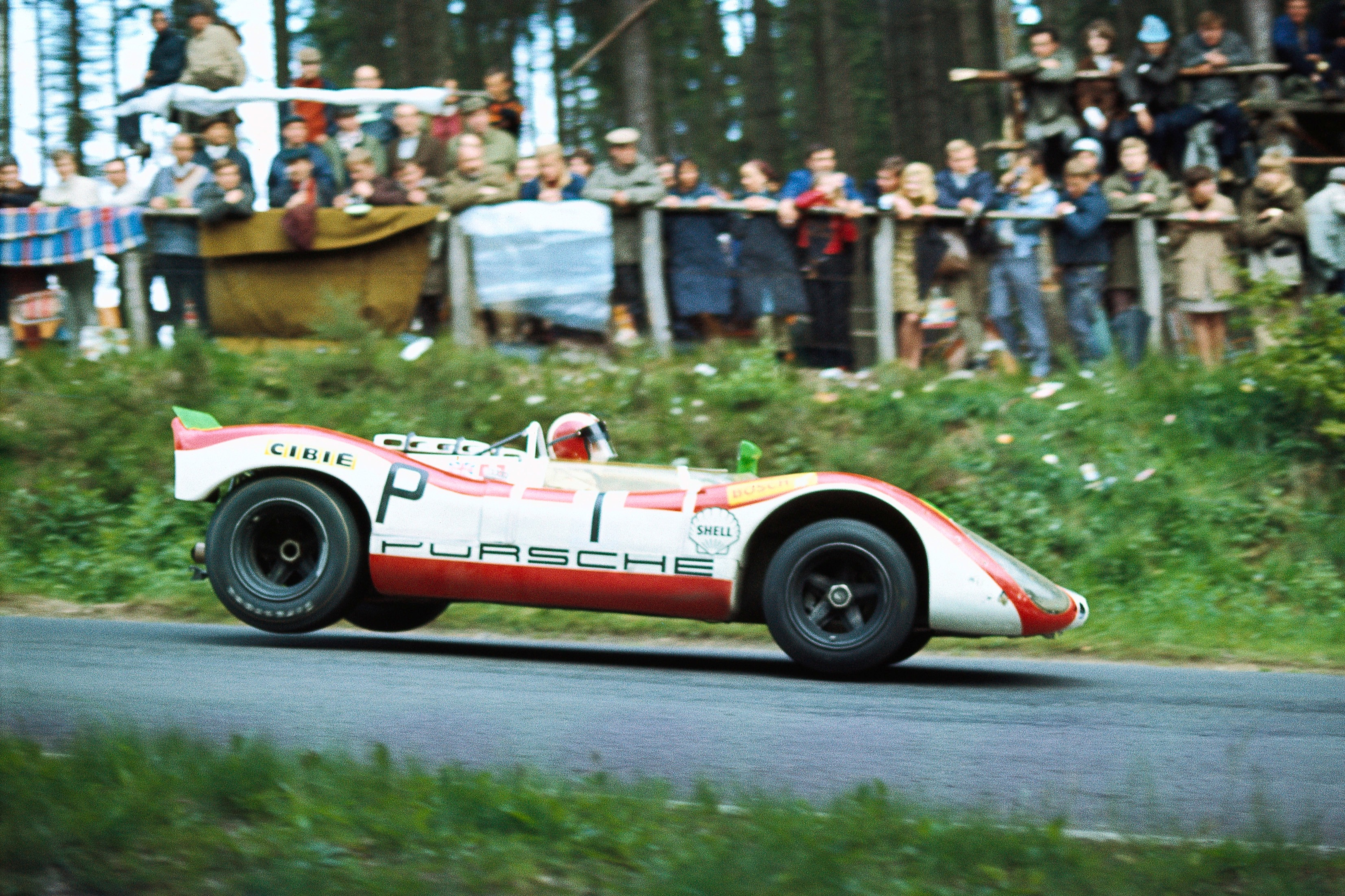
Brian Redman/Jo Siffert 1969 Nurburgring 1000km
Photo by: Motorsport Images
3. 1969 Nurburgring 1000Km
After recovering from a compound fracture of the right forearm sustained when my F1 Cooper ’s front suspension broke at the Belgian GP, I signed a sportscar contract with Porsche for the 1969 season.
Head of Porsche motorsport Ferdinand Piech – a grandson of Ferdinand Porsche – was a man of inexhaustible energy and ambition. The team manager was multi-lingual racer/journalist Rico Steinemann, and the two of them put together a formidable team.
Jo Siffert and I won at Brands Hatch and Monza, and when we arrived at the Nurburgring, there were three newly modified 908/2 ‘Flounders’, with smoother bodywork to try and increase top speed. In practice, Siffert crashed one and Vic Elford the other. So Siffert and I were given a spare Porsche Salzburg (Piech’s mother’s ‘privateer’ team) 908/2… and we won. Up to this point, the six German drivers on the factory had been complaining that ‘Siffert and Redman get the best car’. After this win there were no more such comments.
Top 10: The greatest sportscar drivers never to win the Le Mans 24 Hours
Using journalist Anthony Pritchard’s words: “When Redman took over from Siffert and Pedro Rodriguez relieved Chris Amon in Maranello’s 312 P, it seemed likely that the Ferrari would be able to catch the Porsche. Instead, however, Redman increased the 908’s lead.”
At the prize-giving, I received one of the prized Nurburgring rings, which I wear to this day.
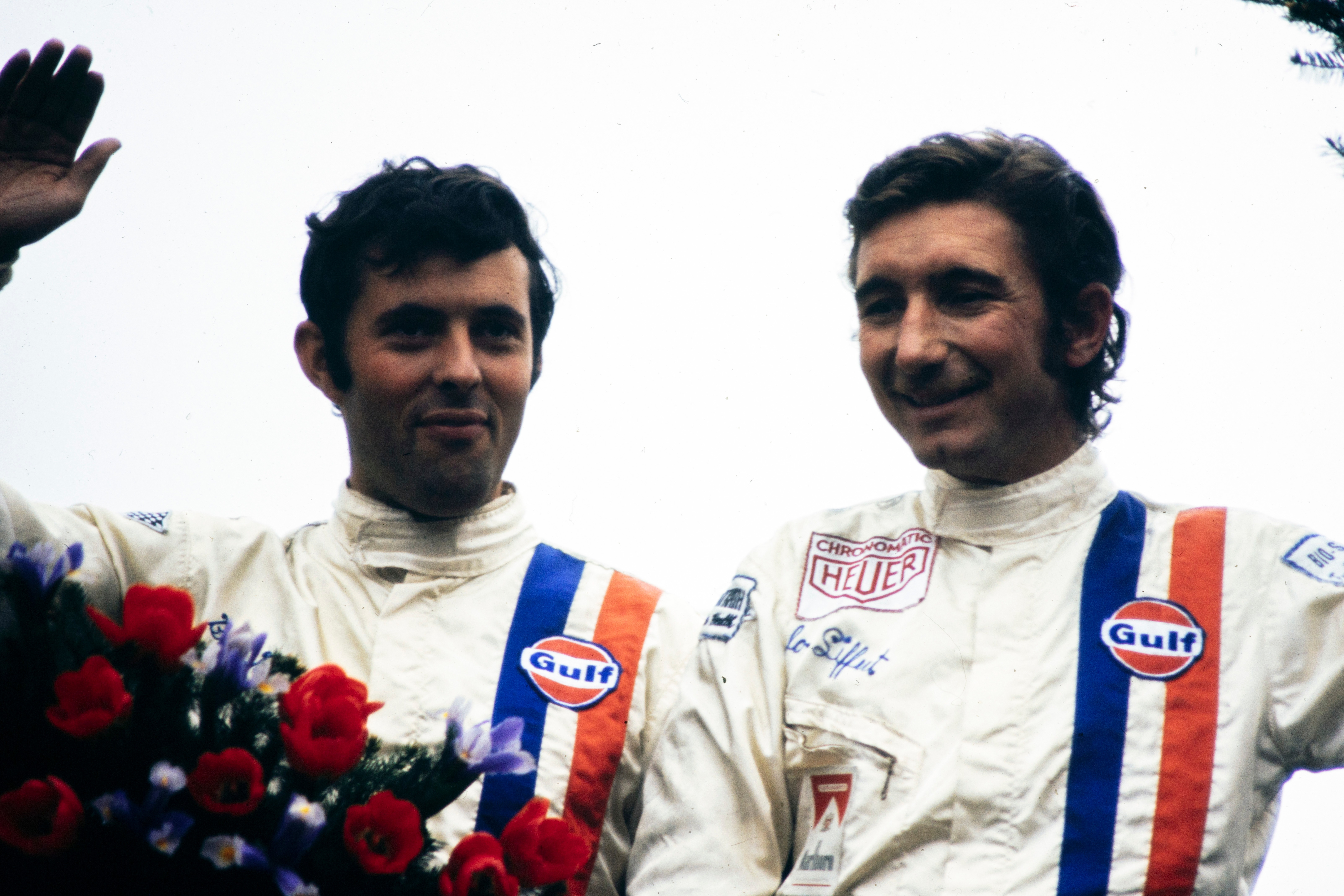
Brian Redman, Jo Siffert 1970 Spa 1000km
Photo by: Motorsport Images
2. 1970 Spa 1000Km
Spa was the fastest and most dangerous road-racing circuit in the world. It frightened me the first time I went there with Peter Sutcliffe’s Ford GT40 Mk1 in 1966 and it continued to worry me whenever I raced there. But you had to come to terms with it if you were going to be a professional racing driver.
It was familiar to me by 1970 and I knew we had a top car and that I had a great co-driver when I went there with John Wyer’s Porsche-backed team. Our 917K was an awesome machine – driven through a loophole in the rules to become the fastest and most powerful endurance-racing car ever conceived – but it was new and radical in concept and ventured, structurally, mechanically and aerodynamically ‘to where no one had gone before’.
PLUS: Is the 917 the greatest racing car of all time?
On Friday morning, Siffert went out for first practice but didn’t come back. Team-mate Rodriguez stopped at the pits and told us that our 917K was stopped by the side of the road at the fastest part of the circuit, the Masta Straight, with a flat front tyre.
The crew went out, the tyre was changed, and Seppi returned to the pits gesticulating wildly and shouting Swabian expressions of anger and disgust, which, fortunately, I do not understand. All four wheels were changed and he went out again. And failed to return. So the crew rescued him again. Back in the pits, all four wheels were changed again and now it was my turn.
Arriving back in the pits, Siffert fell on the floor laughing. And when I asked what was so funny, he replied: “You are the colour of your overalls!”
I was gently building speed and confidence when, at the end of the slightly uphill back straight where you turned into the 180mph right-hander called La Carriere, the left-rear tyre came completely off the rim. The 917K went sideways, then back the other way, and I experienced that sickening, hollow feeling you get when you lose the sense of where the front wheels are pointing in relation to the angle of the slide.
But I’d read someplace that if you let go of the steering wheel, the Ackermann effect in the steering will straighten it all out for you. And it worked! Arriving back in the pits, Siffert fell on the floor laughing. And when I asked what was so funny, he replied: “You are the colour of your overalls!”
Overnight the wheel rims were removed and sandblasted in an attempt to stop the sheer centrifugal force from pulling the tyres away from the rims, and fortunately it worked. Seppi and I went on to score a great win over the Ferrari 512S of Jacky Ickx/John Surtees, and our average speed of 149.4mph – including pitstops – made it the fastest road race ever run up to that time. We had survived another foray into the unknown.
PLUS: Greatest drives of the sportscar legends
Following a rather boring prize-giving, Jo persuaded us to go celebrate with the mechanics – there was a great sense of relief along with the exultation – and the less said about our ensuing antics the better. They involved Marion, the hotel manager and some other guests, and Porsche was not happy at all about being subsequently banned from the hotel.
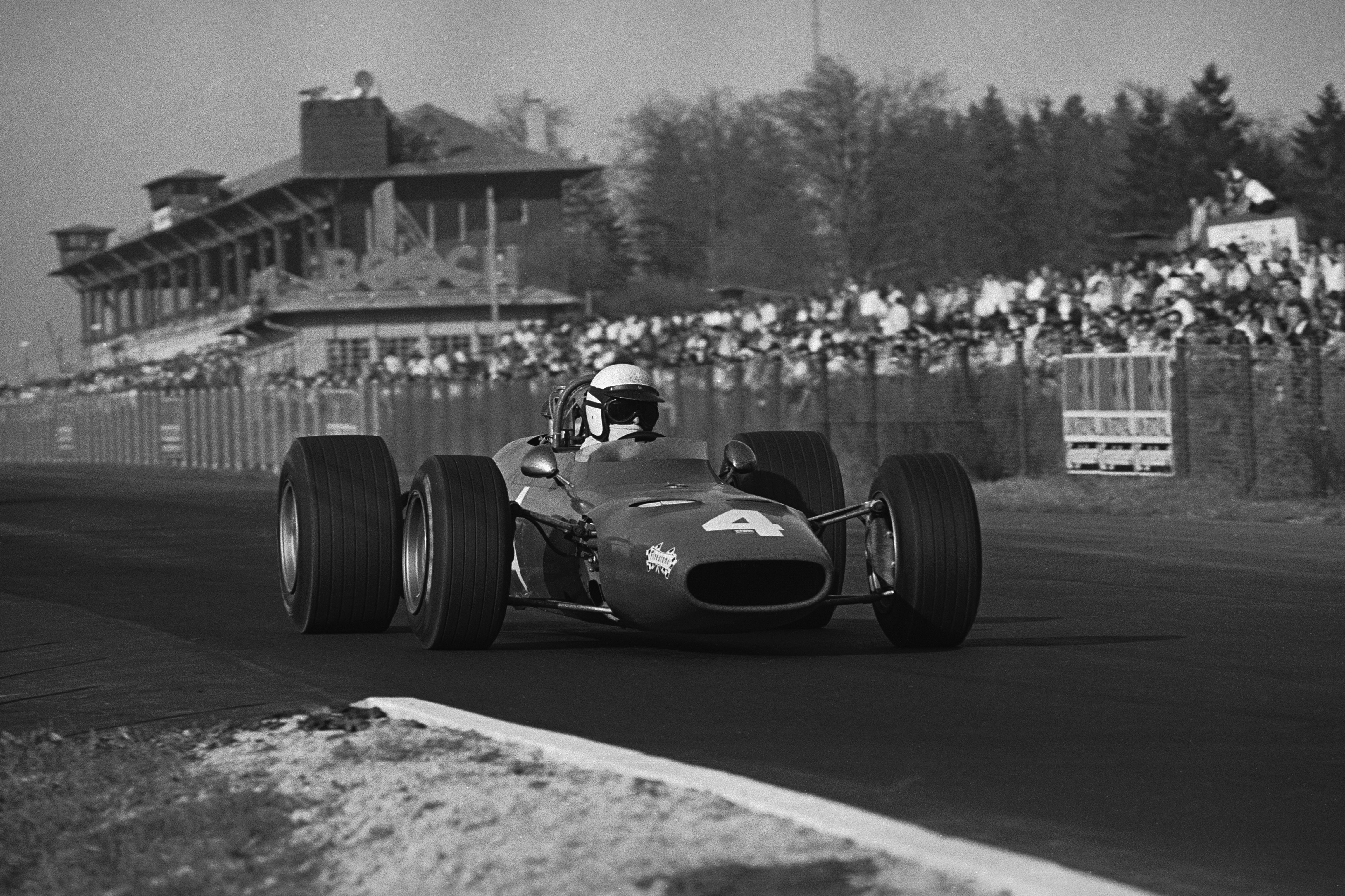
Brian Redman, F2 Nurburgring 1968
Photo by: Motorsport Images
1. 1968 F2 ADAC Eifelrennen, Nurburgring Sudschleife
Out of the blue, in early April of 1968, I received a summons from on high when Ferrari team manager/racing engineer Forghieri called to ask if I’d like to test the Ferrari Dino F2 car at Modena. That was quite an honour, not to mention an opportunity.
I must have done all right, because I found myself at the Nurburgring Sudschleife a week later, readying myself to practice and qualify as a Ferrari driver for the F2 ADAC Eifelrennen. My team-mate was fellow coming-man Ickx. The Sudschleife was a separate, shorter, 4.8-mile appendage to the famous Nordschleife and shared the start/finish area and pits.
On Saturday afternoon, I went out to qualify, did what I thought was a respectable job and came in a full 10 minutes from the end of qualifying. “Why do you stop?” Forghieri asked. “Because I’ve gone as fast as I can,” I replied. He shook his head: “Brian, you are in 10th place. Go out and try harder!” So I did, managing 0.1s faster than I’d gone before. And then discovered that I’d been in fourth all along...
At the start, the first four cars were all tied together: Ickx, Piers Courage, Kurt Ahrens and me. On the fourth lap, Ahrens put a wheel on the verge just past the pits. I was showered with stones, one of which went right through the lens of my goggles and hit what felt like my left eye.
Flinging my arm up, I stopped and threw the goggles off, then carried on the three miles or so back to the pits. Forghieri said my eye looked OK and asked where my spare goggles might be. I didn’t have any. So they gave me Ickx’s spare pair, which were dark-green sun goggles and not very good at all in the dark areas under the trees. But I wanted – needed – to make good, and so I drove with no thought, acting only on instinct and reaction. I was gaining two seconds per lap on the leaders and finished up fourth, setting fastest lap in the process.
Arriving back in my small, somewhat dingy room at the Sport Hotel, I sat on the bed, head in hands, thinking about the race and what it would mean and what might happen if I drove for Ferrari. I knew that to do the job properly, I’d have to move to Maranello, leaving Marion, son James (three) and baby daughter Charlotte (born just a few months before in February), at home in Colne, Lancashire.
At dinner that evening, Forghieri left the table for a bit, and when he returned told me, in tones laden with import: “Brian, I speak with Signor Ferrari, for the rest of the year you drive for us F2, and in September at Monza, F1!”
It was an incredible offer for any young driver. But I’d thought it over and replied: “Thank you, but no thank you. If I drive for Ferrari, I’ll be dead by the end of the year.”
Yes, I probably walked away from a career-making opportunity. But I’m also still here to write about it today…
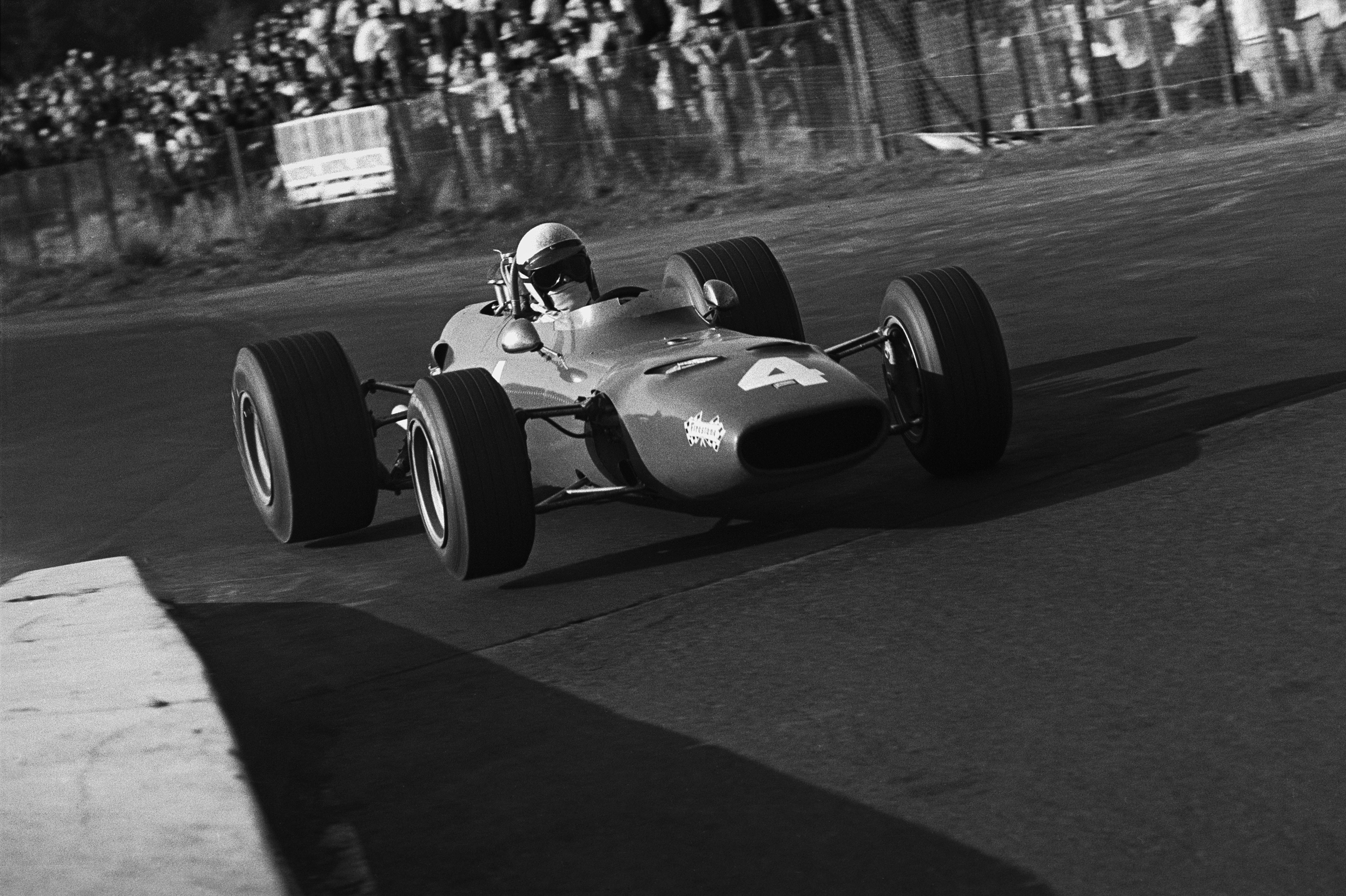
Brian Redman, Nurburgring F2 1968
Photo by: Motorsport Images
Honourable mentions
While thinking back over so many races, others that come to mind include winning the 1969 Nurburgring 500Km two-litre sportscar race in the brand new, and difficult-handling Chevron B16.
It was a hot September day, no ventilation and with about 100Km (60 miles) to go, I was feeling tired and drowsy. I quickly woke up when I hit the back of an Austin-Healey Sprite going down the Fox Run. Fortunately, not much damage was done and it woke me up.
Just over 12 months later at the Spa 500Km two-litre finale, Jo Bonnier, the Lola agent for Europe driving a T210, and I in the works Chevron B16/Spyder swapped places throughout the race. On the penultimate lap I couldn't get first gear at La Source hairpin and dropped back 50 yards but with a bit of effort caught and passed Jo on the last lap, setting the fastest lap that was over three seconds faster than my Spa 1000Km fastest in 1969 driving the three-litre Porsche 908L.
As we went up the back straight, Jo slipstreamed me, pulled out and went past. We went side-by-side approaching La Source, with Jo on the inside, flat out at 160.
We braked too late and I went up the escape road, expecting to see Jo taking the checkered flag. Instead, there he was stopped sideways across the track. Chevron won the European championship by one point over Lola.
For more of Brian Redman’s remarkable career, take a look at his book Brian Redman: Daring Drivers, Deadly Tracks, published by Evro.
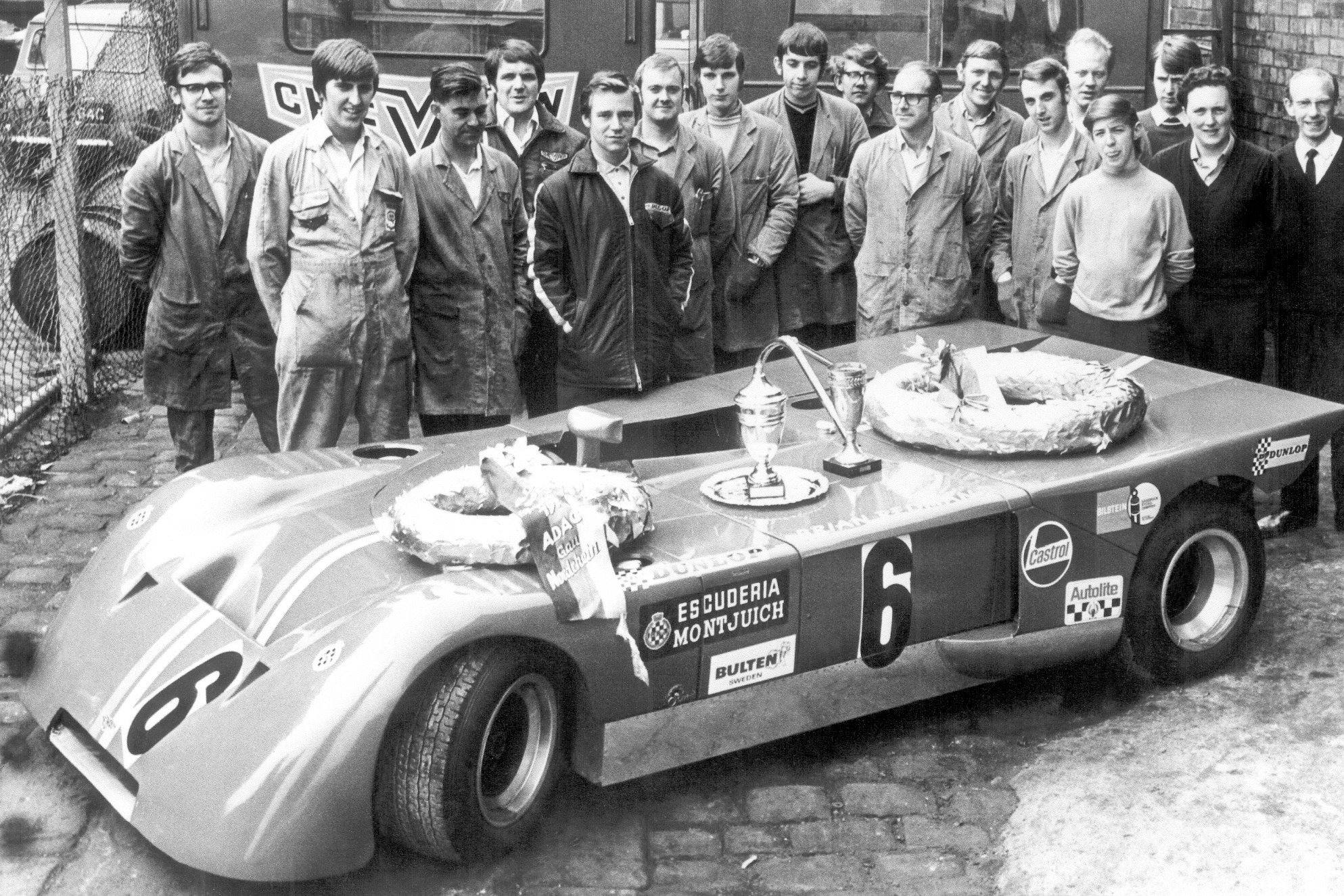
1970 Spa 500km

FIA expects F1 races in Qatar and Abu Dhabi to run as planned

Top five roles on Motorsport Jobs this week

Champions crowned at incident-filled Donington Park 750 Motor Club meeting

Why Toyota’s 2026 WEC triumphs have put it into the all-time greatest endurance racing team debate
Subscribe and access Autosport.com with your ad-blocker.
From Formula 1 to MotoGP we report straight from the paddock because we love our sport, just like you. In order to keep delivering our expert journalism, our website uses advertising. Still, we want to give you the opportunity to enjoy an ad-free and tracker-free website and to continue using your adblocker.


Top Comments