
How Silverstone has proved that bigger isn’t always better
The BRDC Classic replaced the Silverstone Classic and Silverstone Festival for 2026 and the greater emphasis on pure racing was well received

Big motorsport events have been getting bigger in recent years. Just look at the recent British Grand Prix and the record 564,000 attendance. That growth has come hand-in-hand with more off-track entertainment, providing something for the more casual fans and their families. That makes sense when there are so many different things that people can do with their time (and money), but being smaller can also be a good thing.
The BRDC Classic replaced the historic extravaganza previously known as the Silverstone Classic and Silverstone Festival for 2026. Nick Wigley’s Goose organisation had built up the event, which has a history stretching to 1990, so that it rivalled MotoGP as Silverstone’s second biggest racing weekend.
Goose’s contract came to an end after last year’s edition and the slot was taken by CarFest, which will have no racing. But Silverstone and owner the British Racing Drivers’ Club decided to continue with a historic racing event, in conjunction with Motor Racing Legends, at the end of July.
Gone were the music entertainers, massive stage, ‘Foodie Fest’ and much (though not all) of the in-field entertainment and stands. And instead of running the event from both the Formula 1 Wing and old National paddock, all of the racers were based out of the latter. The Wing was the sole preserve of the Iconic Auctioneers sales.
There were fewer cars and fewer spectators – and yet the overwhelming feeling was one of improvement and positivity.
“I think the reinvented racing event is fantastic,” said long-time historic racing ace and preparer Martin Stretton. “A great reboot. We’ve lost some of the razzmatazz but it’s great for the racers.”
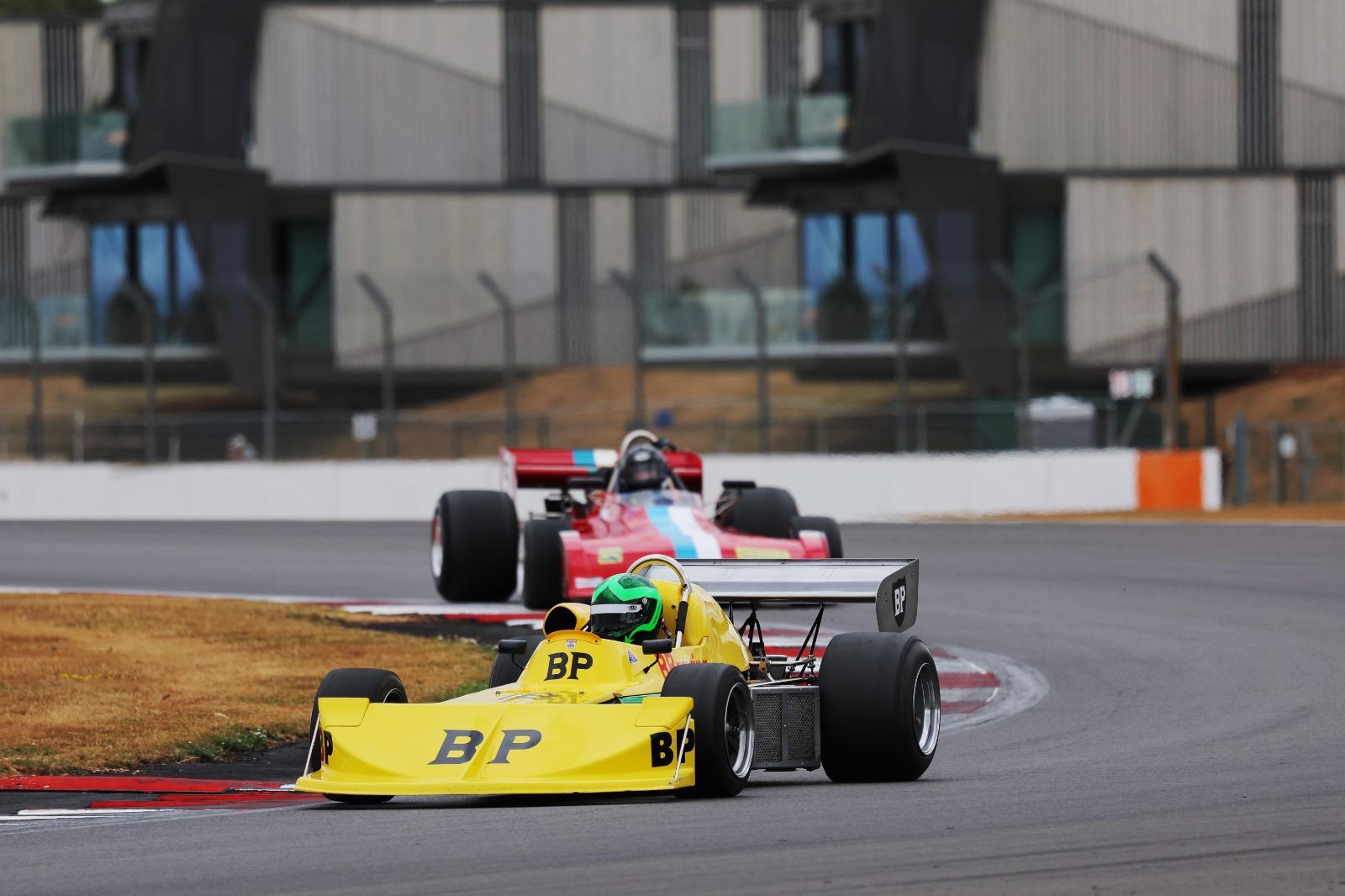
Stretton's March 742, which won one of the Derek Bell Trophy races at Silverstone
Photo by: JEP
It was a sentiment that many shared, competitors and spectators alike, certainly the ones Autosport spoke to. Team personnel and drivers (and journalists!) not having to rush between two paddocks was particularly popular.
“It’s loads better,” asserted Andrew Jordan, whose JRT operation ran 10 cars at the event. “It’s so much better being in one paddock. I couldn’t fault anything. From a team’s and competitor’s point of view, it's brilliant."
Gary Pearson, another to have both raced and prepared multiple cars over many incarnations of the event, agreed. He believes that being based in one location “improved the vibe in the paddock”.
In keeping with the smaller feel of the event, there were races for 12 different groups, as opposed to the 15 categories last year. But there was an extra race, 21 instead of 20
“I thought it was great,” continued Pearson. “Talking to people over the weekend, it reminded us of the event 10-15 years ago. Nothing against Goose and the Festival, but this was just a proper, nice historic race meeting.
“The date going back to the traditional end-of-July slot works so much better than August because then you were straight into the Goodwood Revival and Spa 6 Hours and it was really busy.”
“I thought it was way better, as close as you could get to the Goodwood Revival but with more modern cars,” reckoned Stirling Moss Trophy winner Johnny Mowlem. “Undoubtedly one of the best historic events I’ve been to.”
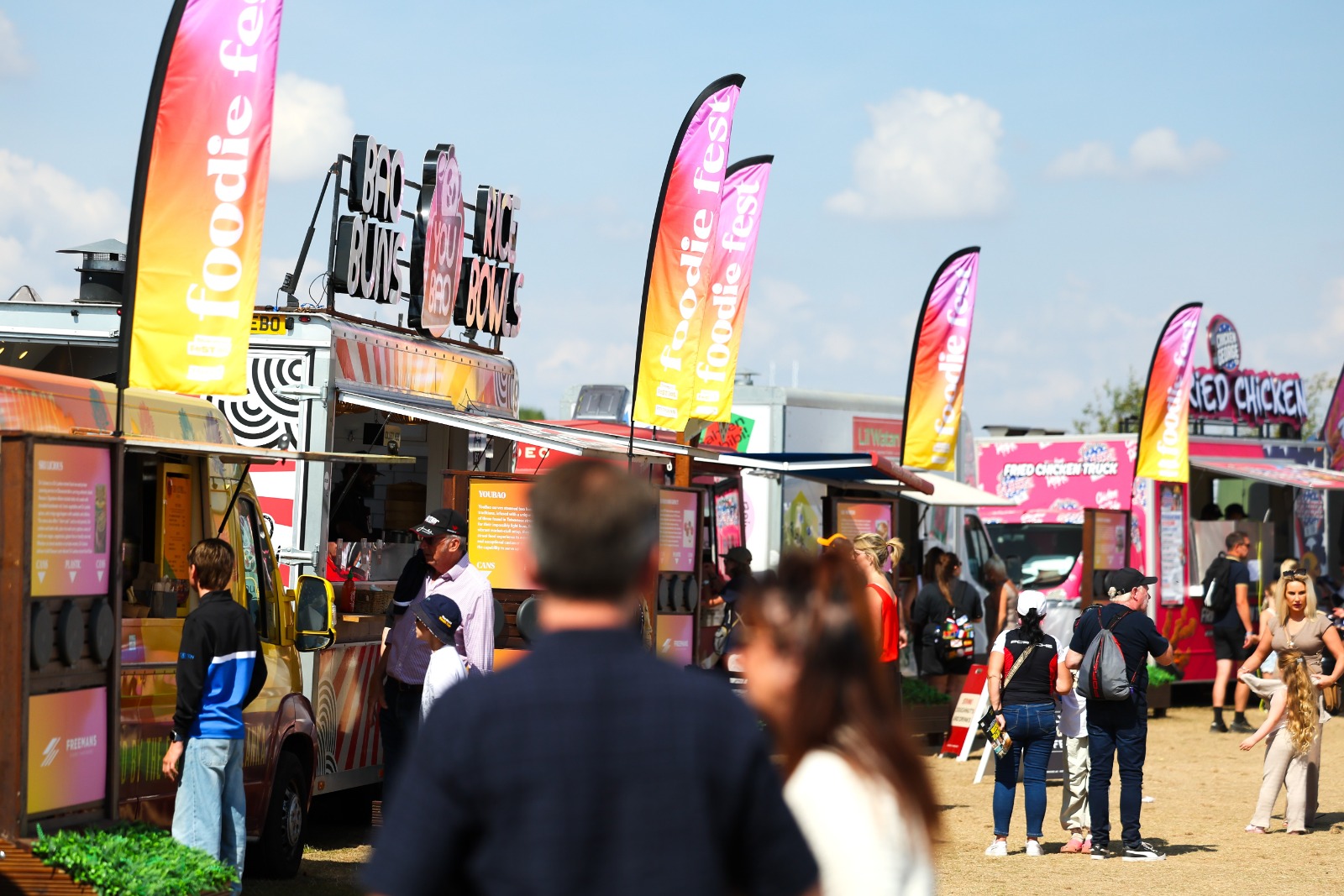
'Foodie Fest' was no more in 2026, with the focus on pure racing going down a treat
Photo by: JEP
MRL, under the leadership of Shaun Lynn, drew praise for its organisation and communication. Some of its series, most notably the GP Icons and Endurance Icons, cover the same ground as established Masters’ categories, creating potential competition that is always a concern, but that doesn’t seem to have stopped them being successful.
Jordan, who last year expressed his doubts about some of the details on the crackdown on car development in historic racing, also believes MRL has found a good balance with its regulations. “They’ve done the legality side in a good, sensible way,” he said.
In keeping with the smaller feel of the event, there were races for 12 different groups, as opposed to the 15 categories last year. But there was an extra race, 21 instead of 20, which meant that more groups got double-headers this time. So, more racing for those that were there.
What about the downsides? Perhaps unsurprisingly, given the change in the nature of the event and the fact that some competitors have stayed with Masters rather than commit to MRL, grid sizes were a little down on 2025.
Looking at the numbers of cars that appeared for qualifying, the average grid size for the nine categories that were the same or were for equivalent machinery was 32.2, down from 39.4 last year.
Five 2025 fields were not represented and there were three ‘new’ grids. Interestingly, the average grid sizes for those two groups were almost identical, with 2026 fractionally ahead. The overall average grid size for 2025 was 35.8, versus 31.8 this year.
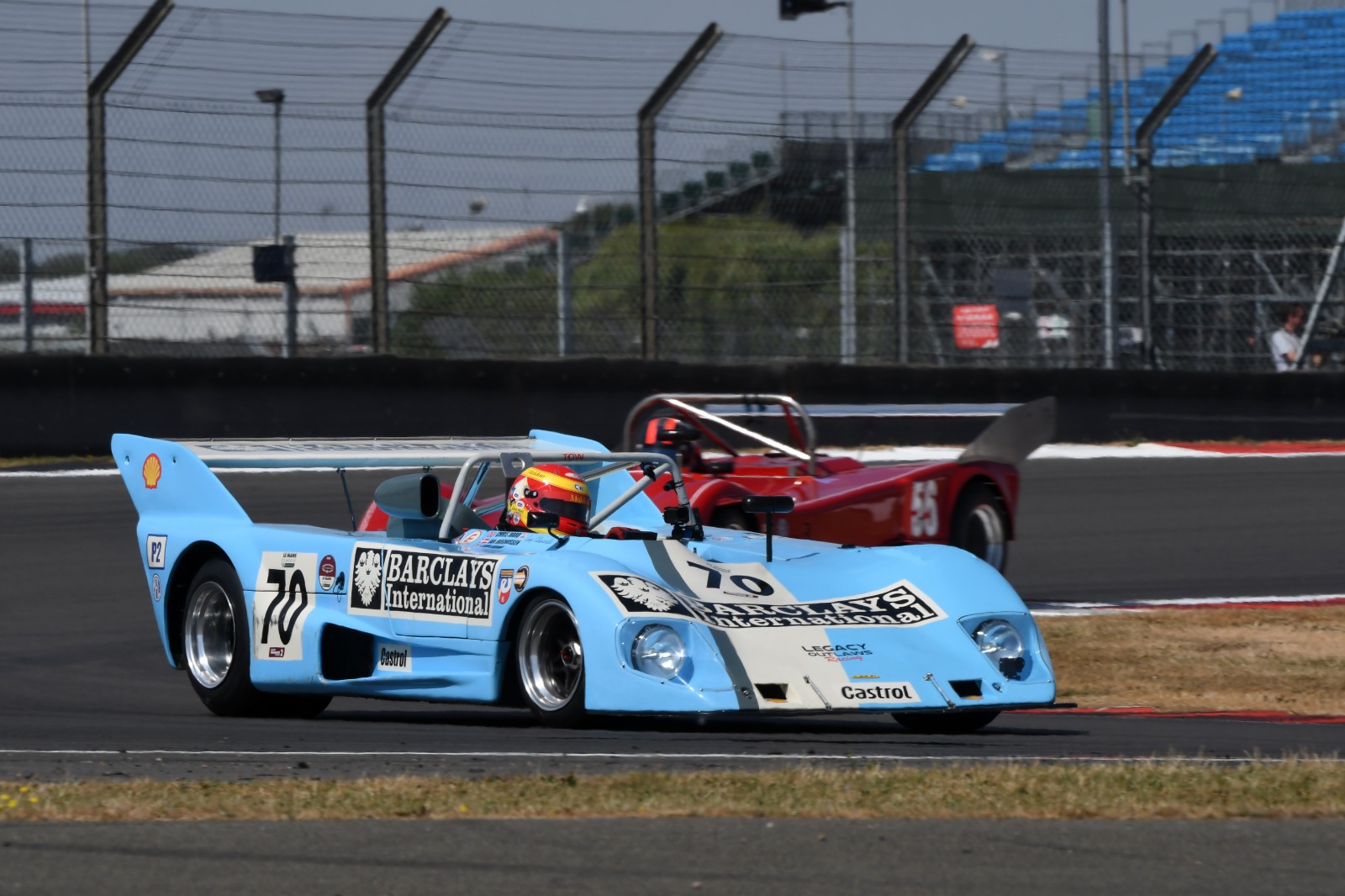
The 2-Litre Sportscars races were one of the grids with fewer cars
Photo by: Steve Jones
The F1 Icons (MRL’s version of Masters Racing Legends) and Derek Bell Trophy grids were hardest hit, though none of the 2026 fields were as small as the Group C pack last year.
The 17-car field for the 2-Litre Sportscars seemed small compared to the 30 of the Sports Car Legends in 2025 (probably the field Autosport missed the most, along with the RAC Historic Tourist Trophy), but that is to be expected given how much broader the latter is in terms of the machinery that is allowed. It was, in this writer’s view, nice to see the lithe and rapid racers of the old European 2-Litre Sports Car championship have their own grid.
The risk, of course, is that a smaller event and smaller crowd reduces income. But, as Silverstone CEO Stuart Pringle pointed out, the cost-saving of not having all the added extras significantly shrank the bill of running the event in the first place.
It makes total sense that some events – such as the British GP – should put on as much as they can to attract and entertain the widest-possible audience
“I’m absolutely happy with what it is,” he said. “Once we were asked to take on CarFest, it became clear we could have two events. We enjoyed the Silverstone Festival, but it wasn’t quite ticking the boxes for the historic racegoers and it wasn’t quite ticking the boxes for the music lovers.
“While it is smaller now, the costs are proportionally smaller. It works well from a circuit point of view and it’s here to stay. MRL has done a fantastic job. The presentation of the paddock is their initiative. Consolidating around one paddock has created a much better atmosphere.”
It makes total sense that some events – such as the British GP – should put on as much as they can to attract and entertain the widest-possible audience. But the success of the rebooted BRDC Classic once again reminds us that bigger isn’t always better.

Even McLaren boss Zak Brown decided to race at Silverstone rather than head to the Hungaroring
Photo by: JEP


Autosport magazine: Hamilton at Ferrari – and champions crowned

How the M8B became the most dominant car in McLaren’s history

Employing team orders can simply be a matter of common sense

The greatest F1 campaigns with no wins

Top 10 F1 results changed by backmarkers – the passes

Top 10 F1 results changed by backmarkers – the clashes

Stars, cars and highlights from the 2026 Goodwood Revival

The Egal has landed – again

Mercedes has a Russell-sized problem and it is sharing responsibility

Phillips wins inaugural GB4 Winter Series in dramatic circumstances at Snetterton

Rally US host city announced ahead of WRC return

The role Friday practice played in Hamilton failing to achieve a podium at the US GP
Subscribe and access Autosport.com with your ad-blocker.
From Formula 1 to MotoGP we report straight from the paddock because we love our sport, just like you. In order to keep delivering our expert journalism, our website uses advertising. Still, we want to give you the opportunity to enjoy an ad-free and tracker-free website and to continue using your adblocker.


Top Comments