
The part rolling relics can play in motorsport's high-tech future
OPINION: Last weekend's Silverstone Classic was another reminder of the joys of dusting off racers from days gone by. But while it might not be obvious, the historic racing world has the potential to play its part in our futures – on and off track

Engineering
Our experts' guide on how you can become a better racing driver
Historic racing is not the first branch of motorsport that comes to mind in discussions about advancing technology and helping the green movement. After all, part of the appeal is that it includes loud, fire-breathing machines that are – in a modern context – inefficient.
But there are in fact two key areas where historic competition can help the future of the sport and society in general. And they were discussed at the inaugural Autosport Connect industry event back in March.
The historic community is well-versed in having to find alternative methods to keep cars running as certain materials become harder to find or are taken off the table thanks to modern safety concerns. So having to do the same with petrol is perhaps not as much of a leap as you might expect. Formula 1 is not the only place where synthetic fuels can be developed.
“We’ve heard lots of talk about moving to fully electric road vehicles,” says Steve Sapsford, managing director at SCE, who formerly worked at Ricardo on internal combustion engines and then electrical/hybrid power. “That’s fine and we’re heading in the right direction, but one of the things none of this deals with is the cars that are on the road already.”
With around 33 million cars on UK roads alone, the push to electrification is not going to make all the petrol and diesel-engined vehicles vanish. Coming up with alternative fuels that can keep older cars on the road without burning fossil fuels could be key, and historic racing can play its part.
“There’s a fantastic opportunity for renewable and sustainable fuels to be applied in all forms of racing,” adds Sapsford.
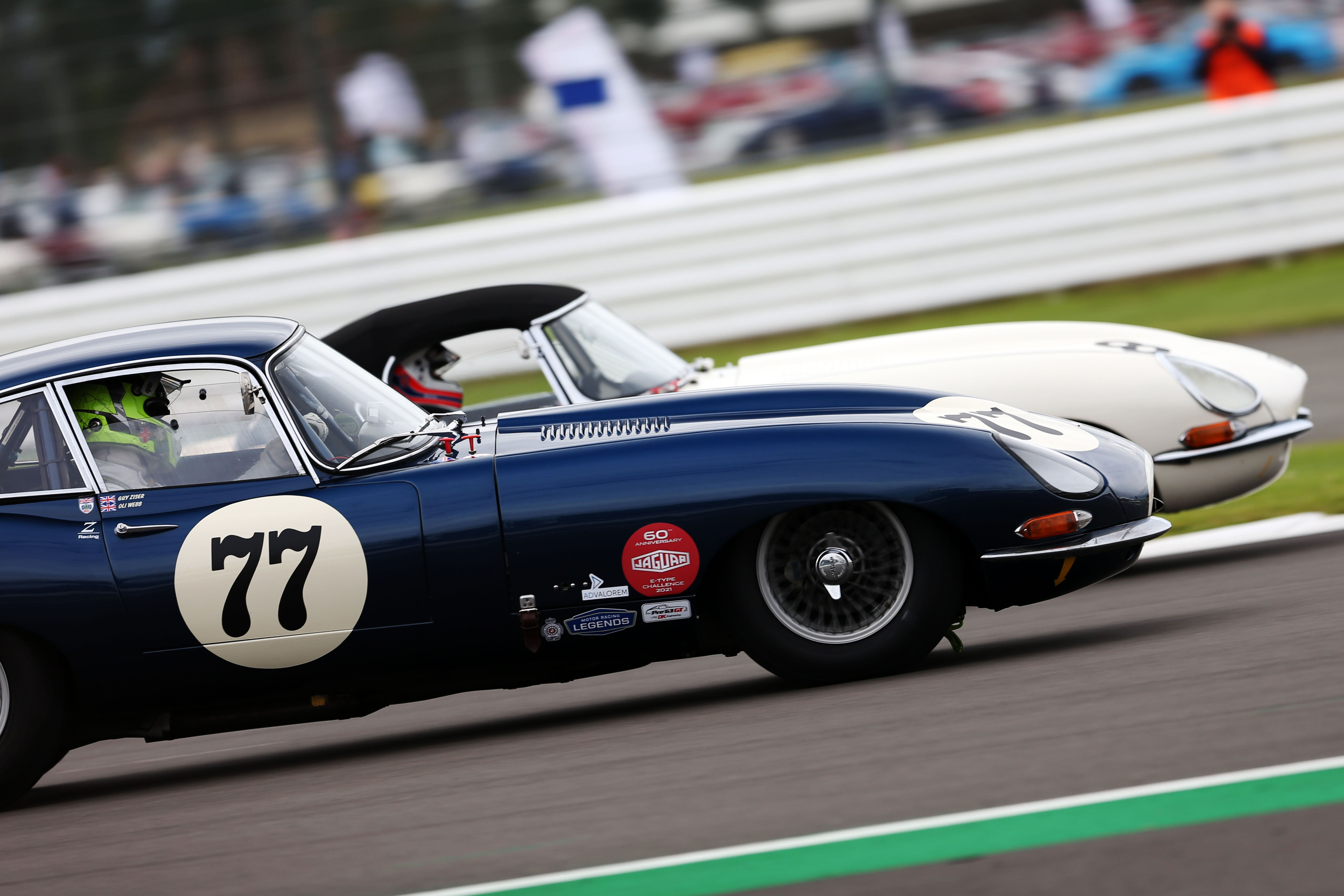
E-Types celebrated 60 years at Silverstone Classic, but could be a case study for running sustainable fuels
Photo by: JEP
This can come in several forms. Biofuels (the second generation of which comes from waste, as opposed to generation one coming from crops), synthetic fuels and efuels. Each of them recycles the carbon and offers direct replacements for the fuels being used now. Clearly, getting these to work in the wide range of engines in historic racing has major potential benefits for the wider automotive world.
“There’s a huge opportunity to get historic racing on the front foot, reducing carbon emissions, and to show the world that there is an alternative alongside electrification that deals with all the cars that are out there now,” enthuses Sapsford.
Finding ways to help motorsport stay relevant in the modern world and encourage new generations of engineers and fans must surely be embraced. Historic racing alone is estimated to contribute nearly £400million to the UK economy – that’s not only something worth protecting, but it’s worth enhancing
Historic Racing Association founder Brian Sims, who previously worked at Lola, agrees.
“Historic racing has become incredibly successful, but it’s become very fragmented because it’s grown off into so many sectors,” he says. “It’s so fragmented, it doesn’t have a voice, so one of the aims of setting up the Historic Racing Association is to provide a forum to debate the future of our sport.”
Part of its aim is to promote historic competition to young people, who are ever-more environmentally conscious. The feeling is that new technologies need to be embraced, not resisted.
“We have got to be seen as a sport that is looking to the future and what new generations want,” says Sims. “We want to use historic motorsport as a platform for the technology that can look after the old cars in developing countries where not everyone is going to have an electric car.”
The other area in which historic motorsport can play a role is as a general boost to the engineering industry. The need for good engineers is high and is unlikely to go away any time soon. Getting involved in racing gives practical experience and an exciting environment in which young engineers can learn.
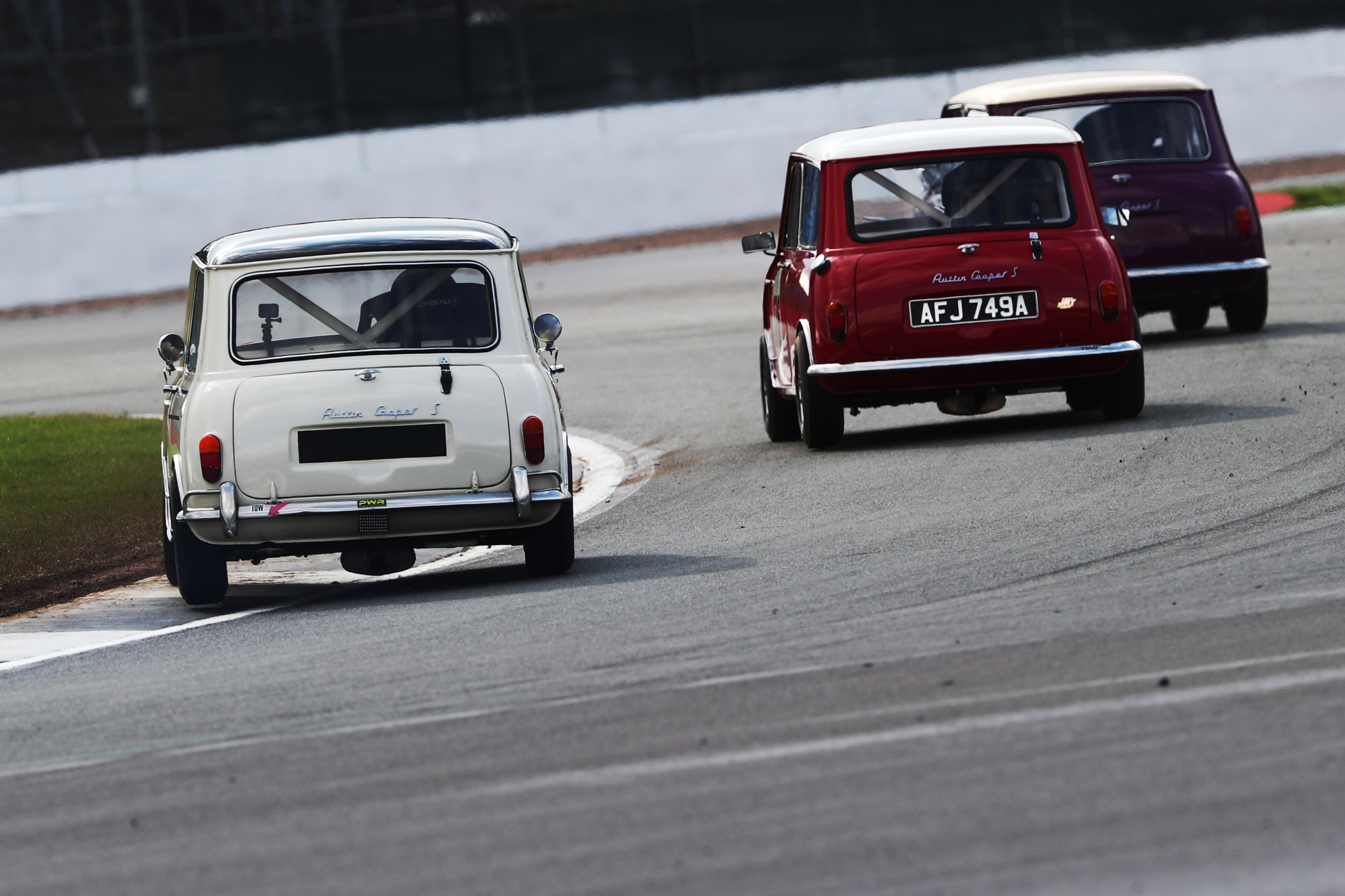
Back-to-basics engineering of historic vehicles offers a route into motorsport for students
Photo by: JEP
As the competition in historic racing has increased, pushed on by major events such as the Goodwood Revival and Silverstone Classic, so too has the level of professionalism. Teams involved in contemporary motorsport have joined the party, and the established preparation firms are filled with people with experience of F1 or other high-level branches of motorsport.
That helps to explain why the National Centre for Motorsport Engineering at the University of Bolton has included historic racing elements as part of its offering. That included approaching ex-Force India man Bob Fernley about running old Ensign racers, first 1979 and 1981 F1 cars, and later an Indycar.
“We weren’t sure how much interest there would be, but the queue was out the door,” says NCME director Mark Busfield. “We were swept away by the [student] enthusiasm for it.”
Two groups were created – one to look after the preparation and maintenance, and one to reverse engineer the car, which involves scanning it, digitising it and doing drawings. The car can then be looked at using modern approaches, such as CFD. The team ends up with lots of data, including from sensors, and can look at how to improve the car in a way not possible in the 1970s and 1980s.
“We’ve got more engineering input now to a car designed 40 years ago than there was 40 years ago,” asserts Busfield. “The students have really embraced the historic racing scene.”
There will always be debates about how much modern technology should be allowed into historic motorsport and how tightly cars should be kept how they were. But finding ways to help motorsport stay relevant in the modern world and encourage new generations of engineers and fans must surely be embraced.
Historic racing alone is estimated to contribute nearly £400million to the UK economy – that’s not only something worth protecting, but it’s worth enhancing, and now is a good opportunity to do so.
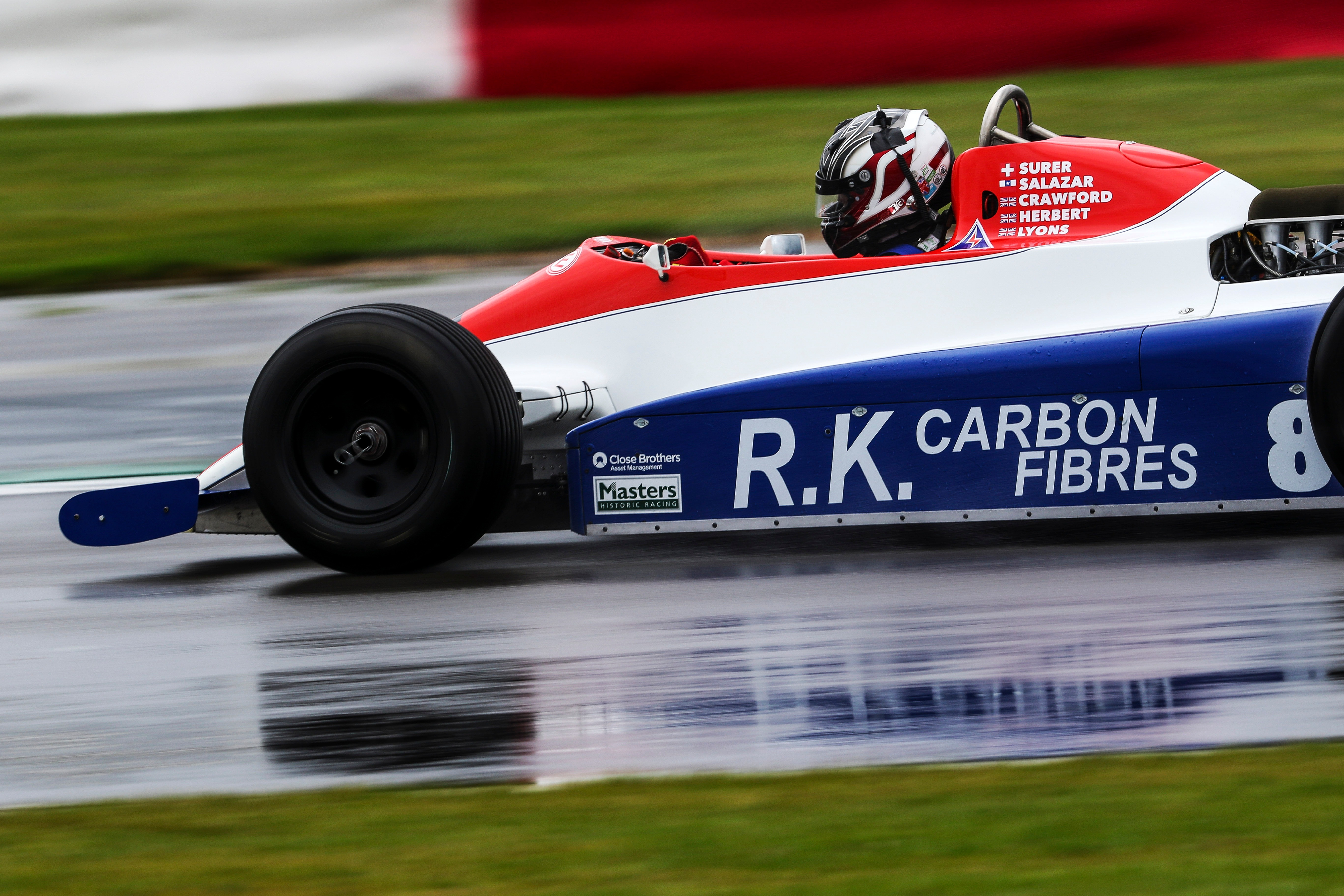
Michael Lyons powered to two Historic F1 wins in NCME-prepared Ensign in Murray Walker Memorial Trophy races
Photo by: JEP


Top 10 Can-Am drivers

Top 10 Can-Am cars

Top 10 greatest F1 qualifiers

Top 10 Tyrrell F1 drivers: Alesi, Brundle, Stewart and more

Autosport magazine: We grade the 2026 F1 grid so far

Top 10 unexpected F1 polesitters

Top 10 rookie seasons in F1

Helping McLaren’s greats go faster for 40 years

Why F1's Madring debut was a wasted opportunity

Bruising F1 2026 will not be the end for Russell - Wolff

Haas confident of getting 2027 F1 budget closer to cap with new partner talks

Top 10 Can-Am drivers
Subscribe and access Autosport.com with your ad-blocker.
From Formula 1 to MotoGP we report straight from the paddock because we love our sport, just like you. In order to keep delivering our expert journalism, our website uses advertising. Still, we want to give you the opportunity to enjoy an ad-free and tracker-free website and to continue using your adblocker.


Top Comments