
The 10 greatest F2 races contested by F1 drivers
Formula 2 used to be about more than providing a stepping stone to F1. For three decades it often provided another setting for the world’s best to fight it out. Autosport picks out the very best races
Formula 1 talent at the wheel of Formula 2? With single-seater racing so delineated now, this would seem unlikely to many modern fans.
The very aim of F2 is to discover talent for accession to F1, but in 1948, when F2 began, a more accessible entry into single-seater racing was its purpose. Constructors were expected to make their wares available to all and naturally the best drivers were used by works teams, creating an open door for anyone to compete with the great racing stars of the day. The F1 world championship calendar was much shorter in the 1950s and 1960s, so top drivers appeared in many different categories, including F2.
Today, drivers arrive in F1 untested race-wise in the company of those they are about to encounter. Would they wish for that opportunity – and who from F1 would accept the risk? – if allowed?
“You could go out in your private Lotus or Brabham, as I did, and get an accurate measure of your own talent in a straight fight with Graham Hill, Jochen Rindt or Jackie Stewart,” said sportscar legend Derek Bell in his autobiography My Racing Life, written with Alan Henry. “It was a tremendously valuable experience.”
Battles between great F1 names in F1 are well documented, but there were some epic F2 encounters, arguably where the playing field was more level, that are often forgotten. And occasionally someone from the F2 ranks beat the stars.
During this ‘open’ period there were five iterations of F2. The first was for two-litre engines of any configuration, so in stepped Ferrari with a V12. Supercharging of 500cc was allowed but failed and was soon excluded. The leading grand prix drivers of the post-war period were Jean-Pierre Wimille, Raymond Sommer, the pre-war Auto Union maestro Hans Stuck, Luigi Villoresi, his protege Alberto Ascari and versatile Piero Taruffi. In 1949 Argentinians Juan Manuel Fangio and Jose Froilan Gonzalez arrived, nationally sponsored.
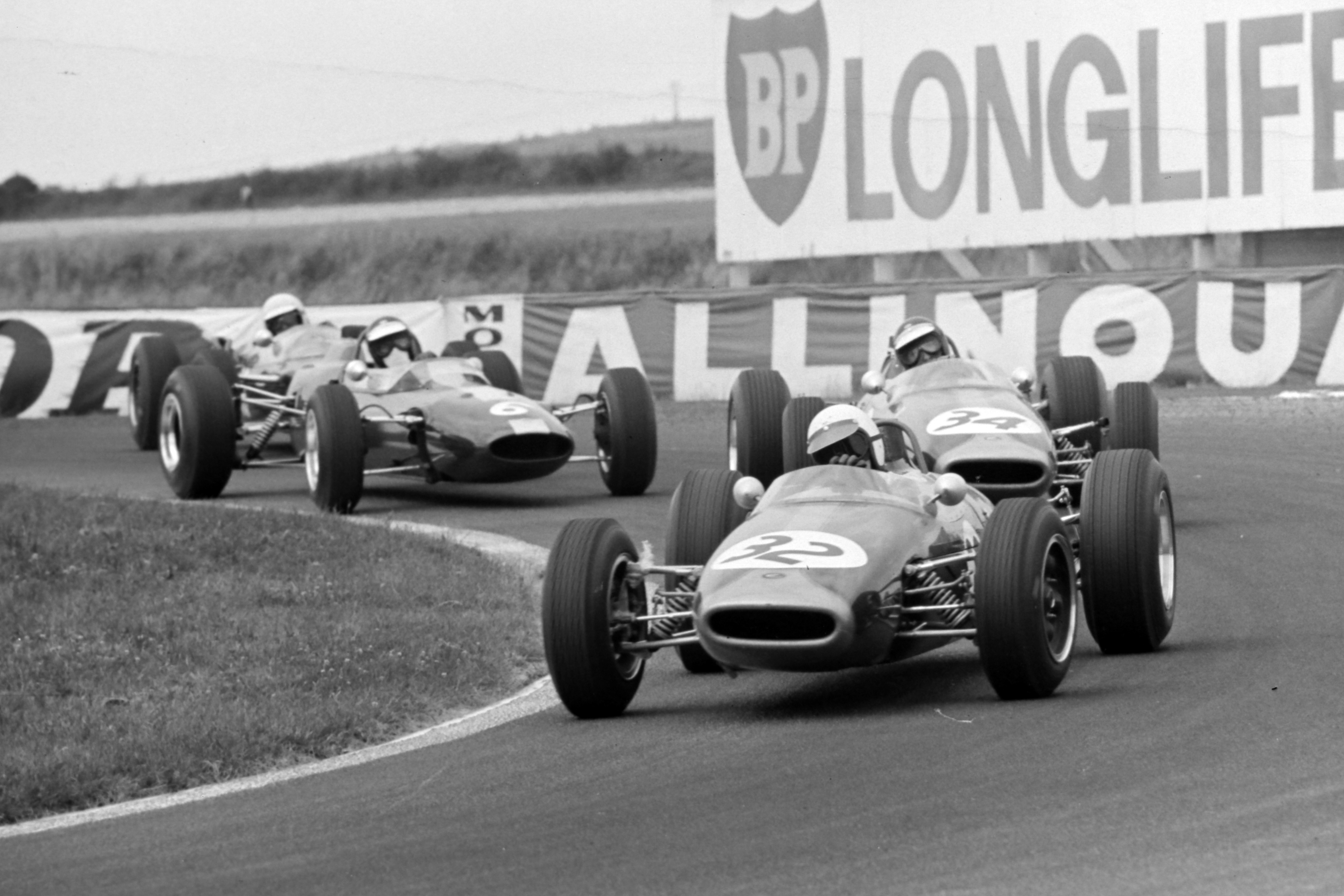
Alan Rees, Jochen Rindt, Jim Clark Reims F2 1965
Photo by: Motorsport Images
In 1954 the new 2.5-litre F1 made that form of F2 pointless, so a replacement arrived in mid-1956 for 1500cc machines, with a maximum of six cylinders. It provided opportunities to race against Stirling Moss, Tony Brooks, Peter Collins, Jean Behra, Roy Salvadori and Mike Hawthorn. There was no specified limit to F1 drivers’ involvement, which peaked in 1960.
That year a European Championship had just five rounds including two hitherto established F1 events: the GP-length Aintree 200 and the classic German GP – because a home car might (and did) win. By then, it wasn’t obvious to the uninitiated as to which formula was present. The Coventry Climax FPF engine was ubiquitous in all but Porsche and Ferrari works cars and most of F1; an engine swap did the trick. So the formulas were visually and audibly almost identical. A stopwatch might tell you, but not always.
“I dashed off to Syracuse for the F2 race, then the GP of Brussels, in which I had a big carve-up with Moss,” said triple F1 world champion Jack Brabham of 1960 in his book When the Flag Drops. “These F2 races were becoming as important as grands prix.”
Graham Hill put his reputation ‘on the line’ 18 times in 1967 while also chasing the F1 title and defending his Indianapolis 500 crown. He wasn’t the exception as Brabham, Clark, Rindt and Stewart all made a dozen or more F2 outings that year
This was not supplemental activity at all: it was mainstream. Then that 1500cc limit became F1 for 1961, so 1100cc Formula Junior replaced F2 as the feeder formula, from which F1 ranks were excluded.
A third iteration of F2 arrived for 1964-66 of 1000cc and four cylinders. A demand for 1200cc was ignored – just as well, since these cars might have embarrassed F1 had it been accepted. So world champions Jim Clark, Graham Hill, Brabham and, by 1965, John Surtees were available for attack by F2 regulars. And in 1965 three future world champions joined the F1 ranks: Jackie Stewart straight from F3 to BRM, Denny Hulme with Brabham, and Jochen Rindt joining Cooper.
Come 1966, the three-litre F1 demanded a ‘better’ feeder formula, which came in the form of 1600cc F2 and did the job thoroughly from 1967 onwards. Chris Amon and Pedro Rodriguez joined the ‘F1 in F2’ fun, but the loss of Clark in an April 1968 F2 event at Hockenheim – a race often referred to as ‘minor’, but which had several current or future F1 drivers in the field – was one of the category’s darkest days.

Rindt, Brabham, Stewart in Guards Trophy, Brands Hatch 1967
Photo by: Motorsport Trophy
The new European F2 Championship had been won by Jacky Ickx in 1967 and he promptly became an F1 fixture, so joining the ‘F1 in F2’ clan. Ronnie Peterson, regarded as one of the kings of F2, joined the F1 circus in 1970, and mid-season so did Emerson Fittipaldi, Clay Regazzoni and Francois Cevert. The two-litre era began in 1972, but the F1 factor fell away during the decade.
Through all except the first iteration one name was common: Graham Hill, the most prolific of them, put his reputation ‘on the line’ 18 times in 1967 while also chasing the F1 title and defending his Indianapolis 500 crown. He wasn’t the exception as Brabham, Clark, Rindt and Stewart all made a dozen or more F2 outings that year.
Those named are the ‘royalty’ of F1, but anyone signed to a regular seat in a top works squad (or, in those days, a major private team such as Rob Walker’s) should be classified as a bona fide F1 driver. This expands the ‘F1 in F2’ club to 93 names, with around 1550 entries between them in approximately 350 races. In the 30 years of this culture, which ended in 1978, F1 talent was present in 84% of major F2 races.
None of those are remembered in the world championship history books but they deserve recognition – as an alternative battleground for some of motorsport’s greatest drivers, and for letting rising stars test themselves in a way that is no longer possible.
10. The rise of Rindt - 1964, Mallory Park and Crystal Palace

Jochen Rindt (Brabham BT10-Cosworth), 3rd position, leads Tony Hegbourne (Cooper T71-Cosworth), 5th position and Alan Rees at Mallory Park in 1964
Photo by: Motorsport Images
Sometimes two events gel into a double-header. The moveable Christian festival of Whitsun in 1964 started on Sunday 17 May with the Grovewood Trophy at short Mallory Park, 30 laps giving 40.5 miles. Lotus entered Jim Clark and Peter Arundell, with Tony Maggs making it three from F1.
New to Britain was Austrian Jochen Rindt, in his third F2 race in his Brabham. He asked works Brabham driver Denny Hulme to show him around, which Hulme sportingly accepted for a newcomer on foreign territory. Rindt then claimed pole!
A clutch problem ruined Rindt’s start, but he climbed from the back to snatch third from Alan Rees at the flag, just 8.2 seconds behind winner Clark. What would have happened but for the clutch?
The London Trophy took place the next day at Crystal Palace. Graham Hill appeared in John Coombs’s Cooper, making two world champions (including Clark) in the field. Heat one went to Hill from Clark and Hulme, but the ‘Austrian Interloper’ took heat two from Rees, both given identical times just 0.4s slower than Hill’s.
That gave Hill pole for the final. While Rees took an early lead, Hill passed him on lap two. Then the Cooper began understeering, and Rindt moved to the front. The battle between Rindt, Hill and Rees ran all the way, and they finished in that order. Clark pitted from fourth with loose plug leads and never recovered.
“New star shines at the Palace,” said the headline on Autosport’s report, which concluded: “It will be a long time before we see such a surprising or closely fought race.”
9. Battle of the 1600cc screamers - 1968 Mediterranean GP, Enna-Pergusa
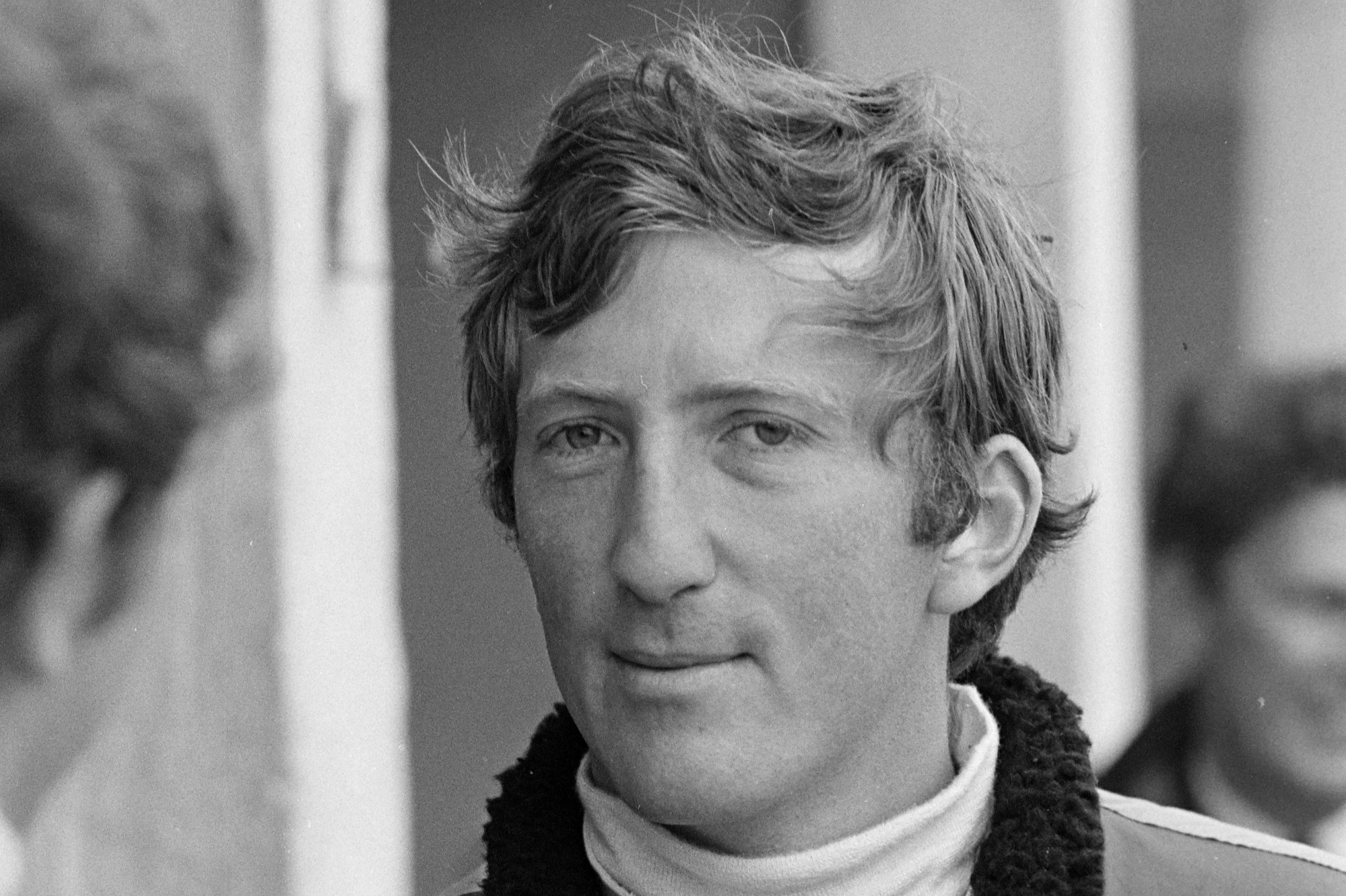
Jochen Rindt, 1968
Photo by: Motorsport Images
The trek to Sicily for the Mediterranean GP at superfast Enna-Pergusa in 1968, the second year of 1600cc F2, deterred some as only 20 could race. But the field included Ferraris for Jacky Ickx, Derek Bell, Ernesto Brambilla and Mario Casoni. The ‘F1 clan’ present was Ickx, Jochen Rindt, Pedro Rodriguez and ‘rookie’ Piers Courage, who took pole in his Frank Williams-run Brabham.
Spreading the grid didn’t avert slipstreaming on this wide circuit. Nine soon got together as a tow could be felt from way back. Rindt took it easy, knowing which lap mattered, occasionally ‘testing the waters’ in second, and once dropped back to change goggles. Soon his Roy Winkelmann Racing Brabham was back with the lead pack, and Rindt knew how to lead at the critical point. Winning by a metre was as good as a mile.
Rindt had already shown this incredible racecraft at Hockenheim and Reims. The ‘Formula 2 king’, Courage, Brambilla and Regazzoni (Tecno) were each credited with identical race times, all within 0.1s. Rindt’s fastest lap also represented an average of 147mph, within 10% of Indianapolis at the time!
8. Surtees confirms his four-wheeled class - 1960 Aintree 200

Stirling Moss (Porsche 718), 1st position, leads Jack Brabham (Cooper T45-Climax), retired, at the start
Photo by: Motorsport Images
In April 1960 the International Aintree 200 was run for F2 instead of F1 machinery. Thirteen of the F1 circus were among a huge 31-strong field. It looked like F1, with Porsche ‘substituting’ for BRM but no Ferrari yet.
Three Porsche 718/2s – two works plus Rob Walker’s car for Stirling Moss – three works Lotus 18s and hordes of Coopers were the field. Moss's and Graham Hill’s Porsches sandwiched Jack Brabham’s Cooper on the front row, with Innes Ireland’s Lotus back on row four.
The Coopers of Brabham and Roy Salvadori, both privately entered, led at first as Moss made a cautious start. Ireland’s Lotus stormed through, taking second from Salvadori, but spun trying to take Brabham’s lead and dropped to ninth.
Ireland recovered to fourth just before team-mate Alan Stacey retired, but then suffered a puncture, leaving Hill to chase the Brabham/Salvadori battle. At mid-point, both Coopers unexpectedly retired when a charging Moss had closed to within 5s. So with Moss now leading from Jo Bonnier and Hill, a 1-2-3 for Porsche looked certain, with the leading Cooper well back in the hands of ‘novice’ John Surtees, taking part in his third car race.
Learning as he went, Surtees hauled himself into contention, equalling Moss’s pole time and smashing the F2 record by 4.4s! At the finish he was 6s adrift of the Bonnier/Hill duel, and had left Maurice Trintignant and other F1 drivers over 40s back. Moss’s winning speed of 88.41mph would have given him fourth in the previous year’s British Grand Prix!
This was ‘only F2’ but it had produced a memorable race – and a shining new star. Surtees’s achievement cannot be overstated. Lotus snatched him straight into F1, despite his commitment to MV Agusta for two motorcycle world titles.
7. James Hunt grabs everyone’s attention - 1972, Oulton Park Gold Cup
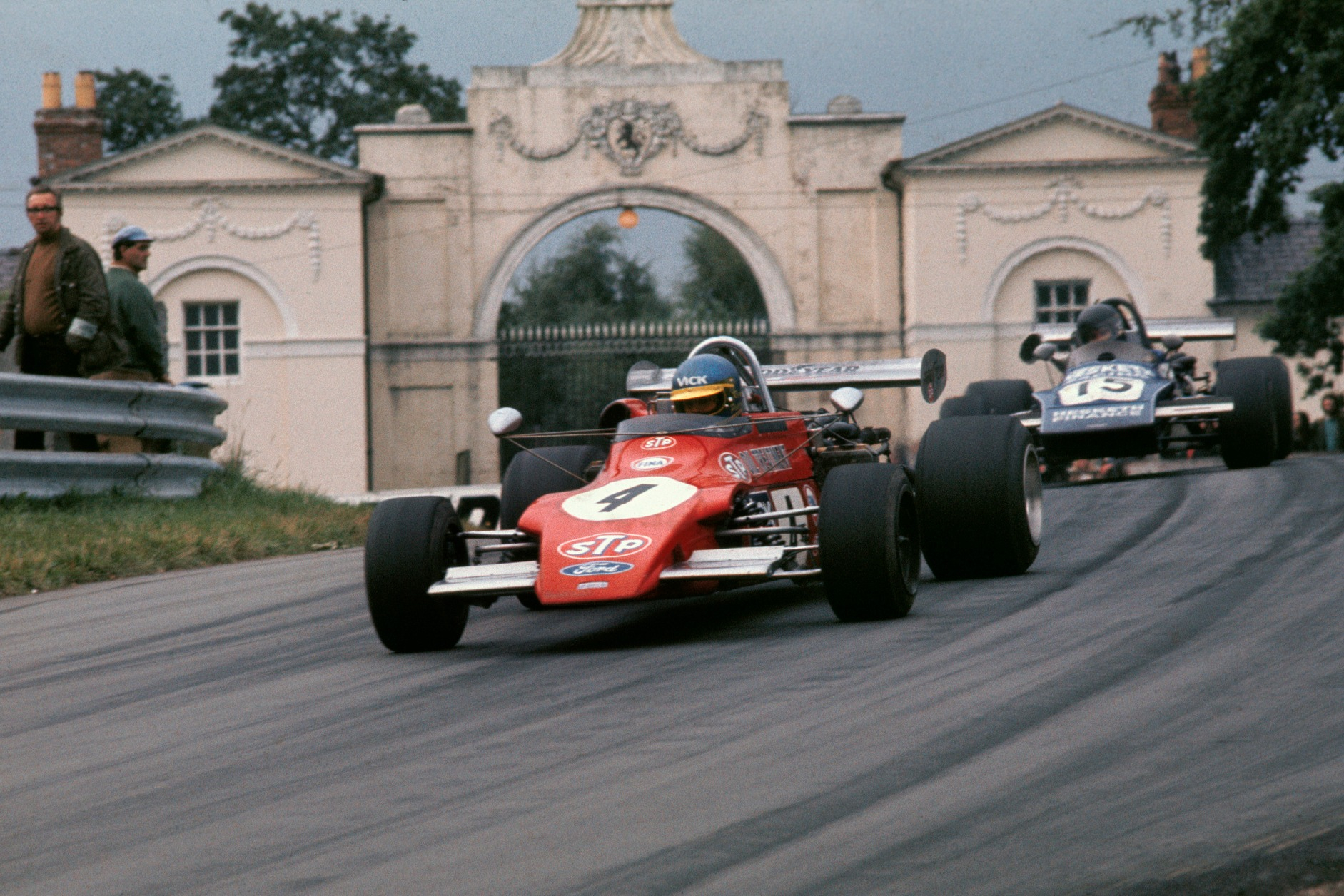
Ronnie Peterson chased by James Hunt
Photo by: Motorsport Images
Two-litre engines were introduced to F2 in 1972, and the Ford BDA unit was universal.
The Oulton Park Gold Cup in mid-September was the final of the British F2 Championship. Six from F1 arrived, headed by John Surtees (winner of the non-championship F1 Gold Cup at Oulton for the previous two years), Graham Hill, Ronnie Peterson, Peter Gethin, Tim Schenken and F1 rookie Niki Lauda. Gethin’s engine blew during practice, leaving five for the F2 boys to aim at.
Peterson and his works March took pole by 0.4s from a guy new to F2 driving a one-year-old March: Hesketh Racing's James Hunt. Surtees put his TS10 on row three, with Hill's Brabham on row four.
Jody Scheckter grabbed an early lead from row two to head Peterson, as Surtees retired with electrical gremlins. Schenken's Rondel Brabham moved up to second, but Scheckter stretched his lead until his McLaren's clutch failed on lap 16 of 40, leaving Schenken in charge.
The Australian did not last much longer thanks to a broken petrol pump pulley wheel. Now it was Peterson from Hunt and Lauda, while John Watson fought through to fourth and closed on the leading trio until low oil pressure halted his Chevron. That left Peterson to fend off Hunt, with his future F1 sparring partner Lauda in close attendance.
With four laps left and despite a sagging rear wing, Hunt outbraked Peterson at Knickerbrook. At Esso the determined Swede forced him to the outside onto the dirty surface and an excursion, the recovery dropping Hunt 14s behind Lauda.
Lauda followed his team leader home, both recording 112mph race averages, with a disappointed Hunt in third. The first three plus Watson shared fastest lap equal to the pole time; veteran Hill finished 10th.
It had been a thrilling race involving past, present and future F1 stars whose racing careers would span 35 years. Hunt’s huge reception included the crowd chanting his name. He had an old car with a wonky wing, yet he still led the F2 clan home. With Hunt having earlier trashed his F3 season, Lord Hesketh kept faith with him – he'd now gone ‘from gutter to glory’.
6. Home team loses as Ferrari fires warning shot - 1960 Solitude GP
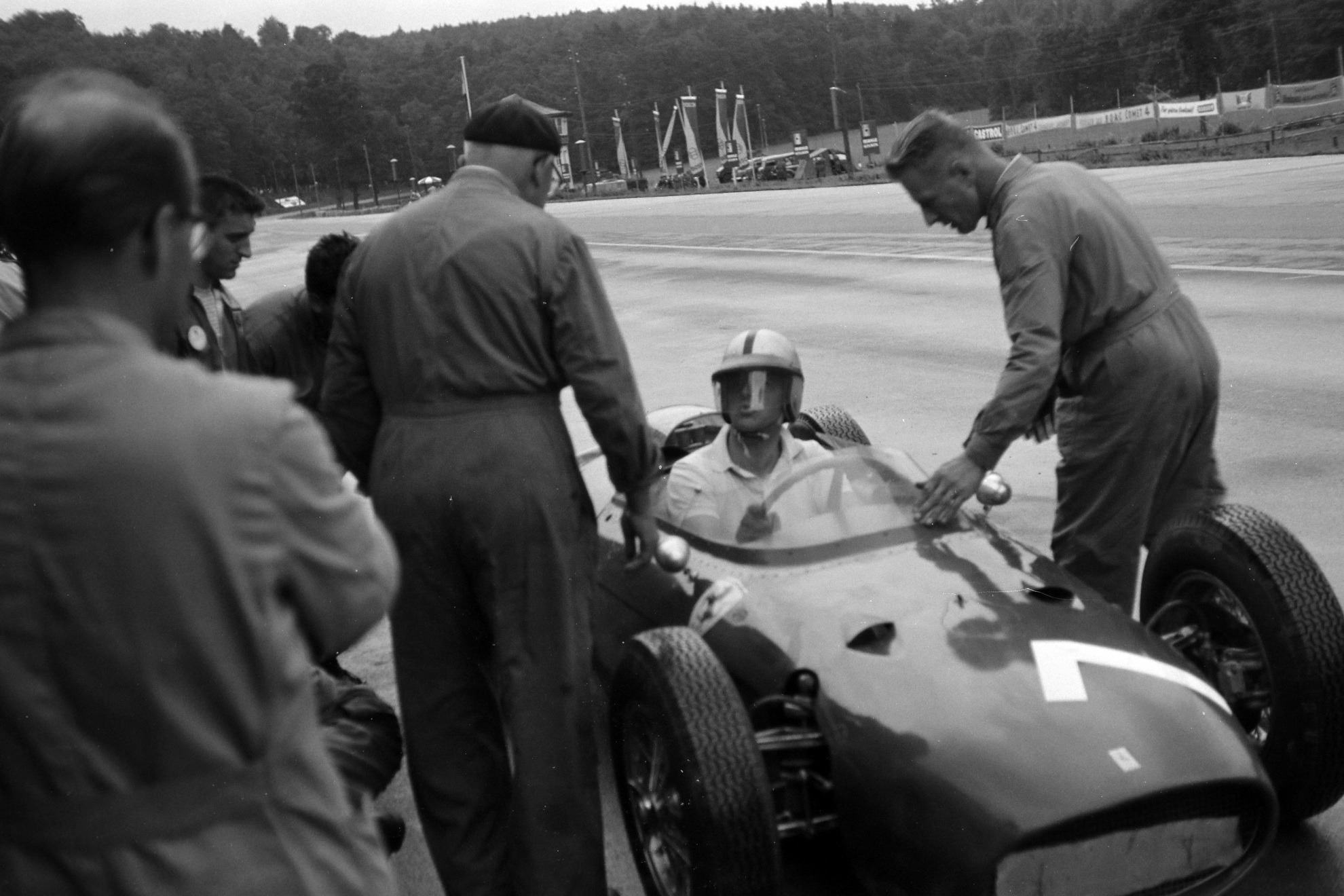
Wolfgang von Trips, Ferrari Dino 246P 1960 Solitude GP
Photo by: Motorsport Images
Held over a seven-mile public road circuit in Germany, the 1960 Solitude GP attracted 12 F1 drivers. There were two Ferraris, for Phil Hill and Wolfgang von Trips (the German's rear-engined), works Lotuses for Innes Ireland and Jim Clark, Porsches for BRM’s F1 trio of Graham Hill, Dan Gurney and Jo Bonnier, and John Surtees replacing the injured Stirling Moss in Rob Walker’s Porsche. Coopers were in the F1 hands of Jack Brabham, Olivier Gendebien, Maurice Trintignant and Masten Gregory. A fourth works Porsche was for Hans Herrmann, not of the ‘F1 clan’.
On this long and wet track, Clark took pole by 0.5s from von Trips and the Porsches, which were split by Jack Lewis – a Welsh farmer who was fastest Cooper driver!
Graham Hill led after a lap, chased hard by the other Porsches, von Trips, Ireland and Brabham. Clark was ninth, but led four laps later and pulled away. On lap 10 of 20, Clark's 12s lead was lost when the Lotus overheated and he pitted for water. Surtees had spun with gearchange trouble and was out.
That left Herrmann and von Trips battling for the lead but, with three laps left, the Ferrari asserted its authority. Von Trips came home to win by 3.6s, providing a taste of what 1961 F1 would look like.
The Porsches of Bonnier, Hill and Gurney followed in a blanket finish but nearly 35s adrift of runner-up Herrmann, with the Ireland/Phil Hill battle another half-minute back. Clark’s problem kept him out of the hunt, lapped in eighth.
Lewis and Brabham had retired, so the leading Cooper at the finish was Gregory’s Maserati-powered car in ninth. Cooper’s dominant days in F2 were over.
But Porsche, despite a huge effort on home ground, was beaten by the ‘new-age’ Ferrari and, morally, by Clark. “I’ve never had to drive so hard for fifth,” reckoned Gurney.
5. Fangio versus Ascari in Ferraris – in Italy - 1949 Monza GP
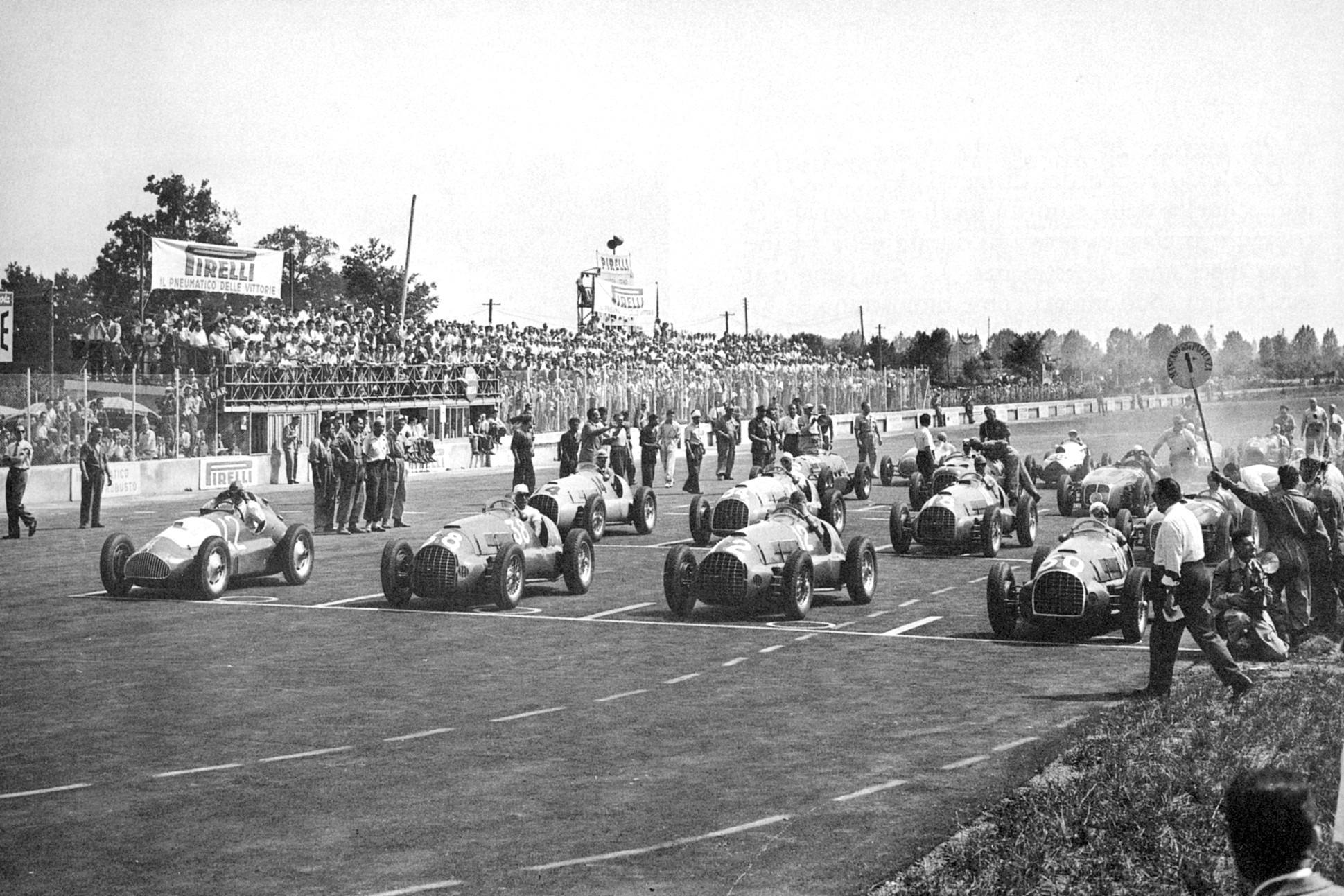
1949 Monza GP start
Photo by: Doug Nye
The second running of the Gran Premio di Monza was held on 26 June 1949 over the same distance as the later Italian GP. That makes this the longest F2 race ever at 313.2 miles.
The GP stars were Alberto Ascari, his experienced mentor Luigi Villoresi, Hans Stuck and, in his debut season in Europe, Juan Manuel Fangio. Sponsored for seven selected F1 races, the Argentinian was unbeaten aside from a retirement at Spa!
Ascari was back after recovering from injuries sustained in March in Brazil, so Fangio requested funds for a Ferrari for this important F2 race. The $11,000 was only delivered by IOU as the grid formed, allowing Fangio to join them.
Villoresi had secured pole by 1.8s from Ascari, Felice Bonetto (all works Ferraris) and Stuck’s AFM-BMW. Fangio and Chico Landi occupied row two. All six battled for the lead, and all but Landi (Ferrari) led at some point.
Villoresi dropped out after 18 of the 80 laps and Stuck pitted twice, so at half distance it was Ascari, Fangio and Bonetto together. Fuel and tyre stops left Fangio with a deficit of 19s. He closed fast on Ascari, who pulled away again as Fangio encountered overheating. On lap 67 Ascari got stuck in third gear and pitted for a cure, while Fangio’s issues increased with low oil pressure and broken wheel spokes causing a vibration.
And yet, after 3h08m49s, Fangio won in his “mobile furnace” from a closing Bonetto, with Ascari a lap back. Scuderia Ferrari had been beaten by the ‘outsider’ on its home circuit, albeit one using the same Ferrari 166C as the works drivers. Only Ascari could have beaten him, but would he have done so? Fangio’s fastest lap surpassed Villoresi’s pole time by a whole 2s at nearly 103mph.
Fangio returned home to a hero’s welcome. With six wins from eight races, was 1949 Fangio’s best year? It’s hard to say, but this was the first European battle of two giants en route to legendary status.
4. Brabham pips Clark in epic contest - 1964 International Gold Cup, Oulton Park

Jack Brabham, Jim Clark 1964 International Gold Cup, Oulton Park
Photo by: Motorsport Images
The 1963 Gold Cup had been a championship-class F1 race won by Jim Clark. How would F2 compete with that?
The entry helped. Three world champions – Jack Brabham, Clark and Graham Hill – were on the front row, along with future champion Denny Hulme, all covered by 0.6s. The Lotus team included up-and-comers Mike Spence and then-F3 star Jackie Stewart as support to Clark. The Brabham squad of ‘The Boss’ Jack and Hulme were ‘aided’ by Hill in John Coombs’s BT10.
At first Clark led Hulme, Hill and poleman Brabham, this quartet in close formation in front of Alan Rees, who as usual was heading the ‘true’ F2 drivers.
Hill pitted after seven laps for a driveshaft repair, while Hulme's similar Brabham took the lead and held off Clark. Brabham then moved to the front and Hulme suffered suspension trouble, leaving Brabham and Clark to battle superbly, sometimes swapping places twice a lap. For the last five laps Clark tried everything to no avail, losing by a whisker – 0.2s.
Rees’s superb drive came to an end with less than five laps to go with tappet trouble, so Stewart gained the final podium spot.
It had been a superb race, run within 3% of the F1 pace the year before, causing Autosport to suggest it had helped establish “F2 as a substitute for GP racing where it is not practical to stage full-scale F1 events”.
3. The ultimate slipstreamer? - 1967 Reims GP

1967 Reims GP
Photo by: Motorsport Images
In 1967 Reims had been deemed unsuitable for F1, the French GP moving to the new Le Mans Bugatti circuit (which proved even more unsuitable). So, on 25 June, F2 came to Reims’s rescue. The drivers relished its special, high-speed nature and all the major teams entered, including Ferrari, which sadly didn’t turn up on the day, declaring its car not ready.
Jackie Stewart took pole at 138.8mph in his Tyrrell-run Matra, but as usual for this famous slipstreaming circuit the field formed into groups of cars in the race. Jochen Rindt, Stewart, Jean-Pierre Beltoise, Alan Rees, Jackie Oliver and Jim Clark formed the leading bunch at first.
Clark's Lotus and Rees's Roy Winkelmann Racing Brabham retired just after half-distance, and now the quintet of Stewart, Rindt, Graham Hill (Lotus), John Surtees (Lola) and Denny Hulme (Brabham) pulled clearly away as they put on a multi-marque contest.
“They were howling past the pits two and three abreast, dodging in and out of each other’s slipstream, and one never knew who would lead next,” reported Autosport’s Simon Taylor.
With supreme judgement, Rindt pulled off the rare feat of choosing to lead out of the final corner, the right-handed Thillois, and hold on to the chequered flag. The Austrian beat Hill by 0.2s, with Surtees, Stewart and Hulme right behind. Only 0.7s covered these five F1 stars at the finish – a foretaste of the 1971 Italian GP, but in this case all of the Reims protagonists were past or future world champions.
Jacky Ickx led the F2 clan home in sixth, almost two minutes adrift in the sister Tyrrell Matra to Stewart's. He narrowly held off Oliver's Lotus. The average speed of 134mph on this power circuit was just 2% from the 1966 French GP pace.
2. Honda not quite unbeatable - 1966 Motor Show 200, Brands Hatch
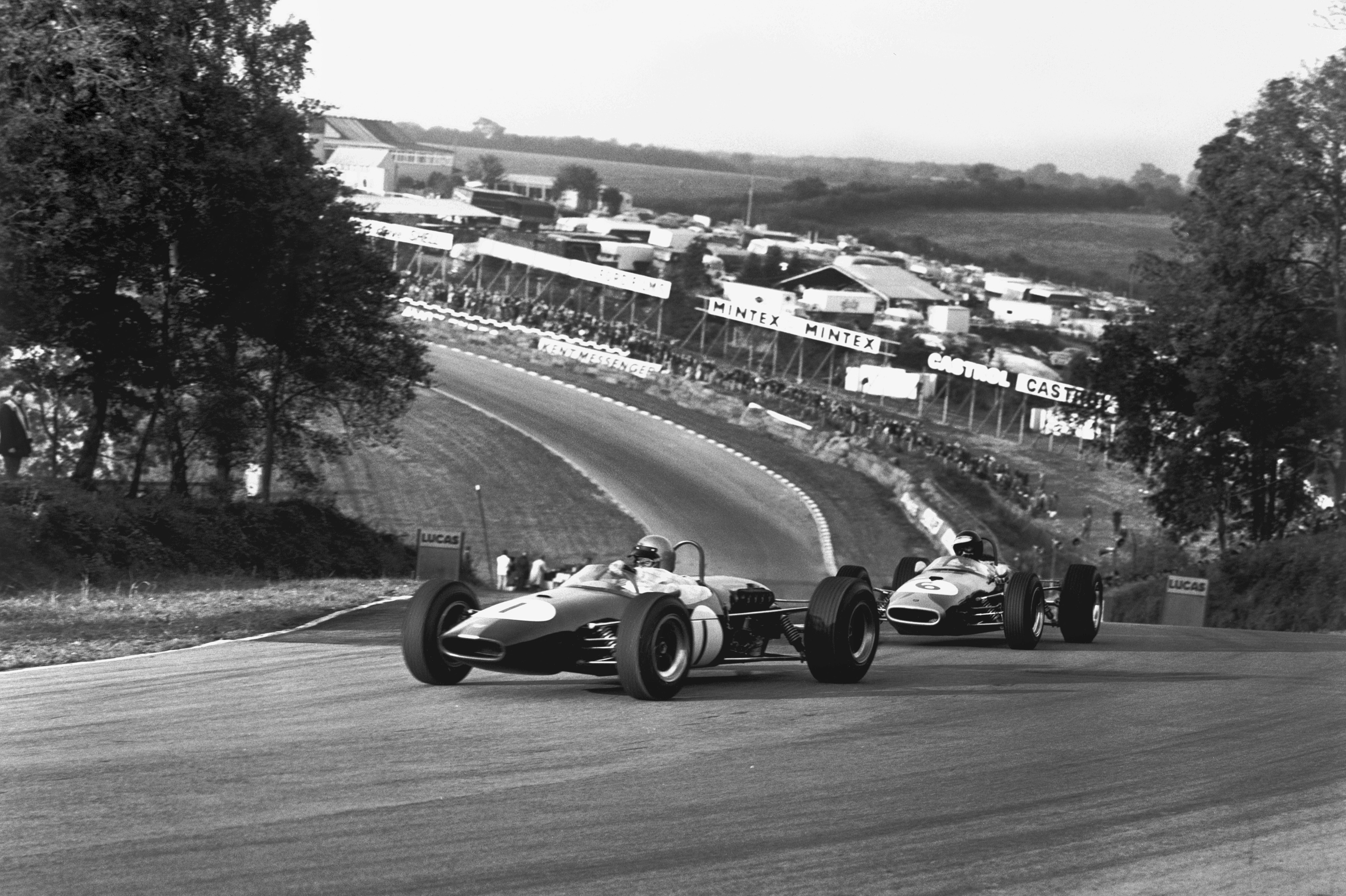
Jack Brabham, Jochen Rindt, 1966 Motor Show 200 Brands Hatch
Photo by: Motorsport Images
Brabham-Hondas in the hands of Jack Brabham and Denny Hulme had dominated the final season of 1000cc F2 in 1966. The last chance to beat the combination came at Brands Hatch at the end of October and a great field assembled for the Motor Show 200, though Hulme was in the United States, so Brabham gave his car to Chris Irwin.
Heat one, for the works cars, contained all the stars, but Brabham was at the back after missing practice. He still shot through to second behind Jochen Rindt's Brabham-Cosworth within five laps and settled for that, ahead of the Lotus of Jim Clark. Irwin was fifth behind Jean-Pierre Beltoise.
Rindt had the notoriously steep pole position for the final and Brabham led from the off. Rindt stuck to him, with Clark hanging on as the top three drew away. After attacking all the way, Rindt’s moment came on lap 26 of 40. They came up to lap Chris Lambert, whose gear lever broke. As Lambert ran wide he delayed Brabham, and Rindt went past in a flash.
“Every lap Rindt and Brabham seemed to leave their braking a fraction later and every lap their angles through Bottom Bend [now Graham Hill Bend] got more acute,” reported Autosport. “But Brabham could not push Rindt into a mistake.”
With 140bhp from his Brabham-Cosworth, Rindt held off Brabham’s 150 Honda horses right to the end, winning by 0.2s, with Clark an envious spectator four seconds back. These three were a minute ahead of the rest, led by the Matra of Jacky Ickx, once again leader of the F2 fraternity.
To underline the pace of the cars by the end of the 1000cc era, Brabham’s fastest lap of 1m36.0s was a whole second better than his three-litre F1 Brabham-Repco had gone on its way to winning the British GP three months earlier. Three of the greatest drivers of the time had produced one of the most exciting dramas, climaxing with defeat of the mighty Honda.
1. The perfect F2 recipe - 1965 International Gold Cup, Oulton Park

John Surtees chased by Graham Hill, 1965 International Gold Cup
Photo by: Motorsport Images
Four world champions were among the 11-strong F1 fraternity for the second Gold Cup run to 1000cc F2 regulations: John Surtees, Jim Clark, Graham Hill and Jack Brabham. And there were three future title winners: Denny Hulme, Jackie Stewart and Jochen Rindt.
A single second covered the first eight of the 27-strong grid, headed by Hulme’s Brabham. The only non-F1 driver among them was Alan Rees, heading the second row. After its poor showing earlier in the year, Jack Brabham gave the revised Honda unit another go and was the last of the eight, but any Honda improvement was hidden until 1966 as his clutch failed at the start.
Rindt's Winkelmann Brabham took off best, but Hulme led after a hectic first lap before dropping to third. Rindt, Clark, Rindt again and Rees led successive laps. Amazingly, the pressure got to Clark, who dramatically ran off at Cascades on lap eight of 40, dropping to 16th after hauling his Lotus back onto the track in this highly contested event. It wasn’t just the leaders, as further back there was a great scrap between Brian Hart and Alan Rollinson.
Rees’s Brabham also hit the front before losing out to the Lola of Surtees at half-distance. Now Surtees, Hill (John Coombs Lotus-BRM), Rees, Hulme and Rindt scrapped away, with Surtees seeming to have the upper hand.
Reigning world champion Surtees nevertheless lost the lead to Hulme on laps 26 and 27, but then recovered to lead from Rees, who shortly afterwards spun to sixth. After Rindt retired, Surtees fought off Hulme and Hill. The Kiwi was within touching distance of the leading Lola of Surtees at Knickerbrook on the last lap, and 0.6s covered the trio at the flag. Trevor Taylor’s Brabham was fourth from Rees. Clark recovered to sixth to claim the British F2 title by a single point from Hill, his comeback including fastest lap, just 2s from his F1 record.
There had been constant drama in a breathtaking, hard-fought race, which also included a charge from one of motorsport’s legends.
“No one could possibly have left Oulton Park without feeling that they had seen absolutely top-class motor racing,” said Autosport. “One of the greatest races seen in this country.”
F1 stars (and Rees) in F2 cars on this drivers' track was the perfect recipe.
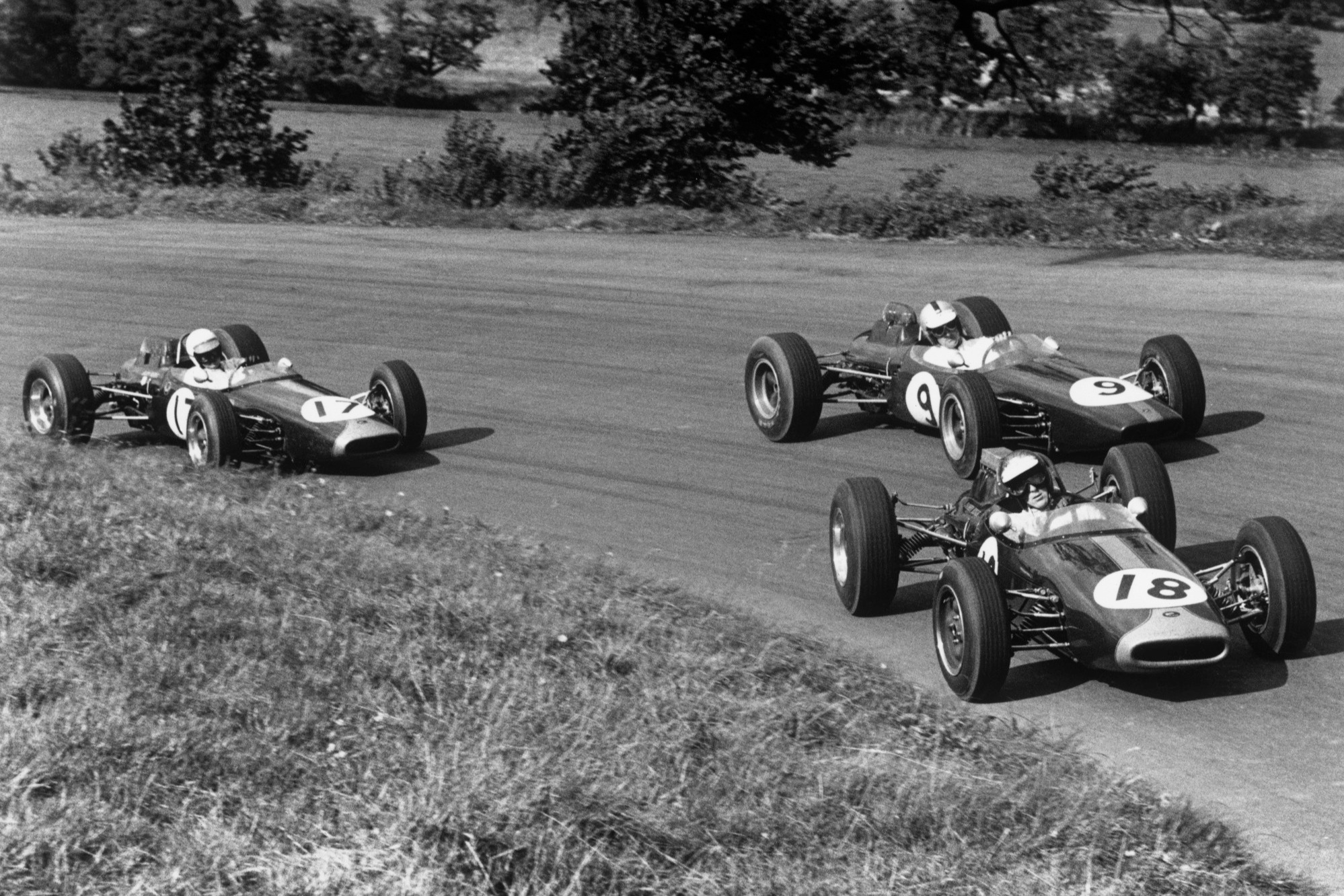
Jochen Rindt (Brabham BT16-Cosworth), Denny Hulme (Brabham BT16-Cosworth) and Alan Rees (Brabham BT16-Cosworth) battle
Photo by: Motorsport Images

Red Bull identifies two "key focus" areas after Max Verstappen's promising start in Austin

Martin declared unfit for Australian GP after suffering fracture in sprint

MotoGP Australian GP: Marquez wins sprint to seize points lead, Martin crashes

MotoGP Australian GP: Marquez crashes and then takes pole in wet qualifying
Subscribe and access Autosport.com with your ad-blocker.
From Formula 1 to MotoGP we report straight from the paddock because we love our sport, just like you. In order to keep delivering our expert journalism, our website uses advertising. Still, we want to give you the opportunity to enjoy an ad-free and tracker-free website and to continue using your adblocker.


Top Comments