


Wolff explains 2026 F1 cars reaching 400km/h claims
Toto Wolff’s bold F1 claim drew scepticism, so he has explained what he meant

Mynt
Bitcoin e criptomoedas? Invista na Mynt.com.br, a plataforma cripto do BTG Pactual
Back in August, Mercedes team principal Toto Wolff suggested 2026 Formula 1 cars would be able to reach 400km/h.
F1 is moving to new technical regulations for 2026, with revamped power units featuring a near-50:50 split between combustion and electric power. Cars will have less downforce and drag; combined with active aerodynamics, this means they will retain high straightline speed.
Wolff’s suggestion still raised some eyebrows. “Well, I felt like we need to give that engine a little bit of a marketing boost, because people were talking it down and it's such an amazing piece of kit,” the Austrian told the Beyond The Grid podcast.
“If you put it all together, we could do 400km/h or maybe even exceed it, but obviously you're going to run out of energy for the next straight and then not be quick enough.”
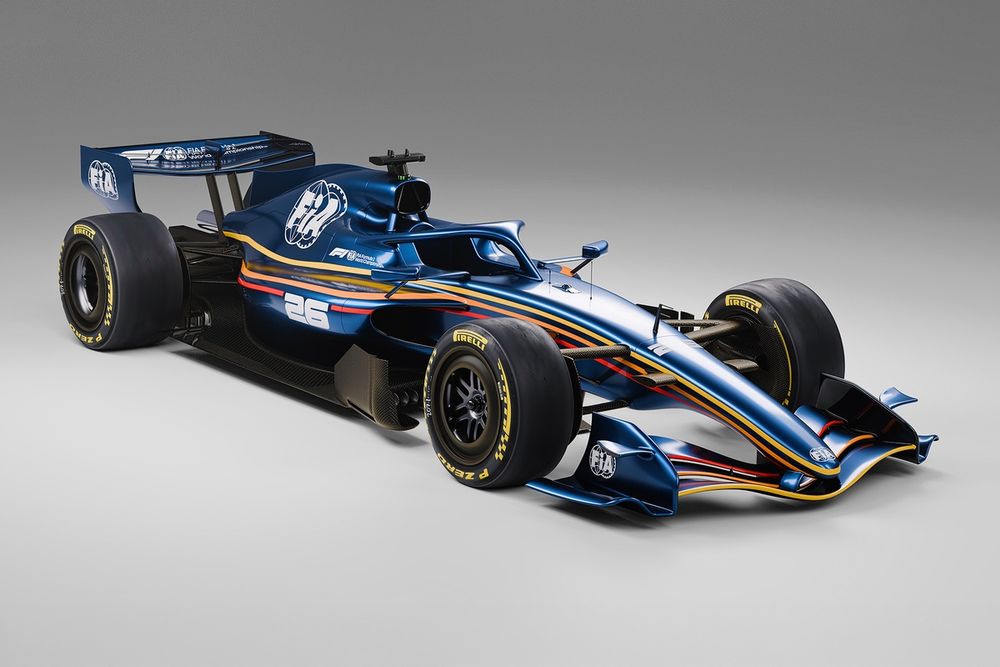
2026 FIA F1 car render
Photo by: FIA
Mercedes High Performance Powertrains managing director Hywel Thomas, who was also on the podcast, analysed the new power units in more depth.
Thomas explained cars will be even faster than the previous generation early on the straights, but energy management will hinder their ultimate top speed.
“I think the start-of-straight performance is going to be very, very similar to today,” he said. “We've got the turbocharger that hasn't got an electric machine on it anymore, so you could get some turbo lag. We'll be filling in that turbo lag with the electric, potentially.
“So, I think in terms of start-straight, the performance is going to be pretty epic in comparison to what we've got today. But we know we're going to start to derate earlier on the straight because we haven't got enough electrical energy to use it all the time.”


Share Or Save This Story


When Cadillac will open its F1 engine factory

Slater set for F1 practice debut with Audi in Mexico

You Ask The Questions: Emerson Fittipaldi


"It's pretty bad" – Why Norris needs headache tablets for bumpy Austin circuit

How Antonelli will manage the pressure as F1 coronation looms

How Antonelli levelled up his character to be F1 2026's world champion-elect

Renault to sell former F1 engine facility in Viry
"It's pretty bad" – Why Norris needs headache tablets for bumpy Austin circuit

Why it's now Bearman versus Camara for the next Ferrari vacancy

MotoGP Australian GP: Bezzecchi leads Aprilia 1-2-4-5 in Friday Practice
Subscribe and access Autosport.com with your ad-blocker.
From Formula 1 to MotoGP we report straight from the paddock because we love our sport, just like you. In order to keep delivering our expert journalism, our website uses advertising. Still, we want to give you the opportunity to enjoy an ad-free and tracker-free website and to continue using your adblocker.


Top Comments