


How reliance on car control can hinder F1 drivers
Balancing a car on the ragged edge for lap after lap entertains the fans, says BEN EDWARDS, but in the record books the drivers who work more subtly tend to be higher achievers
Extreme car control is a joy to behold. Photographs of Ronnie Peterson applying opposite lock around the old Woodcote corner at Silverstone, or replays of Max Verstappen saving his Red Bull from impact against Armco barriers in Brazil in 2016, give us a visual treat of seeing driving skills at the highest level.
Verstappen has delivered plenty of other moments to relish, such as his perfect 360-degree spin at Hockenheim in 2019, which didn’t prevent him from winning the race, and his reactive save of a sideways restart at Imola this year. Training in karts on slick tyres in the rain under the watchful guidance of his father Jos Verstappen helped the young man develop a truly instinctive feel for the correction of anything on four wheels.
Yet according to one of motorsport’s most valued driver coaches, a man who has worked with nine of the current contenders on the grid, that instinctive car control can be a burden as well as a blessing. Rob Wilson raced alongside Nigel Mansell and Derek Warwick in F3 and developed a deep understanding of their individual skills before he went on to race in multiple disciplines around the world.
Now in his late sixties, Wilson is as flat out as ever; he was due to run two separate coaching sessions at different circuits the day after we spoke, one of them with a current F1 driver. Young aspiring racers often invest in a two-year programme of instruction with Wilson, but it doesn’t take long for him to learn about their innate ability.
“When I get new drivers and identify that natural car control, which I can usually sense within the first three corners, it sends up an alert signal,” explains Wilson. “My concern is that they will end up relying on that car control instead of doing the Nigel Mansell thing of work, work and work at it. Derek Warwick had the initial natural car racing ability but Nigel Mansell’s determination to work at the craft, step by step, ended up being far more successful.”
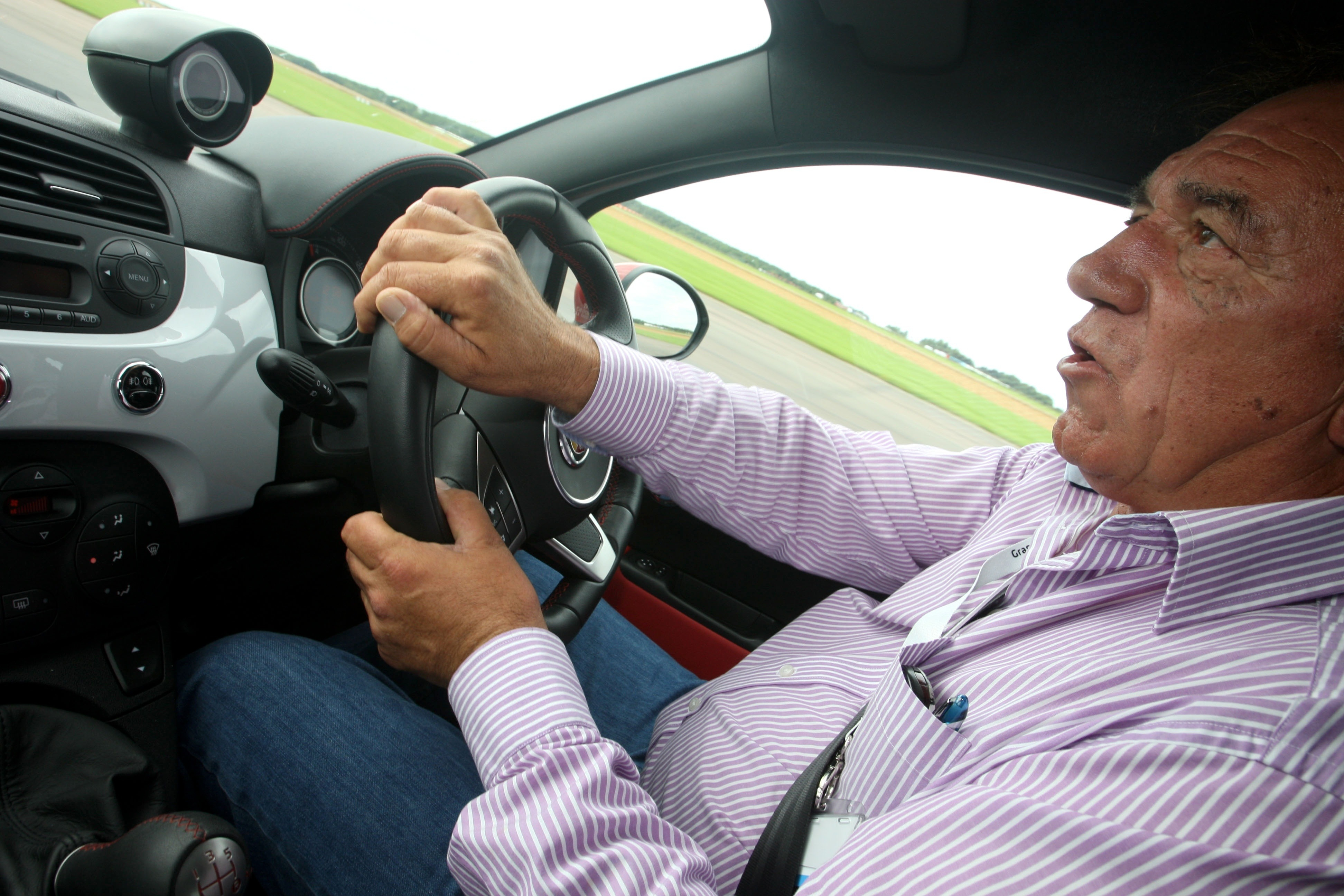
Rob Wilson, expert driver coach
Photo by: Motorsport Images
In 1993, Wilson sat alongside Mansell in a road car at Elkhart Lake, the classic Road America circuit in Wisconsin, as Mansell took on a new challenge in Indycars just months after winning the F1 world championship. A gap of nearly 15 years since they had raced wheel to wheel proved Mansell had used his time wisely.
“There was a complete transformation in his driving,” recalls Wilson. “His style in the car was a complete contrast to his bulldog, hard charger personality; his feel was superb, so delicate. Nigel had developed massively.”
All F1 drivers are unique in how they combine natural talent with technical awareness. In Wilson's view, Peterson was at one end of the scale with incredible intuition and reactions, while Niki Lauda was at the other end, unlikely to chance a late braking manoeuvre but always aware of what he needed technically.
"When it started to rain, you would have thought that Peterson would have excelled - but because he had already spent the whole race on the ragged edge, there was a degree of nervousness in dealing with the change in conditions" Rob Wilson
Lauda won three titles; Peterson failed to win any – and Wilson has an interesting perspective on the 1973 British GP at Silverstone, where the 'Super Swede' was so lauded for his driving prowess yet lost victory to Peter Revson.
“I was watching at Woodcote and Peterson was amazing through there,” says Wilson. “But he was at 100% the whole time with the car while Revson wasn’t far behind driving at 97%. When it started to rain, you would have thought that Peterson would have excelled - but because he had already spent the whole race on the ragged edge, there was a degree of nervousness in dealing with the change in conditions.
“Revson, who had not extended himself beyond pure harmonisation, got closer and closer, then overtook and won the race. He had not given himself any frights and I think the reverse can happen to those who are dancing on the tiptoes of pure instinct.”
So where do our current superstars stand? Verstappen has shown us his tenacious ability to correct a car, but he has also demonstrated superb tyre management in races. Lewis Hamilton tends to have fewer dramatic moments, but his control is also remarkable.
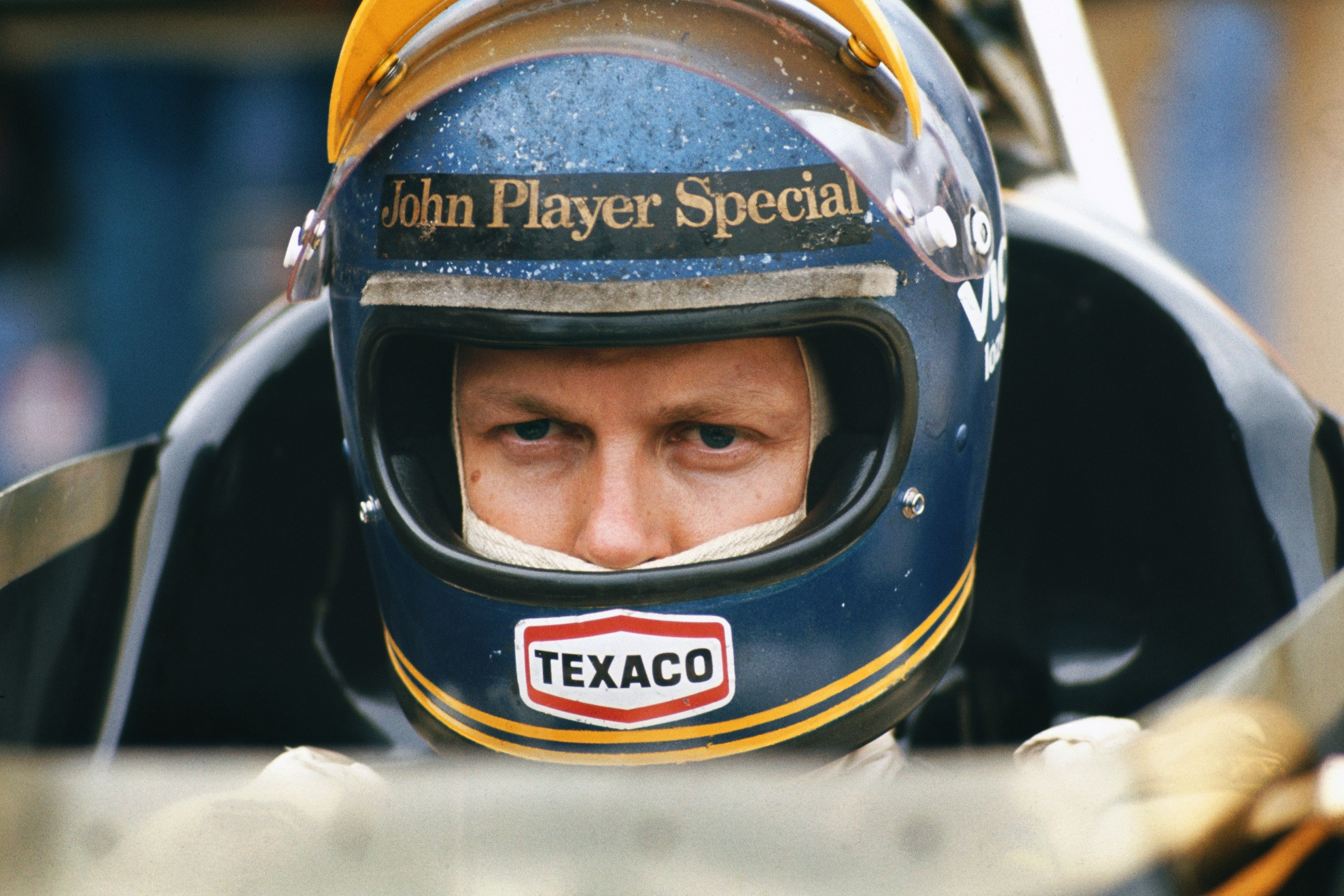
Ronnie Peterson, 1973 British GP
Photo by: Motorsport Images
“Max does have that natural ability,” agrees Wilson. “But at times he relies on it a fraction too much. Last year on the full Bahrain circuit I noticed in qualifying that at Turn 10, the inner left-hand hairpin.
“Max chanced it by banging onto full throttle a little bit early. He corrected it but lost time as a result. Lewis stayed absolutely within what his car could do, there was no excess movement; his car control is very subtle. He uses it to manipulate the car on corner entry so there’s nothing to react to on exit. His technique is what I try to pass on.”
Easing away from confident car control is something that worked well for Jody Scheckter in the 1970s and perhaps it is a route that Verstappen is already pursuing. The South African's initial brash and dramatic style was calmed and purified until it served him perfectly in 1979 when he won the world championship with Ferrari, racing alongside Gilles Villeneuve who had become the fans’ favourite for providing great visual moments.
Seeing a car saved from imminent accident damage will always give viewers a thrill, but it is clear that those in the know understand that the visually serene approach rather than blatant full-lock steering control is the real path to stardom in F1.
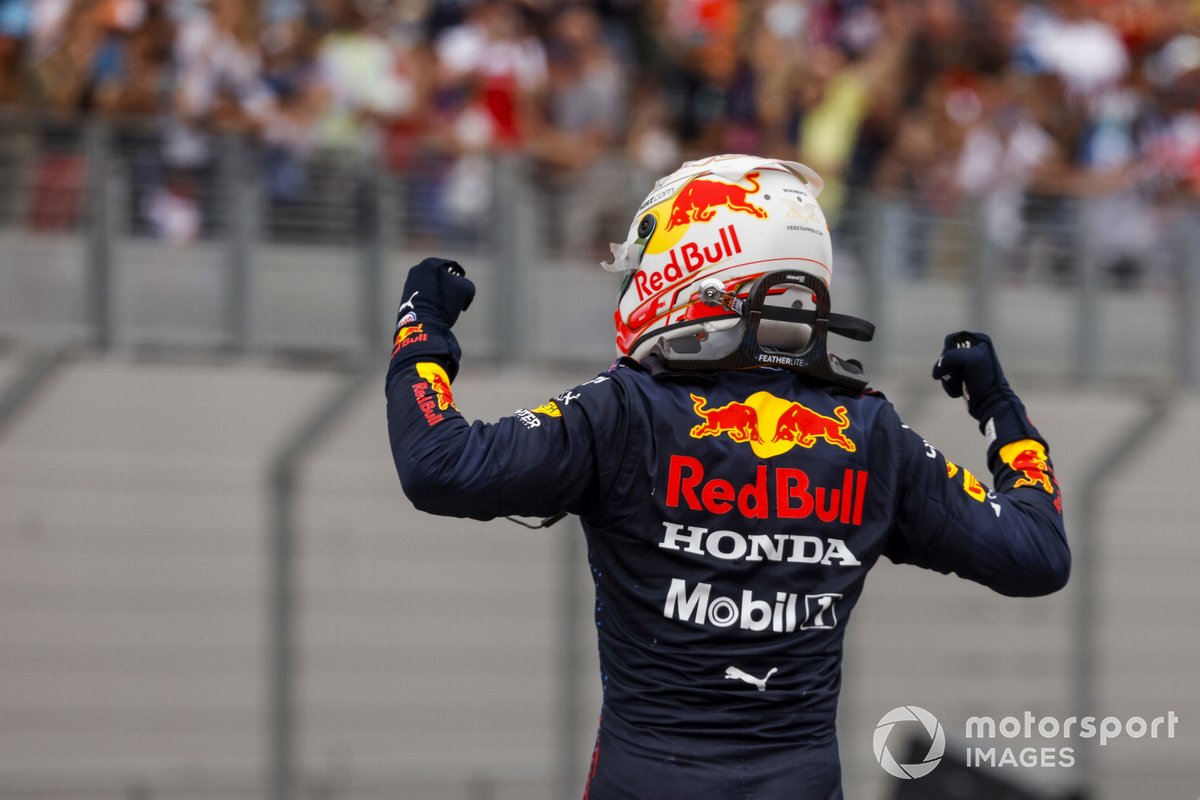
Max Verstappen, Red Bull Racing, 1st position, in Parc Ferme
Photo by: Glenn Dunbar / Motorsport Images

How Ratzenberger beat the odds to realise his cruelly short-lived F1 dream

F1 uncovered: A weekend behind the scenes with a chief mechanic

When McLaren was pipped by Red Bull in a modern F1 classic

The big opportunity Sainz’s Williams switch affords to F1’s latest centurion

Inside the science of F1 fuel

How F1’s plan for rotating races could look in practice

The early decisions that set Sauber’s rookie for success

How F1 media coverage has evolved in line with its subject

WEC Barcelona: Genesis secures maiden series pole from Toyota
What drives Bortoleto as his junior rivals hit new heights in F1

How the M8B became the most dominant car in McLaren’s history

What Verstappen knew about Red Bull’s big upgrade when he signed his new F1 deal
Subscribe and access Autosport.com with your ad-blocker.
From Formula 1 to MotoGP we report straight from the paddock because we love our sport, just like you. In order to keep delivering our expert journalism, our website uses advertising. Still, we want to give you the opportunity to enjoy an ad-free and tracker-free website and to continue using your adblocker.


Top Comments