




How getting sacked gave Mercedes F1’s tech wizard lasting benefits
He’s had a hand in world championship-winning Formula 1 cars for Benetton, Renault and Mercedes, and was also a cog in the Schumacher-Ferrari axis. Having recently ‘moved upstairs’ as Mercedes chief technical officer, James Allison tells STUART CODLING about his career path and why being axed by Benetton was one of the best things that ever happened to him
Command of the air was a concept which infused James Allison’s life from the very beginning – his father, Sir John Allison, was a fighter pilot and later commander-in-chief of RAF Strike Command, as well as a passionate restorer and driver of vintage cars. Perhaps then it's hardly surprising that an early life surrounded by both aeronautics and the works of automotive pioneers should set Allison on the road to a career in Formula 1, initially as an aerodynamicist. But you’ll see another thread woven through this story: the sense of duty which abides those who have grown up in and around the armed services.
Allison’s career has encompassed soaring highs and shattering lows – and, as he embarks on the next phase of it in a new role as Mercedes’ chief technical officer, he’s ready to tell GP Racing all about it…
GP Racing: In your Mercedes corporate profile, you say – jokingly – that you wanted to work in Formula 1 because it was a great alternative to growing up and getting a proper job. But given your family background, it kind of feels like a natural fit that you should get involved in cars and aerodynamics – and, dare we say it, a little bit of war as well.
James Allison: In my head, then and now, ‘a real job’ is one where stuff moves slowly, where priorities are not always clear, and where there isn’t the purity of what we get to do. And what we get to do is deeply exciting and challenging, and you know exactly what you’re there for. It’s hard but it never seems like drudgery.
I was an engineer at university but most of my engineering pals there didn’t go on to become engineers, they went off and found homes in the City, making money. And I didn’t fancy that, it left me a bit cold.
I really liked engineering, I liked what I studied, and I liked the mucking around I did outside of university with broken things, trying to make them better. I knew I liked aeroplanes a lot through my upbringing. But the industry is such that if I wanted something fast-moving and challenging, I would have to set up on my own to design and make a plane, because then it could go at the pace I wanted. Or I could get on board with the big aeroplane manufacturing companies, and I didn’t fancy the idea of being involved in projects that lasted 20 years and might never even be built.
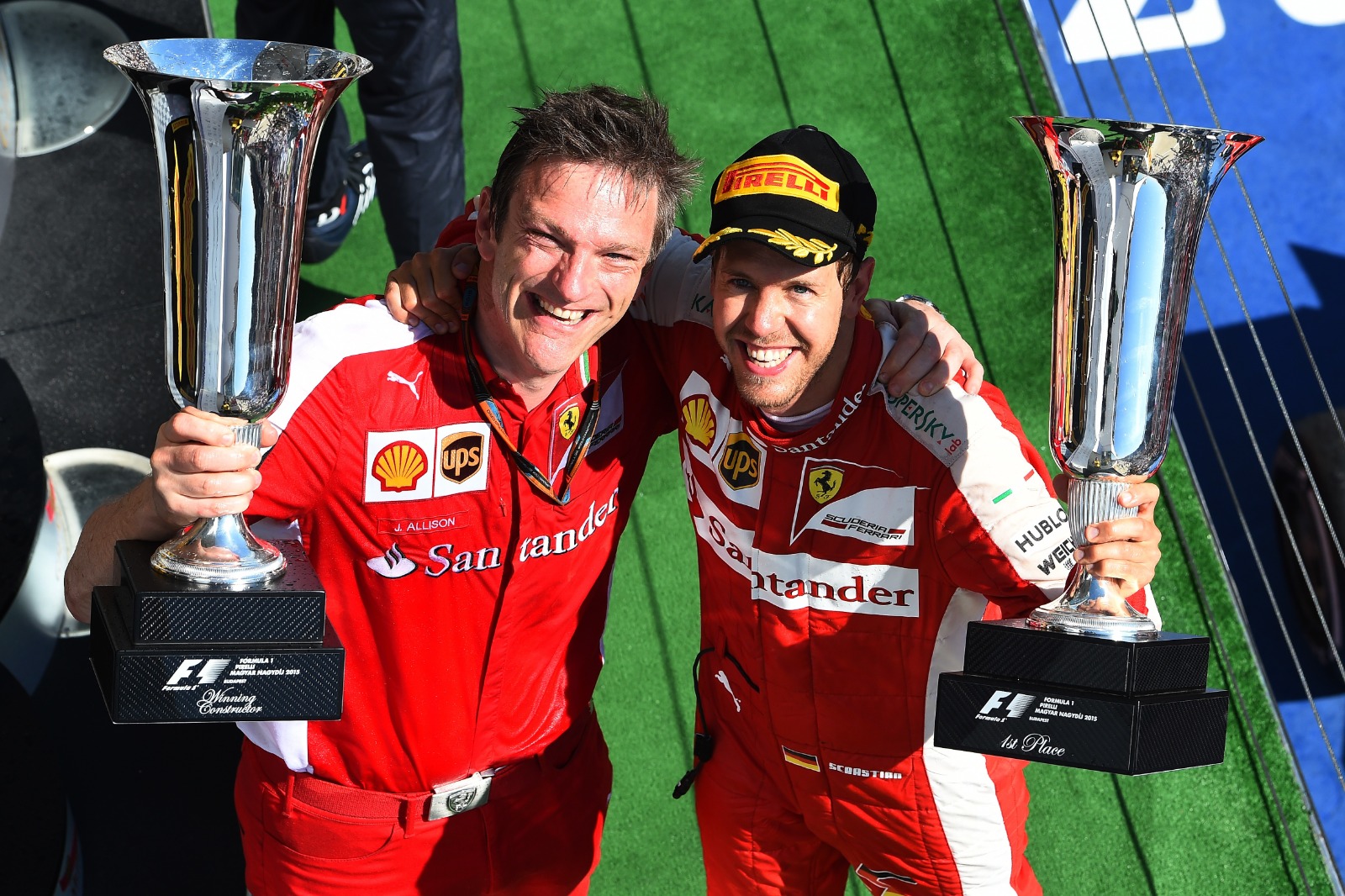
Allison was interested in planes from an early age, but pursued a motorsport career to meet his need for rapid design and iteration
Photo by: Motorsport Images
I’d also been very keen watcher of Formula 1 and loved the idea of a championship where an engineering team could pit their wits against another with a pretty intense cycle of iteration and improvement. Two boys at my school, their father was Robin Herd [co-founder of March], so I asked if I could have a chat with Robin and he gave me loads of encouragement, just to try my luck and write to the teams, set out my stall and see what happened. I did that and said, ‘I’d love to work, I don’t need money, I’d just like to work in any capacity’, and I got lucky.
GPR: F1 teams now employ hundreds of people. When you joined Benetton in 1991 as a junior aerodynamics engineer, presumably you had more of a view over the whole car than someone in that position would have today?
JA: It was the brief interlude where Benetton had relocated its technical offices from Witney to Godalming, close to [technical director] John Barnard’s home. I was very lucky to be given the opportunity by Benetton who were not the dominant team of the day, but they had title ambitions.
"It was quite an interesting design project for someone fresh out of university. I did some epic over-engineering but it was all still there many years later" James Allison
I knew I was joining a frontrunning team with structure and some order that the smaller teams couldn’t afford. I was doing things in the lower reaches of the aerodynamics department, which, granted, wasn’t the 150-strong army you might find in a big team today: I was the seventh member of a previously six-strong aerodynamics team but my scope didn’t go beyond the walls of the aero department. I wasn’t out looking over the whole car by any means.
The company had got a contract to use one of the medium-speed windtunnels at Farnborough, a much grander affair than the tunnel they had been using at Shrivenham. This tunnel had been designed for aeroplanes and it needed to be converted to have cars in it, with a moving-belt rolling road and a moveable strut to put the model at different ride heights. And it needed a whole bunch of wheel mounting systems.
My first job was to figure out how to get the rolling road, which had been purchased some time previously from another company, into the tunnel, and the model-mounting system functioning and sized correctly. It was quite an interesting design project for someone fresh out of university. I did some epic over-engineering but it was all still there many years later.
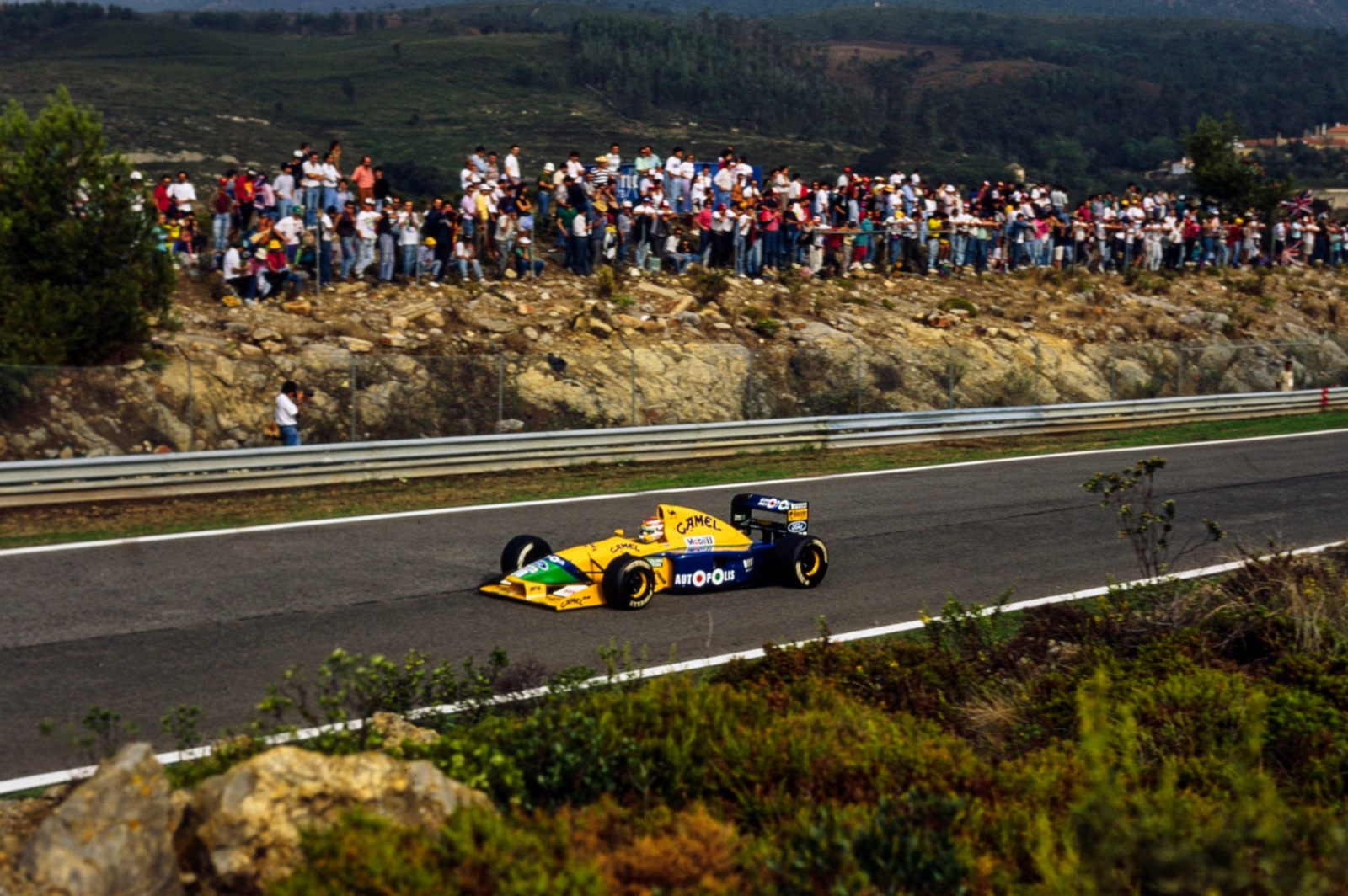
Allisson's first job in F1 was at Benetton, where he was tasked with getting the rolling road operational in the windtunnel
Photo by: Motorsport Images
GPR: Very quickly you went off to work with Robin Herd at Larrousse [as head of aero]. Was that a case of wanting to move onwards and upwards?
JA: Actually it was just a total misjudgment of how things stood. The John Barnard era came to a fairly shuddering halt when he was sacked and Gordon Kimball took over for a bit, and then Flavio [Briatore] did the deal with Tom Walkinshaw, who had a design team led by Ross Brawn and which had acquired Pat Symonds and Rory Byrne, who had worked at Benetton before going over to the Reynard F1 programme.
Ross came in with sort of the old gang from Witney, along with some of his Jaguar [sportscar] folk. It seems like a dream now but for a while there were two projects running in parallel, Gordon Kimball and Ross’s team, one of them was going to use the V8 Ford and the other was going to use the V10, and we would figure out which was best.
That didn’t last very long and sensibly it all coalesced around Ross. As this was all slamming into focus, Willem Toet and a couple of the modelmakers who had been at Reynard came in, so that team of seven became a team of 10, under different leadership, and I completely misread the situation.
I thought that, big as this team is, it can’t possibly afford the expansion of people in the aero department and some trimming would be inevitable – and I would be hoofed out in favour of the incomers. So I started looking around and, as it happened, Robin Herd, having been absent from F1 for a while, had got this tiny little outfit in Bicester acting as a design team for Larousse, one of the back-of-the-grid strugglers. He asked if I wanted to come and join them.
PLUS: The enduring legacy of a motorsport engineering giant
I handed in my notice on New Year’s Day – not one you’d normally be working, but we had a lot on at the time with the move back to Witney from Godalming. By that stage I’d spent several months working under Willem, vigorously drawing bits for the aero programme. I handed him my notice, saying, “Look, I’m going to save you the trouble, I’ve accepted a job elsewhere.” He put his head in his hands and went “Nooooo…” He had a contract for me in his hands which had a really substantial pay rise for me.
But by that stage I felt like I’d given my word to Robin. It might have seemed crazy to leave a team where I’d created a favourable impression, and go to a smaller team for less money, but it felt important to do what I said I would do. And actually, the way it worked out, it was good, because it was a great experience working at the very other end of the grid.
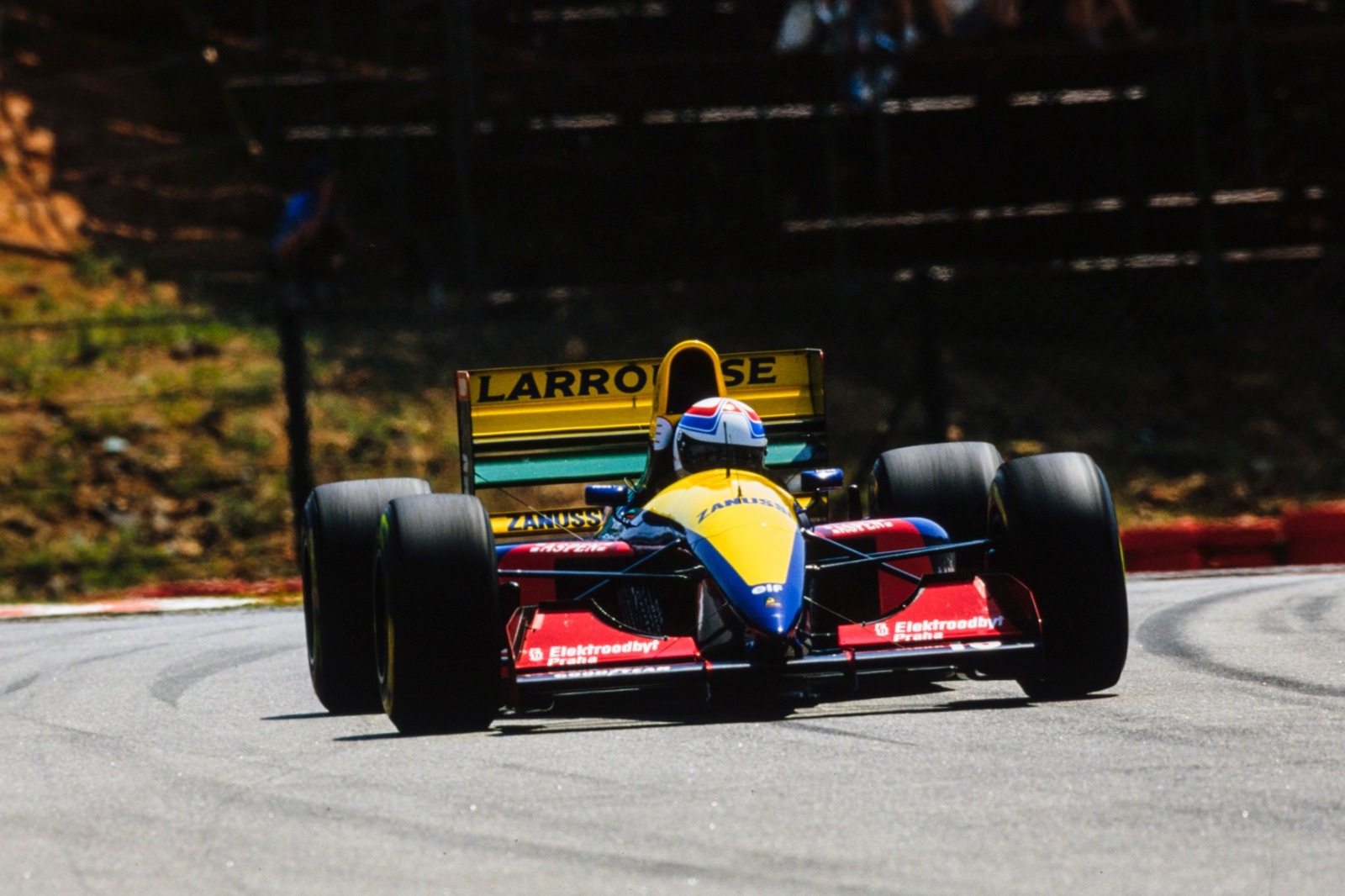
Allison's time as head of aero at Larrousse was brief, but rewarding
Photo by: Motorsport Images
The aerodynamics department was me and two model makers. It was super-busy, and of course doomed to failure. But along the route to that failure we had a lot of fun, we scored the occasional point, and I learned more about the overall car by virtue of being in a small team.
When Larousse failed I got back in touch with Willem, he remembered me, and he offered me a job back with the team, which by then had moved to Enstone. This was during 1994, just before the whole mess at Spa and the falling out with Max Mosley [when Michael Schumacher was disqualified for excessive plank wear].
GPR: How do you re-integrate into a bigger team when you’ve had a theoretically more senior position in a smaller one?
JA: Aerodynamics departments are divided into operational stuff that makes the bits which are tested in the wind tunnel, and the conceptual stuff that comes up with the shapes and ideas. During that period I worked alongside Nikolas Tombazis, who’s now at the FIA [Toet had left for Ferrari in late 1994]. Nikolas was the conceptual aerodynamic brain and I was the make-it-all-happen person, so I was looking after all the design and a good chunk of the testing. We made a reasonably good team until around 1997, when Nikolas decamped to Ferrari along with Ross and Rory.
"I was stretched very thin by that stage and working insane hours – as were many other people – and it was hard because after all the effort you weren’t even seeing a flicker of reward on the track. Quite the opposite, in fact: the car was worsening with each passing season" James Allison
GPR: Was that how you ended up moving to Ferrari? Benetton did go off a cliff, competitively speaking, in the following years.
JA: We did. We lost Michael to Ferrari, and we acquired in his place Gerhard Berger and Jean Alesi. This wasn’t an upgrade.
Additionally the team lost Flavio, and the Benetton family started to run the team. We lost a lot of sponsorship, on top of losing Ross, who is a very capable engineering leader. I was soldiering on and not enjoying the work. The overall experience of being in F1 remained great but, compared with the championship-winning years of ’94 and ’95, the decline was horrible and I felt personally very responsible for that – because with Nikolas gone, I was left running the aero department alone.
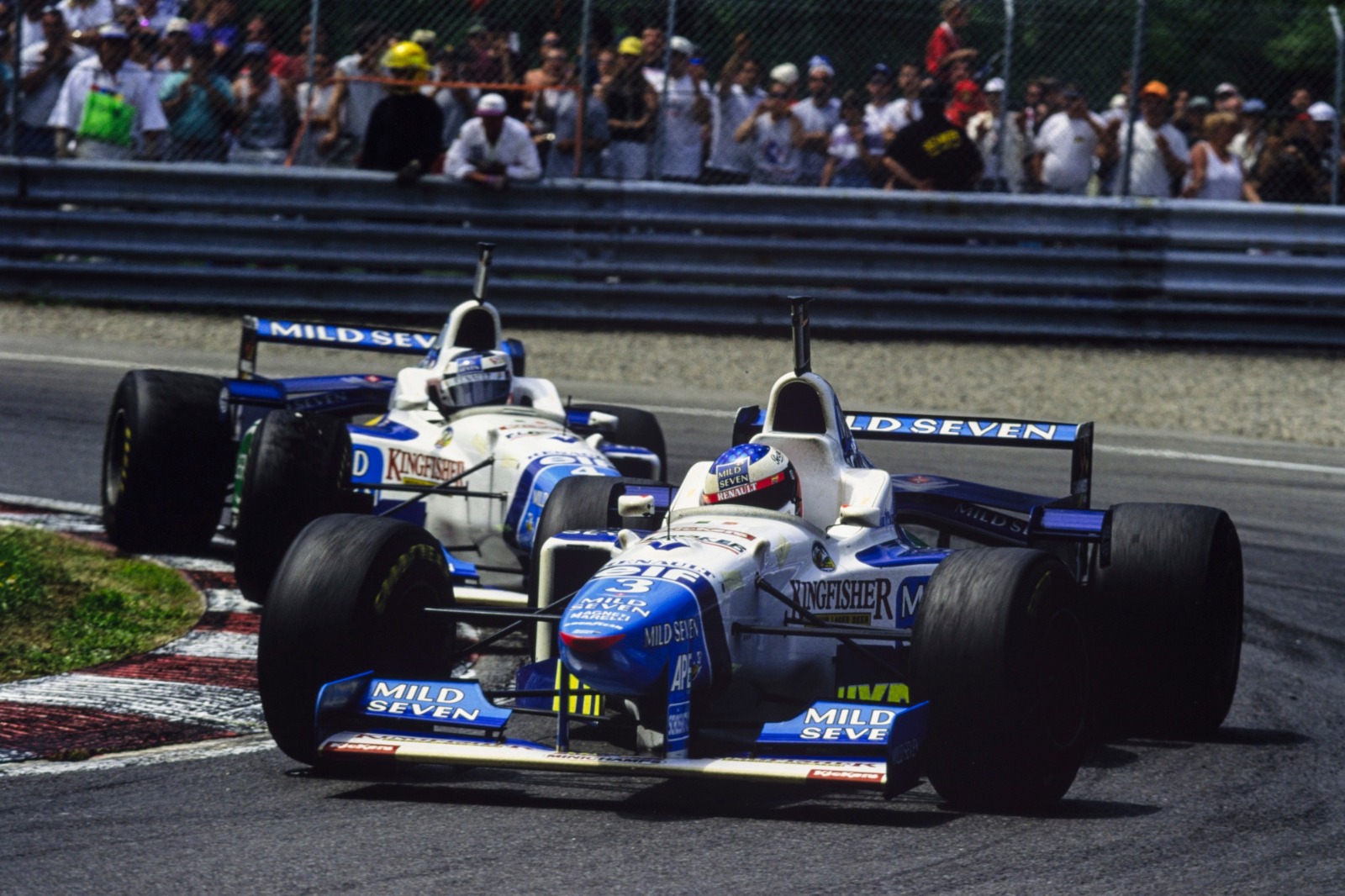
After Benetton's title-winning peak, it experienced a sharp decline from 1996 onwards that took a huge toll on Allison
Photo by: Motorsport Images
We were trying to keep the windtunnel programme going on at Farnborough while building a new tunnel on site at Enstone. This was pretty major work because it was during the period where windtunnel models were going from just being able to adjust the ride height and pitch angle, to being able to do roll and steer as well.
The model-actuation system for that is difficult to get right and this was back in the days when it was being done for the first time. I was stretched very thin by that stage and working insane hours – as were many other people – and it was hard because after all the effort you weren’t even seeing a flicker of reward on the track. Quite the opposite, in fact: the car was worsening with each passing season, the money getting harder to come by in sponsorship terms, and the management were getting agitated.
When you’re in a team on a downward cycle it’s a very insecure feeling. But it did culminate in possibly the best thing that happened to me career wise, which was that I was pretty much sacked in 1999 – I think ‘constructively dismissed’ would be a more accurate description.
I was doing a straightline aero test in France and was asked to come home early to interview a potential new aerodynamic recruit. It was Ben Agathangelou, a splendid fellow who had been running the aero stuff for the stillborn Honda programme – like several others he had become available when that ended. So I interviewed him, said my thoughts that he was a decent chap and would easily fit in nicely, and then I got a call from Nikolas saying, “James, you need to watch your back because your team has hired Ben to be you.” Interviewing your own replacement was a little hard to take!
GPR: It’s very much the case, isn’t it, that from a corporate point of view a human sacrifice is often required when a project is deemed to be failing?
JA: It was a fantastic wake-up call for what a company is and isn’t. I had given everything to the effort. Whenever there was a fork in the road, should I double down on trying to make the work stuff come good or should I pay a bit of attention to my wife and my young children, I’d always chosen the path of work. I was kidding myself in some way that I was looking after the future of my family… that there would be some sort of reciprocal commitment, in difficult times, from the company. But actually, the company isn’t a person, it isn’t your friend, its loyalty is to the corporate entity.
That was pretty useful recalibration of my own attitude. I could see there was more important things than 100% work, that I had other responsibilities that were more important – my wife and my family. And as a consequence, I actually became a much more effective employee because I worked at a level that was hard, but sustainable, and I was a much better husband afterwards as well. So I definitely recommend being sacked occasionally – it’s good for you.
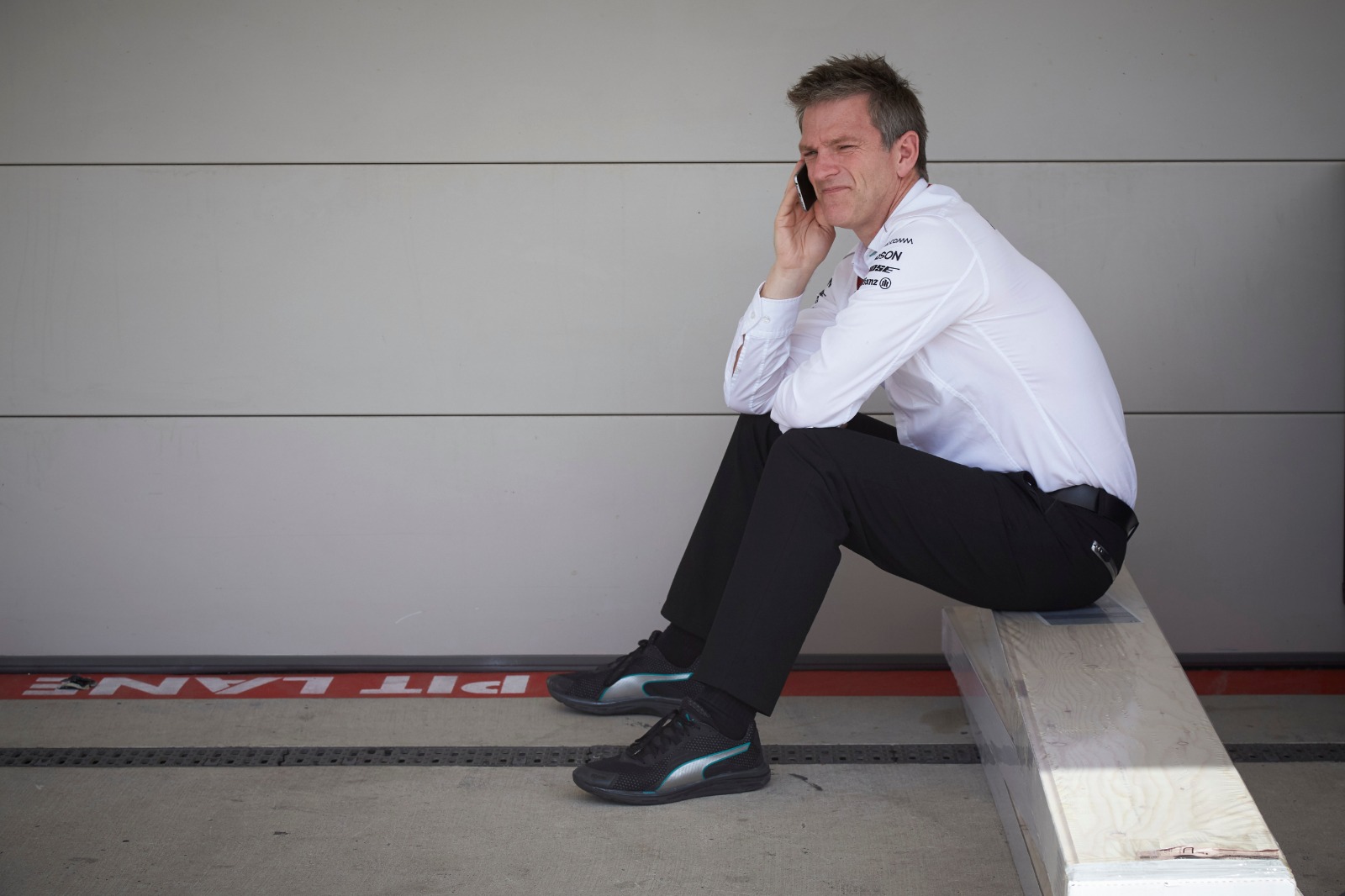
Allison believes he became a more effective employee as a result of the self-evaluation that followed his being fired by Benetton
Photo by: Motorsport Images
Another good thing which came from it was that I wound up in Italy, working for Nikolas at Ferrari at the beginning of the glory run, which I was then able to play a small part in. And the experience of being in Maranello with ’Becca – my wife – and my three kids was just brilliant. We had nearly five years out there in an idyllic place with lots of new friends and new experiences.
GPR: Was Ferrari where you learned the art of ‘truffle hunting’, as it were? Ross Brawn had that reputation for gathering everyone around, breaking down the silos between departments, and encouraging ideas which might individually bring tenths of a second, but which added up to more.
JA: Ferrari was a well-organised team and Ross a very talented technical director. But it wasn’t just the technical side. A team that is succeeding has got strength and organisation across the board. Jean Todt was a great team principal. He hired the best driver, the best technical director, he’d secured the best budget, and he worked very hard to keep things stable in an environment that’s famously unstable.
"Back in the day, race teams treated the factory with a degree of contempt. I had to be a little bit skilful from a human perspective to get the relationship strong enough that people would give me an ear"James Allison
He was ruthless about cutting bad apples away from the team and, as a result, it was a good environment where people knew they were pushing on the same wheel. It might not be tenths, it would be hundredths, but every person was adding hundredths. It was also my first experience of spending any time at the track, which may seem unusual to people outside F1.
Ferrari were the most adventurous team and the first to spot the opportunity to make sure the people at the track were getting the best out of the car aerodynamically. Before then, there hadn’t been a systematic link between the race team and the aerodynamics team, a systematic effort to find out whether the car was actually performing as the windtunnel suggested it should. And the effort to make the instrumentation good enough to make aerodynamic measurements at the circuit had barely begun.
When Nikolas hired me he offered a range of possibilities, working in the windtunnel or this job, and all would have been fun, but this one was cutting new ground. And it was a great experience, not just that I was trusted to lead something new, but also because back in the day, race teams treated the factory with a degree of contempt. I had to be a little bit skilful from a human perspective to get the relationship strong enough that people would give me an ear – and then once they did, and tangible results started flowing on the stopwatch, that was it.
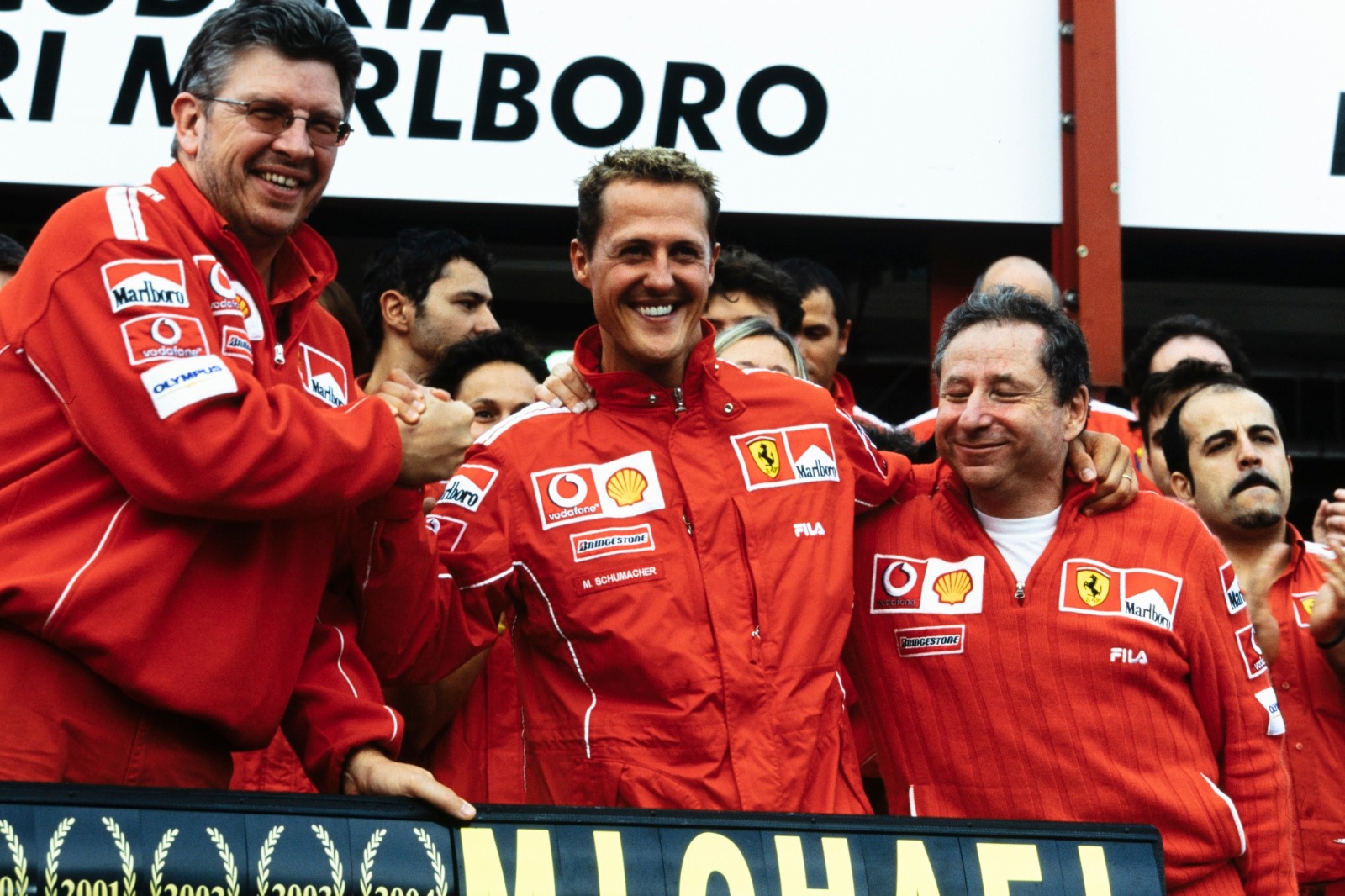
In his first spell at Ferrari, Allison was tasked with ensuring the trackside team were optimising the car's aero potential, helping Schumacher in his march to seven world titles
Photo by: Motorsport Images
GPR: In 2005 you went back to Enstone – Renault by then – as deputy technical director. At what point during the Ferrari years did you start to aspire towards taking more of an overall leadership role?
JA: People often don’t believe me when I say this, but at no point have I thought in those terms – and I think it’s a mistake to. The experience of being sacked made it pretty clear in my mind that personal ambition was a dangerous thing. What you should seek to do is enjoy the life you’re given. If as a consequence of working hard and being a good team-mate people offer you other stuff, well, great.
I had a fabulous time with Ferrari, I would have been happy for it to continue, but my eldest daughter was approaching secondary school age. My wife and I were figuring out: [once all three children were committed to the education system] we would be in Italy for 13 more years. Is that actually believable? Will F1 continue for another 13 years? At the time there was no guarantee. It felt too uncertain for my children to commit to a future where I was less certain of being able to earn a wage in in a foreign country than I might be if I fell on hard times in the UK.
So I got in touch with Bob Bell, who I’d worked alongside at Benetton. We’d liked each other from the start, and he had gone off to Jordan when Benetton self-destructed, then returned to Enstone when it became Renault and was now technical director.
Renault had the most amazing man, Dino Toso, as head of aero – a charismatic, talented, clever man, and his vision was a large part of why Renault had gone from a completely uncompetitive car in 2001 to being a race-winning contender in 2003, and then a championship winner.
But Dino had been diagnosed with a very aggressive cancer and been given a grim prognosis. Despite the chemo and radiotherapy that he was enduring, he was holding down his job with great skill and inspiring courage. Bob wanted to allow Dino to do that until he felt he couldn’t do it anymore. But Bob also knew that he needed to look for someone who could pick up the reins should Dino withdraw from the fray.
Insight: The hidden hero behind Alonso’s Enstone F1 glory years
So Bob hired me from Ferrari on that basis, as a deputy technical director. Dino absolutely knew and was supportive of my arrival. And he defied all the predictions made by his doctors, carried on providing Renault with amazing input for a good long period after that, during which time he got married and became a father, and the team won two championships.
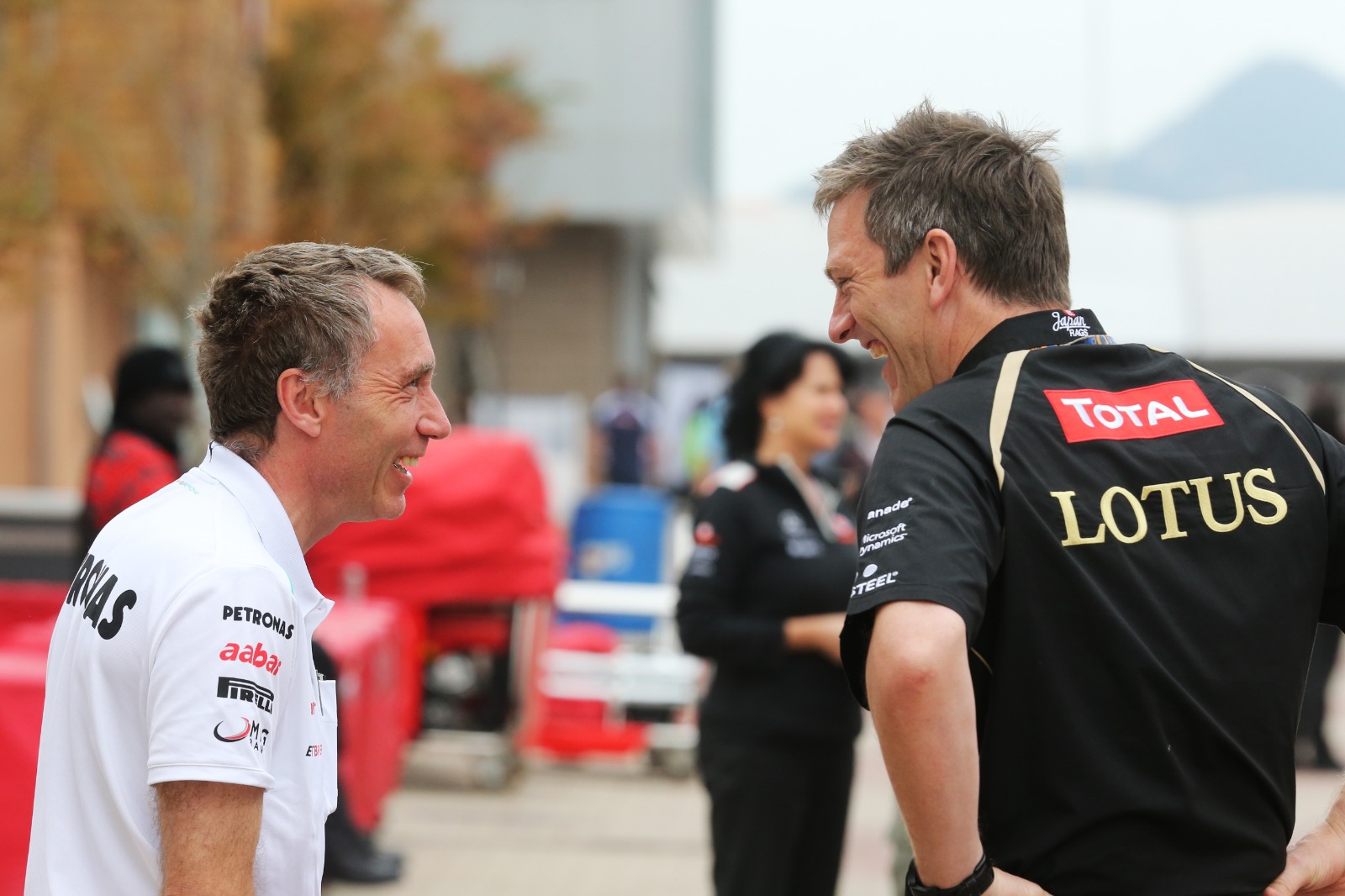
Bell (left) was instrumental in bringing Allison back into the Enstone fold for a third time
Photo by: Motorsport Images
I did my best to find my feet as a deputy technical director and, when eventually Dino did succumb to his illness, my role had become useful in its own right. The team’s generosity to allow me to find a role and make an adequate success of it meant that when Bob moved on [becoming team principal in 2009], I ended up being appointed technical director. So none of it was a master plan, stuff just happens and hopefully you’re there and helpful.
GPR: The 2009 Renault wasn’t very successful but after that the team gained a reputation for bringing some very bold innovations, both on the aero side and in chassis dynamics.
JA: Yes, that was a strange period. There are all sorts of reasons why we did a poor job on that car – we’d knocked together a KERS [Kinetic Energy Recovery System] on a wing and a prayer, and it was amazing given how little we had to spend on it, but it was heavy and clunky.
"With a very modest budget we had grand ambitions – backed up by an absolutely brilliant technical team. We were able to punch above our weight for several seasons and defy the gravity of not having a budget for a good chunk of it" James Allison
There were the new aero rules brought in from the Overtaking Working Group recommendations, and our car wasn’t aerodynamically sophisticated enough for that new era. It was a big change and Brawn won off the back of starting good and early, while it was the first year Red Bull looked like proper contenders for greatness.
We did a poor job and I think it precipitated Renault’s withdrawal and Genii Capital buying in, the team’s eventual transmogrification into Lotus, and a period thereafter where it did feel quite buccaneering and adventurous. With a very modest budget we had grand ambitions – backed up by an absolutely brilliant technical team. We were able to punch above our weight for several seasons and defy the gravity of not having a budget for a good chunk of it.
2010 was a good honest car, 2011 was a huge overstretch with the forward exhausts which became an albatross around the team’s neck. But behind all that was the most fabulous aero group, a really solid design group, a very capable race team – and with those performance fundamentals we came back in 2012 and 2013 with pretty good cars we were proud of. It was an interesting period, wondering each month if you were going to get paid, but also competing for podiums and the occasional win.
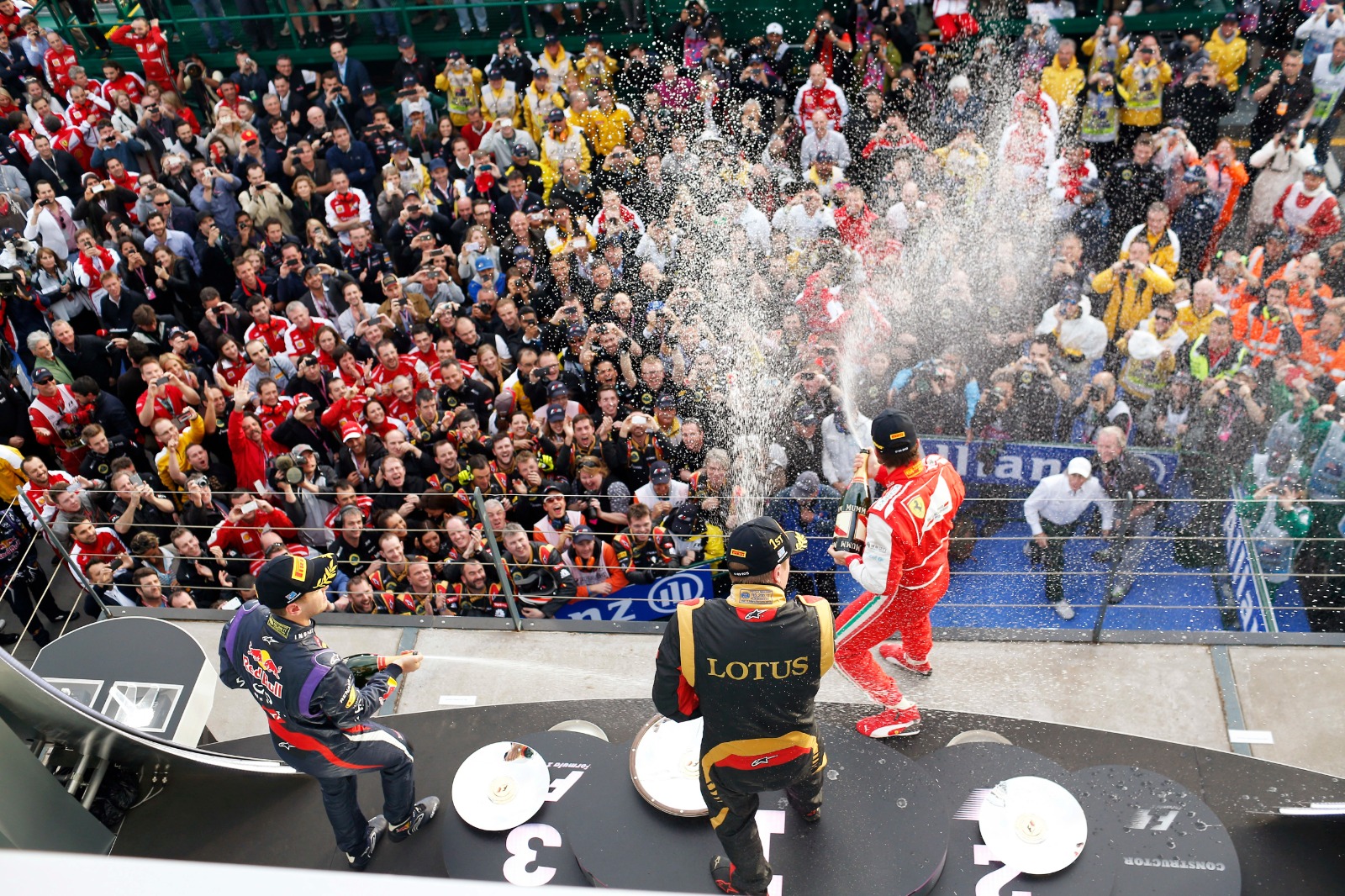
Raikkonen took famous win in 2013 Australian Grand Prix, as Lotus finished a close fourth behind Ferrari in the constructors' standings
Photo by: Motorsport Images
GPR: Where do those ideas like forward exhausts and reactive ride height come from – and what’s your threshold for deciding if the costs outweigh the benefits?
JA: The forward exhausts came about through Red Bull making hay with blown exhausts during 2010. We had a go ourselves, got a lot of downforce, but it was too much at the rear of the car and we were getting understeer. So we were trying to figure out how to use the energy of the exhaust but deliver it to the car in a way that was more inherently balanced.
It was horrendously difficult to make it a reality while passing the crash tests and not set the car on fire, but it was responding well. Where we came unstuck was the move to Pirelli control tyres [in 2011], which wanted much more rear downforce than the Bridgestones which had preceded them.
That negated the point of having exhausts in the middle of the car. Plus, while we were among the first teams to recognize the benefits of hot blowing – working with Renault to effectively run an afterburner in the exhaust – the rear-blowers caught up, and it turned out to be the more lively development if you could do more with the geometry at the corner of the floor. So it was a tremendous achievement by Tim Densham and the design team to deliver what the aero group had asked for – but ultimately a flawed path for which my decision to say “Yes” was to blame.
The reactive suspension, which was ultimately ruled out of bounds, was the same sort of deal. It certainly didn’t contravene any of the written regulations but we knew we would have a bit of a fight on our hands with the famous Article 315 [the rule concerning moveable aerodynamic devices]. We thought it was worth a punt.
Those projects did pay off, though, because the team felt energised by having the courage to do things other people weren’t doing. It was a similar thing with DAS [the Mercedes Dual Axis Steering system, banned for 2021], which did last a season – the benefit isn’t just lap time, it’s in the people feeling part of an innovative team willing to break new ground.
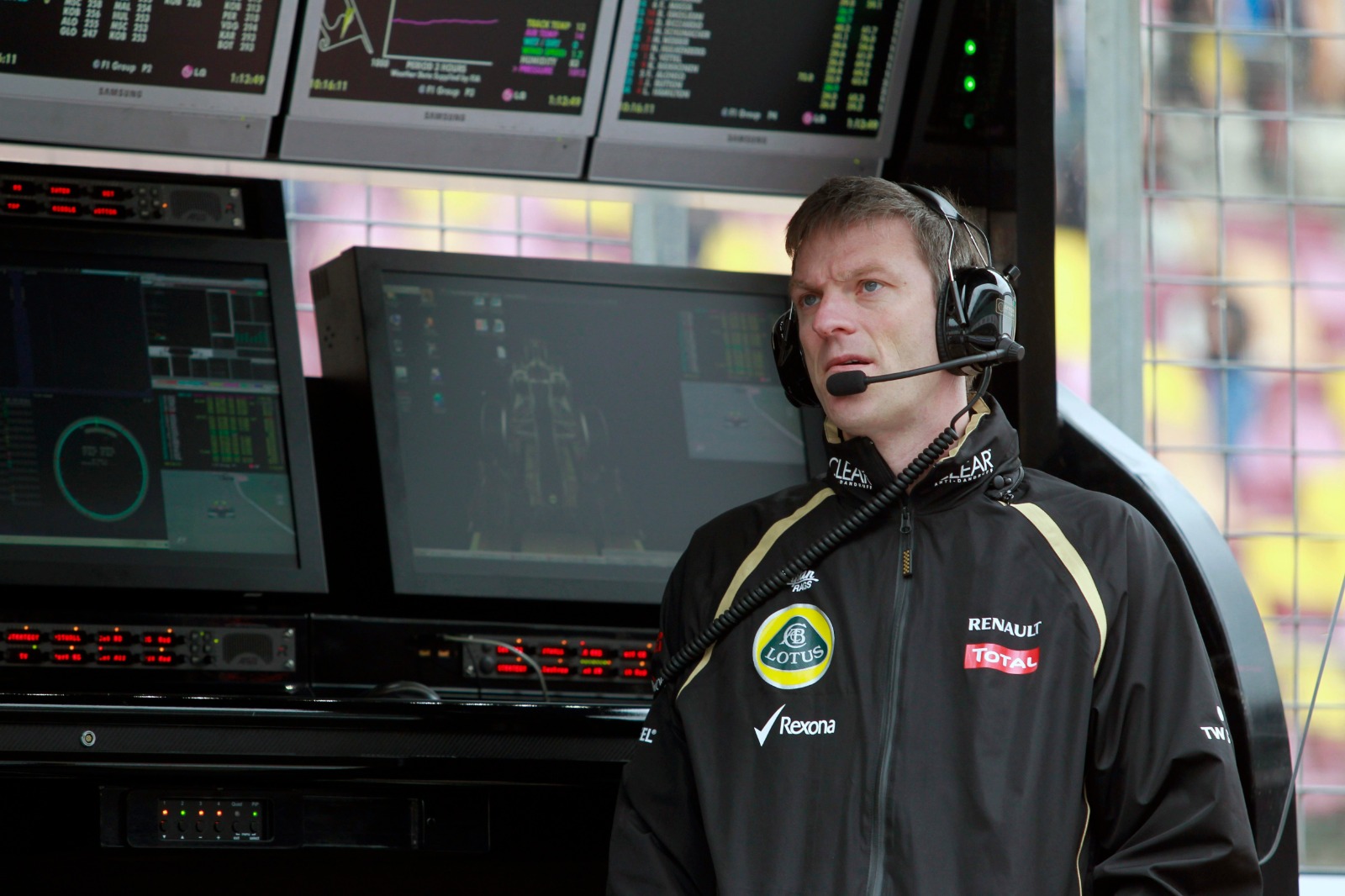
Despite financial struggles, Allison enjoyed the strong team morale at Enstone during its Lotus era
Photo by: Motorsport Images
GPR: Was that what held the ‘Team Enstone’ together, even though the finances were getting increasingly shaky?
JA: There’s sort of happy teams and unhappy teams. And Enstone was a good-natured place, there was a cohesion and loyalty which enabled people to look beyond the precariousness of the finances.
It’s to the credit of the people that they gave the team many chances. As one of the leaders in the team, I saw it as my job to try to keep the show on the road, to keep the skill we’d so painstakingly accumulated, to keep them on board and believing. And I was happy to do that because I believed it myself, I felt we were doing something special.
"I don’t think there’s any doubt that over the arc of the three years I was there, it ended in failure because we didn’t win a world championship while I was technical director. I’m pretty proud of what we did together. They were very enjoyable years" James Allison
But once you stop believing that, and you know good engineers with families and mortgages are being given opportunities by other companies which aren’t in such financial peril, you can’t keep saying “Stick with it, keep believing we’ve got a strong future”. It’s not right, as a leader. And that’s why I left. It was painful because I was deeply proud of what we’d achieved.
GPR: You moved back to Ferrari [as technical director] in late 2013, just before the year it went through three team principals. How much trepidation did you feel, going into such a troubled environment?
JA: It was quite a thing. I was very fond of Italy, and Ferrari is a brilliant place to be in many ways, so going back didn’t make me feel trepidation for large swathes of it. But I also knew I would be in the hot seat, that the team had a technical debt which needed to be worked off, and it wouldn’t be easy. I had some good advice from Ross [Brawn]. He said: “It’s an environment in which it’s inherently hard to be successful. The likelihood is that you will fail.
“It’s nothing personal. It’s just that as soon as you get there, people are going to start pulling you in this direction and that. You need to make sure that if you fail, you fail in your own terms. Make sure the decisions you make are the right ones, not the ones you’re browbeaten into by someone else – so if you [i] do [i] get sent home in a box, make sure it was your decisions that put you there.”
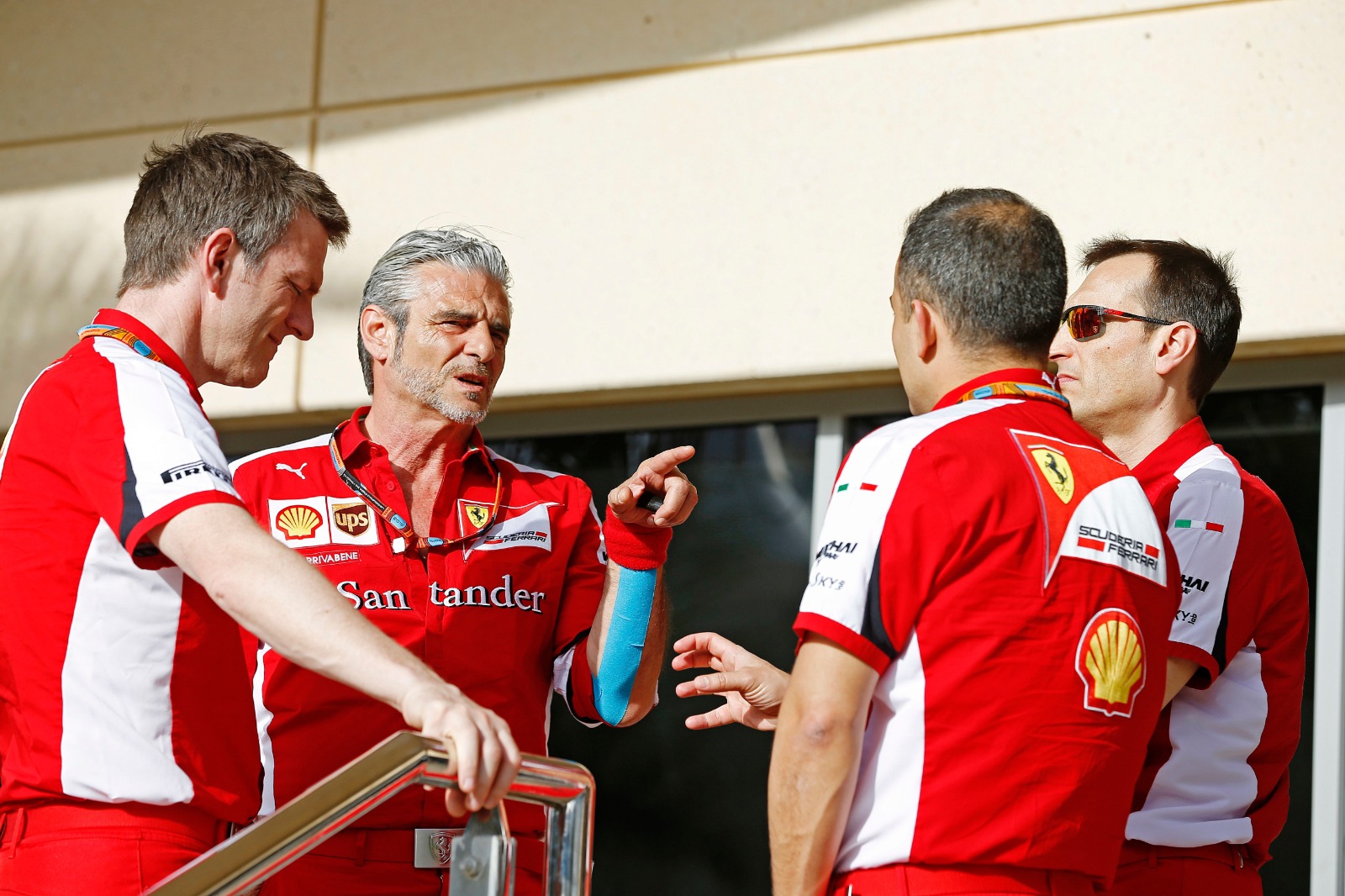
Allison is proud of his time as Ferrari technical director, despite its failure to win a championship amid multiple changes of team principal
Photo by: Motorsport Images
That’s more or less the way I’ve been all the way through my career, but it was a timely reminder to stay ‘me’. And I don’t think there’s any doubt that over the arc of the three years I was there, it ended in failure because we didn’t win a world championship while I was technical director. I’m pretty proud of what we did together. They were very enjoyable years.
Ultimately we parted ways in very sad circumstances, with me having lost my wife overnight to meningitis, and with children in the UK, and in the beginning of the season [2016] it wasn’t looking as promising on track as my bosses or I had hoped. It was deeply tragic. I think I was fairly treated throughout – that it didn’t end in a world championship is a source of regret.
I arrived at the tail end of 2013 and basically had to live with what had been created for ’14, and knew it was nowhere. But by ’15 we’d got the power unit and the team in better shape, the aerodynamics were half credible and improving. But Mercedes really kicked on in ’16 – I think they surprised themselves.
GPR: After suffering that terrible loss at home, did you consider not coming back to F1? Or did the offer from Mercedes come at the right time as you considered what to do with the next phase of your life?
JA: I’m very grateful to Toto [Wolff, Mercedes team principal] for the manner in which he approached me, the kindness he showed, because I was a right mess. He just made it clear there was an opportunity, and no pressure.
At the time I didn’t want to do anything – I hardly wanted to get out of bed. There was a little optimistic corner of me saying, “I know you don’t feel like you’re going to be able to do anything ever again, but you might. And if you don’t then your opportunity to do stuff in the future may all vanish, so it’s worth seeing if you can.” It was a very difficult dialogue with myself.
I could have floundered and drowned when I was back in the hurly-burly but this team [Mercedes] is incredibly warm. If they noticed what I mess I was, they were too polite to say so. Mercedes is truly something special. There is a core of people who have been here a long time, and they’re not crusty old folk who are past their shelf life, they’re anchors of the team and they stay because they like it.

Allison and Wolff have a healthy mutual respect
Photo by: Steve Etherington / Motorsport Images
The senior engineering group were willing to allow an outsider to occupy the role I was asked to take on, and not make me feel like an imposter. I was given lots of chances at the beginning to establish my own style. They’re a nice group of people who aren’t convinced they have the right to anything unless they work hard. It is a culture in which it’s easier to be brave – you’re not going to have your head snapped off if you pop it above the parapet and suggest things. So we’ve been very successful and the trophy shelves show it.
"As technical director you have the near-impossible task of racing the car, making sure the current car is effect, making sure the new one is going to be what it needs to be, and looking to the longer term. The call of the first two are loud – the first one can be deafening" James Allison
I’ve had quite a few years in the most amazingly enjoyable position in F1. But I also know it asks a lot from me. Maybe this isn’t true for everyone but, the way I go about it, I’m not quite doing it in a sustainable way. Every year I’ve dipped further into my personal well of resource and energy. And I was thinking, too, that although I bring a certain amount to the table, the team has heard my schtick a few times, and there is real value to having a fresh person if they are a credible candidate – and Mike [Elliott, the new technical director] has been developing in the wings for a number of years. He’s full of vim and vigour.
As technical director you have the near-impossible task of racing the car, making sure the current car is effect, making sure the new one is going to be what it needs to be, and looking to the longer term. The call of the first two are loud – the first one can be deafening.
By creating the new position of chief technical officer, the team allows me to focus on the longer term but also help Mike if he asks for help in the shorter term. And I hope that one day the team will look back and say I got the timing right when I stopped and passed over to Mike, because he's really brought things forward.

Allison has handed over the reins of the technical director role to Mike Elliott
Photo by: Steve Etherington / Motorsport Images

How Ratzenberger beat the odds to realise his cruelly short-lived F1 dream

F1 uncovered: A weekend behind the scenes with a chief mechanic

When McLaren was pipped by Red Bull in a modern F1 classic

The big opportunity Sainz’s Williams switch affords to F1’s latest centurion

Inside the science of F1 fuel

How F1’s plan for rotating races could look in practice

The early decisions that set Sauber’s rookie for success

How F1 media coverage has evolved in line with its subject

Camara over Ocon - did Haas make the correct call for F1 2027?

Camara to make F1 debut as Ocon's replacement at Haas in 2027

Mekies under the microscope: How different is his leadership at Red Bull from Horner?

Rwanda turns to F1 as it moves forward from a chequered past
Subscribe and access Autosport.com with your ad-blocker.
From Formula 1 to MotoGP we report straight from the paddock because we love our sport, just like you. In order to keep delivering our expert journalism, our website uses advertising. Still, we want to give you the opportunity to enjoy an ad-free and tracker-free website and to continue using your adblocker.


Top Comments