


2021 F1 cars will be a "nasty piece of work to drive"
Racing Point technical director Andrew Green believes the 2021 Formula 1 cars will be a "nasty piece of work to drive" because they will be aerodynamically "quite unstable"


The basic concept of the '21 regulations is that drivers will find it easier to follow the car ahead, thanks to the ground effect design, which in theory should lead to better on-track action.
Green says research by both his and other teams into the definitive rules indicates that while the following driver does indeed benefit, the dirty air from his own front wing will create its own issues.
Green believes teams should have more freedom in terms of what they can do to address the problem.
"I think there are areas that could do with being freed up around the front wing," he explained.
"Around the front of the car I think it's incredibly restrictive to the point where it's really going to hurt the handling of the car.
"It's going to be a real nasty piece of work to drive. I think it's something that if they allowed a little more freedom would allow us to sort that out, but still retain the intent of the ground effect car and low following wake."
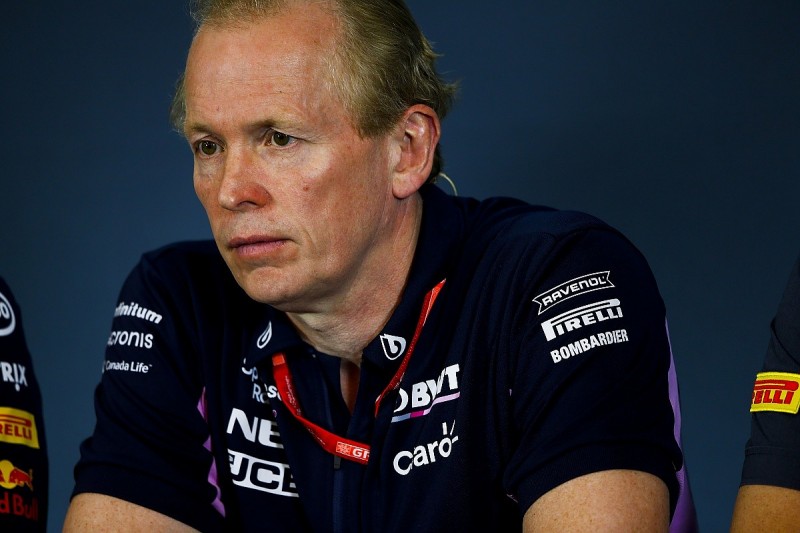
Asked by Autosport to elaborate he said: "Aerodynamically, it's going to be quite unstable. I don't think that's a nice thing to have.
"You want cars that are a bit more predictable, so that drivers can attack, be sure what they've got underneath them, they know what's going to happen, they can drive the car at the limit knowing that it's stable at the limit.
"From what I see at the moment none of those statements are true for 2021.
"It's more about what's happening at the front of the car, and where the dirty air is going, right into the tunnels.
"The car currently is creating its own dirty air."
Green suggested that teams have had little opportunity to contribute to changes to the rules.
"It's not open to be addressed - we're not in charge of writing the rules. I think there are some fundamental issues that could do with some addressing.
"I think the concept is doable, but I think the wording needs some refinement, should we say, to make it into a set of regulations that reflect the intent.
"What's presented as a 2021 model by F1, and what's written in the regulations, are two different things.
"There are some areas where it's extremely restrictive to a point where it's almost impossible to design anything."
Share Or Save This Story

Krack: Aston Martin F1 team no longer in “no-man’s land”

Gasly rues costly floor damage from Ocon contact in F1 Japanese GP

How an F1 underachiever became a Japanese political player

Acosta's long road to his maiden MotoGP win

MotoGP Austrian GP: Acosta finally claims maiden win

Great debate: Which circuit should host the F1 2026 finale if the calendar has to change?

Live: MotoGP Austrian Grand Prix updates as it happens
Subscribe and access Autosport.com with your ad-blocker.
From Formula 1 to MotoGP we report straight from the paddock because we love our sport, just like you. In order to keep delivering our expert journalism, our website uses advertising. Still, we want to give you the opportunity to enjoy an ad-free and tracker-free website and to continue using your adblocker.


Top Comments