


F1 using skin sensors to measure what excites fans durings GPs
Pat Symonds says the depth of research used to improve Formula 1 has gone as far as monitoring skin responses of fans to work out what excites those watching races


F1 has used its research to analyse all aspects of the rules and evaluate what elements of a grand prix work and which perhaps take away from the spectacle.
Speaking on stage at Autosport International on Friday, F1's chief technical officer Symonds said the level of analysis has gone as far as monitoring the emotional arousal of fans who had been wired up in front of screens.
"We absolutely are focused on what's good for the sport and what makes a good race," explained Symonds.
"You'd be amazed at the amount of analysis we're doing on that.
"It's even down to things like we have people who are wired up while they watch races, and we look at that galvanic skin response to see their emotions while they're watching races.
"From that we're starting to understand what are the things that are important."
The human galvanic skin response refers to changes in the sweat gland activity that reflects the intensity of emotions, so judges how excited people are at a specific moment.
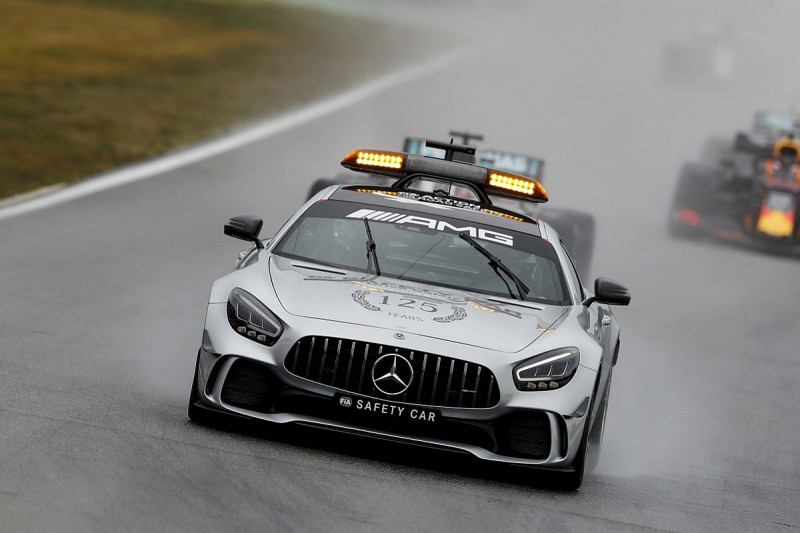
Symonds added: "Safety cars are a very good example, because sometimes they enliven the race and sometimes they kill the race.
"So it is looking at all these various research areas that we're doing, and the many others, to really start to build a picture of what makes good racing.
"And then we can try and design, not just the technical rules but also the sporting rules as well to ensure that we get a higher percentage of those good races.
"You're not going to get 21 races like Germany last year, it's not going to happen.
"But what you can do is you can ensure that you get 15 really good races, and the other six are pretty good as well."
One element that F1 had understood was the need for a grand prix to evolve in a way that excitement peaked just before the chequered flag rather than in the early stages.
"It is actually a well-known psychological factor called peak effect," said Symonds.
"If the end of a race is good people judge the race as being good. If the middle of the race is good but the end of the race is a little bit predictable, they don't judge it as highly.
"We are aware of that. We're working an awful lot with Mario [Isola from Pirelli] to try and figure out how we design the tires that give this type of sporting spectacle that leads to this peak end effect."
Symonds said that because much of last year's focus was on framing the 2021 technical rules, more effort would now be put into looking at potential sporting regulation changes.
Share Or Save This Story


Brundle awarded OBE in King’s New Year’s honours

The new rules dilemma that will define the 2025 F1 season

Jon Noble: An unfair perception or a genuine concern? Lifting the lid on Red Bull’s Tsunoda scepticism

MotoGP Australian GP: Bezzecchi leads Aprilia 1-2-4-5 in Friday Practice

How Antonelli will manage the pressure as F1 coronation looms

Verstappen warns COTA bumps are “unacceptable” and “out of control”

Why Colapinto spoke out against abuse targeting his own F1 team
Subscribe and access Autosport.com with your ad-blocker.
From Formula 1 to MotoGP we report straight from the paddock because we love our sport, just like you. In order to keep delivering our expert journalism, our website uses advertising. Still, we want to give you the opportunity to enjoy an ad-free and tracker-free website and to continue using your adblocker.


Top Comments