



Mercedes reveals cost of 2018 Formula 1 world championship win
The Mercedes Formula 1 team earned and spent almost the same amount in 2018 as it did in 2017, newly released accounts have revealed


The team's income, from F1 prize money, sponsorship and parent company Daimler AG, rose from £337.2m in 2017 to £338.4m last year.
Expenditure increased from £309.7m to £311.4m, resulting in a post tax profit of £13.3m.
Income and expenditure had previously made a significant jump from 2016 to 2017, with the latter figures reflecting the R&D costs associated with the major F1 rules changes introduced that season.
The fact that its expenditure essentially stayed the same in 2018 suggests that Mercedes opted to maintain that level of investment in a period of relatively stable rules.
However there is no outward sign yet of the team addressing the cost cap that is coming in 2021, and which will force the big three teams to trim spending and inevitably head counts.
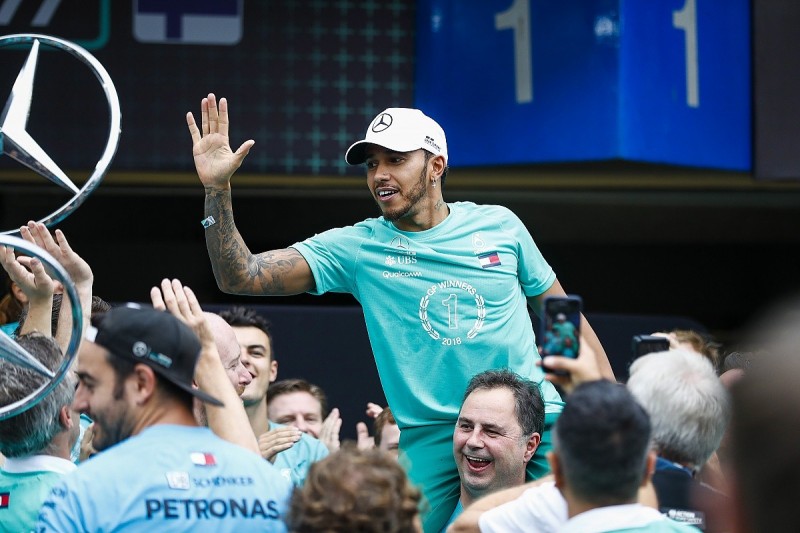
Over the past three seasons average staff numbers have risen from 849 in 2016 to 912 in 2017 and to 968 in 2018, with 38 added last year in design, manufacturing and engineering, and 19 in administration.
That contributed to the 2018 wage bill increasing by £6.5m from £87.2m to £93.7m.
The marketing revenue contribution of Daimler AG to the team's budget is listed as £64.3m, around £4m more than the previous year.
However £25.3m is returned by the team - reflecting the leasing cost of the power units supplied by sister company HPP.
That leaves a net Daimler contribution of less than £40m.
Mercedes enjoyed a 24% share of F1's TV coverage in 2018, which represents an AER (Advertising Value Equivalent) of $3.7bn for its commercial partners.
In emphasising the value of the F1 programme the team says: "In parallel to the team's success in recent seasons, the Mercedes-Benz brand has grown in value from $31.9bn in 2013 to $48.6bn in 2018 (as measured by Interbrand), with F1 making an important contribution to the brand's status as the eighth most valuable in the world."
Share Or Save This Story


Krack: Aston Martin F1 team no longer in “no-man’s land”

Gasly rues costly floor damage from Ocon contact in F1 Japanese GP

How an F1 underachiever became a Japanese political player


Mercedes explains why its upgrade made its F1 car harder to drive

The maths behind when Mercedes could become F1 world champions in 2026

Employing team orders can simply be a matter of common sense

How Toyota destroyed the competition to seal the WEC crowns

McLaren retains Fornaroli as F1 reserve and hands him WEC programme for 2027

How Andrew Jordan realised his teenage rallycross dream

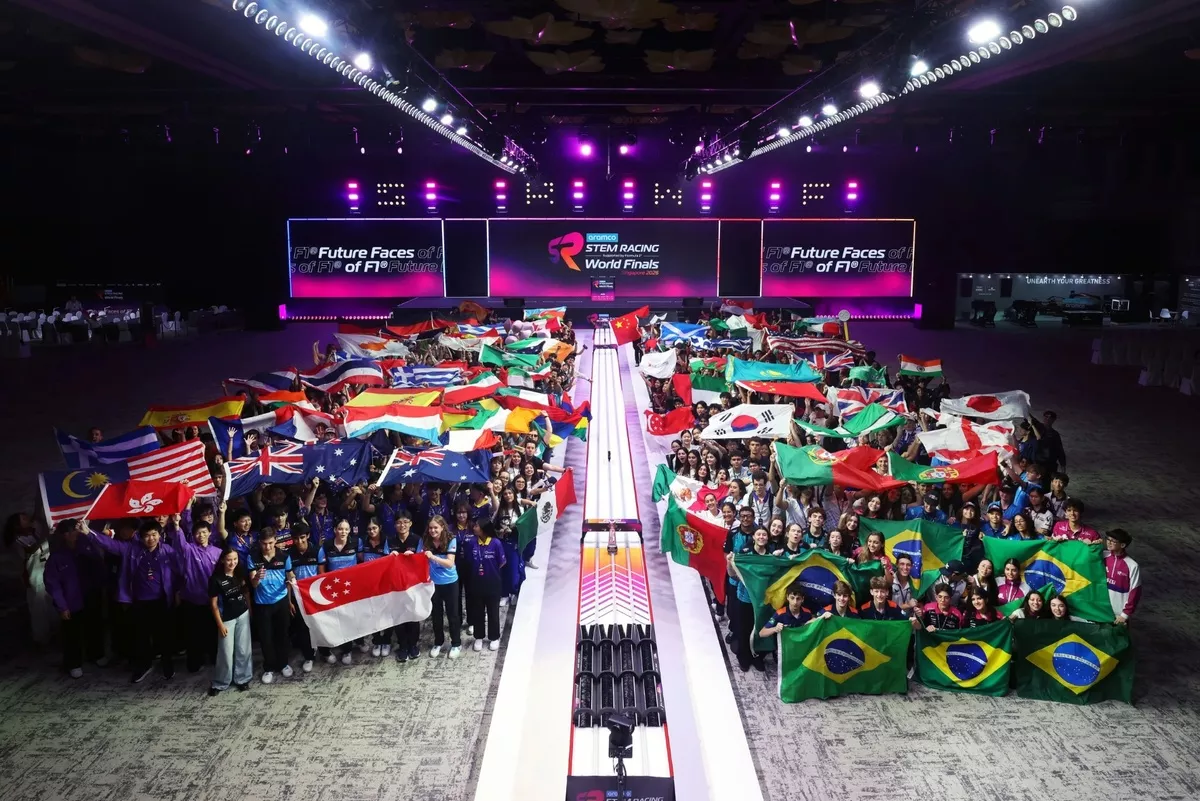
Inside the competition building F1’s future engineering talent
Subscribe and access Autosport.com with your ad-blocker.
From Formula 1 to MotoGP we report straight from the paddock because we love our sport, just like you. In order to keep delivering our expert journalism, our website uses advertising. Still, we want to give you the opportunity to enjoy an ad-free and tracker-free website and to continue using your adblocker.


Top Comments