


How F1 has been robbed of its silly season
With three-quarters of the grid set to be out of contract at season's end, ordinarily it wouldn't be long before the rumour mill began in earnest. But this is no ordinary season, and all the signs point towards silly season being somewhat anticlimactic

As the impact of the COVID-19 pandemic continues to be felt worldwide, it remains impossible to say with certainty when the new Formula 1 season will finally begin. Drivers are doing all they can to keep sharp and stay fit for whenever the season is able to start, putting in the hours in their home gyms and taking part in sim racing events to get their racing fix.
But with so much time to kill while in self-isolation, all 20 drivers will surely be giving thought to what their future in F1 may look like. For the majority of the grid, it is a question that needed answering this year anyway.
The driver market heading into 2021 was set to be one of the most volatile in years. Just four drivers had firm contracts sewn up. Charles Leclerc and Max Verstappen penned long-term contracts to remain with Ferrari and Red Bull respectively during the off-season. Sergio Perez agreed a three-year deal with Racing Point last August, while Esteban Ocon is set at Renault for the next two seasons.
That left 16 drivers needing to resolve their futures this year, including high-profile names such as Lewis Hamilton, Sebastian Vettel, and Daniel Ricciardo. It left us speculating about some of the explosive moves that could feature through 2020.
Would Hamilton sensationally quit Mercedes and join Ferrari? Would Vettel continue alongside young upstart Leclerc beyond this year given the tension that arose through '19? In either instance, might Mercedes or Ferrari make a swoop for Ricciardo after his difficult first year with Renault?
Whether the trio who seemingly held the cards to the driver market moved or not, it was expected to have big ramifications for the grid as a whole heading into 2021. But now that everything is on hold, all of the silly season fun we were anticipating looks set to disappear. Instead, the status quo will likely remain for next year as teams wrangle with the wider impact the COVID-19 pandemic has on F1.
Why F1's most exciting driver has committed to Red Bull
The obvious king-pin in the driver market for 2021 was Hamilton. Since wrapping up his sixth world title in Austin last November, the Briton has been questioned frequently about his future, saying as recently as testing that he did not "see a particular rush" to open talks with Mercedes.
The added benefit for keeping the same line-up for 2021 comes in the carry-over of this year's cars, as the drivers will enter next season with huge amounts of mileage completed in the chassis they will race through the year
Hamilton flirted with Ferrari through the closing stages of last season as it emerged he had met with chairman John Elkann - a meeting Ferrari insisted was blown out of proportion. A move to Maranello had appeal outside the obvious financial pull: the chance to restore Ferrari to its former glory; the chance to win a title with a third team; and a first outside of Mercedes' umbrella.
But in reality, such flirtation was all part of the obvious contract gamesmanship between Hamilton and Mercedes. Hamilton said himself last November he was relishing the chance to "get in the ring" and knock out the talks with Mercedes, but all the signs suggested he would continue beyond 2020. The question was more over the length of the contract he would agree.
It is unlikely a shortened 2020 season will do anything to dissuade Hamilton from wanting to continue with Mercedes. But it does rob us of the 'will-he-won't-he' talk that would have surely dominated the opening months of the season until a new deal was finally announced. As predictable as it may have been, it would have fuelled the majority of the silly season speculation.
Newton's third law states that for every action, there is an equal and opposite reaction. As such, any gossip surrounding Hamilton would have also impacted Ferrari incumbent Vettel. While Vettel and Ferrari have both indicated they would like to continue with one another beyond 2020, the nature of their relationship has surely changed since the arrival and success of Leclerc.

No longer the indispensable heavyweight team leader he once was, Vettel faced a difficult set of talks to outline what his future would look like, regardless of how fond both parties may be of one another. Leclerc stressed on media day in Australia that, while his relationship with Vettel had been unharmed by any "tricky moments" through 2019, he would "respect Ferrari's decision" should the team want to jettison his team-mate.

The greatest reason for doing so would have been the result of any growing fractures in the relationship between the two drivers - but so long as there is no racing, then peace will remain. It may prompt Ferrari to roll Vettel on for one more year, favouring stability without any major need to make a change. It's a tactic many of the teams facing contract headaches may follow.
Valtteri Bottas is another driver likely to benefit from a shortened 2020 season, particularly off the back of such a strong campaign last year. With a reduced window for any potential suitors to Bottas's seat to stake a claim, and knowing just how comfortable Hamilton is working with the Finn, it would be straightforward for Mercedes to tick things over one more year, in-keeping with its recent policy.
The added benefit for keeping the same line-up for 2021 comes in the carry-over of this year's cars, agreed by the teams to help save costs and ease some of the economic damage COVID-19 will cause. The drivers will enter next season with huge amounts of mileage completed in the chassis they will race through the year, potentially even allowing for a further reduction in pre-season testing. Again, why change things?
Also consider that none of the teams have shown any concern or unease about their existing line-ups. There are no situations where teams have ended up with a third- or fourth-choice driver because of how the market has fallen - everyone is fairly content with the pairings they have.
So let's say Mercedes signs a new multi-year deal with Hamilton and gives Bottas another 12 months. Vettel agrees a 12-month extension with Ferrari, Red Bull continues with Verstappen and Alexander Albon, with Pierre Gasly and Daniil Kvyat subsequently remaining at AlphaTauri.

Lance Stroll will naturally continue at Racing Point, rebranded as Aston Martin, while Haas has little reason not to stick with Romain Grosjean and Kevin Magnussen - assuming the team itself continues, but that is an entirely different conversation...
McLaren knows it is on to something good with Lando Norris and Carlos Sainz Jr, with the only question mark there being the latter's contract length. Given Sainz's performances last year, a two-year deal would hardly be a bad thing, committing him to the start of the new regulation cycle.
George Russell may miss out on any chance to nab Bottas's seat for 2021, but more time to hone his craft at Williams is no bad thing, especially if the team can make good on the potential it showed in testing. Nicholas Latifi would obviously be retained, so again, no change. It's easy to see how, realistically, the 2021 grid could mirror 2020 exactly.
Unless Kimi Raikkonen decides he's had enough of F1 after a short run of races this year - which surely won't be the straw to break the camel's back - then the odds of Hulkenberg returning look slim
But there are still some possible losers amid the driver market stability. Ricciardo's decision to quit Red Bull for Renault in 2018 was one of the biggest driver market shocks in recent years. The Australian signed a two-year deal, deliberately timed so that it would expire ahead of the new regulation cycle. It would give him two years to gauge the Renault project and consider just how successful it could be under the new rules from 2021.
The 2019 campaign was a sobering one for both Ricciardo and Renault, as the team lost its place at the front of the midfield and early hopes of cutting the gap to the 'big three' teams were dashed, while its new signing failed to score a single podium. Ricciardo stressed he still had faith in the Renault project entering 2020, but if any of the leading outfits were to come calling, then it would be a bold call to turn them down.

But the delay in the new regulations gives Renault a chance to try and pin Ricciardo down to a longer-term deal, tying him to the team for when the new-generation cars debut in 2022. Unless Ricciardo can strike himself a one-year extension, he would need to make an early decision on where he sees his future. And, assuming Ferrari and Mercedes continue unchanged, he may not get much say in the matter.
The other drivers on the outside looking in are also set to face another year on the sidelines. Nico Hulkenberg is one driver who would surely benefit from any shock changes in the driver market given his recent F1 experience, but there is little to suggest an opportunity will open up.

Unless Kimi Raikkonen decides he's had enough of F1 after a short run of races this year - which surely won't be the straw to break the camel's back - then the odds of Hulkenberg returning look slim.
And then there's Fernando Alonso, who continues to profess an interest in returning to F1 since quitting at the end of 2018. The Spaniard has always claimed that the success of the new regulations would determine whether he would be tempted back, so missing out on 2021 would not be the end of the world - assuming drivers do not commit to long-term deals that would freeze him out of the market for '22.
Finally, there is the throng of junior drivers who would look to stake a claim for an F1 seat in 2021 that are unlikely to get a fair crack at doing so. Ferrari's quintet of juniors in Formula 2 - including Mick Schumacher - would have designs on a seat with Alfa Romeo, while Red Bull has Sergio Sette Camara and Juri Vips in Super Formula, both eager to stake a claim for an AlphaTauri seat. The limited timeframe will make it hard for any of them to make a case strong enough to make the step up, however.
It means we're facing no big changes at the front, no changes in the midfield, no outsiders coming in, and no junior drivers forcing open the door. F1 silly season may not be silly at all this year.
But if it means we have 18 months of build-up before the 2022 market, and if only a couple of extra drivers are locked into contracts, the lack of movement could still result in fireworks in the long-run.


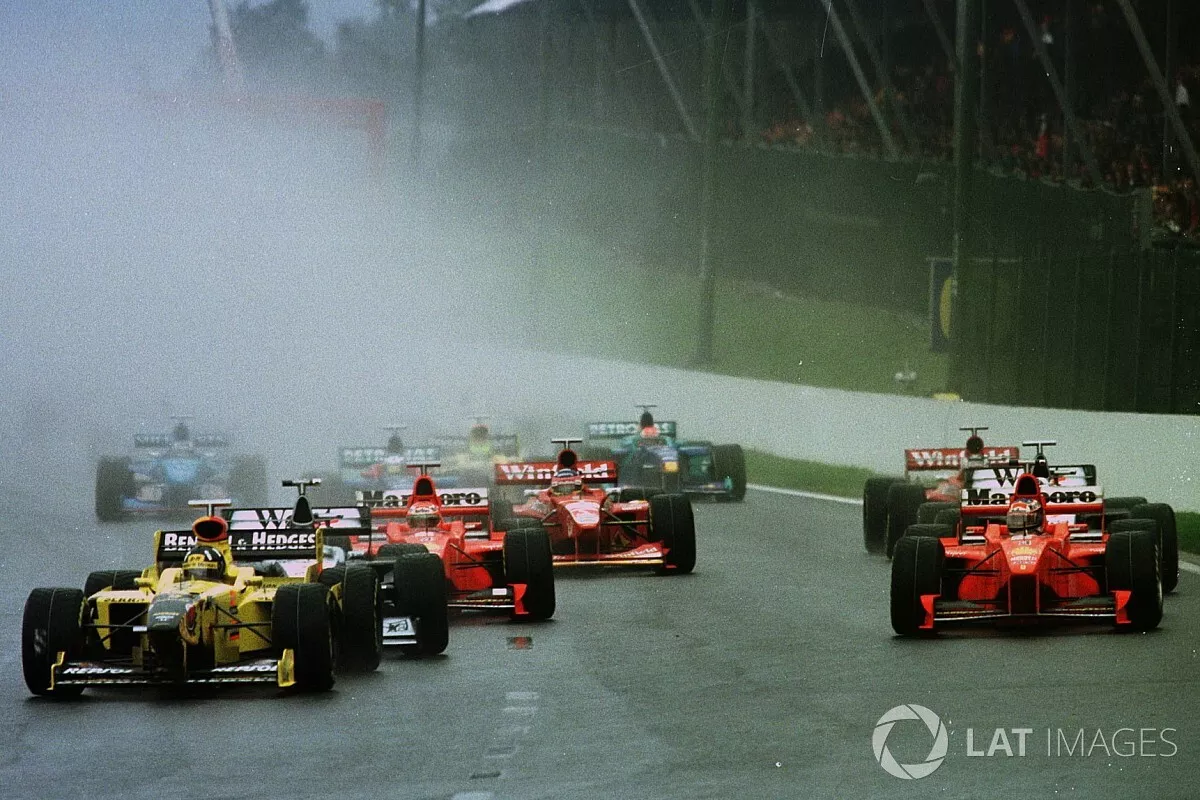
1998 Belgian GP: When the Schumachers went to war

F1 Monaco GP 1982 retrospective: Remembering F1's craziest finish

Has Alonso made the right choice gambling on Aston Martin F1?

Hamilton in the process of selecting Brad Pitt’s co-star for F1 movie

How ‘demanding’ Alonso has started life with Aston Martin
Ocon got "very sick" in F1 off-season due to bad lung virus

Brown: No reason not to expand F1 grid if new teams pay "fair" fee
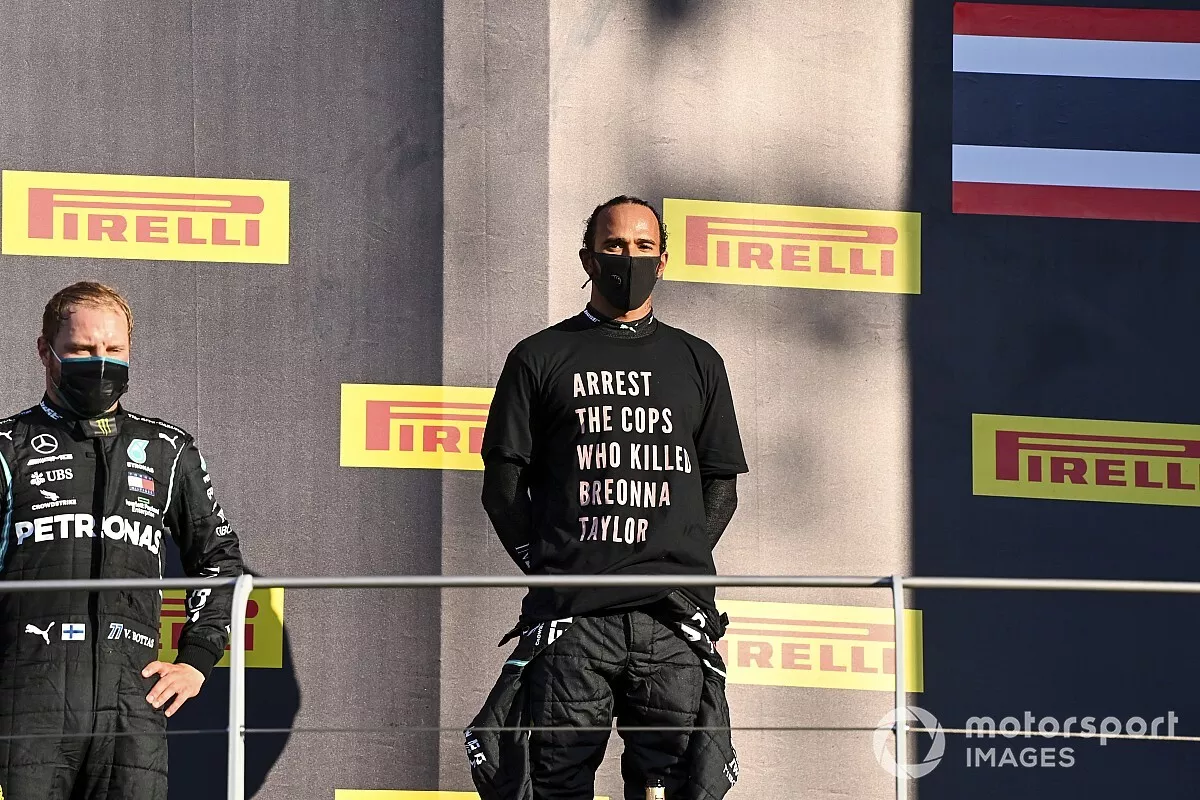
Hamilton: Nothing will stop me speaking up on important issues in F1

F1 approves shorter races for 2027 to fit revised power unit plan

Ryder clinches third British Hillclimb title by a single point at Prescott

Factory WRC driver Lappi to pause rallying career

Why Leclerc didn’t copy Hamilton’s driving style amid F1 2026 struggle
Subscribe and access Autosport.com with your ad-blocker.
From Formula 1 to MotoGP we report straight from the paddock because we love our sport, just like you. In order to keep delivering our expert journalism, our website uses advertising. Still, we want to give you the opportunity to enjoy an ad-free and tracker-free website and to continue using your adblocker.


Top Comments