
Steve Cooper: On the Limit
"Is there a reason for the paranoia?"
|
|
"Right," McLaren's Martin Whitmarsh told Fernando Alonso and Lewis Hamilton as the team began its Sunday pre-race briefing. "Our race here last year lasted seven seconds. Let's make sure this one lasts a bit longer!" It may have been a moment of levity, but it reminded you of the black cloud that rained down on McLaren in the aftermath of last year's US Grand Prix. The sour mood precipitated Juan Pablo Montoya's switch to NASCAR (he announced his deal just one week later) and did little to strengthen the narrow thread that kept Kimi Raikkonen attached to the team. Just what is it about McLaren that can spark such flash points between management and drivers? If managing that fraught Finnish-Colombian rivalry had been tough going for Ron Dennis and his troops, it was nothing compared to the deep-rooted psychological warfare that is being skilfully waged by McLaren's drivers this season. Firstly, let's be clear - this isn't some internal battle between two men who loathe the sight of each other. So, while the rivalry may outwardly possess many of the traits that characterised Nelson Piquet and Nigel Mansell's fierce intra-team battles at Williams in the 1980s (double champ joins outfit on the verge of dominance, expects number-one status and is humbled by plucky Brit), there is little personal needle between Fernando Alonso and Lewis Hamilton. So, what's the beef? There's no simple answer. After all, both drivers naturally want to win, but is there a tangible reason for the simmering dissatisfaction, the cultivated paranoia? No, but McLaren's even-handed approach to both pilots, and the uneven results that invariably occur, have driven deep insecurities into individuals who can never countenance the prospect of being second best. By their very character, racing drivers rarely look to themselves to apportion blame - how many times have you heard a driver make excuses for his imperfections? It's simply not in his make-up to baldly hold his hand up and admit: "Sorry guys, I'm just not fast enough." So Ron Dennis has invariably become the unfortunate buffer at the centre of all his team's driver conflicts - and he has not always been successful at defusing it. Before Montoya joined McLaren, for example, Ron spoke with relish of successfully rewiring the Colombian where Williams had failed. Yet the Dennis-Montoya dynamic fizzled out within months. Almost two decades earlier, Dennis flirted with disaster when he hired Ayrton Senna to partner Alain Prost. The two most competitive drivers of their era, the pair initially maintained a fragile entente. But their skirmishes - most memorably at Estoril in 1988 and Imola in '89 - caused the relationship to collapse. "That was a real headache," remembered Dennis in Indy on Saturday, contrasting it with the situation he faces within the team today. "Imola was a nightmare for me, because I had been privy to their agreement and then seen one of them break it and try to justify it." Dennis's competitive urge, and his desire to pit the best drivers available against each other, has its price. For the F1 fan, it's a treat, answering those tantalising questions like how would Lauda compare with Prost, Senna with Prost, Berger with Senna? But for Dennis this policy is prone to becoming a major headache - the thunderclap of clashing egos. Is it the case that, by becoming that buffer to aggravation, Dennis unwittingly becomes the target of his drivers' displeasure? And, while it would be easier for McLaren to lay down clear ground rules and determine a clear hierarchy for its drivers, Dennis has always dismissed the concept as against the team's ethos and simply unsporting. It is an admirable philosophy that has brought great sporting success - but at great personal cost.  |

In the magazine: Wheldon the Lionheart

MPH: Mark Hughes on...
MPH: Mark Hughes on...

MPH: Mark Hughes on...
MPH: Mark Hughes on...

MPH: Mark Hughes on...
MPH: Mark Hughes on...
MPH: Mark Hughes on...
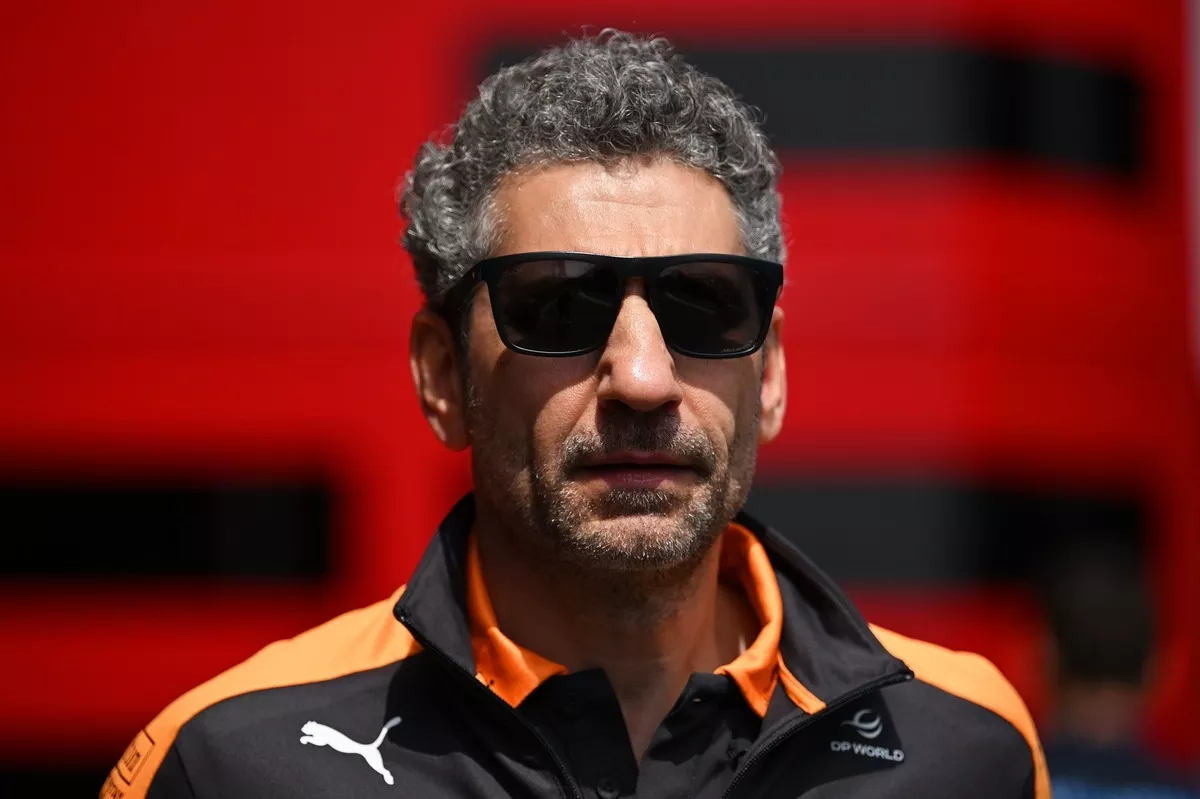
Why McLaren considers Norris-Piastri Singapore clash so “serious”

What Max Verstappen will change after Red Bull’s poor F1 starts in Malaysia and Singapore

A "better job" or more engine power? Verstappen's Singapore pole unpicked

What we learned from the 2026 F1 Singapore GP sprint race and qualifying
Subscribe and access Autosport.com with your ad-blocker.
From Formula 1 to MotoGP we report straight from the paddock because we love our sport, just like you. In order to keep delivering our expert journalism, our website uses advertising. Still, we want to give you the opportunity to enjoy an ad-free and tracker-free website and to continue using your adblocker.


Top Comments