



The 10 greatest drives of lost legend Jo Siffert
It's 50 years since Jo Siffert was killed in his prime at Brands Hatch. The Swiss scored just two world championship wins in a Formula 1 career spent largely with privateer teams, but showed on numerous occasions in single-seaters and in sportscars with Porsche that he could beat any of the best drivers of his era given the right equipment

Autosport Retro
Telling the forgotten stories and unearthing the hidden gems from years gone by.
Jo Siffert, who was killed in the 1971 Victory Race at Brands Hatch, was a world championship grand prix winner for Rob Walker’s privateer team and BRM.
The Swiss battled to get into the sport and was often an underdog in Formula 1, but his hard-charging, spectacular style made him a fan favourite. He was also a star of the Porsche squad in world championship sportscar racing, racking up 14 victories.
Fifty years after Siffert’s tragic death, Autosport has picked out his 10 finest drives. To put this list together we considered the circumstances of the races, the machinery at his disposal and the views of those who were there.
PLUS: Remembering Switzerland’s first F1 winner, 50 years on
10. 1965 Mediterranean GP, Enna-Pergusa
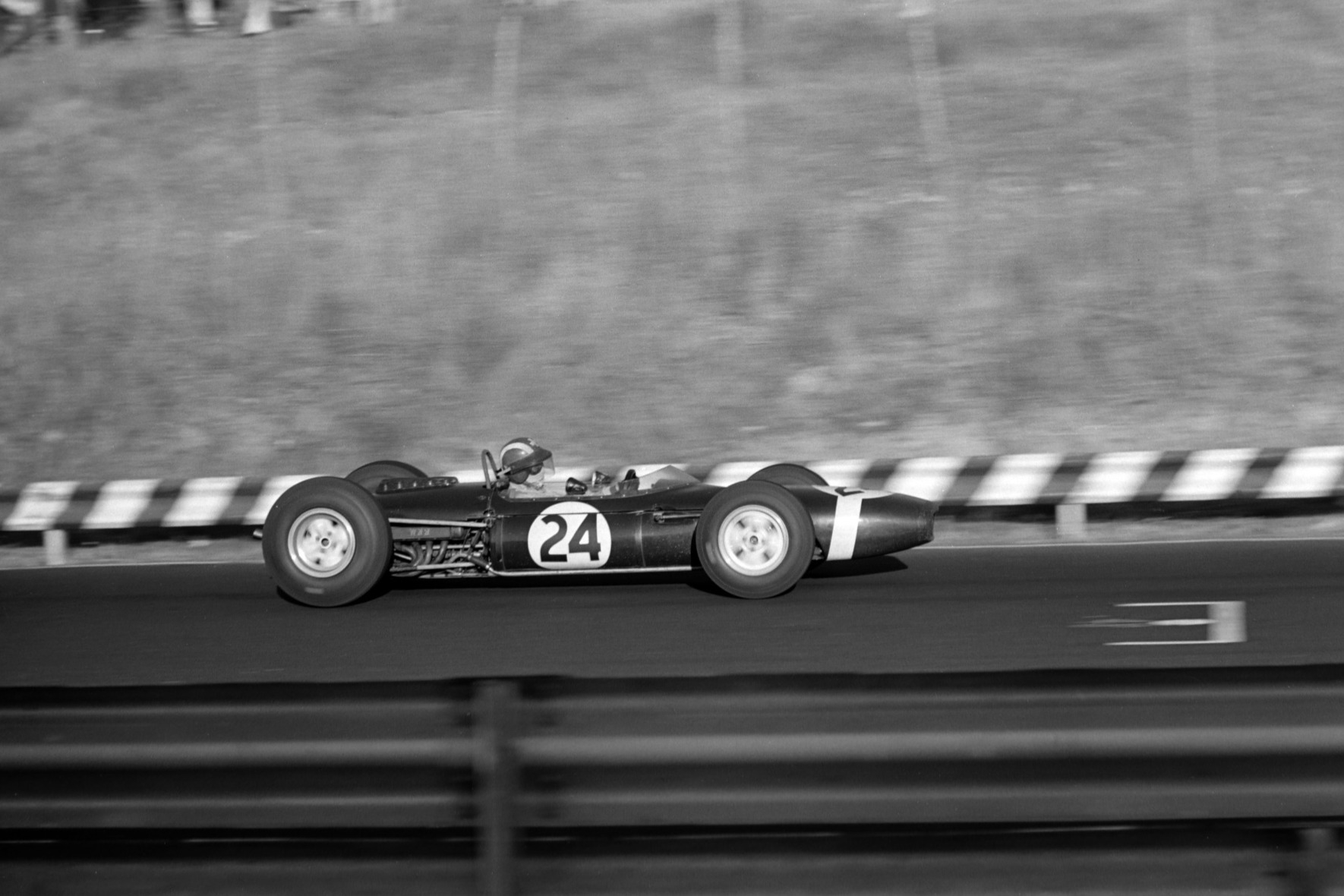
Siffert beat Clark in non-championship duel at Enna
Photo by: Motorsport Images
Car: Brabham-BRM BT11
Started: 3rd
Result: 1st
Siffert’s 1964 Mediterranean GP success could have been on this list – and did make our top 10 non-championship F1 races – but his 1965 victory gets the nod here. In the second year, he had to do it from third on the grid rather than pole, and there was added opposition from works Brabhams. Both races boiled down to a fight with Jim Clark.
PLUS: F1’s top 10 ‘point-less’ races
Poleman Clark was slow away, leaving team-mate Mike Spence to lead Siffert. By the time Clark had recovered to third, the leading duo had an advantage of eight seconds but the Scotsman started to whittle that away.
Siffert’s BRM seemed to have a little more power than Clark’s Climax and that proved decisive in the run to the flag. Siffert crossed the line 0.3s before Clark, having averaged 139.2mph
Spence and Siffert had been passing and repassing each other, towing themselves around, until Lotus boss Colin Chapman signalled Spence to stay in second, thus reducing the pair’s pace and helping Clark to close.
Just before half distance in the 60-lapper, Clark joined the battle and almost immediately passed Spence. A stone then hit Spence’s face, causing him to crash, leaving Clark and Siffert to trade the lead.
“Going through some sections by the pits, the tail of the car was hung out so far that Rob Walker was afraid he would hit the opposite wall,” wrote Siffert’s friend and assistant Jacques Deschenaux in his 1972 book Jo Siffert. “He was convinced now that Seppi was one of the great drivers.”
Siffert’s BRM seemed to have a little more power than Clark’s Climax and that proved decisive in the run to the flag. Siffert crossed the line 0.3s before Clark, having averaged 139.2mph.
It was Walker’s first major victory since Maurice Trintignant’s 1962 Pau GP success and cemented Siffert’s position within the crack privateer squad.
9. 1969 Monza 1000Km
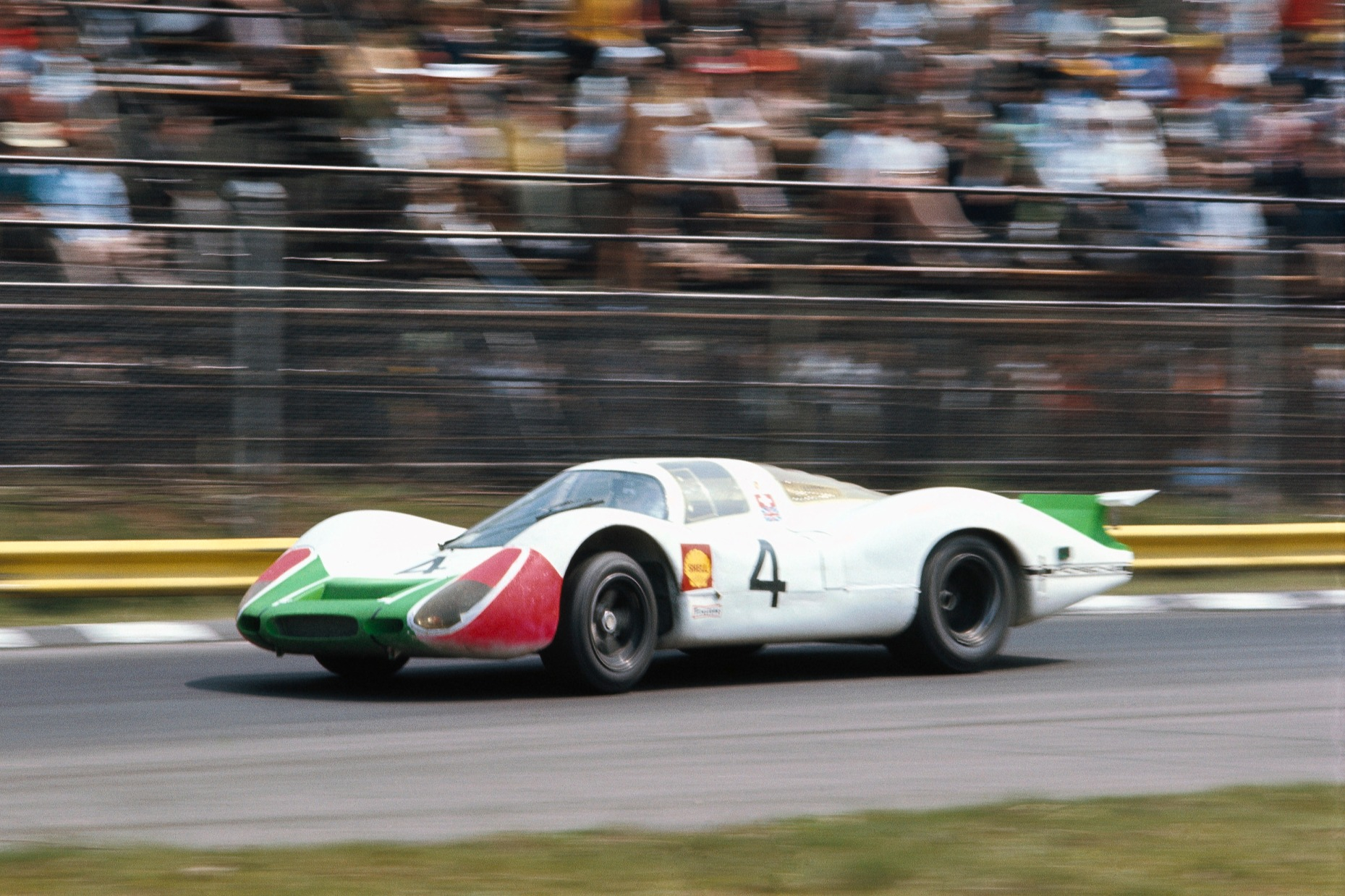
Siffert was the only Porsche driver capable of challenging the Ferraris at Monza in 1969
Photo by: Motorsport Images
Car: Porsche 908 Coupe
Started: 2nd
Result: 1st
Selecting one of Siffert’s many successes with Porsche in 1969 is tricky. Regular co-driver Brian Redman sometimes made the difference and Porsche outnumbered and normally outpaced the opposition, but Monza was tougher.
PLUS: Brian Redman selects his 10 greatest moments
Ferrari ran two of its rapid 312Ps for its home race, which used the controversial banking, and duly qualified first and third. Siffert, “driving at his very best” according to Autosport, was the only Porsche driver able to match the Ferraris and was second quickest in practice, 0.5s behind Chris Amon.
Pedro Rodriguez moved past Siffert at the start to follow Ferrari team-mate Mario Andretti, but the 908 soon split the two red cars. “Andretti was being pressed hard by Siffert, whose Porsche was weaving badly under braking,” reported Autosport’s Patrick McNally.
“Taking advantage of a tow down the straight the Porsche slipped by, and was still ahead as they came past to complete their third lap.
“It was not Ferrari versus Porsche, but Ferrari versus Siffert. The Swiss driver was driving better than I have ever seen him do, and it was only his fantastic skill that was keeping him ahead.”
Rodriguez overtook Andretti and then grabbed the lead as the trio drew away from the other factory Porsches, led by Vic Elford.
PLUS: Remembering Pedro Rodriguez, Mexico's greatest F1 driver
Siffert and Rodriguez continued to swap the lead but Andretti fell back when he had to pit with a puncture. The Ferrari stop for Peter Schetty to take over from Rodriguez was faster than that of Siffert/Redman, handing the 312P a small advantage while Andretti edged back into contention.
Then Schetty came in with tyre trouble and was slow to get away. Andretti overtook Redman before handing over to Amon, but then the Ferrari’s oil pressure vanished. Schetty closed on Redman but, shortly after climbing back aboard, Rodriguez suffered two big moments, one thanks to tyre failure and the second – which proved terminal – as the tail section came adrift.
Siffert was left to come home a comfortable winner in a Porsche 1-2-3, a lap ahead of the second-placed 908 of Hans Herrmann and Kurt Ahrens. Ferrari’s challenge had failed but, before it did, Siffert had been the only Porsche driver capable of living with the home favourites.
8. 1970 Rouen GP, F2
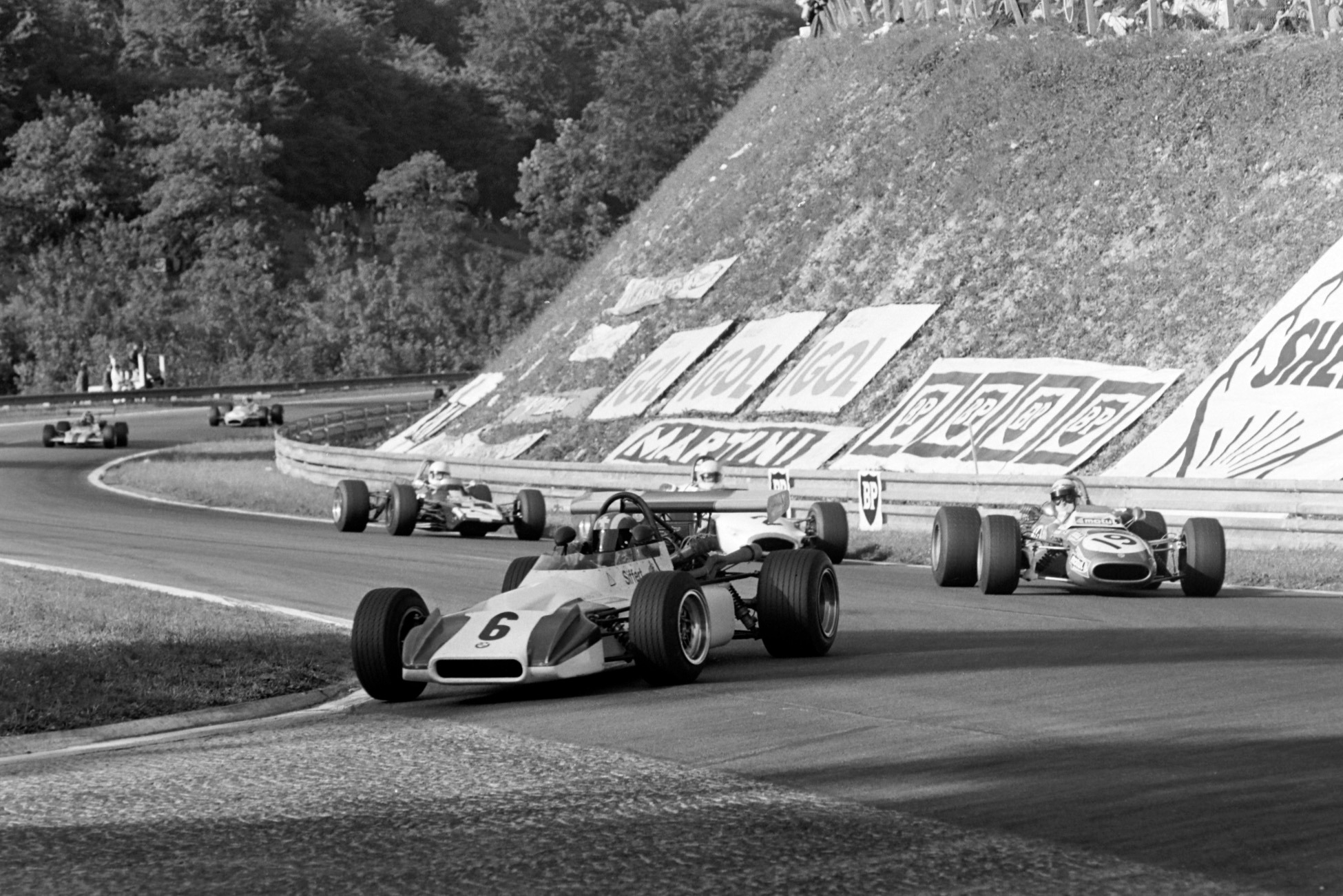
Siffert prevailed against stiff opposition for standout F2 win
Photo by: Motorsport Images
Car: BMW 270
Started: 2nd
Result: 1st
Eight cars flashed across the line covered by 2.4s at the end of a Formula 2 slipstreaming classic at Rouen and Siffert was the man ahead as he took a rare victory in the competitive category. And the list of other names in the train – all then current or future F1 drivers – was impressive: Clay Regazzoni, Emerson Fittipaldi, Jacky Ickx (Siffert’s team-mate), Tim Schenken, Ronnie Peterson, Derek Bell and Jack Brabham.
Siffert’s streamlined BMW had jumped into the lead of the first 15-lap heat at the start, chased by Peterson’s March. Peterson and then Fittipaldi (Lotus) slipped by before the Brazilian hit engine trouble and Siffert settled into second. Brabham joined them in the battle for the lead before Siffert powered ahead to put himself on the front row for the final.
The drivers in the final would go on to rack up 72 world championship F1 wins and six world titles, and that’s not including some big stars, such as double world champion Graham Hill, who got knocked out in the heats
Regazzoni’s Tecno won the faster second heat and lined up on pole for the 25-lap finale, but Siffert got the jump on his countryman at the getaway.
“With the sole exception of the [absent] Jackie Stewart, rarely have 18 such potent car/driver combinations been seen in any form of racing,” reported Autosport’s Justin Haler. He had a point – the drivers in the final would go on to rack up 72 world championship F1 wins and six world titles, and that’s not including some big stars, such as double world champion Graham Hill, who got knocked out in the heats.
Positions changed often, with multiple leaders, although F2 king Jochen Rindt seemed to be struggling on engine power. “Ronnie and Siffert, despite the presence of all the others, seemed to be waging a personal war as they swapped the lead across the finishing line lap after lap,” noted Haler.
PLUS: The 10 greatest F2 races contested by F1 drivers
Peterson led going onto the final lap but outbraked himself at the Nouveau Monde hairpin and Siffert slipped by. Regazzoni challenged at the finish but fell 0.1s short to complete a Swiss 1-2, with Fittipaldi another 0.1s behind.
7. 1969 Dutch GP, Zandvoort
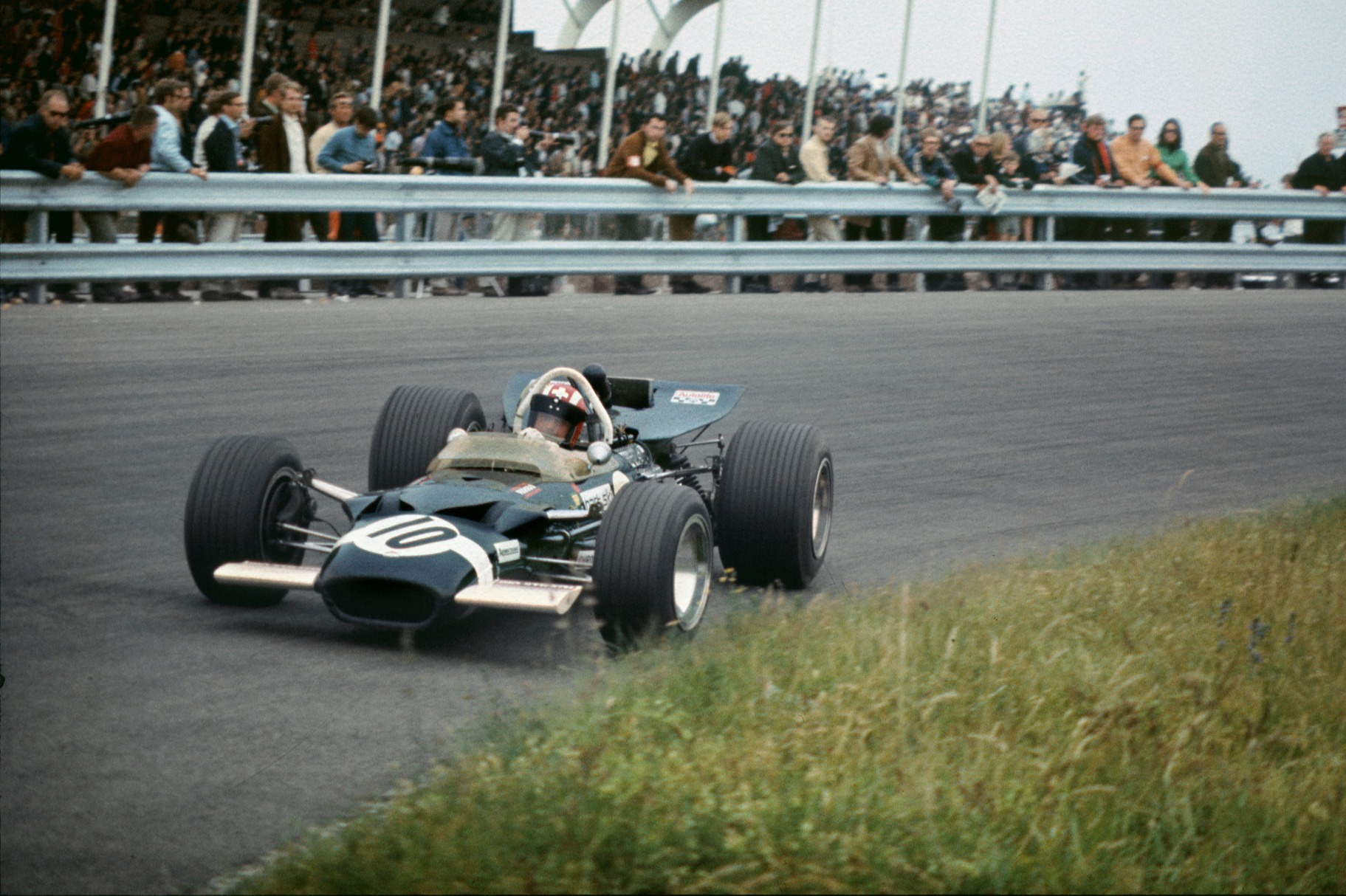
Siffert at his sideways best, was beaten only by Stewart after he had stormed past both McLarens, Amon's Ferrari and Hill's works Lotus
Photo by: Motorsport Images
Car: Lotus 49B
Started: 10th
Result: 2nd
“Siffert drove another fabulous race after one of his characteristic sideways drives”, reported McNally after Siffert charged from row four to second at Zandvoort, behind only Stewart’s dominant Matra.
While the factory Lotuses of Rindt and Hill battled Stewart in the early stages, Siffert made good progress. Ninth at the end of lap one, he was seventh one tour later.
He then caught the battling trio of Amon’s Ferrari and the McLarens of Denny Hulme and Bruce McLaren. The Walker/Jack Durlacher Lotus quickly disposed of McLaren and Amon, then “outmanoeuvred Hulme at Tarzan in a heart-stopping moment”, according to McNally.
After just eight laps, Siffert was therefore fourth and close to Hill, who had been left behind by Rindt and Stewart. Hill led a six-car train fighting for third but, on lap 14 of 90, Siffert made his move at Tarzan to pass the reigning champion’s factory Lotus.
Top 10: Ranking the greatest Lotus F1 cars
Siffert immediately edged away from the battle behind and inherited second spot when leader Rindt retired. He did not have the pace to close on Stewart but stayed out of reach of the brilliant battle behind, even after others made it by Hill.
“Seppi was getting an enormous amount of oversteer round the back of the circuit, but this didn’t seem to bother him a bit and he was coming through the corners in great big opposite-lock slides,” reported McNally.
Siffert’s fourth world championship F1 podium lifted him to third in the drivers’ championship against many works drivers, behind only Stewart and Hill.
6. 1965 Syracuse GP
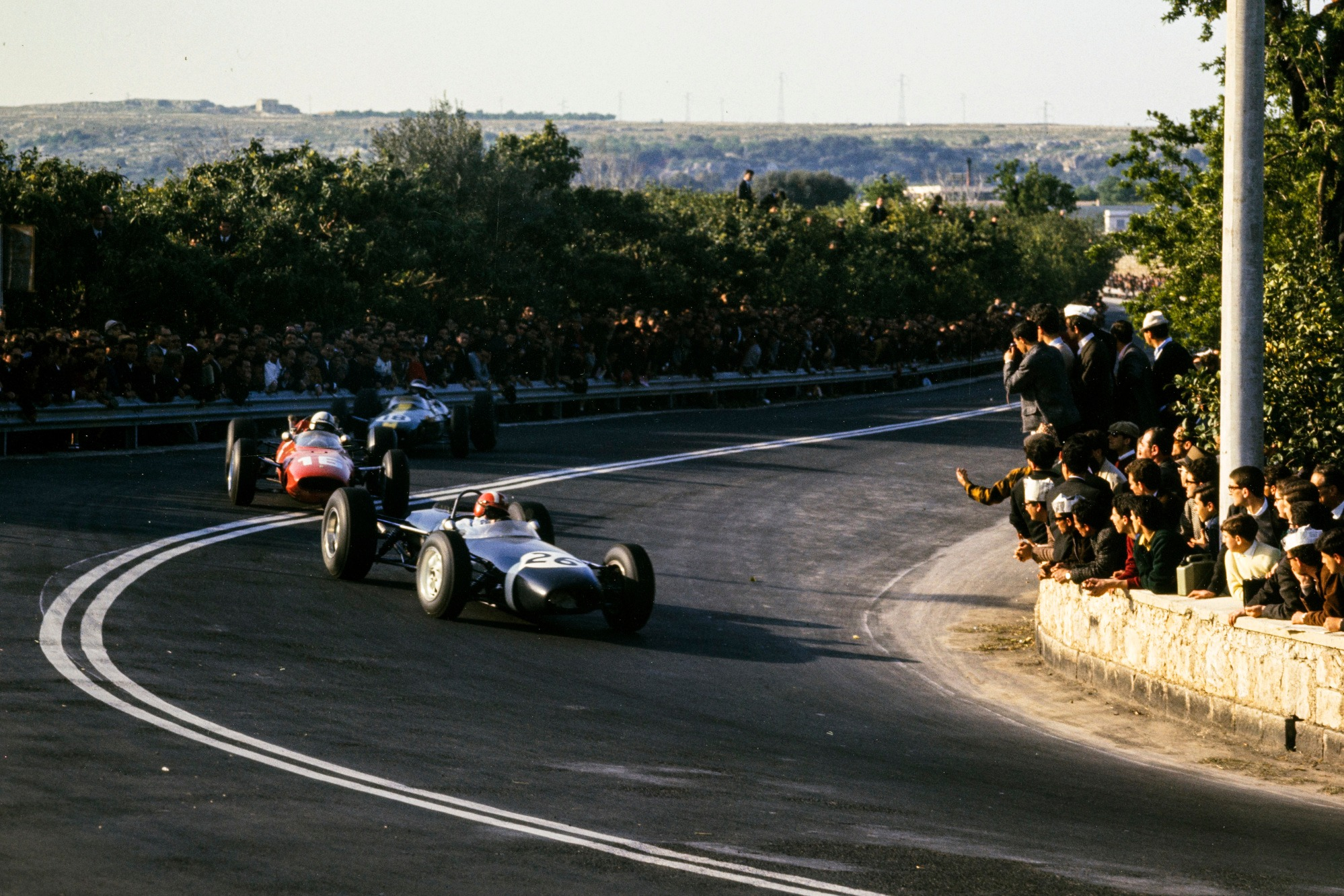
Siffert scrapped admirably with Surtees and Clark until his Brabham's engine expired
Photo by: Motorsport Images
Car: Brabham-BRM BT11
Started: 4th
Result: Retired
Ferrari and Lotus were the only works teams present for this non-championship race on the challenging, high-speed 3.4-mile track, more of a driving challenge than the Enna circuit on which Siffert had already won.
Perhaps predictably, Clark’s Lotus took pole from the Ferrari of reigning world champion John Surtees. Siffert was fourth, 0.7s adrift in his Walker-run Brabham-BRM, and behind team-mate Jo Bonnier’s Climax-engined Brabham. Some felt Siffert had lapped faster and should have been on the front row of the 3-2-3 grid.
Just before half distance of the 56-lapper Siffert grabbed the lead back, Surtees soon repassed him and then the Brabham moved ahead once more
Siffert made a fine start to complete the first lap in the lead, chased by Surtees and Clark. The two world champions stayed with the privateer Brabham, with Surtees finding a way by before one quarter distance, as all three lapped on the front row qualifying pace.
Just before half distance of the 56-lapper Siffert grabbed the lead back, Surtees soon repassed him and then the Brabham moved ahead once more. “How pleased Rob must have been to see a car of his out there leading two world champions,” said Autosport’s reporter Bill Gavin.
Sadly, with just over 12 laps to go, the BRM engine over-revved over a bump and expired, leaving Clark to eventually defeat Surtees.
“He coasted in to receive a well-earned thunderous ovation from crowd and all the opposition alike,” wrote Gavin. “Both Surtees and Clark later spoke highly of Siffert’s efforts.”
5. 1970 Daytona 24 Hours
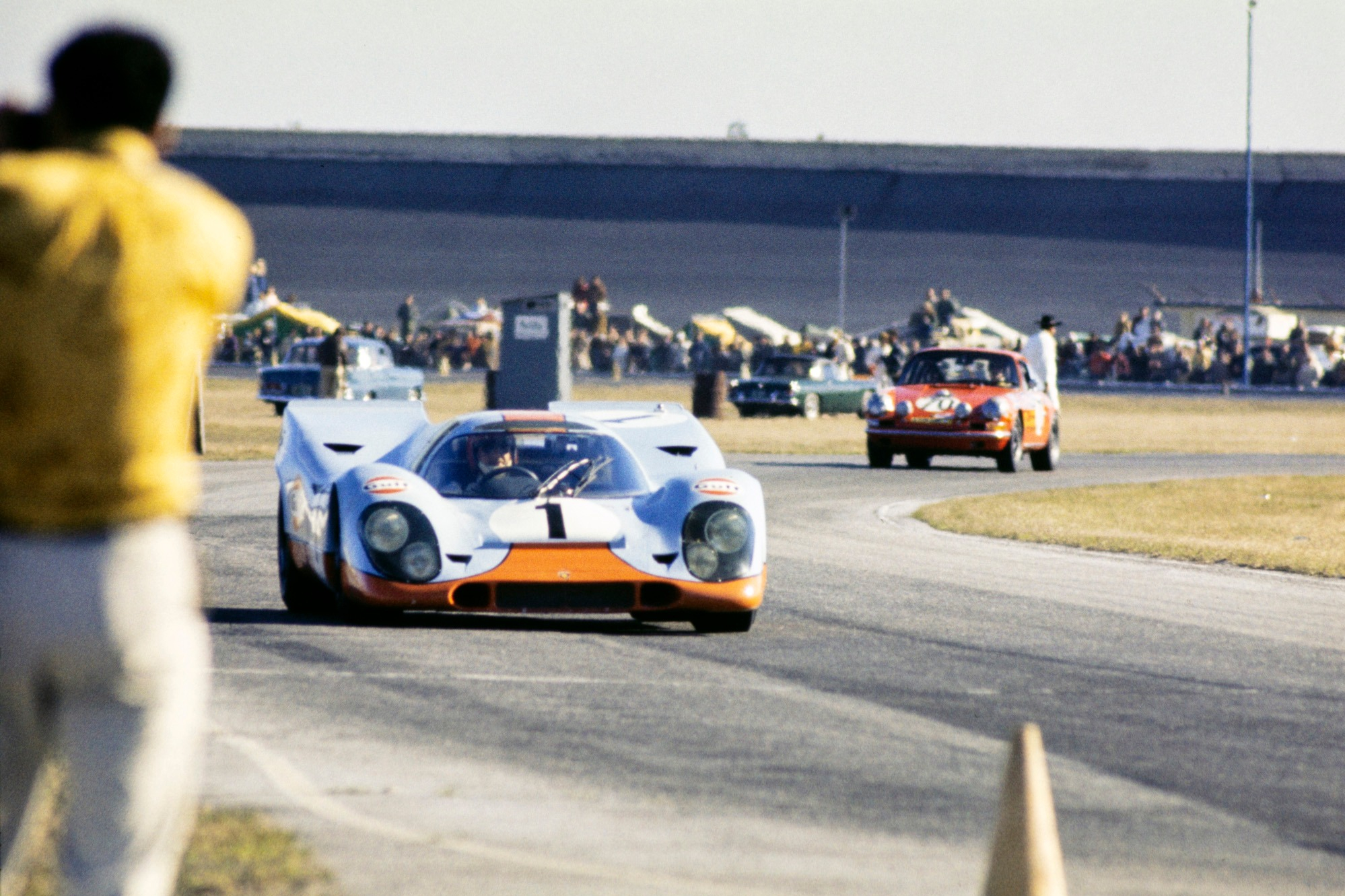
Siffert drove like a man possessed to recover second after early setbacks
Photo by: Motorsport Images
Car: Porsche 917K
Started: 2nd
Result: 2nd
This one was largely about the dramatic closing stages. Siffert had led the early going but a puncture, torn brake line, distributor trouble and broken shock absorber had cost the Porsche 917K he shared with Brian Redman considerable time. Then clutch failure on Sunday morning lost more than 1h15m.
Following the clutch change, the JW Automotive Gulf team was not sure where the car was so told Siffert to charge. “This was a situation which Seppi loved and in the closing stages he enjoyed himself immensely, driving absolutely flat out and passing everything in sight,” said team boss John Wyer in his book The Certain Sound.
Thanks to the high attrition, the car returned in fourth place, which soon became third. The duo continued to push and, when the second-placed Ferrari suffered a broken rear chassis crossmember that required welding, the fight for the runner-up spot was on.
The sole surviving Ferrari 512S, in which Jacky Ickx had joined alongside Mario Andretti and Arturo Merzario, had also had plenty of trouble and now found itself under attack.
“Siffert’s chase of Andretti really caught the crowd’s imagination,” reported Autosport’s Simon Taylor. “They gasped as Siffert, driving in typical Seppi fashion, made up another lap on the Ferrari, diving under it on the banking.”
Redman brushed a wall and brought the car in with just under an hour to go to hand over to Siffert. The repairs cost another five minutes before Siffert started his final pursuit.
“Siffert flung the 917 after the Ferrari and passed it to get on the same lap,” added Taylor, who also pointed out Siffert set fastest lap despite the state of both the car and the circuit after 23 hours of competition.
“The Porsche’s tail-out attitude on the banking was almost frightening.
“With four minutes left the incredible Siffert was on the Ferrari’s tail and, with the help of a 200mph tow down the straight, he swooped above him on the East Banking and was through.”
The somewhat confused lap-charting eventually classified the Porsche three laps ahead of the Ferrari, but that didn’t matter to those who had seen one of Siffert’s finest changes in one of sportscar racing’s greatest cars. “It was the high spot of the race,” said Wyer, despite the fact his other car had won by 45 laps…
“It gave me as much satisfaction as winning,” said Siffert in the Gulf film A Year to Remember on the 1970 sportscar season.
PLUS: Is the Porsche 917 the greatest racing car of all time?
4. 1968 British GP, Brands Hatch
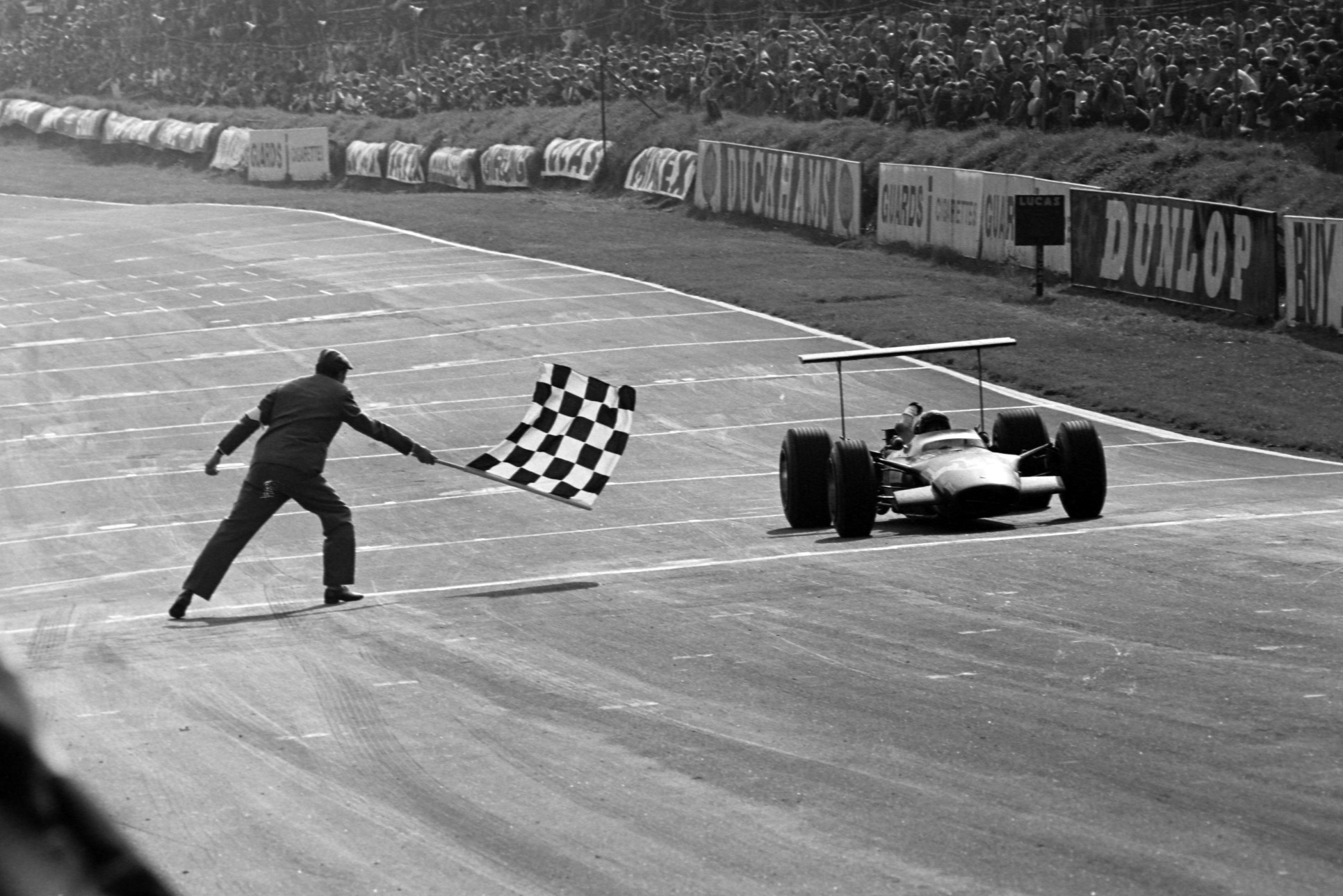
Siffert broke through for his first win in his first race with the 49B, after re-passing Amon
Photo by: Motorsport Images
Car: Lotus 49B
Started: 4th
Result: 1st
When Walker got his hands on a new high-winged Lotus 49B, Siffert finally had frontrunning F1 machinery and duly qualified fourth first time out at the British GP.
Siffert then jumped ahead of Amon’s Ferrari at the start and briefly grabbed second before settling in to third to form a Lotus 1-2-3 behind the works cars of Jackie Oliver and Hill. Hill overtook Oliver for the lead on lap four of 80 but retired shortly after quarter distance when a driveshaft broke. That left Oliver leading from Siffert and Amon, 2.5s covering the trio.
"I remember the pure joy that Rob showed at the end of that race. Rob always had this thing of being an underdog" Simon Taylor
Oliver edged away, having covered Siffert in oil and delayed the Swiss, and Amon took second place just before half distance. But Siffert fought back and, having set fastest lap, had just repassed the Ferrari when Oliver’s transmission failed. Siffert now led a world championship GP for the first time, harassed by Amon – both drivers looking for their maiden win.
With 10 laps to go the Ferrari was still within 0.7s of Siffert, “driving the race of his life” according to Autosport, but Amon then started to struggle with his left-rear tyre and fell away. Siffert took the flag 4.4s ahead, with everyone else at least a lap behind.
It was the ninth and final world championship victory for Walker and was almost certainly the highlight of Siffert’s time there. “I remember the pure joy that Rob showed at the end of that race,” recalls Taylor. “Rob always had this thing of being an underdog.”
3. 1970 Watkins Glen Can-Am
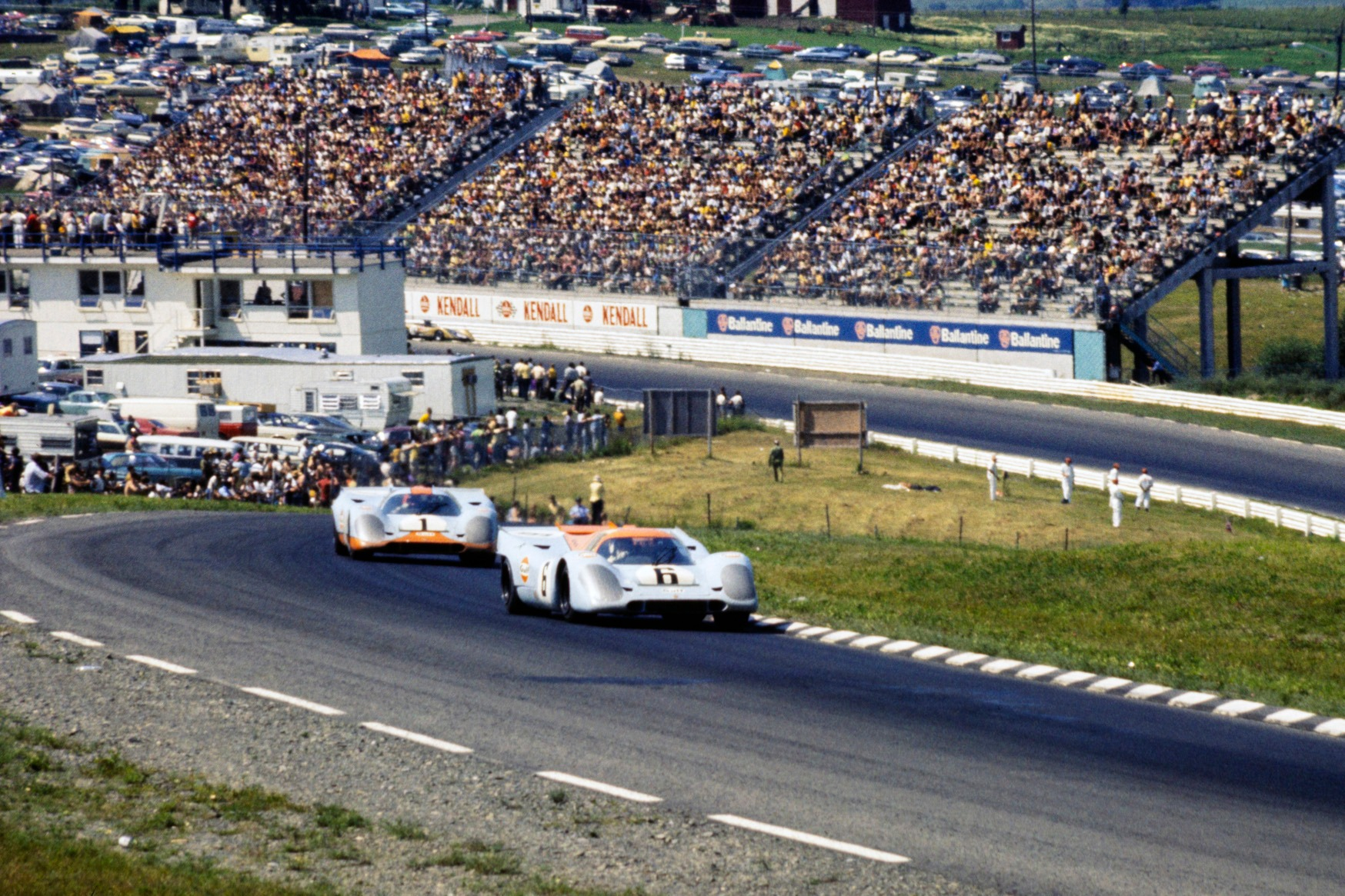
Siffert chased down and passed Redman, finishing second to Hulme and comfortably clear of his Class 5 competitors
Photo by: Motorsport Images
Car: Porsche 917K
Started: 12th
Result: 2nd
The Porsche 917 was still a long way from being the car that would change the no-holds-barred Can-Am series forever in July 1970. But, with the Watkins Glen 6 Hours having taken place the day before and generous prize money on offer, many world sportscar runners entered the third round of the series.
Despite giving away more than two-litres to the quickest of the American V8-engined Group 7 monsters, Siffert almost pulled off a shock result.
He qualified 12th, sixth of the Group 5 cars and slower than his JW Automotive Engineering team-mates Rodriguez and Redman, but as others made mistakes or hit trouble he moved forward.
“Siffert, completely in his element, drove one of the best races of his life,” said Wyer in The Certain Sound.
By one-third distance Siffert was up to fourth overall, with Rodriguez fifth before the Mexican’s 917 broke. Now the leading Group 5 runner, Siffert closed on the battle for second between the overheating McLaren M8D of Dan Gurney and Lola T220 of Peter Revson.
Gurney was then penalised for overtaking under yellow flags and both Revson and Siffert pitted – the Lola for a new oil pump and Porsche for fuel as it lacked the tank capacity to make it to the end. The JWA stop was swift – though reports ranged from 15s to 30s – and Siffert was soon in a firm second.
As the track broke up in the heat and leader Hulme battled high water temperatures, Siffert pressed on, but the big McLaren had just enough in hand. Group 5 cars finished 2-3-4-5-6-7, but Siffert was two laps clear of third-placed Richard Attwood’s 917.
2. 1968 Mexican GP, Mexico City
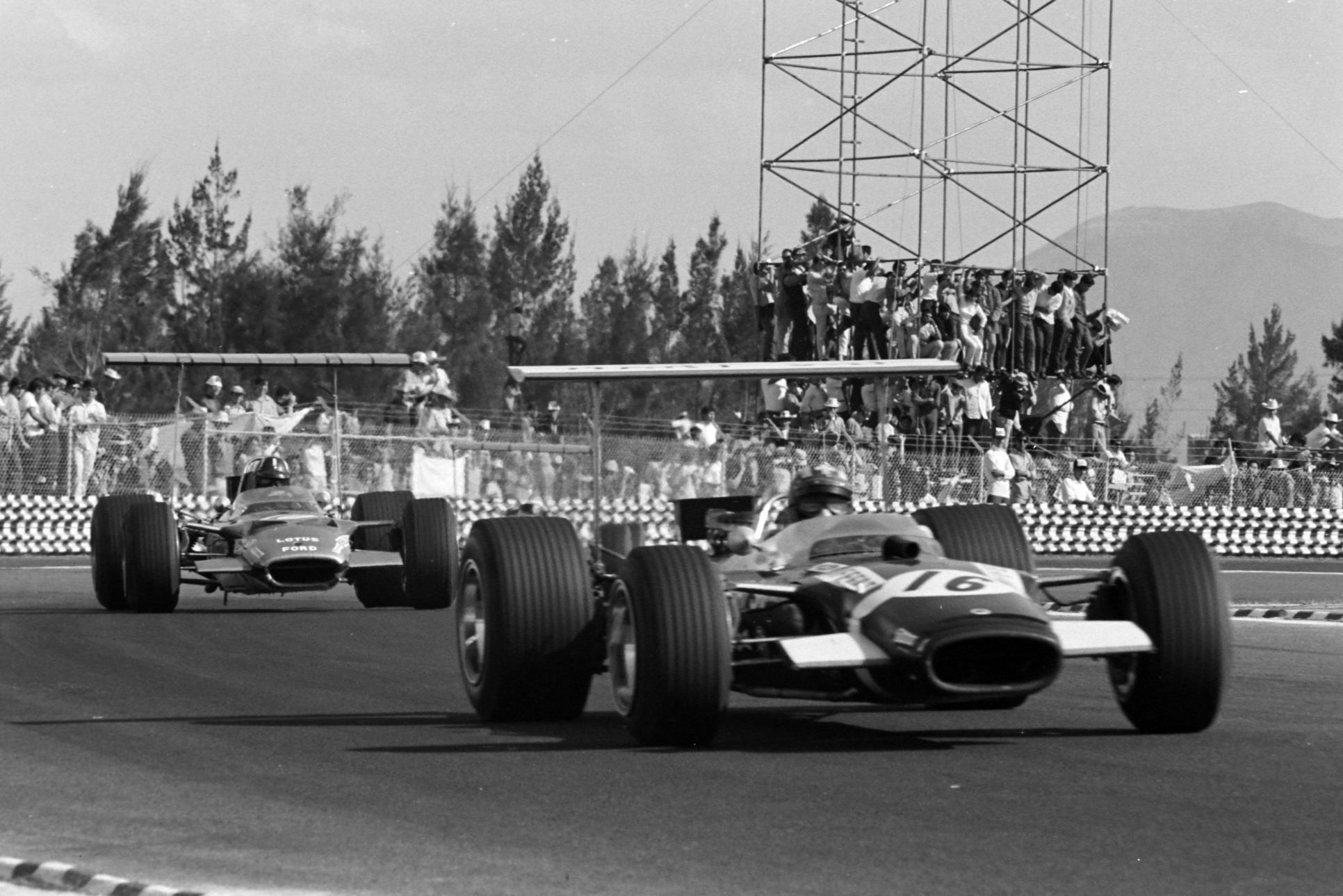
Siffert upstaged the championship contenders with a standout drive before delay set him back
Photo by: Motorsport Images
Car: Lotus 49B
Started: 1st
Result: 6th
Three drivers – Hill, Stewart and Hulme – went to the Mexico City finale with a chance of taking the 1968 world title, but all three were nearly overshadowed by Siffert.
He grabbed his first F1 world championship pole, by 0.4s, and didn’t get flustered when a poor start meant he completed the first lap in eighth. As Hill and Stewart battled for first, Siffert rapidly picked off those ahead. After just six of the 65 laps he was third, a little over 6s behind the leaders.
His best lap was 0.88s quicker than anyone else managed and he crossed the line sixth, having taken back one of his lost laps
Just seven laps later, he was with them. And then he proceeded to dispatch the championship protagonists, taking the lead from Hill on lap 22.
Siffert edged away, only to be forced into the pits when the bolt holding the throttle cable came out. The Lotus lost around four minutes and rejoined two laps adrift in 12th. But while Hill headed to victory and a title that rejuvenated Team Lotus, Siffert smashed the lap record.
PLUS: Graham Hill’s 10 greatest races
His best lap was 0.88s quicker than anyone else managed and he crossed the line sixth, having taken back one of his lost laps.
Deschenaux claimed that Walker felt it was Siffert’s best drive, while Seppi said: “30 laps more and I would have won.”
1. 1971 Austrian GP, Osterreichring
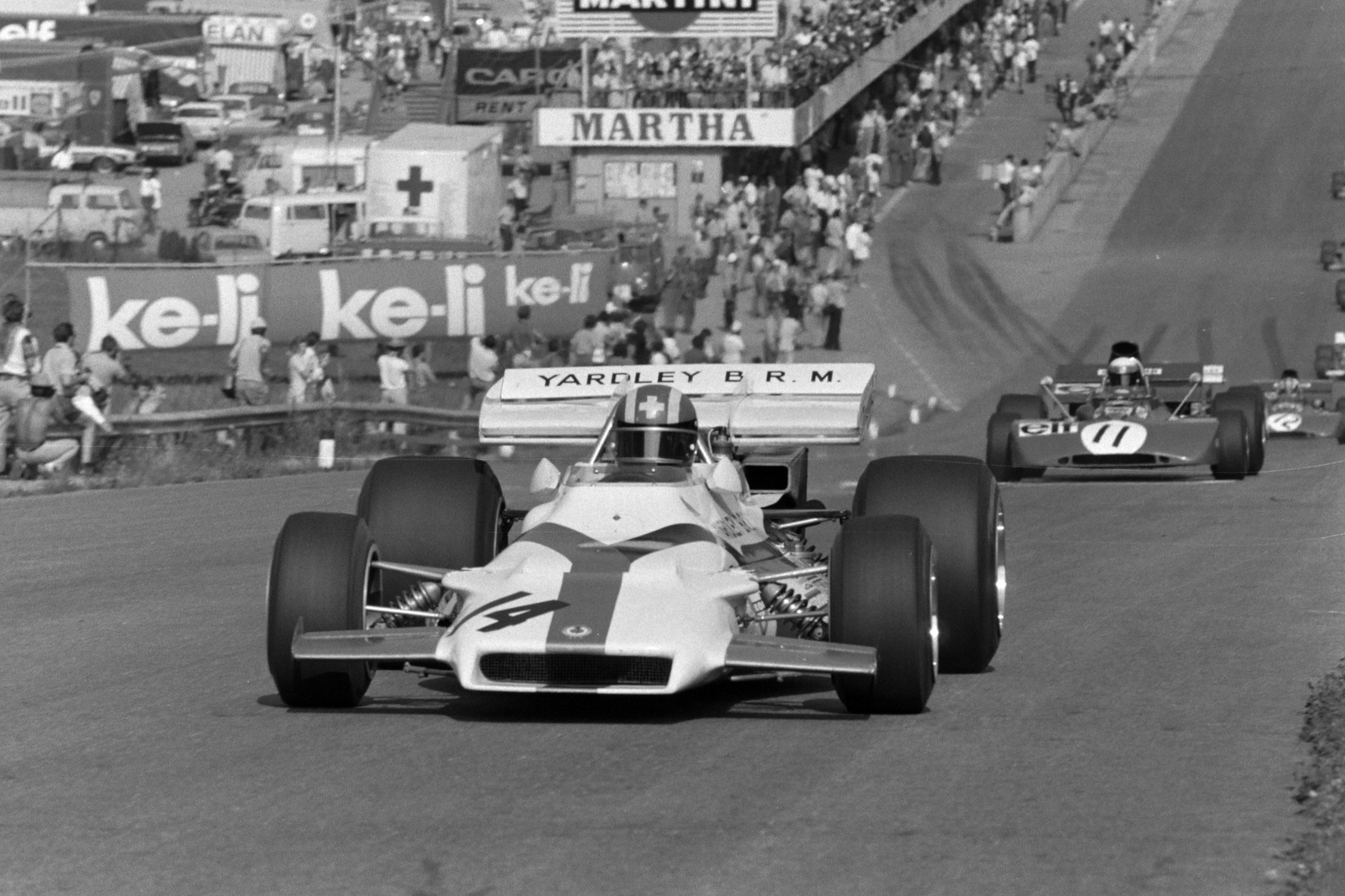
Siffert had the Tyrrells confidently beaten before they retired, making his last win his most convincing
Photo by: Motorsport Images
Car: BRM P160
Started: 1st
Result: 1st
Having been robbed of a possible second place by coil failure in the preceding German GP, Siffert was on good form when he arrived at the Osterreichring. He had become BRM’s number one driver following the death of Rodriguez and was arguably driving better than ever.
Siffert’s mother Maria, who was turning 60, came along and got to witness one of Siffert’s finest weekends. Fast throughout practice using two P160s, he took pole – BRM’s first since 1965 – and fought off the attentions of Stewart in the early stages.
PLUS: The BRM’s last F1 hurrah
“Siffert was driving extremely well, tidily and was holding off the blue challenger without apparent effort,” reckoned McNally.
After 20 of the 54 laps, Siffert’s lead was 6.8s. As Stewart’s handling troubles worsened, he waved team-mate Francois Cevert through on lap 23, but the Frenchman could not challenge either.
Siffert underlined his advantage with a lap record on lap 29 that was 0.75s faster than anyone else would record for the whole race. Shortly after two thirds distance, both Tyrrells retired, Stewart losing a wheel and Cevert suffering an engine failure.
With 12 laps to go Siffert was 27.2s ahead and looked in the clear, but then started to lose pace. A slow puncture allowed Fittipaldi’s Lotus to close in.
“The closing laps were perhaps the most exciting of the race, with Emerson catching the BRM lap after lap,” reported McNally, but Siffert held his nerve to win by 4.1s. McNally said that Siffert had driven his “best-ever race” for what would be the 35-year-old’s final victory.
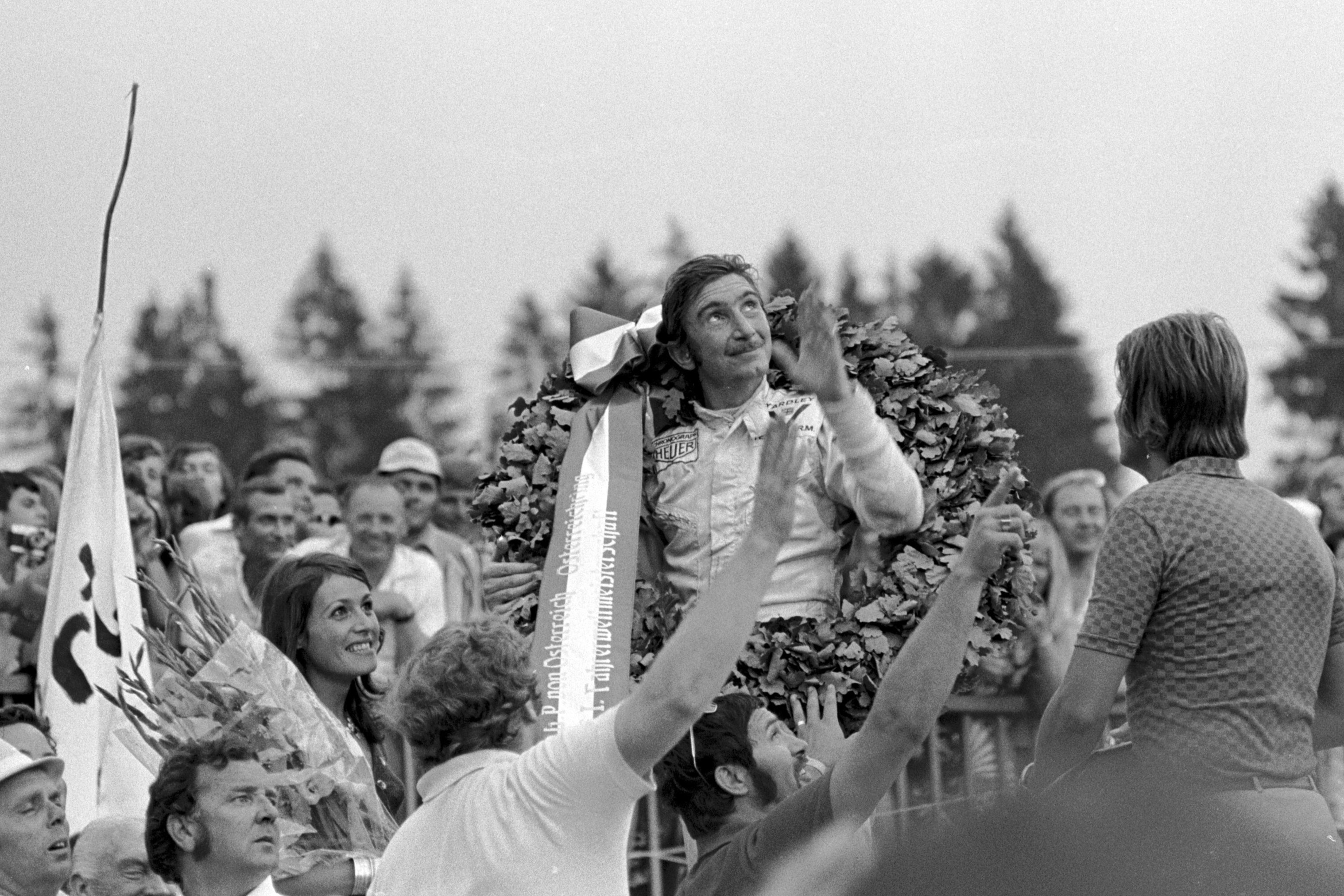
Siffert takes the plaudits of the crowd at the peak of his career - but his life was tragically cut short soon afterwards
Photo by: Motorsport Images


Autosport magazine: Hamilton at Ferrari – and champions crowned

How the M8B became the most dominant car in McLaren’s history

Employing team orders can simply be a matter of common sense

The greatest F1 campaigns with no wins

Top 10 F1 results changed by backmarkers – the passes

Top 10 F1 results changed by backmarkers – the clashes

Stars, cars and highlights from the 2026 Goodwood Revival

The Egal has landed – again

Red Bull identifies two "key focus" areas after Max Verstappen's promising start in Austin

Martin declared unfit for Australian GP after suffering fracture in sprint

MotoGP Australian GP: Marquez wins sprint to seize points lead, Martin crashes

MotoGP Australian GP: Marquez crashes and then takes pole in wet qualifying
Subscribe and access Autosport.com with your ad-blocker.
From Formula 1 to MotoGP we report straight from the paddock because we love our sport, just like you. In order to keep delivering our expert journalism, our website uses advertising. Still, we want to give you the opportunity to enjoy an ad-free and tracker-free website and to continue using your adblocker.


Top Comments