


Tech tweaks to tame Monaco
A Formula 1 venue like no other, Monaco presents a unique technical challenge. CRAIG SCARBOROUGH outlines the minor touches teams apply to handle it, and the latest updates
With the first five races being run on fairly normal circuits, aside from widely different ambient temperatures, this weekend brings the first in a run of specialist technical tracks.
Monaco, of course, demands a very specific set-up: maximum downforce, higher ride-height and greater steering angle.
This year, rain, or at least cooler temperatures, are likely to be a greater factor, especially as the supersoft tyre is of a different, slightly harder compound for this race.
Additionally, as three of the four Renault-engined drivers are on their fourth power unit, the risk of grid penalties is looming large.
MONKEY SEATS

With the high downforce level required for Monaco's slow turns and lack of straights, teams will run the rear wing at its maximum angle.
As the wing is run so close to stalling, teams will use a Y100 monkey seat winglet to aid the airflow.
Since the lower beam wing was banned for last year, the interaction of airflows between the diffuser and top rear wing has often needed this extra winglet to keep the airflow attached to the top rear wing's underside.
They are not, as often thought, a means to create extra downforce directly, but improved airflow under the top rear wing makes the car more consistent, which aids driver confidence.
This year, teams have run monkey seats at far fewer races so far than in 2014. This is partly as the teams have improved the effectiveness of their rear wings without needing the steadying effect of the winglet.
Also, teams are running slightly less rear wing in order to cut drag this year - critical with the fuel flow hurting top-end engine performance on the straights - a strategy not adopted by many in 2014.
MERCEDES

Fresh from running at the recent post-Spanish Grand Prix Barcelona test (with the same updates as seen at the Spanish race weekend), the W06's only notable update this weekend was a throwback to last year's W05.
For Monaco, the large monkey seat winglet returned. This complex six-element wing was run for most of last season, but despite a brief appearance in testing, it has not been a feature this year.
The reappearance is in line with other teams' reintroduction of these winglets, but the 2015 version is mounted to a single pillar, rather than the twin pillars seen last year.
When the winglet made its pre-season testing appearance, the new single connection to the rear-wing pillar failed.
Two new ear-like add-ons were seen at the Spanish GP, and it was thought that these would be used to support the monkey seat, but in fact they remain unconnected to the winglet, so the monkey seat is simply supported by a single mount to the rear-wing pillar.
FERRARI

Like Mercedes, Ferrari tested after the Spanish GP with its updated aero spec from the race. This set-up has been carried over to Monaco.
The twin challenges of brake cooling and front-tyre warm-up have been addressed with new front brake ducts.
Of course the repetitive braking events of Monaco require additional cooling, so Ferrari has specifically ducted extra airflow to the caliper.

Most notable is the duct running around the front disc and down to the caliper's three outer pistons. Unseen and inside the outer brake duct casing is most likely a similar duct feeding the inner three pistons.
Also different is the bypass duct that passes across the front of the brake duct. This isn't a cooling duct but an aerodynamic feature to pass more air out through the wheel for a similar effect to the blown front axle.
In its usual guise, this duct is larger and shrouds a large portion of the brake disc. This retains more heat in the brake duct/hub assembly, keeping it from heating the wheel/tyre.
For Monaco, this duct is smaller and features an enclosed hole, which allows heat from the brake to transfer to the wheel and increase front-tyre temperatures.
The compromise with the smaller bypass duct is reducing the positive aerodynamic effect of pushing air out of the wheel, but as Monaco is more about mechanical grip than aero, so the negative effect will be limited.
FORCE INDIA

As the team is not planning to introduce its first major aero update until June's Austrian GP, developments to the VJM08 are limited, but Monaco has revealed an interesting precursor to the Cologne windtunnel-developed updates.
A new front upright assembly that mounts the brake caliper in a new position could be a clue to the future direction of development. For a few years, Force India has mounted its front brake caliper in the three o'clock position, such that the calipers were ahead of the axle line.
Now, the calipers have been moved to the opposite nine o'clock position. In terms of braking, mechanical stiffness and weight distribution there's no real difference.
I am guessing the change is more likely to be aero related. Like with most other cars on the grid, the repositioned caliper will allow a large bypass duct to be fitted to aid the outwashed airflow around the front wing.
But the real effect of the new upright and brake position will not really be seen until the new aero set-up is introduced.
LOTUS

Changes continue to be small at Lotus. After rear-wing updates to the E23 in Spain, for Monaco the team has added just a tiny front-wing endplate change.
The size of the twisted vane on the endplate has changed, but the general design of the wing remains the same.
Bigger changes remain to be seen, but the rumoured new nose is expected to make its debut at the next race in Canada.

The perfect Formula 1 car from 2016

F1's new development war has already begun

F1 teams still pushing with an eye on 2017

A glimpse at McLaren's 2017 work at Austin?

Engine oddities and aero tweaks at Suzuka

The unexpected technical upgrades at Sepang

Mercedes' suspension under the spotlight again

F1 teams' low downforce secrets

McLaren retains Fornaroli as F1 reserve and hands him WEC programme for 2027

How Andrew Jordan realised his teenage rallycross dream
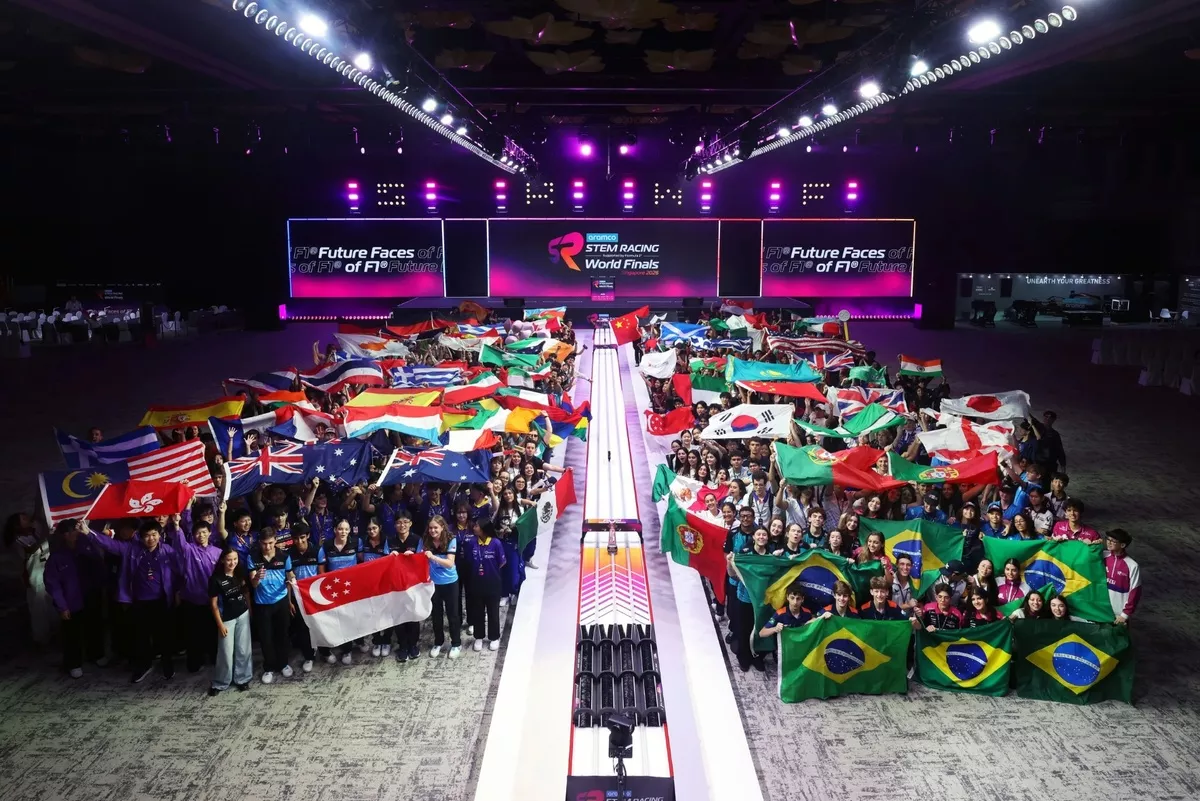
Inside the competition building F1’s future engineering talent

WEC Barcelona: Toyota scores dominant 1-2 to clinch manufacturers’ title
Subscribe and access Autosport.com with your ad-blocker.
From Formula 1 to MotoGP we report straight from the paddock because we love our sport, just like you. In order to keep delivering our expert journalism, our website uses advertising. Still, we want to give you the opportunity to enjoy an ad-free and tracker-free website and to continue using your adblocker.


Top Comments