


FIA responds to Verstappen’s "my back is falling apart" complaint about current F1 cars
Max Verstappen is one of several F1 drivers who won't miss the current generation of cars, and the FIA acknowledges the physical challenges were unexpected


Photo by: Bryn Lennon / Formula 1 via Getty Images
With new regulations on the way, drivers only have two more race weekends in the current generation of Formula 1 cars. Max Verstappen – along with Fernando Alonso and George Russell – said in Las Vegas that they won't miss the current machines.
This is partly because the ground-effect cars are heavy, large, cumbersome, and unwilling to hustle through slow corners. But mainly it's a factor of physical discomfort.
To maximise negative pressure in the underfloor, the ride height has to be extremely low and the cars have to be run with very stiff set-ups. Both aspects make the cars physically demanding for drivers, even after the initial porpoising issues were resolved.
Alonso said he "will not miss this generation of cars" and Verstappen aligned himself with that view while talking to the Dutch media in Las Vegas.
“It hasn't been comfortable at all, all these years - my whole back is falling apart and my feet always hurt," said Verstappen.
“Physically, it hasn't been the best. When you do scans, they don't look good. On the other hand, if you look at motocross, we have nothing to complain about. But if you know what it was or what it could be, I'd rather go for what we had in 2015-2016.”
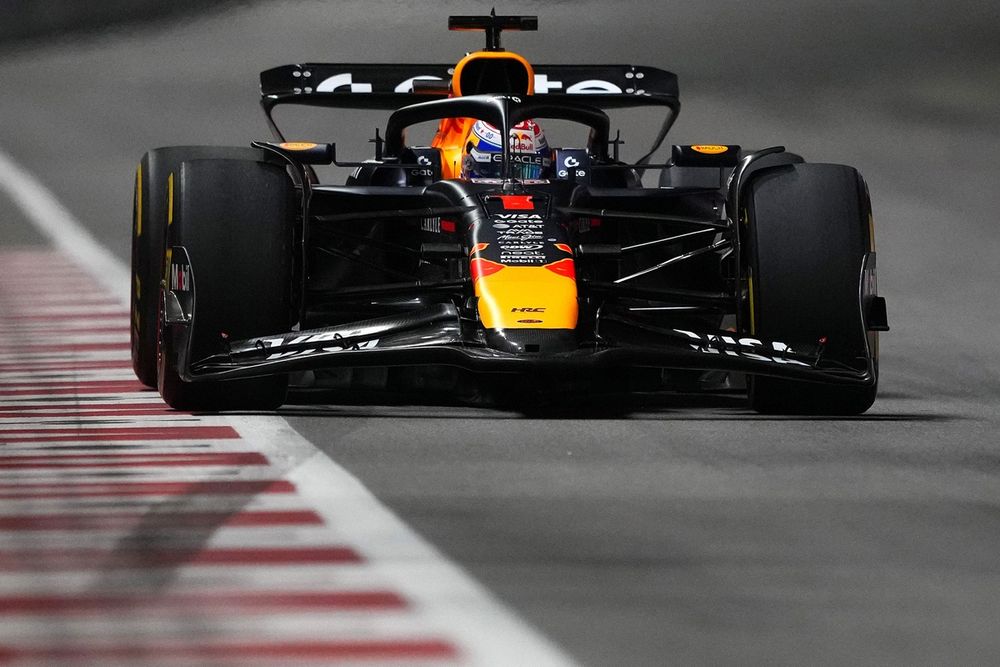
Max Verstappen, Red Bull Racing
Photo by: Alex Bierens de Haan / LAT Images via Getty Images
It raises the question of whether the FIA may have underestimated the physical strain caused by the current cars, and whether things may even have gone too far at certain points.
"I think the main issue you're referring to is the fact that cars have been running very low and very stiff," said FIA single-seater director Nikolas Tombazis when asked about Verstappen's comments by Autosport. "That was something that, overall, had not been anticipated in the generation of these current cars."
According to Tombazis, the good news is that next year it should no longer be a problem: "The natural direction of the aerodynamics for next year still favours low-running cars more than high-running cars - but not by the same amount. The slope of aerodynamics versus ride height is reduced, which means that the optimum will be a bit higher, and the cars will be running, we believe, a bit softer overall in order to have mechanical grip."
That said, the FIA does not want to make overly bold predictions. The porpoising issue, after all, was also unexpected, meaning the federation cannot fully rule out unwanted side effects in advance.
"Clearly, that is what we're speculating," Tombazis added. "We're not actually sitting there determining the conditions of the cars, but all indications we have are that it will be a bit better in that respect. But we’ll know for sure once we see the cars running."
Mercedes deputy technical director Simone Resta pointed out that teams now have the capacity to resolve unexpected issues very quickly, as they did when porpoising manifested itself early in testing for the 2022 season.
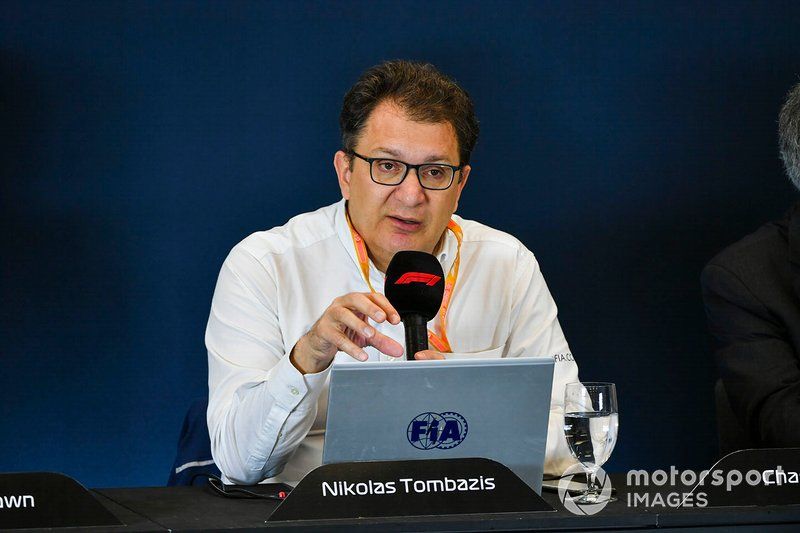
Nikolas Tombazis, FIA single-seater director
Photo by: Mark Sutton / Motorsport Images
"It's also fair to say that, like in every regulation change, this problem has been clearer and stronger at the start of this cycle," he said. "So in 2022, there were a lot of porpoising issues and drivers complaining about that.
"And then, like in every cycle, month after month, year after year, teams understand the dynamics, understand how to cope with them - and the problem is kind of vanishing at the end of the cycle.
"So in every cycle, there's going to be a lot of new things to learn. It's going to be very exciting, and teams will take the time to sort out those issues."


Share Or Save This Story


F1 drivers push for Madring changes after "very poor" Spanish GP: "I almost fell asleep"

The impact Madrid's "six kilometres long" pitlane will have on Spanish GP strategy

The deeper meaning of Vettel’s emotional Schumacher demo run at Monza


What's behind Alonso's cryptic comments about his F1 future?

Alonso on his F1 future: "It is more about the regulations"

How Alonso scored ninth at Zandvoort - and how Albon lost a similar payday

Why Norris doesn’t buy Russell’s driving style theory

Evans: Late puncture was “harsh” but WRC title position is still “okay”

How Antonelli is proving unbeatable, even when he's beaten

F1 drivers push for Madring changes after "very poor" Spanish GP: "I almost fell asleep"
Subscribe and access Autosport.com with your ad-blocker.
From Formula 1 to MotoGP we report straight from the paddock because we love our sport, just like you. In order to keep delivering our expert journalism, our website uses advertising. Still, we want to give you the opportunity to enjoy an ad-free and tracker-free website and to continue using your adblocker.


Top Comments