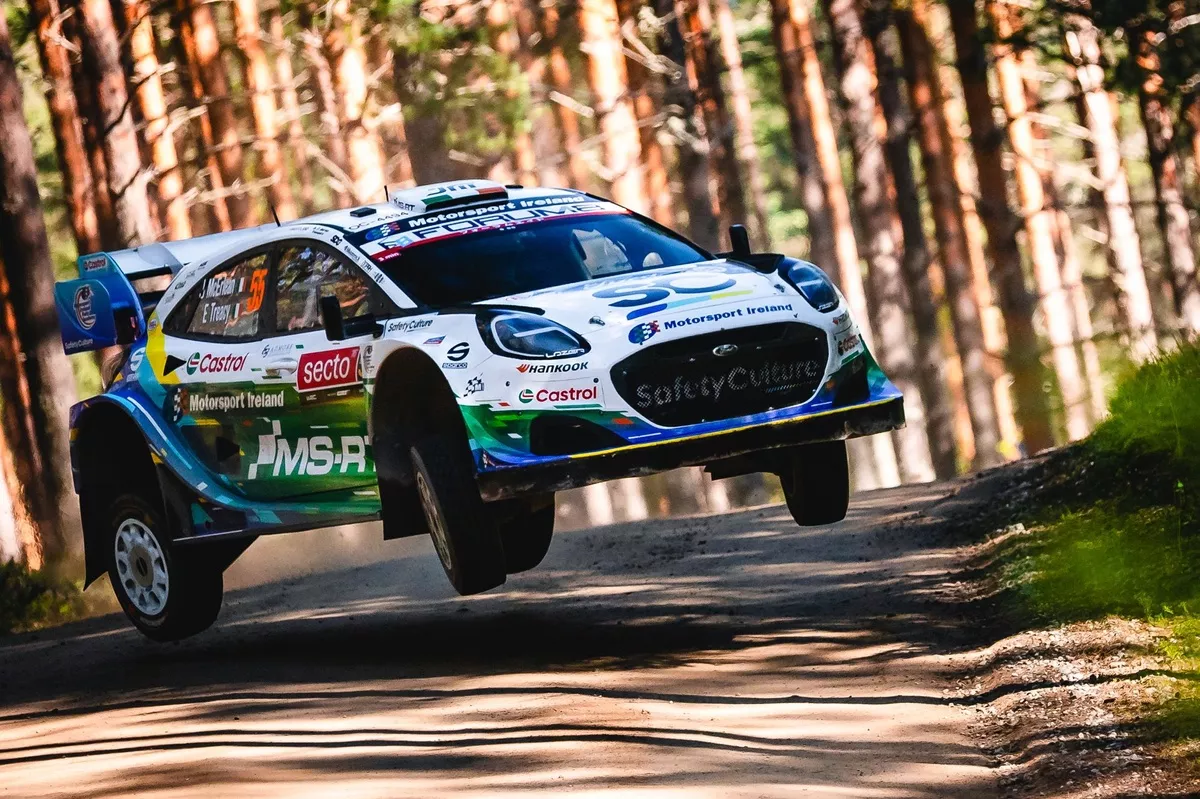


F1 set for V8 return from 2030
The FIA has announced there is an agreement in principle for Formula 1 to move to 2.1 litre turbocharged engines as early as 2030


Charles Leclerc, Ferrari, Lewis Hamilton, Ferrari, Max Verstappen, Red Bull Racing
Photo by: Michael Potts / LAT images via Getty Images
Formula 1 has moved closer to a return to V8 engines from the 2030 season as the FIA announced that a unanimous agreement has been reached between the governing body, F1 management and the power unit manufacturers.
F1 has long worked towards cheaper and simpler engines for the next regulation cycle, which starts in 2031, having recognised the current formula is too complex and physically heavy, and a relic of a different direction in the road car industry.
The FIA could have set the series’ future power-unit regulations for 2031, when the current cycle ends, but there has been broad alignment within the sport to bring that timeline forward by one year, driven by both president Mohammed Ben Sulayem and F1 CEO Stefano Domenicali.
So following recent gatherings by the F1 Commission and power unit advisory committee, where key aspects like the formula, timelines and costs were discussed, there had been broad support to bring forward the next generation of engine regulations by one year and curtail the current formula. The consensus is for F1 to move to a 2.1-litre turbocharged V8 engine with a smaller electric component of 200kW, half of which will be ringfenced for overtake-mode use.
The 2.1-litre capacity is derived from the current 1.6-litre V6 formula as a starting point, with two additional cylinders intended to reduce development costs.
After an aborted announcement on Tuesday, the FIA has now officially confirmed there is unanimous support among its stakeholders about bringing that move forward to 2030.
"The FIA presented F1 Power Unit regulations for introduction from 2030 with a 2.1 litre turbocharged V8 as the power unit of choice carrying over some geometrical specifics," the governing body said on Friday.
"The overriding objective is to deliver a power unit which is a lot less complex, lighter and cheaper than the current power units. It will feature limited hybridisation, relevant and sustainable technology with the aim of enhancing attack-oriented racing and a sound which resonates with fans.
"Additionally, the plan is to marry the V8 power unit to a chassis which will also be lighter, more agile and placing greater emphasis on driver skill and close racing. "
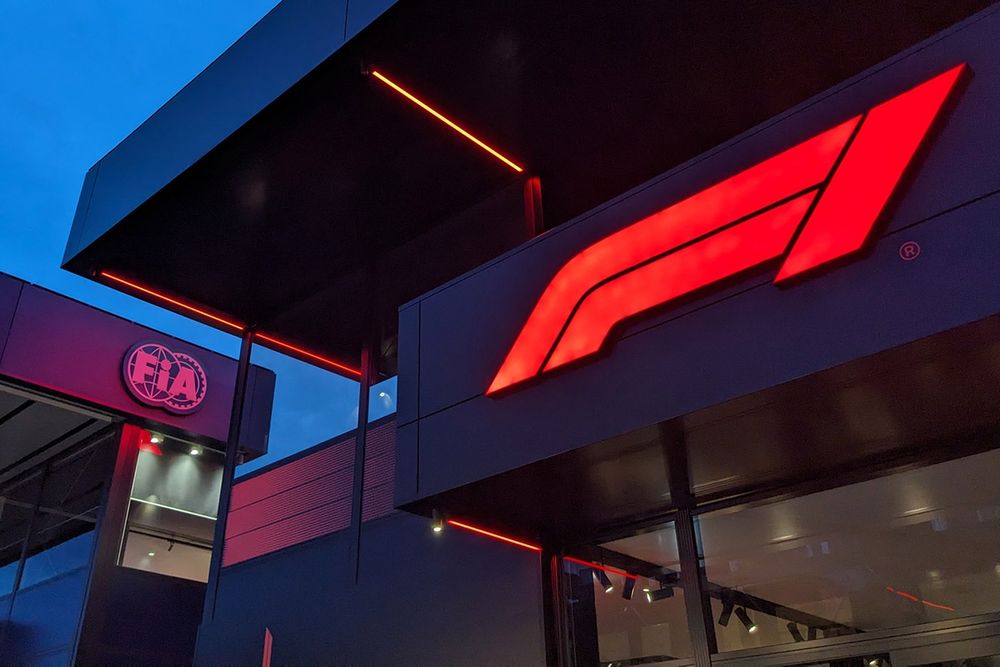
F1 and FIA
Photo by: Benjamin Vinel
Ben Sulayem added: "This agreement marks a significant milestone in shaping the future of Formula 1.
“From the outset I have been clear in my ambition to deliver a sport that is more competitive and more exciting for our fans, while remaining at the forefront of innovation and sustainability.
"The return of V8 engines represents an opportunity to reconnect with the DNA of this championship, bringing back the sound, emotion and pure racing that is loved worldwide.
“Our vision is clear, lighter, simpler and more affordable cars that put driver skill at the heart of the competition."
The 2030 power unit rules still need to be formally voted through by the World Motor Sport Council and by the power unit manufacturers, with a number of finer details, including the exact level of the power-unit cost cap, still to be agreed.
Share Or Save This Story

F1 Las Vegas GP: Rain drowns out FP1

Nike joins F1 as apparel partner

How Las Vegas navigated a rocky start to become an F1 mainstay
F1 set for V8 return from 2030

MotoGP Portuguese Grand Prix: Alex Marquez fastest on Friday as title protagonists all make Q2

Formula E pre-season test ends early after car explodes and catches fire

Vinales withdraws from MotoGP Portuguese GP
Subscribe and access Autosport.com with your ad-blocker.
From Formula 1 to MotoGP we report straight from the paddock because we love our sport, just like you. In order to keep delivering our expert journalism, our website uses advertising. Still, we want to give you the opportunity to enjoy an ad-free and tracker-free website and to continue using your adblocker.


Top Comments