


Controversial 2026 F1 engine loophole won't be resolved before Australian GP
A meeting of Formula 1's engine manufacturers failed to reach a decision on alternative means of measuring compliance with new compression ratio benchmark – despite complaints from those who missed loophole which is claimed to be being exploited by Mercedes and Red Bull


Autosport Explains
Our experts decode the most important stories in motorsport.
Here we are and here we go: the status quo will remain as the 2026 Formula 1 season gets under way. Mercedes and Red Bull Powertrains will be able to race with power units which are understood to employ clever metallurgy to increase the compression ratio of the internal combustion engine beyond the permitted 16:1.
The issue has been the matter of great intrigue since before news leaked out to the wider world in December. As part of the natural process of staff being poached from rival manufacturers, word got around that two of them had found a means of circumventing the intent of this detail in the 2026 power unit regulations: the wording stipulates that the compression ratio of 16:1 (lower than the previous maximum of 18:1) would be policed via measurements taken when the engines were 'cold'.
Although the FIA has said it was keen to "resolve" the controversy before the start of the season, Autosport sources report that the governing body's representatives at the meeting defended the technical choices enshrined in the new regulations. The question of the exploit, and potential means of changing the way compression ratios are measured, had been escalated to the top of the agenda of Thursday's meeting between the FIA and the manufacturers.
It's understood that Ferrari, Honda and Audi were vociferous in complaining about the effects of the loophole identified by Mercedes and Red Bull. In any case it is far too late to modify engines which went through the homologation process months ago, so any performance advantage – said to be in the region of 10bhp, potentially a couple of tenths of a second per lap – is baked in until 2027.
Mattia Binotto, head of Audi's F1 programme, said at his team's launch in Berlin that he hoped the engine manufacturers' meeting would at least set some clear guidelines for future action – but instead everything stalled at the status quo. The idea of adding a sensor in the combustion chamber, which would allow the FIA to read data even when the engine is hot, failed to gain unanimous support.
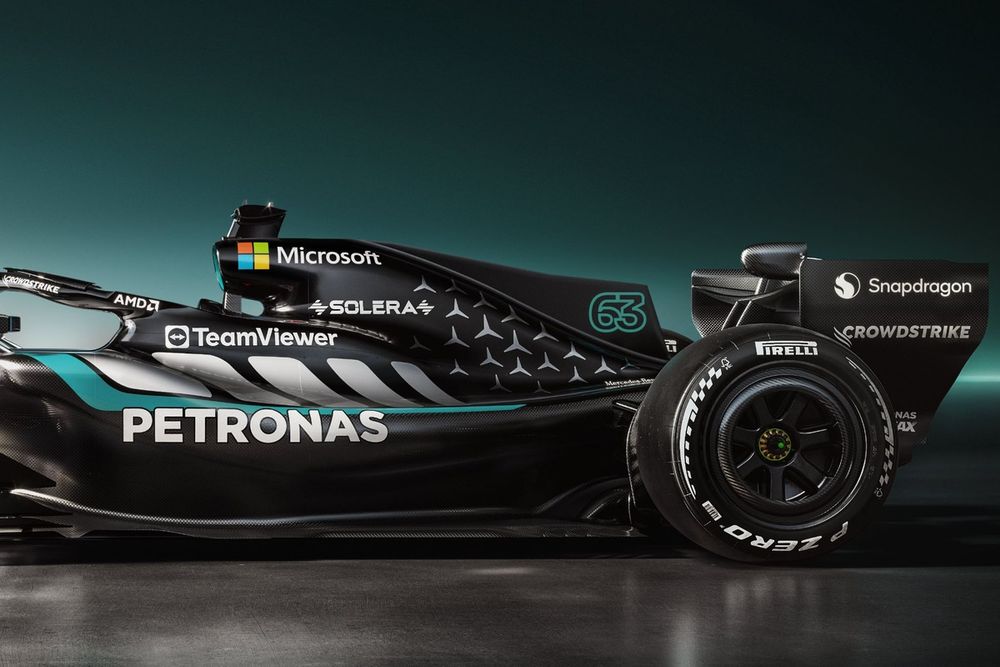
Mercedes W17
Foto di: Mercedes AMG
The new era of F1 will therefore begin amid controversy, and it is far from unlikely that someone may file an official protest to raise tensions as early as the first grand prix. This is only the first case to have surfaced, but it appears there are other unresolved issues that could cloud the start of a new and highly anticipated regulatory cycle.
As FIA single-seater director Nikolas Tombazis said at the Autosport Business Exchange on Wednesday, speaking exclusively to Autosport, the governing body wants to be "careful about such matters", and is "conscious that we want teams to have the same interpretation of the regulations... and to make sure that when people go racing, they understand the rules in exactly the same way".
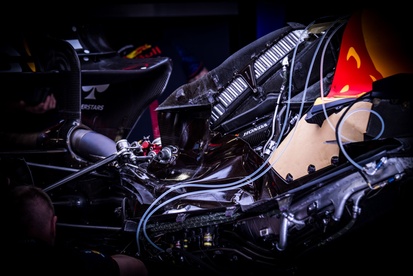
Manufacturers finding loopholes in the rules and the way they are written; rivals who have failed to spot the same loopholes or exploit them as effectively, and who then lobby for the rules to be changed and/or the exploit to be banned. It is a tale as old as time in grand prix racing.
What appears to be different this time, though, is that those who complain loudest may not get their own way.
Share Or Save This Story


Why Leclerc isn't using latest Ferrari ADUO2 engine in the Spanish GP

Ferrari to deliver upgraded F1 engine at Italian GP

Ferrari to introduce new F1 fuel and engine updates in Austria

No denying it now – the one reason why F1’s ‘horrible’ start in Malaysia could be a good thing

Inside Alonso's decision to contest the 2027 Dakar Rally with Aston Martin

The greatest F1 campaigns with no wins

MotoGP to introduce sprint qualifying amid 2027 format changes
Subscribe and access Autosport.com with your ad-blocker.
From Formula 1 to MotoGP we report straight from the paddock because we love our sport, just like you. In order to keep delivering our expert journalism, our website uses advertising. Still, we want to give you the opportunity to enjoy an ad-free and tracker-free website and to continue using your adblocker.


Top Comments