


Street tracks better for Formula 1 than permanent circuits - Tilke
Formula 1 track designer Hermann Tilke says the championship's push to add more grands prix on city circuits opens the door for more exciting track layouts in the future

F1 chairman Chase Carey revealed earlier this week that new events vying for races needed to show their layouts could provide good racing, and Tilke believes the move towards city venues will help that quest.
Tilke, who has worked on the majority of new F1 circuits introduced this century, believes street-track designers actually have more freedom than those creating permanent tracks that have to cater for a wider variety of cars, drivers and events.
"We are not building [permanent] tracks only for the high professional drivers, we are also building tracks for all kind of drivers," Tilke said at the FIA Sport Conference in the Philippines on Tuesday.
"This means amateur drivers, it means a driver who is 60 years old and wishes to drive some kind of racing car or high-performance car. All these people have to be safe [on permanent tracks], it is not only F1.
"But as you see in Baku - that is a track built only for professional drivers.
"You could never have old drivers or young drivers on this track, and that makes a difference.
"The investor of a [permanent] track wants to use a track for everybody - not only F1."
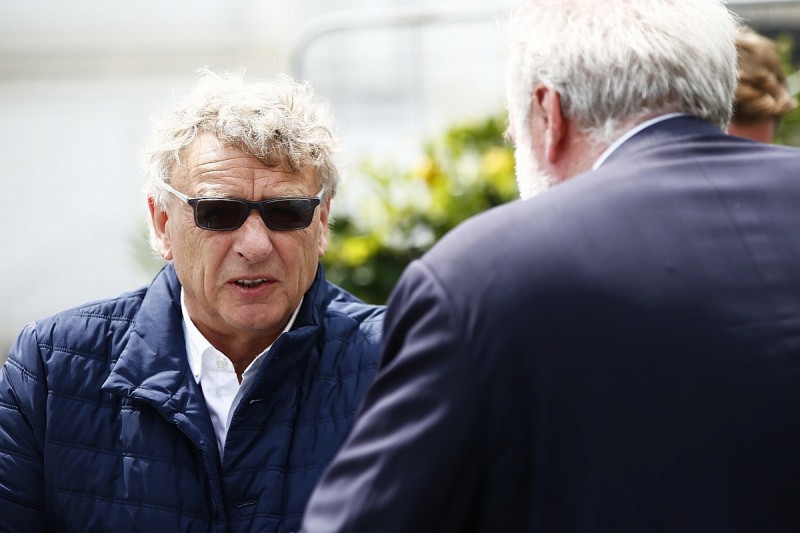
Miami and Vietnam are expected to be the next additions to the F1 calendar, with Liberty clear that it wants to focus on 'destination cities' as part of its efforts to increase the series' fanbase.
"The trend is going to the city tracks and this is really good for professional sport," Tilke added.
"The idea behind it is that it is really very unique, and every city is unique.
"If you go in the centre of a city then you cannot compare with others.
"We have real street races, we have three in the calendar at the moment - Monaco, Singapore and Baku - and all these three are so different and so unique.
"This makes it really very interesting and for the high professional series like F1, it is the right way."
Share Or Save This Story


More than Equal wins Autosport’s Pioneering and Innovation Award

Red Bull and Ford collect Autosport Brand Partnership Award

The enduring power of Prodrive at 40

FIA set to close F1 cost cap loophole with new rules

Norris promises to make "better decisions" following fresh talks over Singapore GP clash

FIA expects F1 races in Qatar and Abu Dhabi to run as planned

Top five roles on Motorsport Jobs this week
Subscribe and access Autosport.com with your ad-blocker.
From Formula 1 to MotoGP we report straight from the paddock because we love our sport, just like you. In order to keep delivering our expert journalism, our website uses advertising. Still, we want to give you the opportunity to enjoy an ad-free and tracker-free website and to continue using your adblocker.


Top Comments