


Aerodynamic gains with F1's 2017 regulations proving 'staggering'
The aerodynamic gains being made through Formula 1's incoming 2017 technical regulations are "staggering", according to Williams chief technical officer Pat Symonds

The revamped regulations are headlined by wider front and rear wings and tyres, with a view to making F1 cars three-to-five seconds per lap faster.
On paper, they also offer teams such as Williams, which has fallen from third to fifth in the constructors' championship, an opportunity to jump back up the order.
While encouraged by Williams's 2017 progress, Symonds acknowledges that there is no reference point, and he is also mindful of what its rivals could be doing.
Asked how the team is shaping up for 2017 by Autosport, Symonds said: "It's really hard to say because the gains we are making on aerodynamics on next year's car are just staggering.
"Every week in the windtunnel it's just pulling downforce onto the thing, but I can't believe we are alone on that.
"I'm sure that's happening in 11 windtunnels around the world, so you just never know.
"We normally have targets for what we're going to achieve in aerodynamics, but next year you can't say because you don't know what the target is.
"You can say it's an aspiration, a likelihood or whatever, but you just don't know what the targets are until we go testing and see where everyone else is."
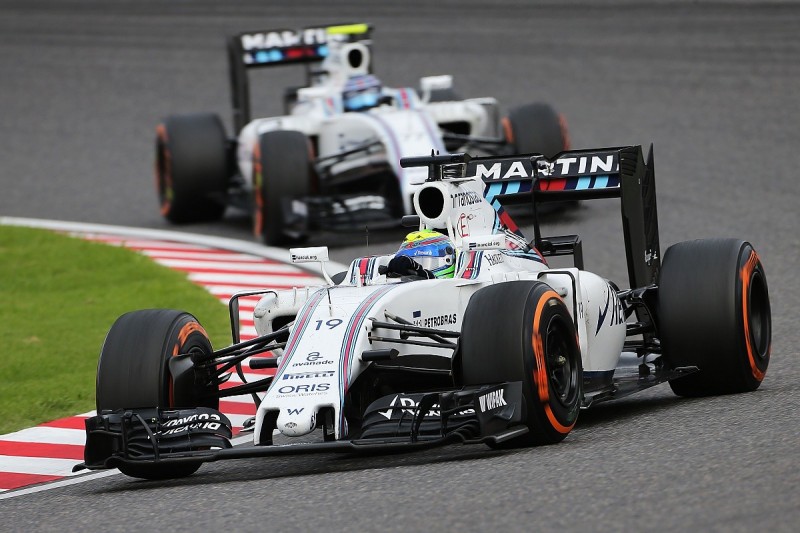
Along with the rate of development, Symonds has been surprised by the fact gains have been ongoing, while other design changes have been prompted by Pirelli's resized tyres.
"That creative element is totally different," he said.
"I read the daily reports and I'm like, 'wow, how did we find that sort of amount?'
"You sort of think that is going to be tailing off. Right now, it's not really.
"Of course the slope isn't quite what it was in the first month or so but it's still remarkable.
"Don't forget that not all the focus is on the aero.
"One of the things we have to cope with is handling these new prescriptions from Pirelli.
"It's not easy. Like most teams, we've had to do suspension geometry changes, we have had to do totally different types of brake ducts."
Share Or Save This Story

McLaren's Alonso sure some F1 teams will get new rules wrong

Formula 1 peaked in 2000s, not Senna/Prost era, Alonso believes

How Hamilton has battled his own mentality

WEC Barcelona: Toyota scores dominant 1-2 to clinch manufacturers’ title

When Can-Am made its controversial comeback

Mercedes explains why its upgrade made its F1 car harder to drive

How levelling the playing field isn’t antithetical to the principles of F1
Subscribe and access Autosport.com with your ad-blocker.
From Formula 1 to MotoGP we report straight from the paddock because we love our sport, just like you. In order to keep delivering our expert journalism, our website uses advertising. Still, we want to give you the opportunity to enjoy an ad-free and tracker-free website and to continue using your adblocker.


Top Comments